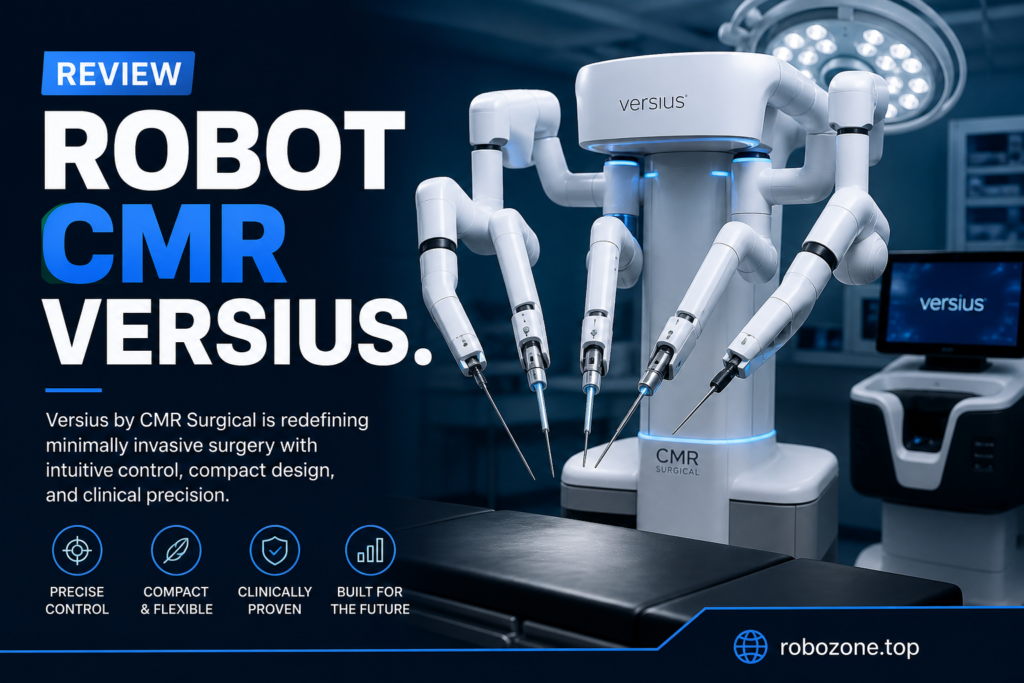
As we journey through the technological prowess and potential implications of the CMR Versius, a question echoes: Can it truly perform as well as the manufacturers claim?
What is the CMR Versius?
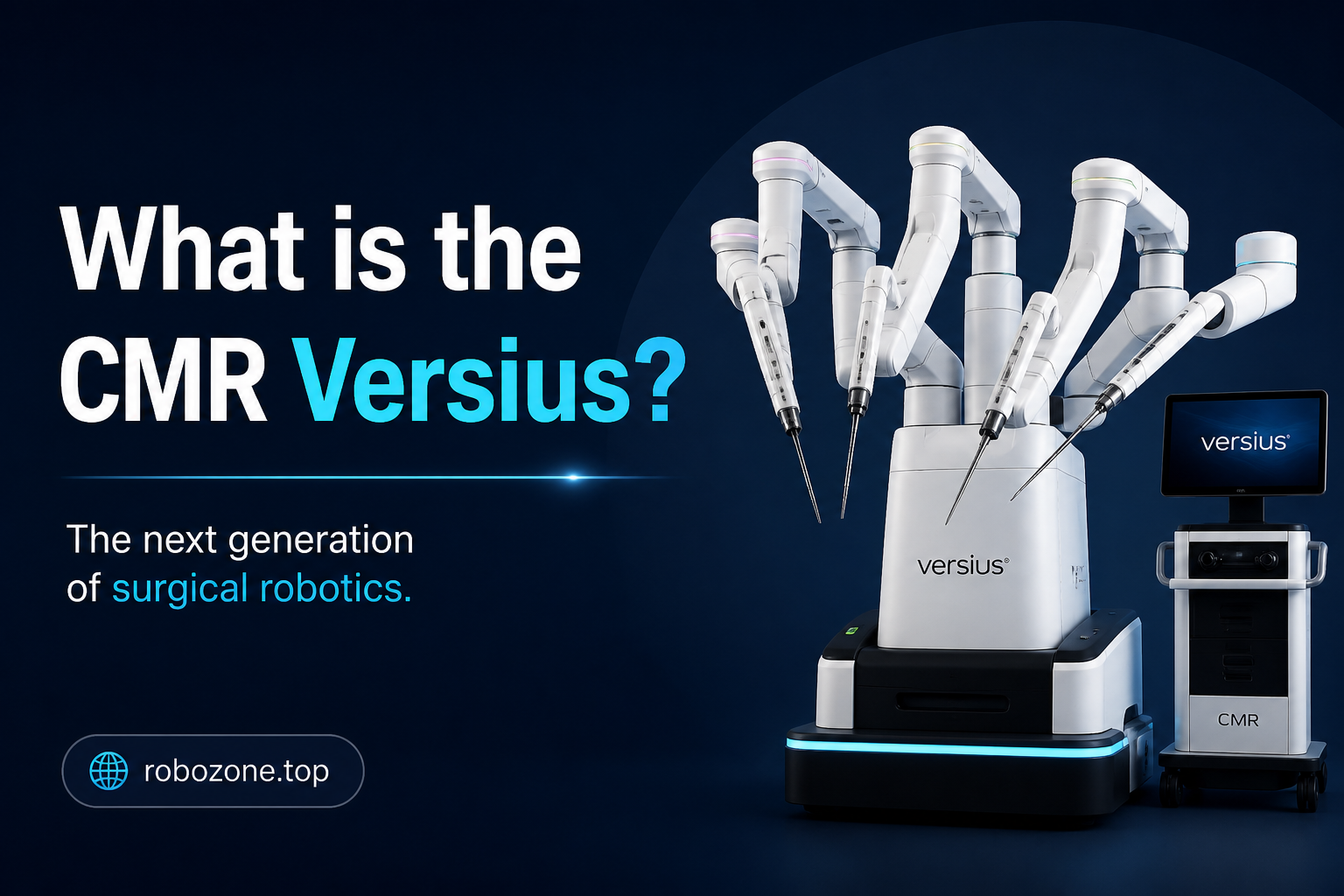
The CMR Versius is a robotic surgery system designed and manufactured by CMR Surgical, headquartered in Cambridge, UK. Announced in 2018 and gaining regulatory approvals in subsequent years, Versius is engineered to assist surgeons in performing various complex surgical procedures, minimizing invasiveness and maximizing precision. Unlike its competitors, Versius offers a unique modular design, allowing for flexibility in the operating room. The robotic arms, reminiscent of human limbs, enhance the surgeon’s range of motion, largely due to its redundant degrees of freedom.
Technical Identity: Generational Leap

CMR Versius represents not merely a logistical improvement in surgical robotics but a qualitative leap in terms of technological integration. Generational advancements in Versius focus on enhancing robotic arms with articulated, human-like movements, enabling greater precision and dexterity. The compact engineering of these arms allows for operations in confined spaces, a marked improvement from earlier bulky designs of previous generations.
Deep Dive into Specifications
When comparing technical specifications, CMR Versius is intriguing. The system, with its compact design, features ergonomic arms, each with 7 DoF (degrees of freedom), allowing surgeons access to hard-to-reach areas within the human body. This flexibility ensures that complex procedures are carried out with efficacy and safety. The system’s haptic feedback, through advanced sensors, gives surgeons tactile sensations, enhancing control and reducing errors.
Brains and Compute: The Analytical Core

Steered by CMR Surgical’s proprietary software, Versius integrates artificial intelligence models providing real-time data analytics and feedback. This integration supports surgeons with decision-making tools, potentially reducing cognitive load during procedures, a critical aspect in surgical environments where every moment counts. Notably, the system’s computational framework is bolstered by NVIDIA platform capabilities, enhancing its CPU and GPU performance for real-time operational analysis and learning.
Vision and Spatial Science
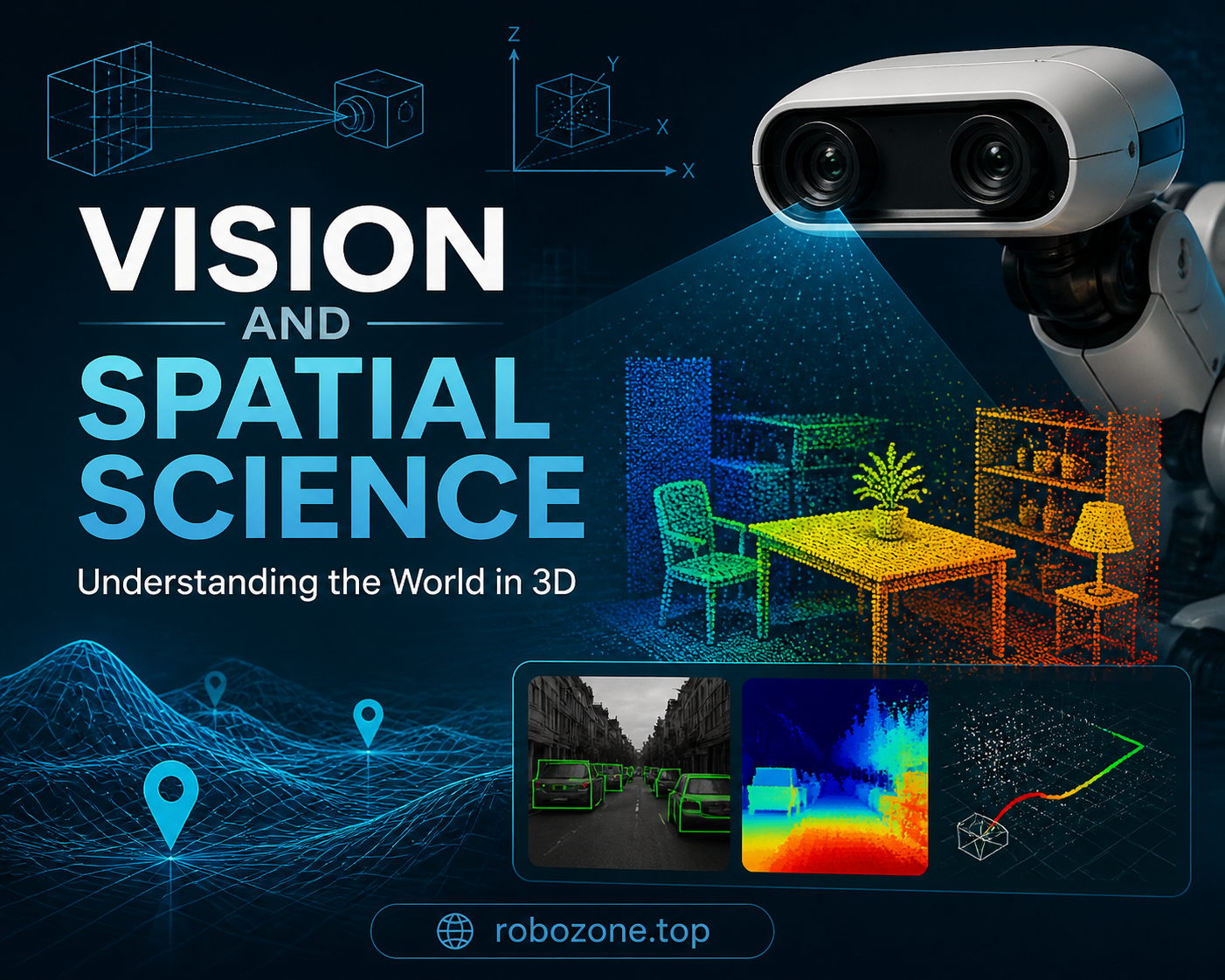
The essence of accurate and successful robotic surgery lies in the capability of visualizing the surgical field. CMR Versius leaps forward with its vision systems utilizing high-definition 3D visualization, powered via precision stereo cameras. This clarity permits surgeons a detailed, immersive view of the operative field. Combined with algorithms for depth estimation and spatial mapping, the system can execute unparalleled accuracy in tasks such as suturing or tissue manipulation.
Mobility: Enhancing the Physical Sphere
The design of Versius suggests a notable shift from traditional stationary robotic systems to a dynamic configuration. With modular arms that maintain stability and precision, CMR draws an analogy to the adaptable human arm. Such a design is not only flexible but mobile within constrained operating theaters. Its setup time is impressively reduced, allowing seamless integration into contemporary surgical environments, thereby optimizing throughput and operational efficiency.
Real-World Deployment: Verified Efficacies
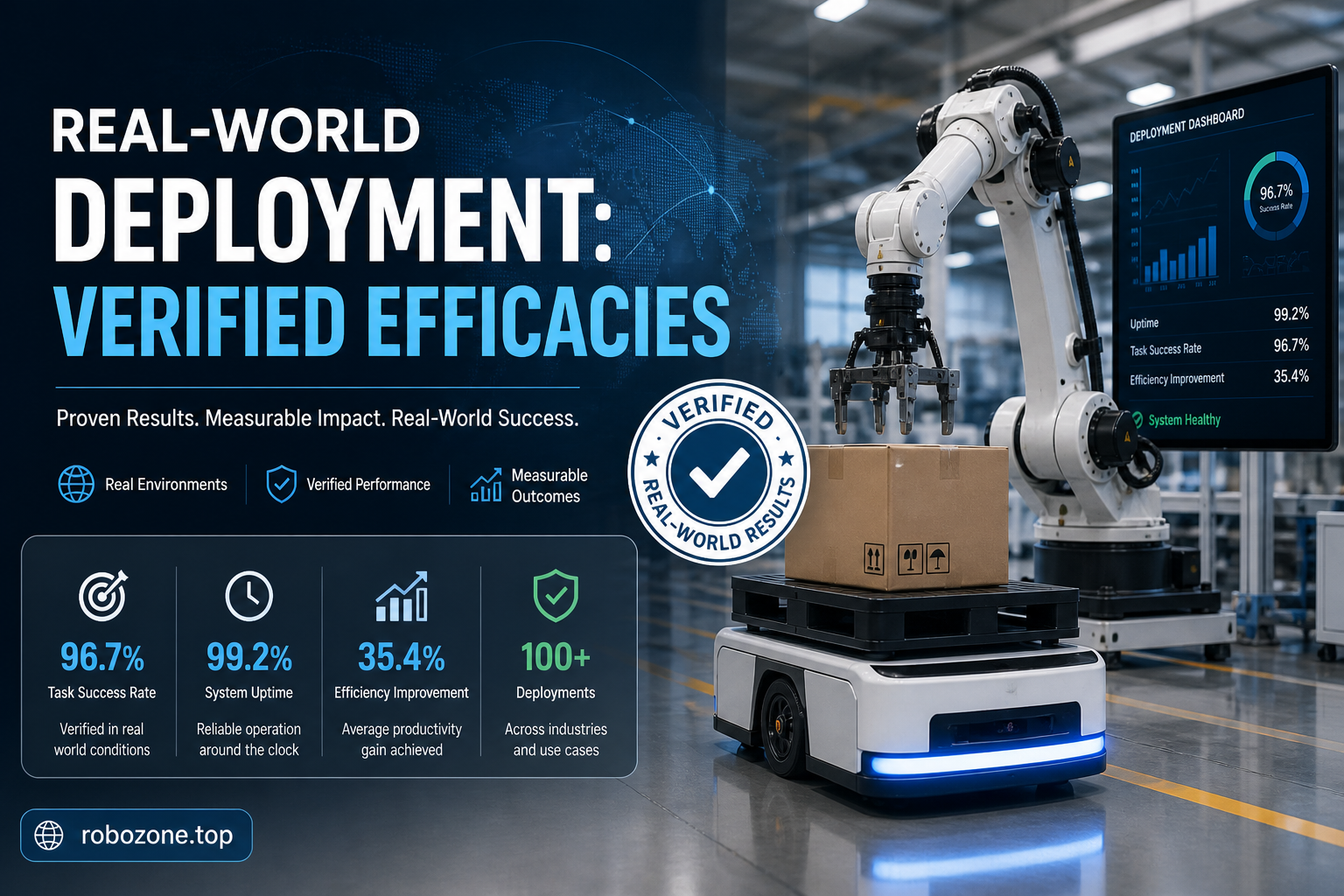
As of 2023, the deployment of CMR Versius in healthcare facilities worldwide showcases its commercial viability. Hospitals in Europe, Asia, and Australia have begun adopting these systems, citing improvements in patient outcomes, safety, and reducing some traditional constraints of surgery like patient downtime. Furthermore, clinical studies are increasingly affirming Versius’ safety and efficacy in soft tissue surgery, providing independent validation of its capabilities.
Market Reach and Implications

The broader implications of Versius are anchored in its societal and economic potential. As healthcare systems globally adapt to robotic interventions, the foothold Versius gains encompasses a burgeoning market anticipated to burgeon past $20 billion by the late 2020s, according to market analysts. Such growth signals a demand not only for advanced medical technologies but also for trained personnel, thus paving pathways for surgical training redesigns.
Challenges and Limitations

Despite pioneering design and performance, Versius is not without its limitations. High costs of acquisition and maintenance present significant barriers, especially for underfunded medical facilities. Moreover, like many robotic systems, it requires robust infrastructure adjustments in operating rooms, which might not be possible in all healthcare settings. These elements underscore an ongoing tension between technological aspiration and practical implementation.
So Where Does This Leave Us?

While CMR Versius stands as a testament to the engineering marvels of its time, it also propels fundamental questions about the future of surgical robotics. As artificial intelligence continues to intertwine with surgical precision, the horizon holds promise for even less invasive, more intuitive systems. For now, organizations must weigh the benefits Versius offers against its limitations, always keeping patient care and safety at the forefront of innovative adoption.
Thomas Huynh – Admin of RoboZone.top
With its innovative design and technological prowess, CMR Versius heralds a new era in surgical robotics, bringing us closer to a future where robotic interventions are a routine part of modern medicine. Its journey marks a chapter of human ingenuity aligning with healthcare’s timeless mission: to heal and enhance life.
– – – – – – – – – – – – – – – –
“If you found my CMR Versius review helpful, consider checking out the product links below. It helps support the channel at no extra cost to you!”
Order HIWONDER Humanoid Robot