
In the vibrant arena of robotics innovation, HD Hyundai Robotics has captured attention with the unveiling of its dual-arm robot, showcased at the FIX 2026 exhibition in Daegu, South Korea. This technological marvel marks a significant expansion beyond the company’s hallmark industrial robots, venturing into the realm of collaborative and humanoid robotics. The announcement has sparked discussions across technology sectors, potentially heralding new directions in robotic applications and industry capabilities. But what truly stands behind this advancement, and how might it reshape the landscape of industrial automation?
Expanding Beyond Tradition: HD Hyundai Robotics’ New Frontier
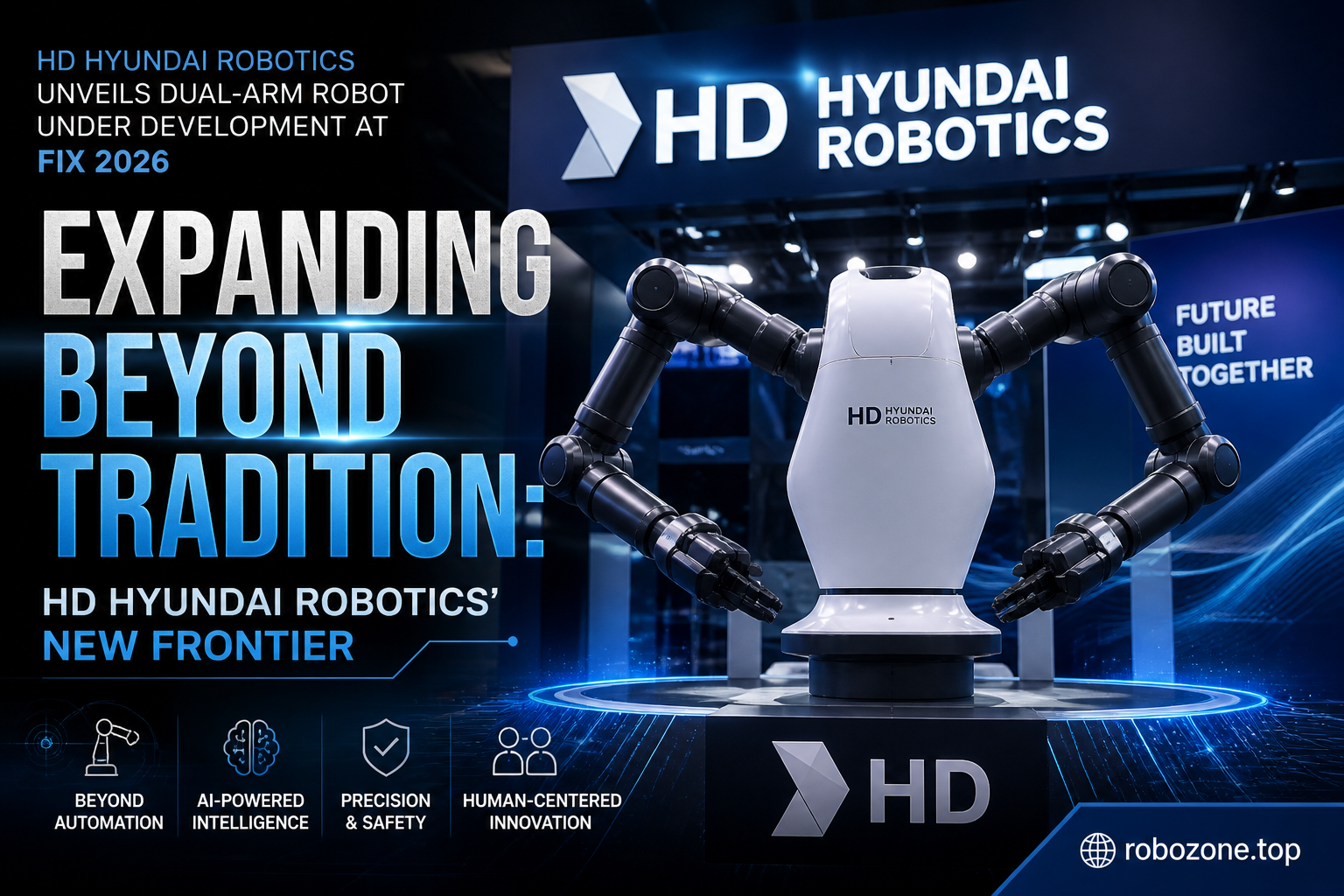
HD Hyundai Robotics, traditionally rooted in industrial systems, has embarked on a path of innovation with its latest dual-arm robot. Historically, the company has been synonymous with heavy-duty robotics tailored for manufacturing, offering solutions characterized by precision, durability, and efficiency. This new development pivots from that legacy, signaling a strategic shift towards systems designed for more dynamic tasks often associated with human-like dexterity.
The backdrop of this development is marked by evolving industry needs where flexibility and adaptability are crucial. Traditional industrial robots are typically confined to repetitive, single-task operations within specific settings—often cages or isolated from human workers due to safety concerns. However, the introduction of robots that mimic human motion opens a multifaceted approach to automation, could enable more complex, precise, and cooperative tasks.
According to the company, the dual-arm robot, as previewed at FIX 2026, is being developed to provide a high degree of autonomy and versatility, capable of performing a variety of tasks that require simultaneous manipulation and complex motion.
Technological Overview: Inside the Dual-Arm Robot
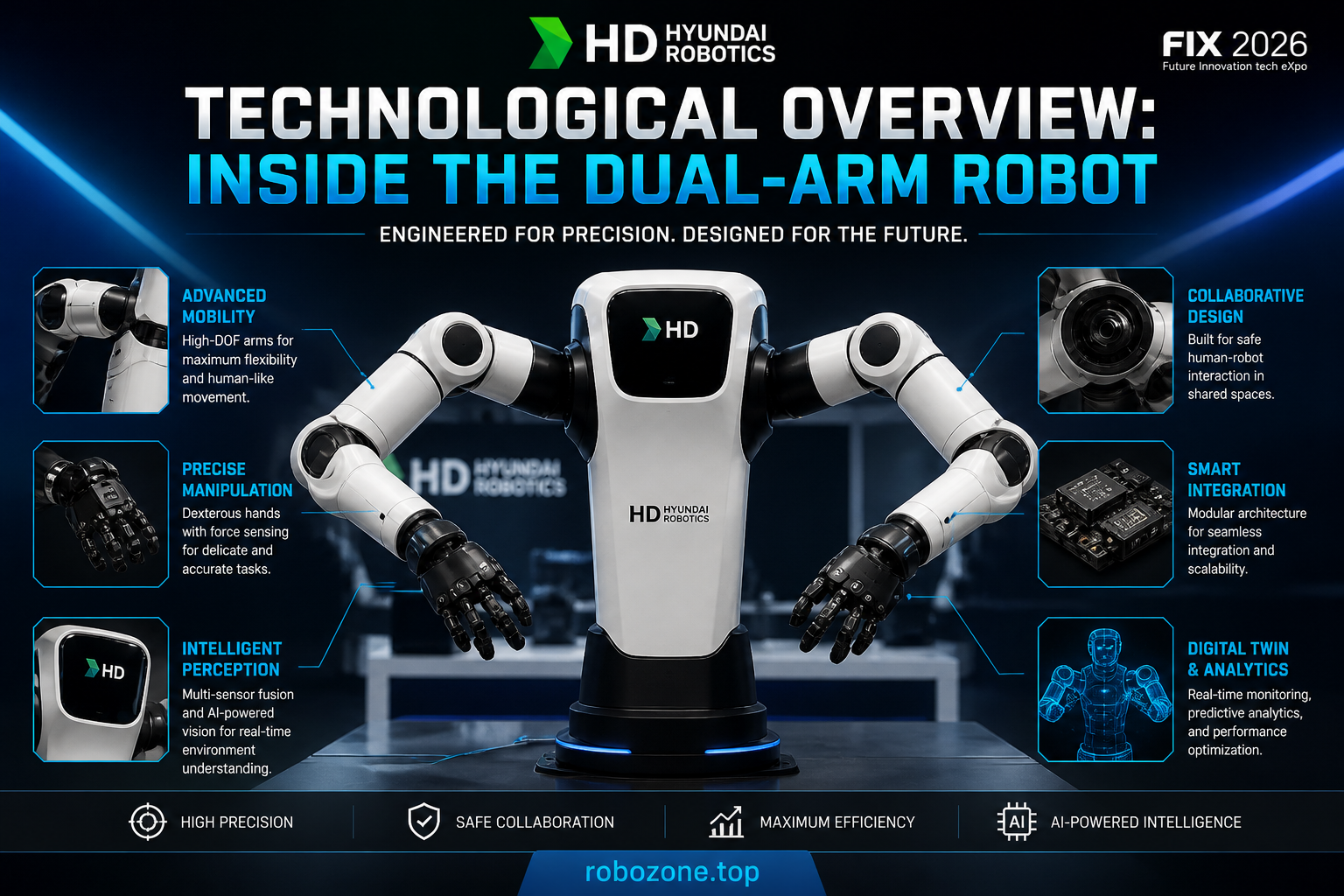
The architecture of HD Hyundai’s dual-arm robot is designed to address key technical challenges in humanoid robotics. Each arm operates independently, providing multiple degrees of freedom that reflect human capability. This design element is poised to facilitate intricate tasks such as assembly, packaging, and even surgical assistance, broadening potential applications.
Equipped with advanced sensors, including LiDAR and high-resolution cameras, the robot can perform spatial-aware operations. These sensors are complemented by AI-driven perception systems that enable the robot not only to interpret its surroundings accurately but also to adapt its actions based on real-time feedback.
Core to control and functionality is the robot’s AI stack, which employs reinforcement learning and classical control theory to enhance its action repertoire. This powerful integration allows the robot to learn from its environment, making it progressively smarter and more efficient. The company highlights that the AI capabilities are still under extensive testing, with deployment at scale being contingent upon these systems meeting rigorous safety and performance standards.
Real-World Applications and Industry Implications
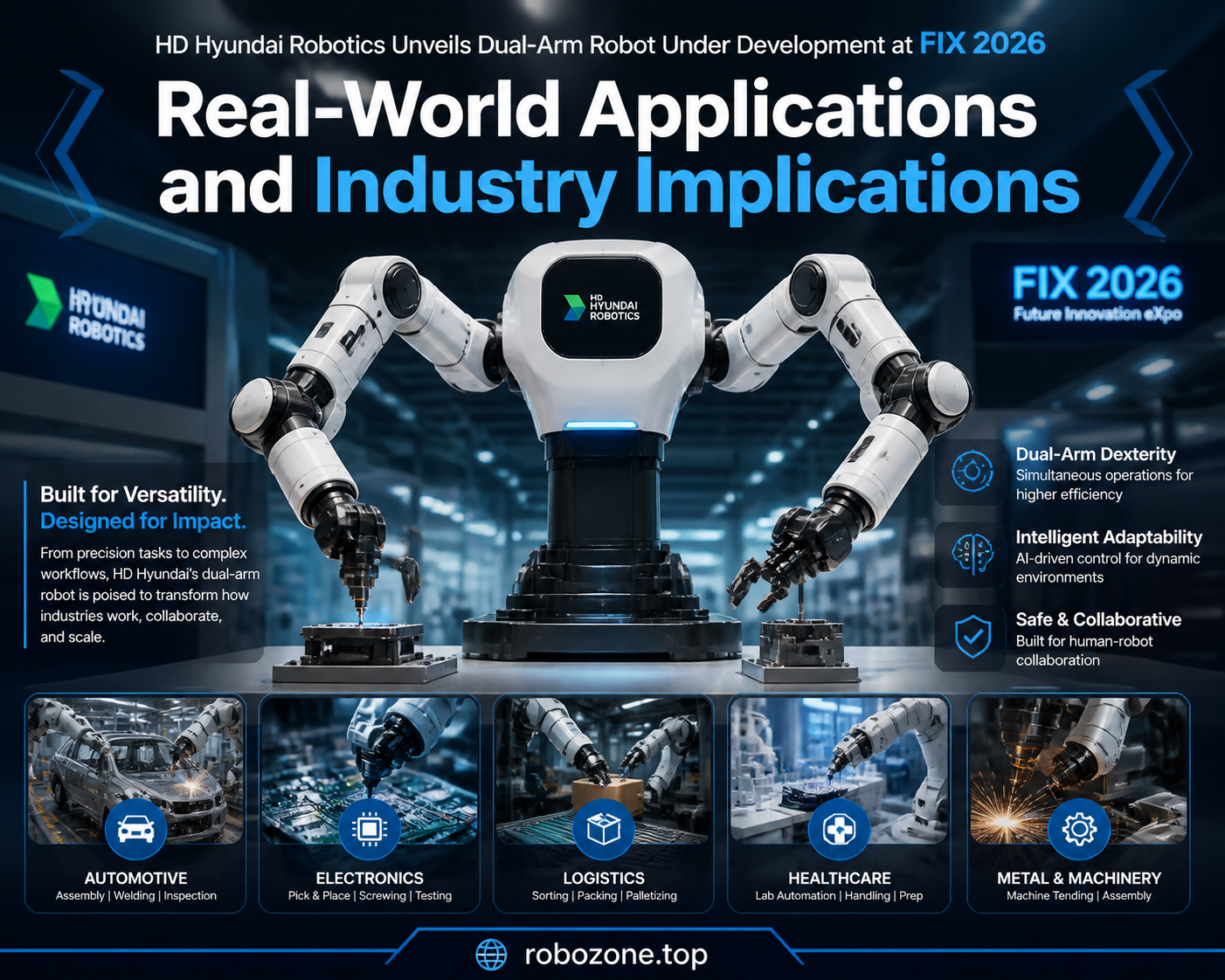
The commercial possibilities for HD Hyundai’s dual-arm robot are extensive, particularly in fields that demand precision and efficiency. Potential industries range from automotive and electronics to healthcare. For example, in the automotive sector, the robot could supplement labor in assembly lines, working alongside human operators to boost productivity while maintaining stringent quality control.
In healthcare, robots with human-like dexterity can perform tasks that require high precision—it’s within robot-aided surgical interventions or intricate lab procedures where this system could significantly reduce human error and improve operational speeds. These capabilities could open new dialogues about how robotics can be integrated without displacing existing workforces but rather enhancing their capabilities.
The development at hand is not without its challenges. While HD Hyundai Robotics has outlined an ambitious plan, the practical integration of such advanced robotics remains fraught with hurdles related to safety regulations, ethical considerations, and substantial technical hurdles such as power system efficiency and real-time decision-making capacity under variable conditions.
Challenges and Strategic Considerations
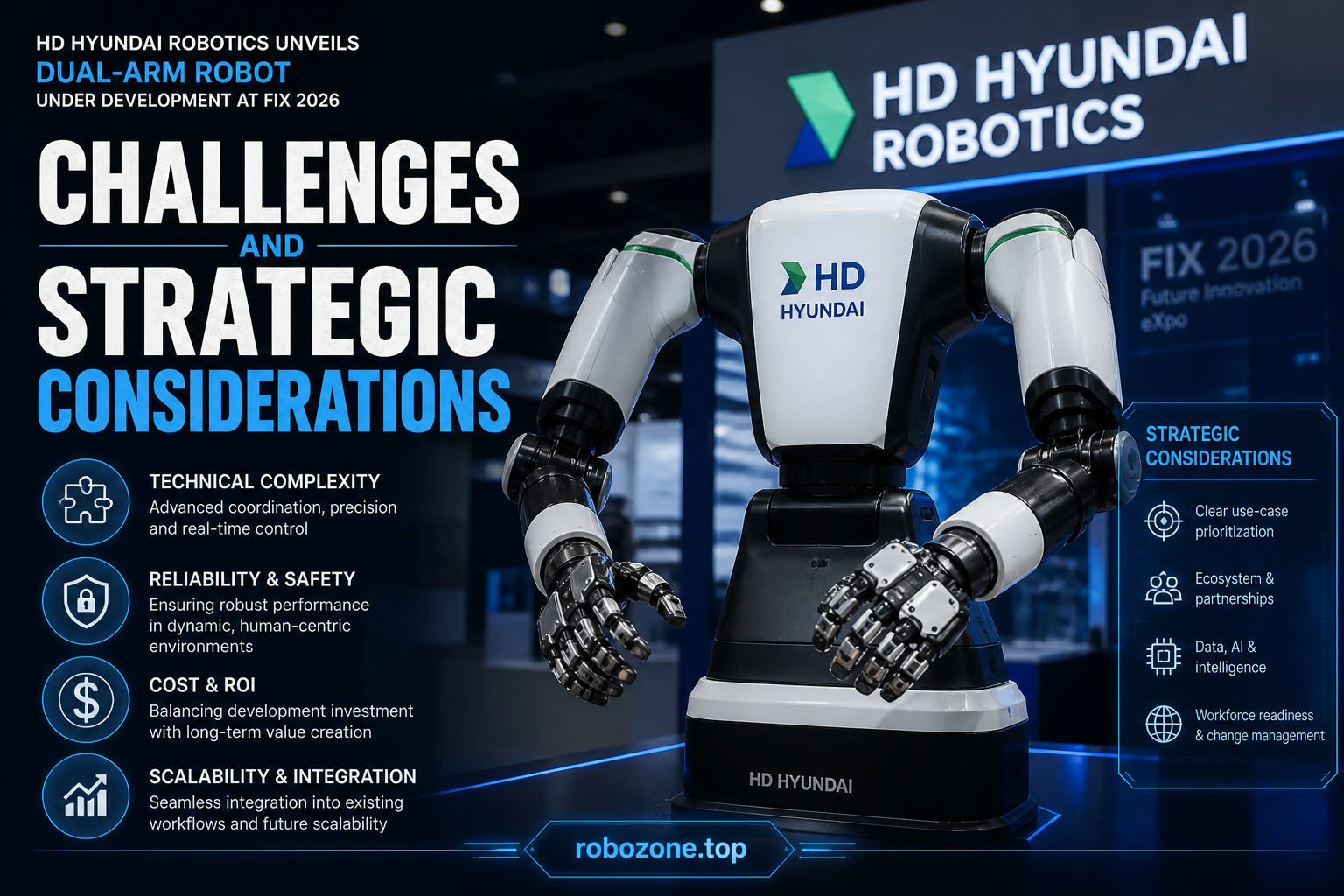
Putting technological potential into practice involves addressing numerous challenges and risks. For the dual-arm robot, issues such as ensuring reliability in unpredictable environments and maintaining long-term operational stability are critical. Each arm’s actuators and joints must endure repetitive, precise tasks without degradation over time, a common challenge for sophisticated robotics.
The safety and compliance of these robots in human-centric environments are paramount. Rigorous testing must ensure that in dynamic, potentially unruly industrial spaces, robots can respond adaptively to avoid accidents. Achieving industry certification will be essential before widespread adoption can occur.
HD Hyundai Robotics is exploring a variety of business models to navigate these complexities, including Robotics-as-a-Service (RaaS), where the robots are leased rather than sold. This model potentially reduces upfront costs and allows continual improvement via updates and upgrades, aligning with evolving customer needs.
Navigating the Competitive Landscape

HD Hyundai’s entrance into the dual-arm robotic segment places it against prominent players known for their innovation and established technology, such as ABB, Fanuc, and Yaskawa. Each of these competitors has extensively developed precision and collaborative robots similar to Hyundai’s offerings.
Market positioning will thus depend not solely on technological prowess but also on the company’s ability to leverage its industrial legacy while forging new partnerships and securing initial deployments that can validate its technology in real-world contexts.
Further challenges may arise from diversification in robotic applications. Success depends on how new offerings can compete with proprietary systems that have a firm foothold and established reliability in specific niche markets.
The Path Ahead for Robotics Innovation
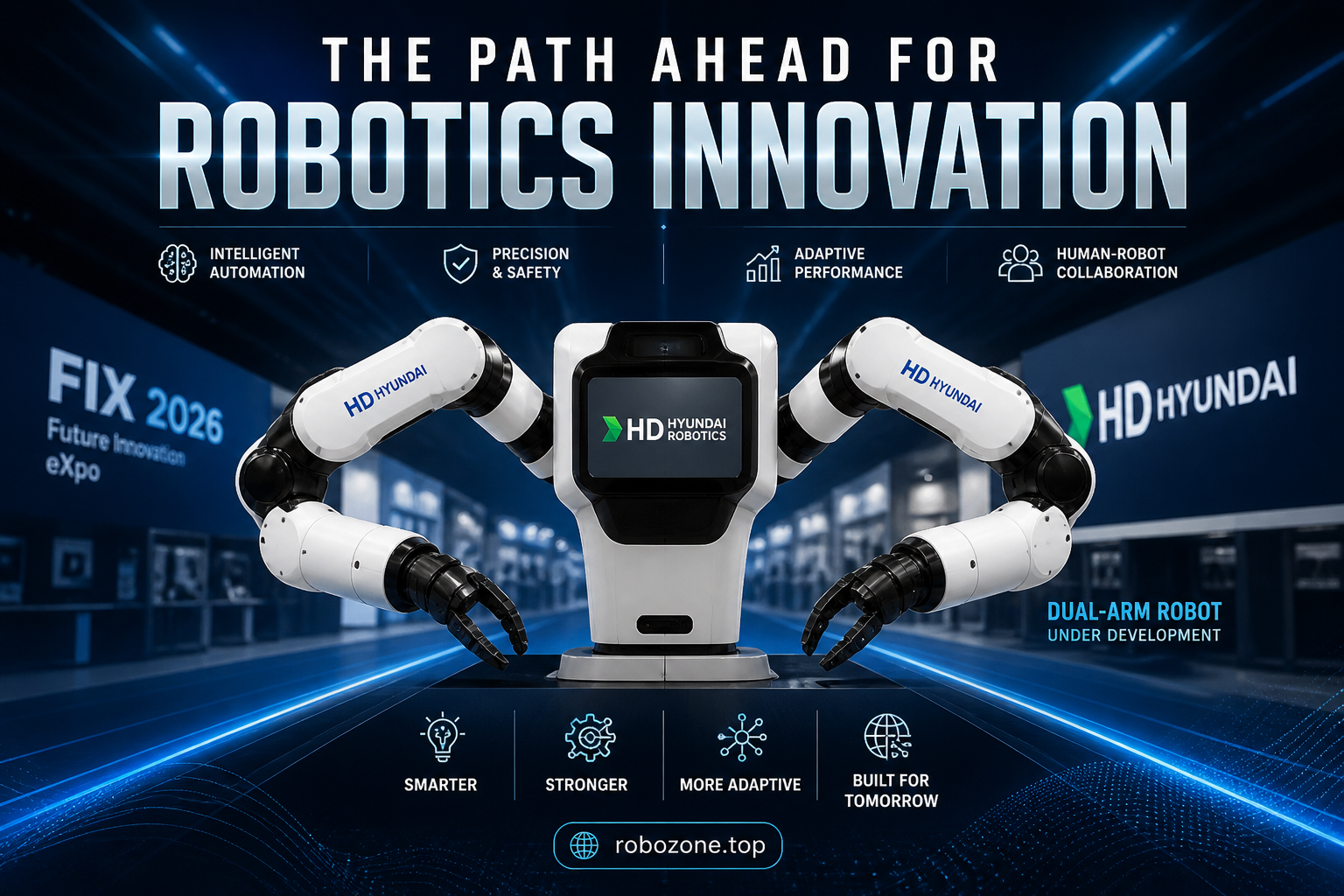
The unveiling of HD Hyundai Robotics’ dual-arm robot at FIX 2026 serves as a testament to the evolving landscape of robotic innovation. However, crossing the chasm from development to widespread deployment will require overcoming significant technical and commercial hurdles.
As this dual-arm robot moves from prototype to production, eyes will be on subsequent performance benchmarks and pilot deployment outcomes, which will be pivotal in proving its capabilities and solidifying customer confidence. Equally important will be Hyundai’s capacity to maintain its competitive edge in a rapidly advancing tech environment.
For investors and industry watchers, the integration of AI with robotics, especially concerning human-robot interactions in collaborative tasks, will offer dynamic opportunities. For HD Hyundai Robotics, ensuring seamless integration of these systems into existing industrial contexts while offering tangible benefits over competitors is essential.
What Readers Should Watch in the Coming Months
As HD Hyundai Robotics advances its dual-arm robot from development into practical application, a few crucial milestones will warrant close observation. Ensuring compliance with industry safety standards will be key, as will demonstrable performance in pilot programs under variable real-world conditions. Investors should consider how well the company navigates scaling production to meet potential demand and how it plans to differentiate itself in a crowded market.
In the broader picture, HD Hyundai Robotics embarks on a venture that could redefine certain industrial processes, particularly those requiring nuanced human-like capabilities. Its success will depend upon pulling together cutting-edge technology, forward-thinking strategy, and finely balanced execution. The months ahead could well redefine how robots share our worlds and tasks.
Admin of RoboZone.top