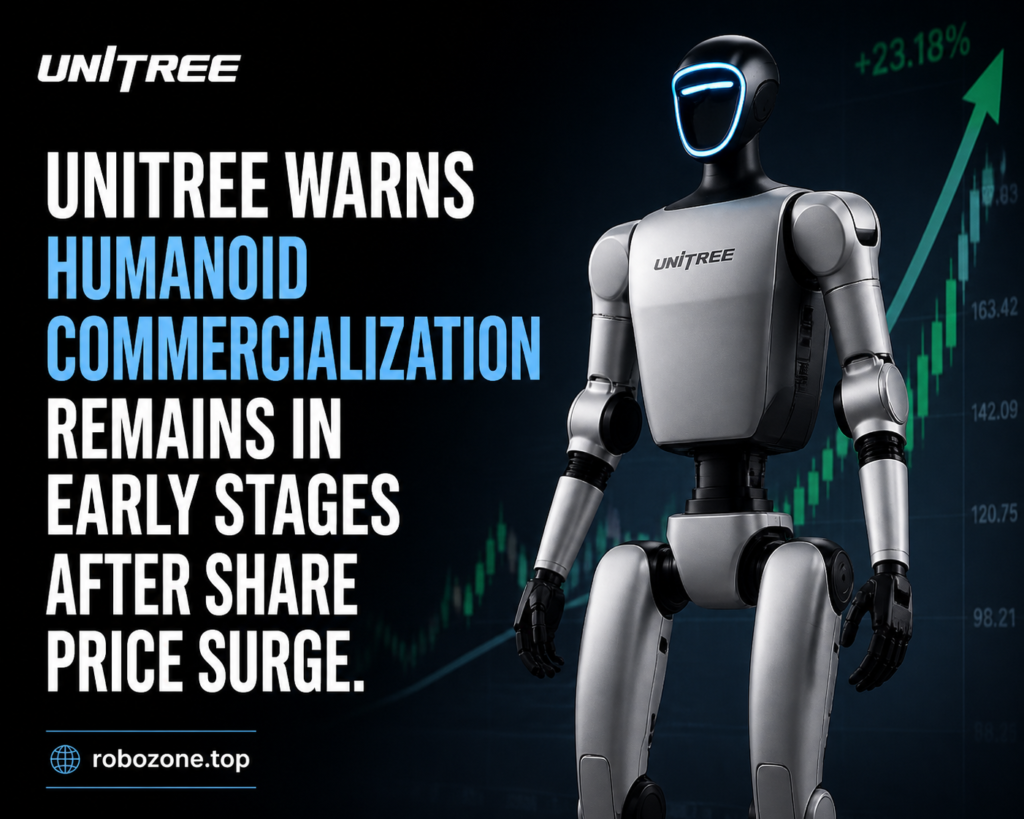
Unitree Robotics, a key player in the realm of robotics, has found itself in the spotlight following a notable 16% surge in its share price. This abrupt financial leap has captured the attention of investors and industry experts alike, who are eager for signs of an upcoming breakthrough in humanoid robotics. Despite this investor enthusiasm, Unitree has been clear in its communication: while progress is underway, the commercialization of humanoid robots is still very much in its infancy. This statement comes as the company gears up for a pivotal conference scheduled for late October, which could potentially shed more light on the future of their humanoid robots.
The Current State of Unitree Robotics’ Humanoid Development

In the competitive world of robotics, Unitree Robotics has carved out a significant niche for itself, specializing in agile quadruped robots often compared to Boston Dynamics’ creations. However, their journey into humanoid robots marks a bold yet complex expansion. As of 2025, Unitree’s humanoid models are still prototypes and far from mass commercial deployment. The company’s latest production models for 2025-2026 are not yet available in widespread applications, primarily serving as proof-of-concept designs to demonstrate technical feasibility and gauge market interest.
The humanoid robots developed by Unitree showcase cutting-edge components like advanced AI control systems leveraging deep neural networks, sophisticated actuator designs for nimble motion, and sensor arrays that include LiDAR and depth cameras for environmental mapping. Despite these advancements, Unitree acknowledges the challenges that lie ahead in transitioning from demonstrational prototypes to robust, reliable units ready for everyday use in varying real-world conditions.
Unitree’s recent strategy has been to educate and temper expectations around these humanoid robots, acknowledging that while technical milestones have been achieved, there are still significant hurdles in achieving uptime, safety compliance, and system interoperability necessary for commercial launch.
Exploring the Technical Journey: Challenges and Innovations
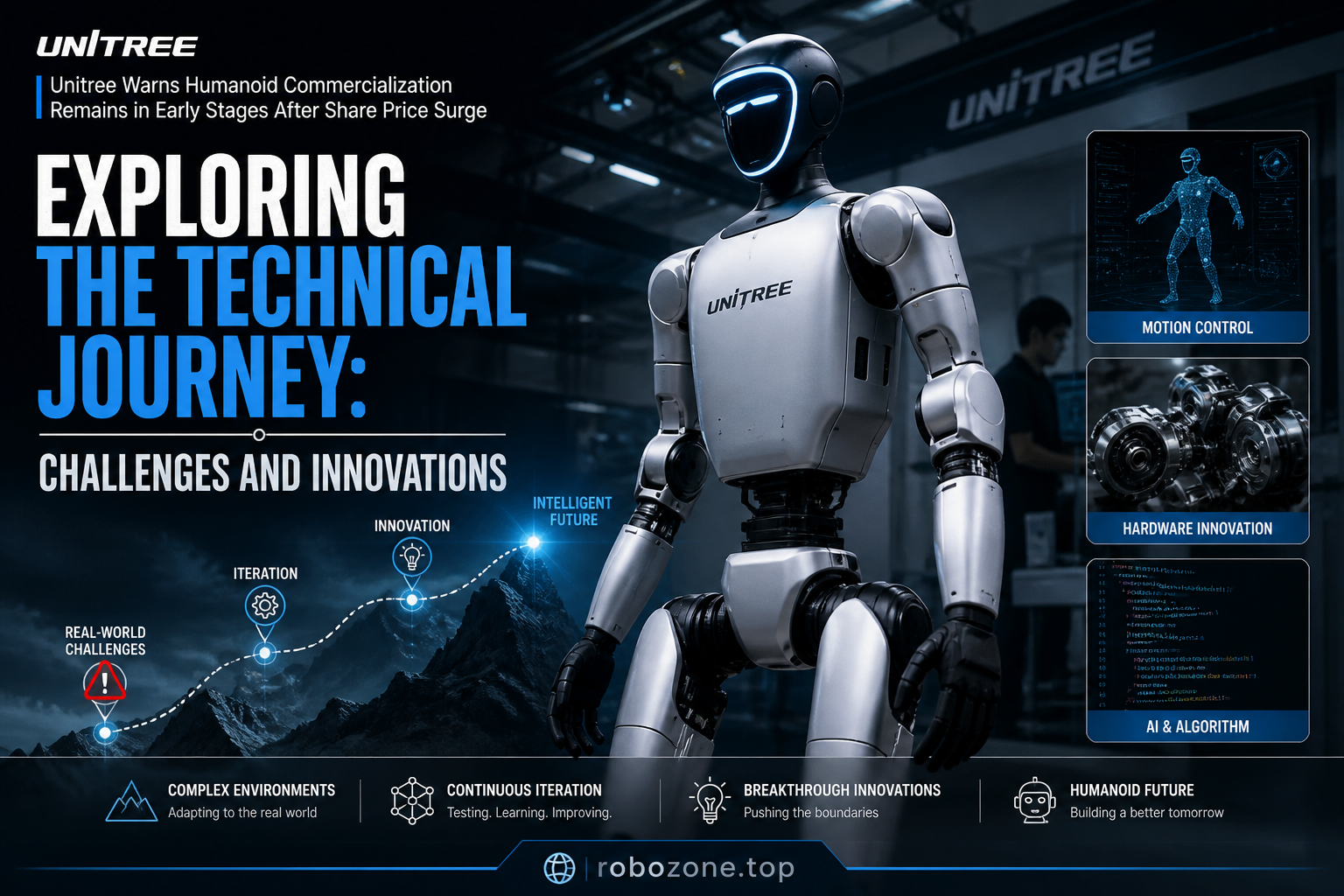
The realm of humanoid robotics marries sophisticated AI with mechanical ingenuity, and at Unitree, this blend results in robots capable of impressive feats of balance and task execution. However, achieving commercial viability encompasses far more than technological prowess.
Key components such as Unitree’s proprioceptive actuators provide the dexterity required for human-like movement and the AI stack, which integrates reinforcement learning and real-time data processing, forms the core of its autonomous decision-making capabilities. Despite such sophisticated systems, the limitation primarily lies in achieving an acceptable balance between battery life and operational capability. As these robots are designed for dynamic interaction with unpredictable environments, ensuring they have sufficient power reserves to complete complex tasks is pivotal.
Furthermore, integration of safety systems to preemptively mitigate the risk of injuries or faults in human-populated settings remains a subject of both technological and ethical considerations. These safety measures must comply with international robotics regulations, such as ISO standards, to both preempt regulatory hurdles and soothe potential client concerns.
The company’s efforts, therefore, are as much about refining this intricate technology as they are about validating reliability and cost-effectiveness in long-term projects.
Economic and Market Realities Facing Humanoid Robots
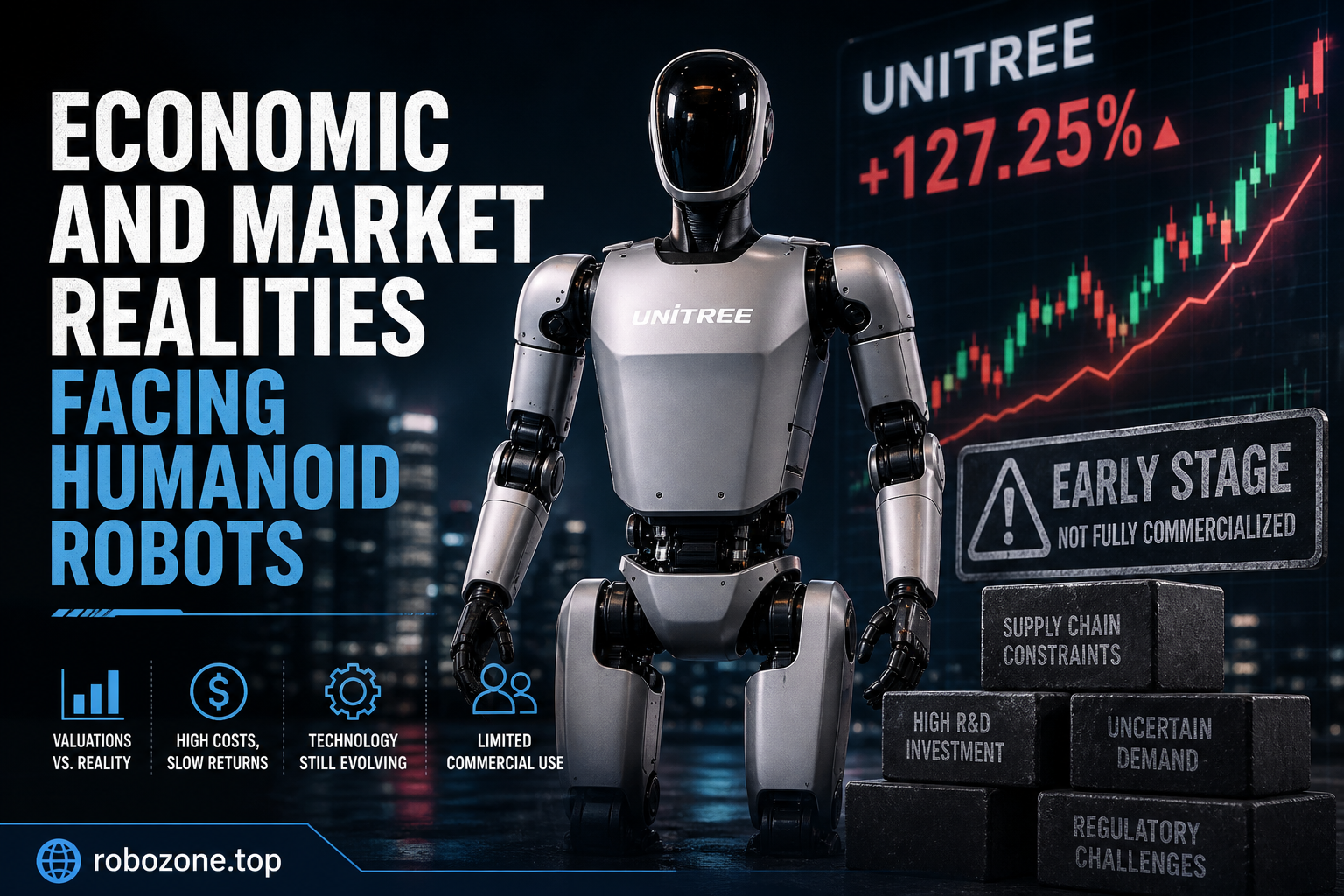
Economic viability remains one of the tallest hurdles in the path of humanoid robots like those in development by Unitree. While excitement abounds over the technological potential, the challenges of bringing these devices to market at a feasible price point are non-trivial. Historically, high pricing has hindered widespread adoption of advanced robotics in non-research settings, confining them to specialized sectors.
Unitree’s intended business model remains focused on robotics-as-a-service (RaaS), which offers flexibility compared to outright sales. By leveraging cloud-based management and control systems, the company aims to reduce initial costs for their clients, allowing broader access and experimentation. However, achieving scalability in production will demand a robust supply chain capable of maintaining cost reduction imperatives without compromising on quality.
Moreover, Unitree’s competitive edge must be meticulously defined. While they possess technological sophistication, companies like Boston Dynamics have advanced with their humanoid offerings in real-world applications, thus Division in technological capability does not always translate seamlessly to commercial superiority. To cultivate a meaningful market presence, Unitree must delineate their unique value proposition – whether it be through superior design, nuanced AI integrations, or cost advantages in long-term deployments.
Safety and Human-Robot Interaction: A Paradigm to Perfect
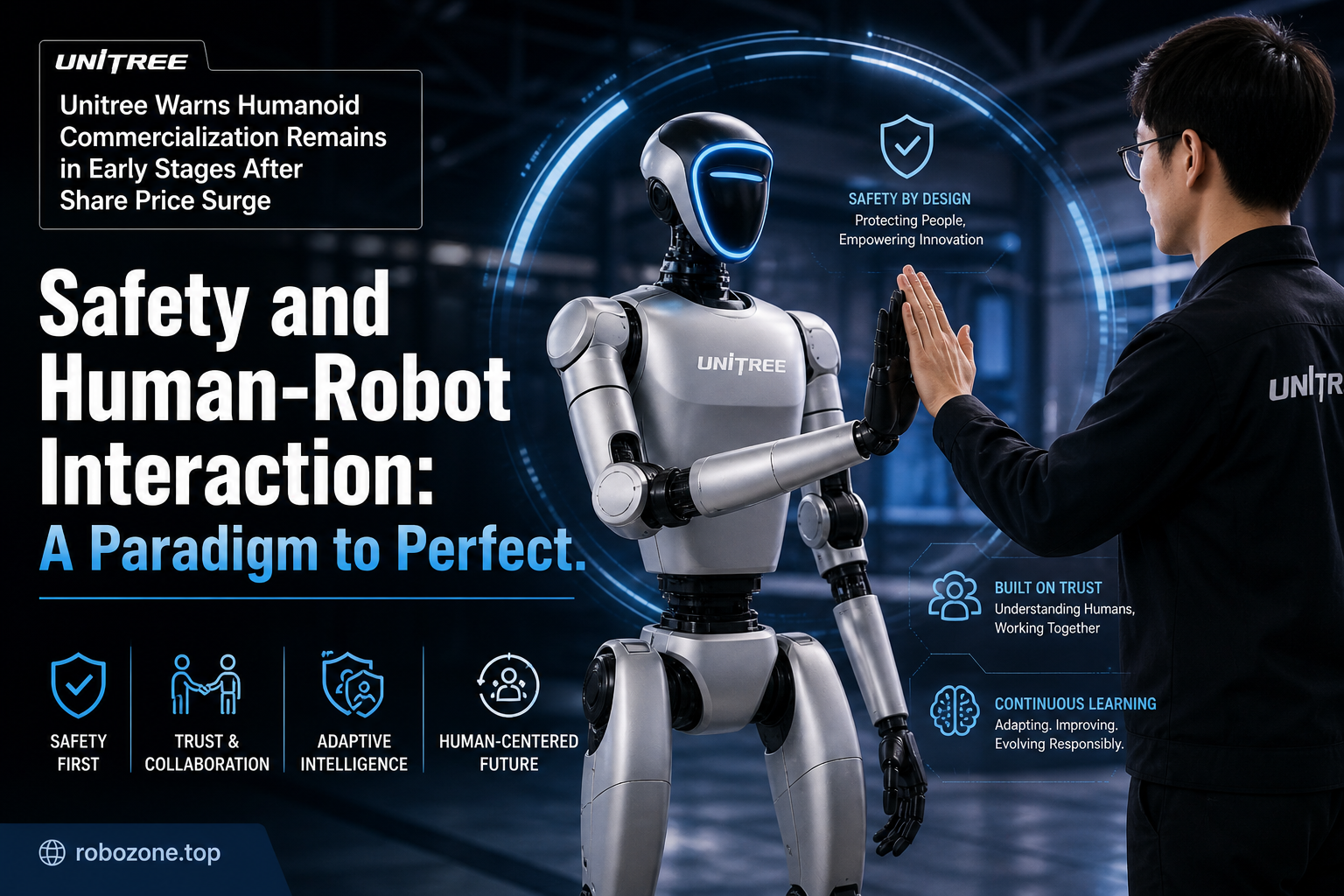
At the nexus of public acceptance and operational safety lies the challenge of perfecting human-robot interaction. For Unitree’s humanoid robots, this is not merely an engineering problem but one that intersects with societal norms and regulatory frameworks.
The primary safety concerns involve ensuring that robots can operate autonomously in environments shared with humans without posing undue risks. This involves sophisticated sensing technologies to detect and react to humans, protective compliance in movement to prevent accidents, and AI-driven decision-making that prioritizes human safety.
Regulatory bodies impose stringent tests and certifications to ensure these machines operate safely and reliably. The ISO standard 13482, which relates to personal care robots, is one such benchmark that Unitree must navigate. Beyond regulation, public perception plays a crucial role. Successful integration of humanoid robots into public spaces hinges on overcoming skepticism—a task as much about transparent communication and successful pilot programs as it is about technical certifications.
What Lies Ahead: The Road to Commercialization
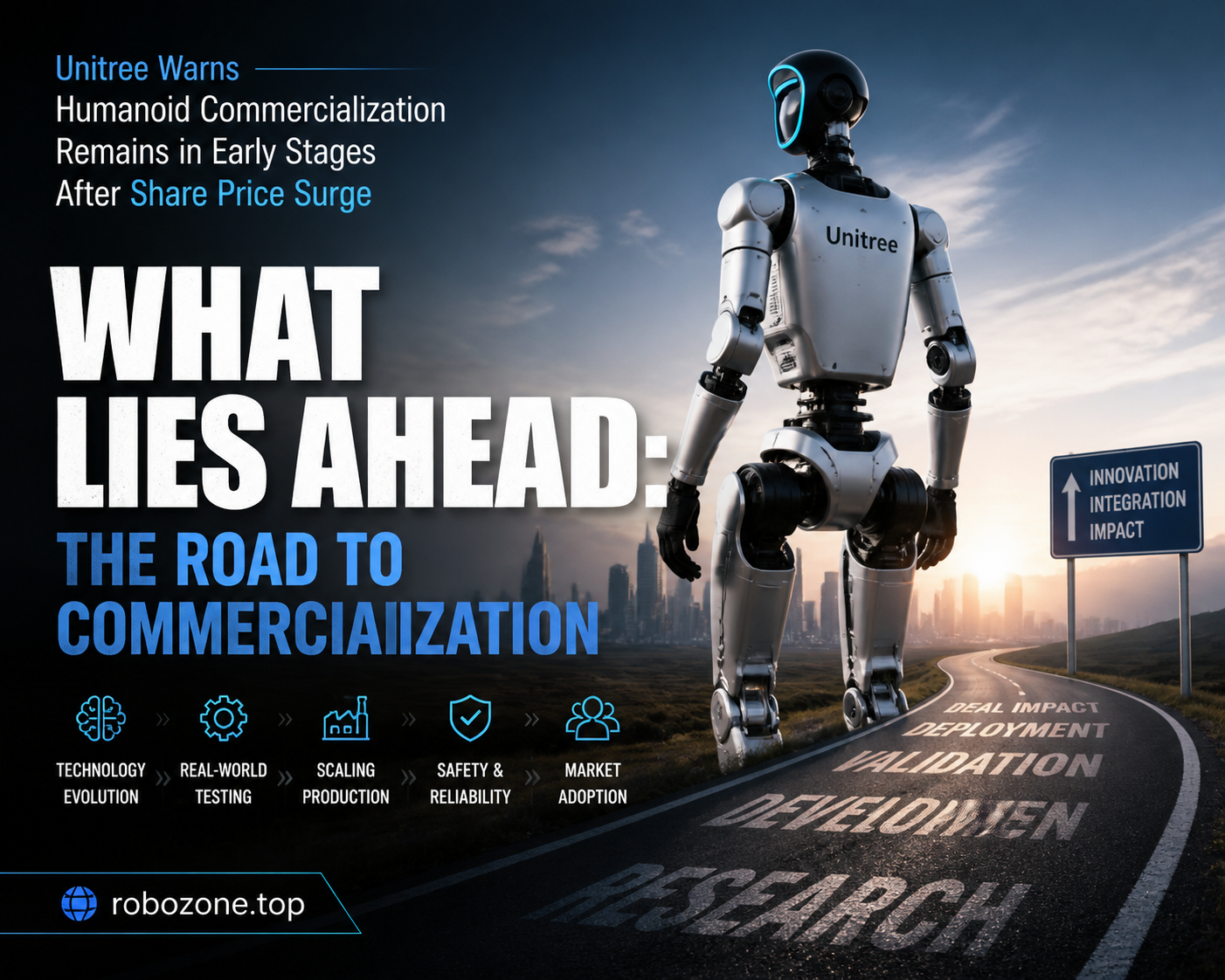
As Unitree approaches its upcoming conference in October, the robotics community is eager to see whether the company will provide a more concrete timeline for commercialization or reveal any breakthroughs that could accelerate their development timeline. Industry watchers are particularly interested in how Unitree intends to overcome the manufacturing and scalability challenges that plague the commercialization of humanoid robots.
The path forward will require not only technological enhancements but also strategic partnerships, investments in robust manufacturing capabilities, and an earnest navigation through regulatory landscapes. Achieving competitive differentiation without sacrificing the reliability that clients demand will be essential.
While the current cautionary stance by Unitree signals a prudent approach, tangible progress will depend heavily on transparent milestones and demonstrable achievements. Observers will likely scrutinize any movement on pilot deployments or partnerships that Unitree may announce, as these will be indicative of their readiness to fully enter the commercial market.
So what happens next for Unitree will largely hinge on how these twin imperatives of technical and commercial readiness are navigated in the near term.
Where Ambition Meets the Real World
Unitree Robotics stands at the forefront of what could be a pivotal moment for humanoid robots. Although the journey from cutting-edge prototype to scalable product is riddled with challenges, the firm’s commitment to acknowledging and confronting these issues head-on might catalyze its future success. The technological foundation is firm, yet the complexities of production and market dynamics necessitate careful maneuvering.
The ultimate adoption of these humanoid robots in everyday settings will likely depend on more than just their ability to mimic human tasks; it will also require convincing the world of their reliability, safety, and economic viability. Thus, while much work remains before Unitree’s humanoid robots can transform industries, the roadmap they chart in tackling these multifaceted challenges will be invaluable for the wider robotics community and keen observers everywhere.
Admin of RoboZone.top