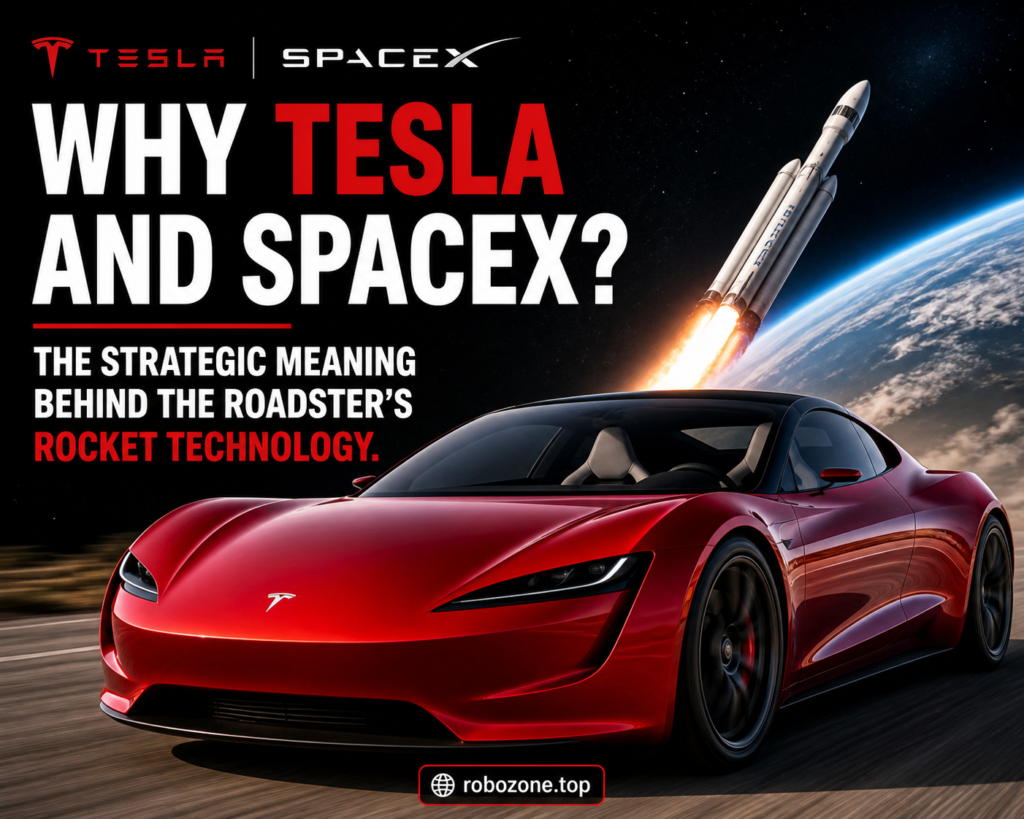
In the world of high-performance electric vehicles, Tesla’s Roadster stands out not only for its audacious specifications but also for the broader implications of its collaboration with SpaceX. Tesla, known for pushing the boundaries of electric vehicle performance, has taken a page from aerospace technology to engineer a vehicle that challenges not just speed records but the very concept of what an electric sports car can be. But why does a car need thrusters, and what does this mean for the automotive industry? And where does SpaceX fit into this unusual narrative?
The Historical Intersection of Aerospace and Electric Mobility
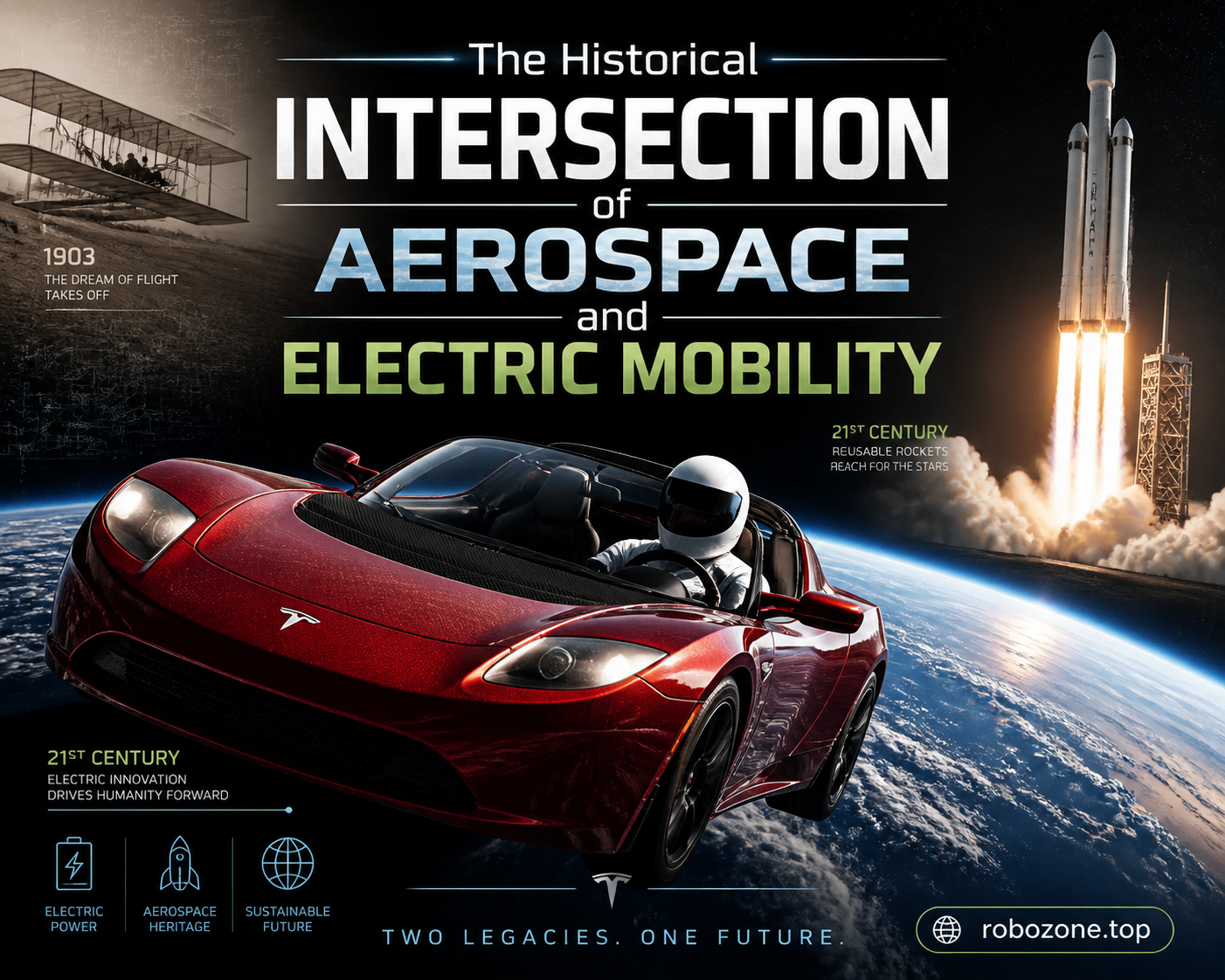
To understand the significance of Tesla’s integration of rocket technology into their Roadster, it’s important to probe the historical relationship between aerospace engineering and automotive innovation. The transportation industry has a long history of borrowing from aerospace, especially when it comes to materials and technology.
Aluminum and carbon composites, now pervasive in car manufacturing, were first utilized in aircraft to reduce weight and improve fuel efficiency—principles that are directly applicable to automotive design. Over the years, car manufacturers, especially in the high-performance sector, have embraced these materials, striving for an ideal combination of lightweight construction and durability.
The idea of integrating aerospace with electric vehicle technology is relatively new, yet it synergizes well with both industries’ thirst for innovation. Tesla is not just dabbling in cross-industry technology; it’s positioning itself at the avant-garde by using aerospace dynamics to redefine what’s considered possible in the realm of electric sports vehicles.
Tesla’s official product page describes the incorporation of SpaceX technology as a game-changer—a compelling narrative, but one that requires deeper scrutiny to verify its practical outcomes.
The Branding Brilliance of SpaceX and Tesla
From a brand perspective, associating with SpaceX, one of the most audacious ventures in aerospace, elevates Tesla’s image not merely as an auto manufacturer but as a beacon of technological innovation. Elon Musk, the visionary behind both companies, has been candid about his goal to revolutionize personal transportation not just terrestrially, but potentially filling gaps in areas traditionally dominated by aerospace.
Tesla’s decision to integrate SpaceX tech ties into a broader strategy of showcasing its vehicles as unrivaled in performance and technological sophistication. The SpaceX package is more than a nod to interplanetary aspirations; it’s a tangible embodiment of technological prowess, a statement to consumers that Tesla’s sports cars are truly in a league of their own.
But branding is more than just about prestige. By aligning with SpaceX, Tesla shores up its credentials with a forward-thinking audience keen on sustainability and innovation, effectively expanding its market base to include tech enthusiasts and those who prioritize cutting-edge advancements in their purchasing decisions.
According to Reuters, the impending launch of the next-generation Roadster exemplifies Tesla’s attempt to blend showmanship with substantive performance metrics—though whether this alchemy results into meaningful market capture remains to be seen.
The Potential Advantages and Boundaries of Technology Transfer
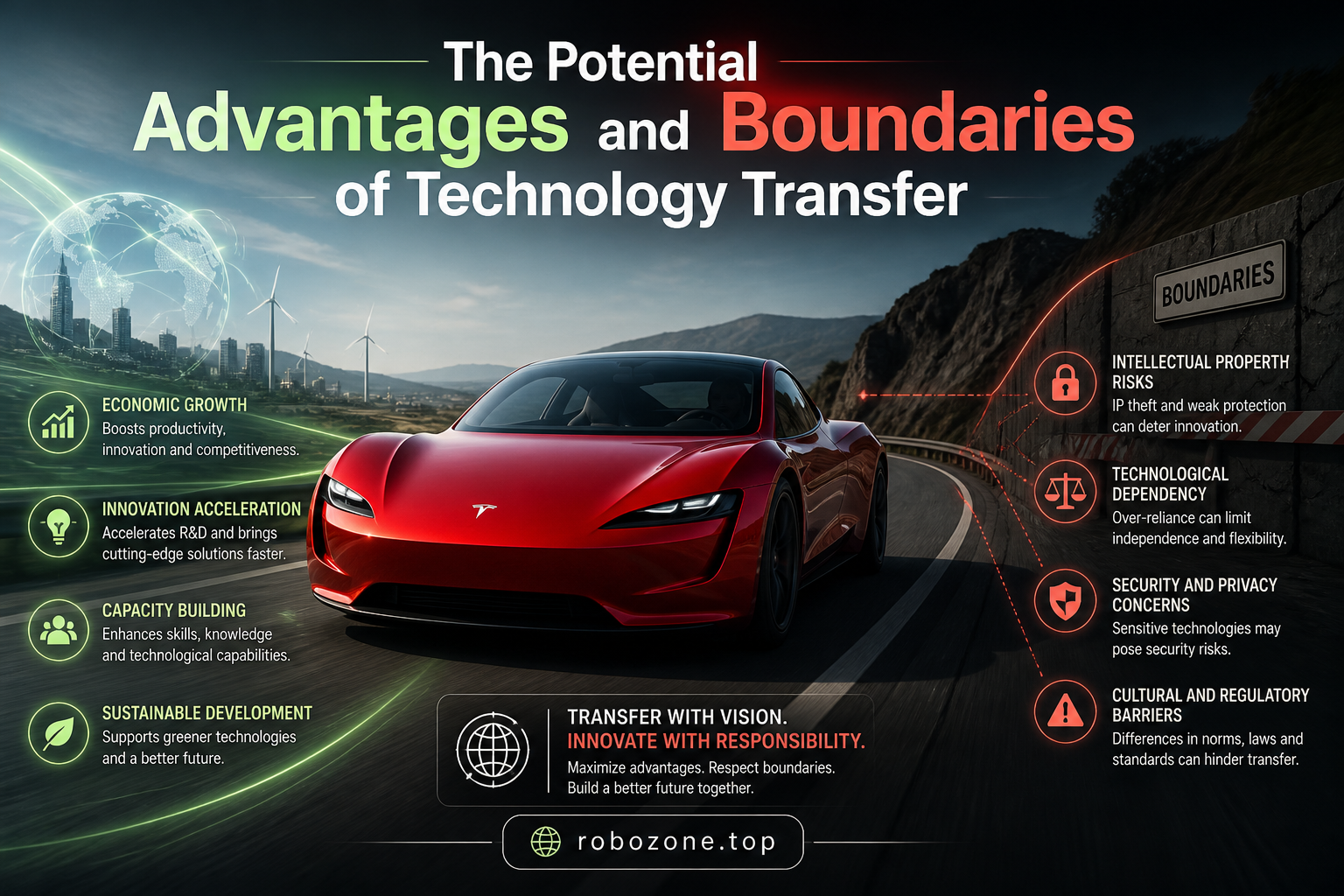
When we think about technology transfer, especially from aerospace to automotive, several questions come to mind: What can be safely and effectively transferred? What are the risks involved? With the Roadster, Tesla claims capabilities like acceleration beyond any street-legal vehicle due to the purported inclusion of thrusters pioneered by SpaceX.
These thrusters, believed to be cold-gas propulsion systems, are fundamentally similar to technology used in spacecraft for maneuvering. The proposed use in a sports vehicle primarily aims to provide additional acceleration and traction capabilities, potentially enhancing high-speed performance without a corresponding increase in motor size or vehicle weight. This is where the real technological mastery lies—achieving unprecedented performance with minimal compromise on energy efficiency or usability.
Yet, the technology transfer is not without its limitations. The real-world application of thruster technology in everyday driving conditions remains speculative at best. Questions around regulatory approval, passenger safety, and the feasibility of integration within existing infrastructure abound.
Regulatory agencies like the NHTSA are still in the process of evaluating what such advanced technology implicates in terms of safety standards, and these evaluations will ultimately define its legality and functionality in commercial markets.
The Engineering Enigma: How Rocket Technology Could Transform the Roadster
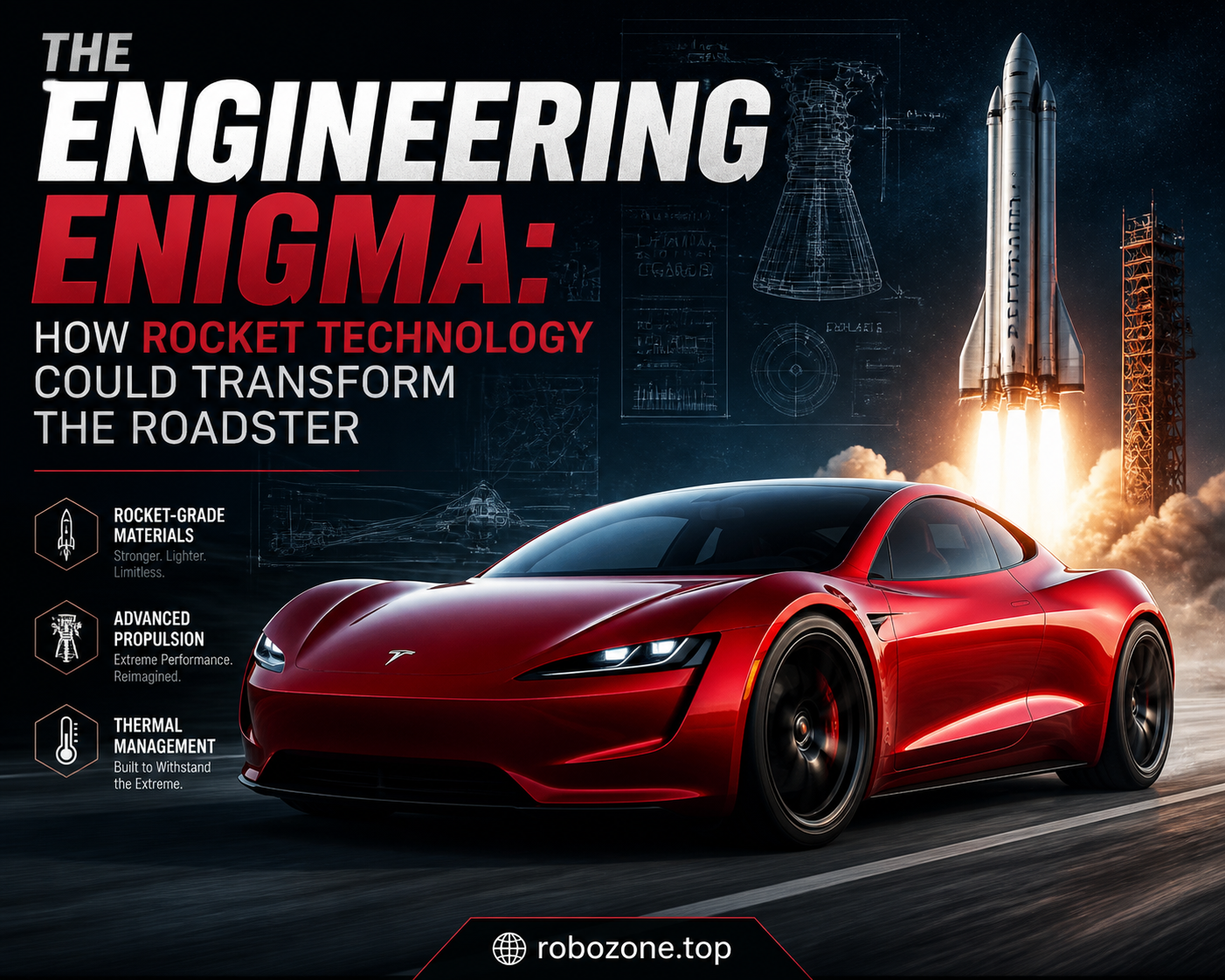
At a glance, the integration of rocket technology into Tesla’s Roadster sounds almost too fantastical, reminiscent of a sci-fi narrative rather than a credible engineering pathway. However, the application here involves the use of compressed air as a thrust-generating force, leveraging Newton’s third law. Provided in calculated bursts, these thrusters could theoretically provide additional acceleration, akin to the boost systems found in high-performance race cars.
For engineers, the lure of enhancing acceleration without increasing the car’s weight or requiring a bigger battery pack is appealing. Yet, this also requires sophisticated control algorithms to synchronize the Roadster’s traditional drivetrain with the rocket inputs to ensure stability and safety. It’s a fascinating mechanical ballet that pushes the envelope of what’s currently achievable with all-electric vehicles.
Still, there are real challenges. First, the practicality of maintaining high-pressure systems in a car environment still presents many unknowns. Temperature variations, impacts from driving, and stability under emergency braking are some of the many engineering challenges that still need addressing.
A potential collaboration with aerospace supplies could ensure that the critical components are manufactured to aerospace standards, yet integration into mass-market vehicles requires a leap over significant hurdles surrounding cost, manufacturability, and sustainability.
Market Analysis: The Road to Commercial Viability
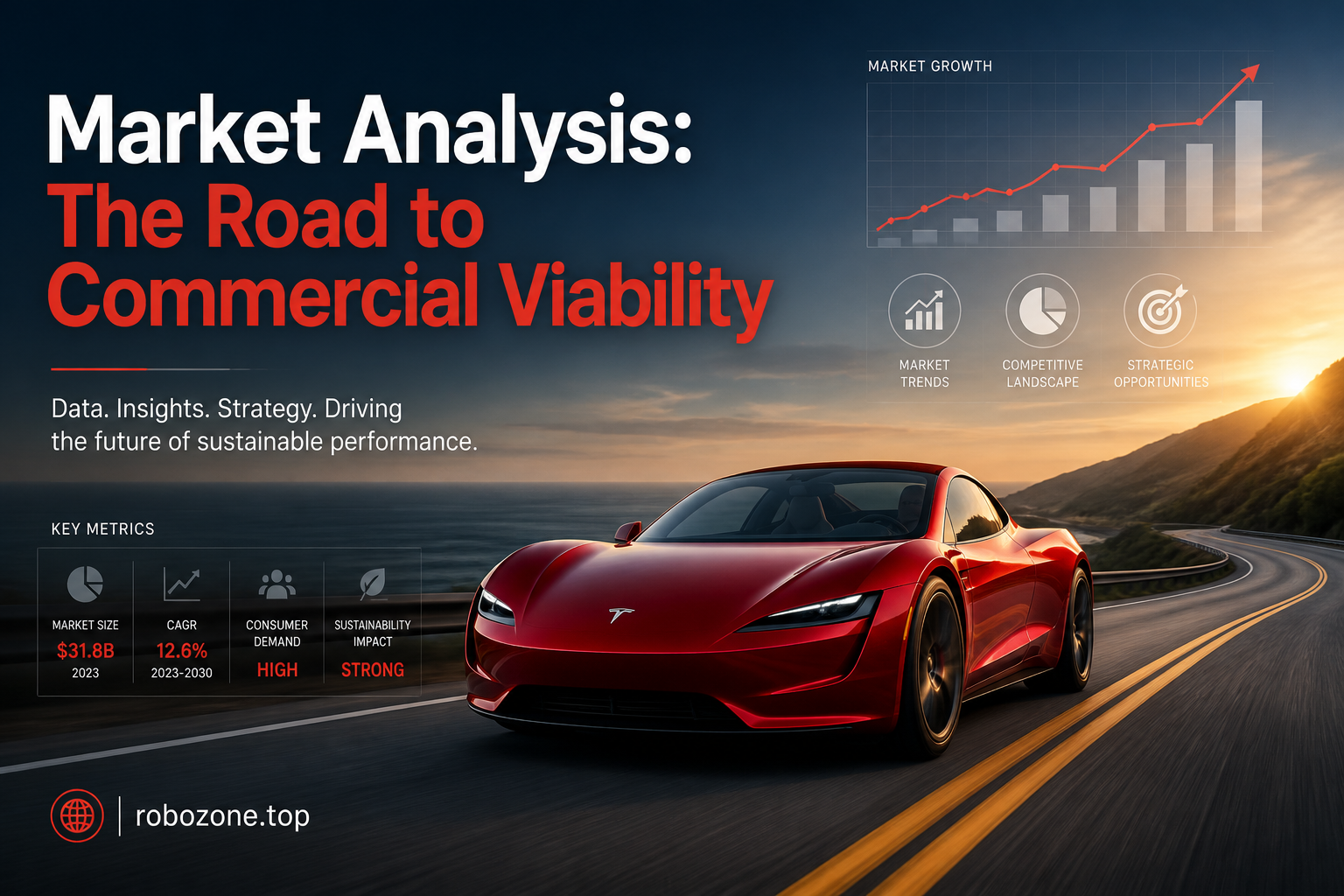
Integrating such high-level technology into a commercial vehicle like the Roadster brings with it significant economic implications. The cost to develop and produce vehicles that incorporate thruster technology is likely high. Even if Tesla masters the engineering, the financial viability must contend with questions of market readiness and demand elasticities.
Tesla’s trajectory could either redefine the luxury sports market or stretch its resources in a bid for market leadership. The competitive landscape, already populated by high-performance electric offerings from the likes of Rimac and Porsche, demands not just technological prowess but strategic pricing and production capabilities.
The luxury market favors exclusivity at competitive price points, and if Tesla’s pricing strays too far into exclusivity, it risks alienating segments of its customer base. On the flip side, ambitious pricing could solidify its status as a technological pioneer—a fine balancing act dependent on consumer perception and market dynamics.
Internally, Elon Musk’s leadership often guides Tesla with an eye toward a bold future, leveraging investor enthusiasm as implied by recent stock behavior to sustain confidence.
Understanding the Limitations: The Path Ahead for the Roadster
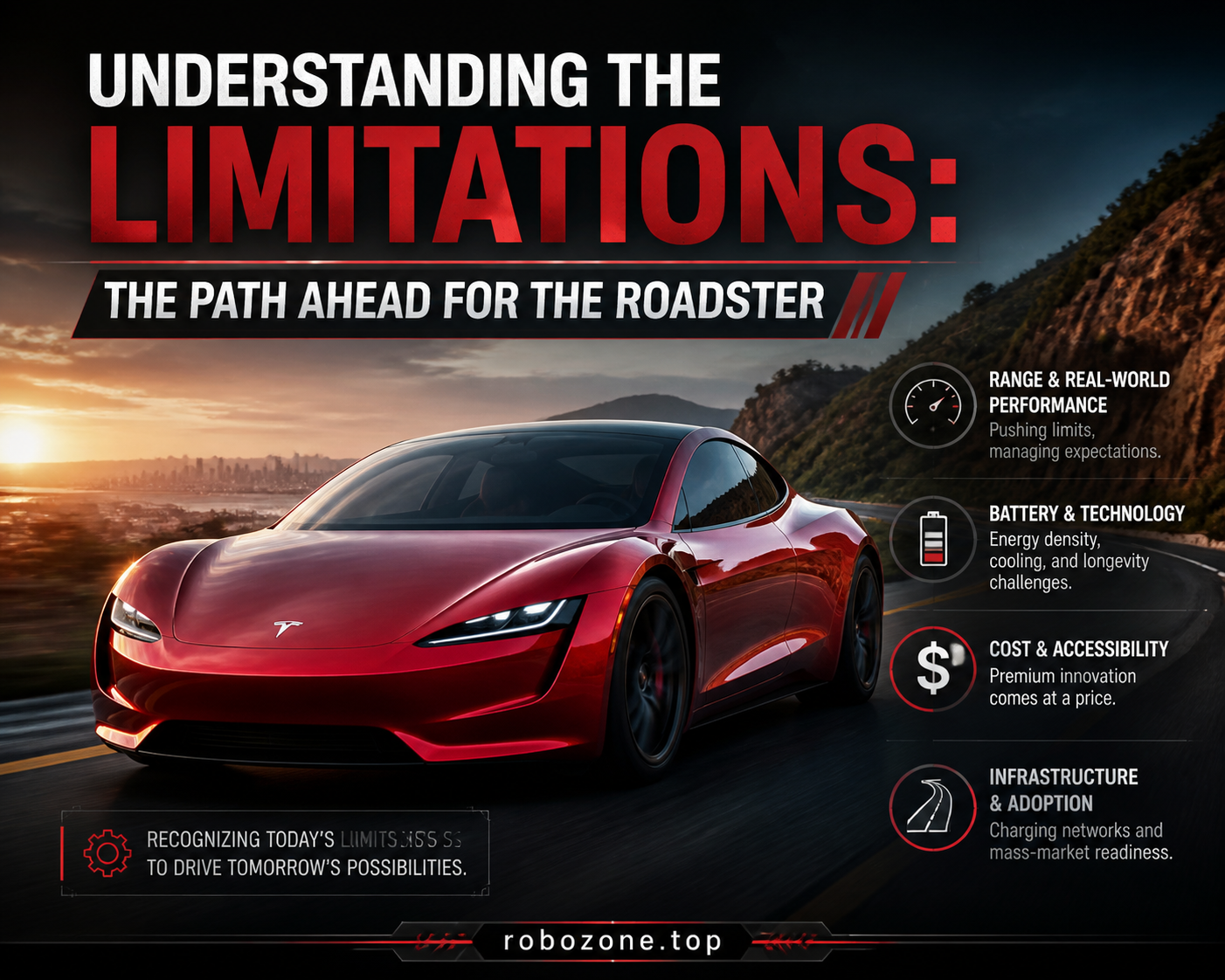
While the Roadster’s proposed integration with SpaceX technology signals bold ambition, several practical challenges need addressing. Regulatory frameworks for vehicular thrusters are in nascent stages, and without the requisite approvals, any theoretical advantage remains largely academic.
Furthermore, the supply chain fraternity plays a critical role in realizing such ambitious projects at scale. From high-performance composite materials to sustainable battery solutions, every link in the chain contributes to the vehicle’s final prowess or its potential delay.
Overall, the Roadster’s journey from a thrilling proposition to a market-ready product requires navigating these uncertainties. The refinement of induced technologies ensures a showcase of innovation rather than a glorified engineering beta-test—a potential bridge for Tesla from concept to industry-standard.
What Next for Tesla and the Roadster: Turning Ambition into Reality
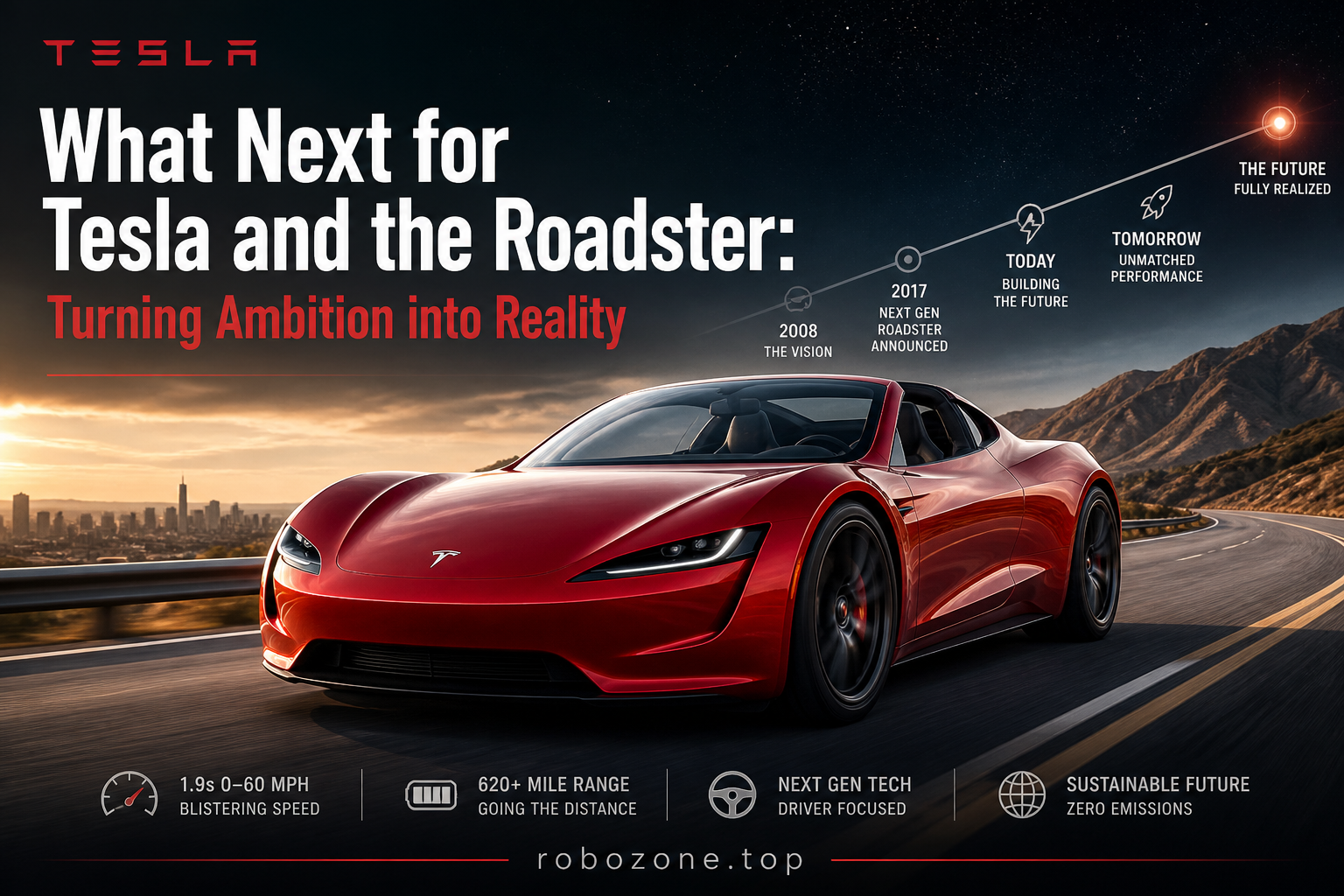
So, where does this leave the Tesla Roadster? Building on Elon Musk’s vision, the Roadster is more than a car; it’s a potential statement piece about the synergies between terrestrial and aerospace technologies. For the Roadster to succeed, however, Tesla must unravel the challenges that accompany cutting-edge innovation.
In the near term, keen observers should monitor regulatory responses to aerospace-infused automotive tech and look for tangible steps from Tesla regarding production timelines and scalable production methods.
The further development of essential infrastructure, such as next-generation charging stations and battery production facilities, will also be crucial in supporting the Roadster’s ambitious promises.
In conclusion, Tesla finds itself at a crossroads of technological potential and market realization. Whether the Roadster fulfills its audacious claims or becomes an inspirational footnote will depend on meticulous execution and a bit of that Muskian magic.
References & Further Reading
- Tesla — Roadster Official Product Page — Manufacturer-published product information and specifications.
- SpaceX Official Site — Insights into aerospace technologies that inspire Tesla’s innovations.
- Reuters — Coverage on Tesla’s upcoming Roadster unveiling and what it signifies for their brand.
- NHTSA — Vehicle safety and regulatory frameworks applicable to novel vehicular technologies.
- Autoweek — Detailed exploration of the Roadster’s rocket technology capabilities and their feasibility.
Admin of RoboZone.top