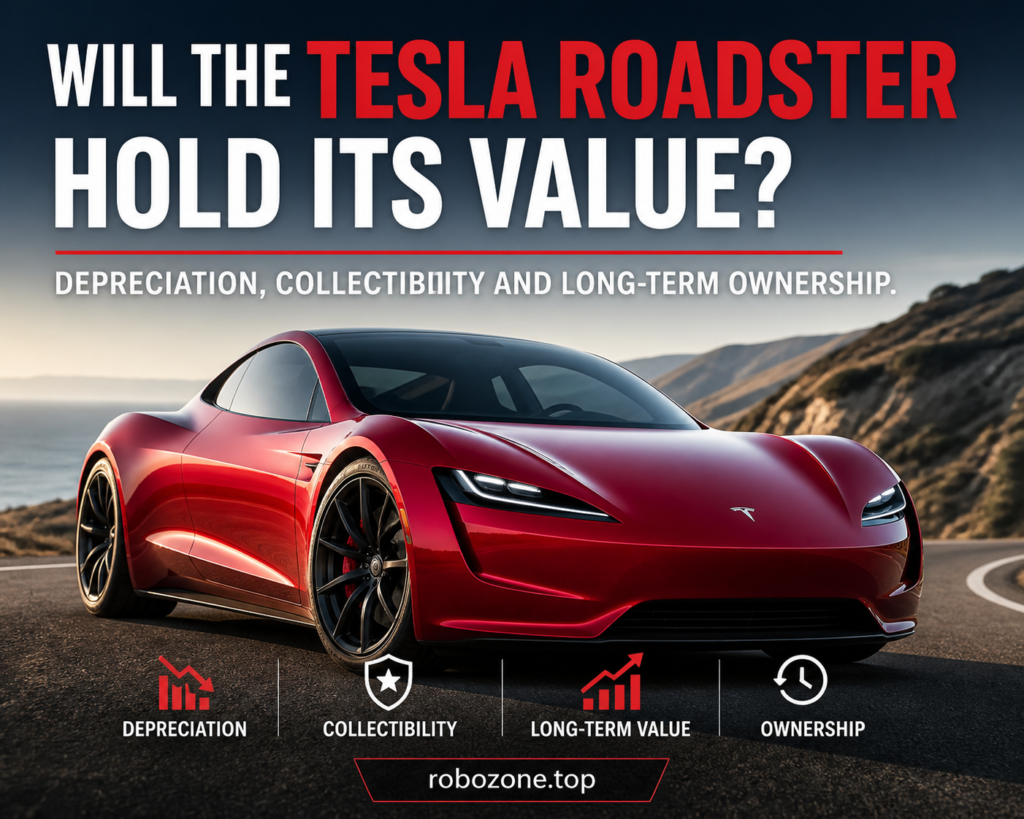
The Enticing Allure of the Tesla Roadster
When Tesla unveiled the revamped Roadster in 2017, it wasn’t just another car reveal; it was a declaration of intent—a promise of what’s possible at the intersection of electric energy and adrenaline-pumping speed. But as we cruise into 2026, one pressing question looms large for enthusiasts and investors alike: Will the Tesla Roadster hold its value over time?
Understanding the Value of Depreciation and Collectibility in the Roadster
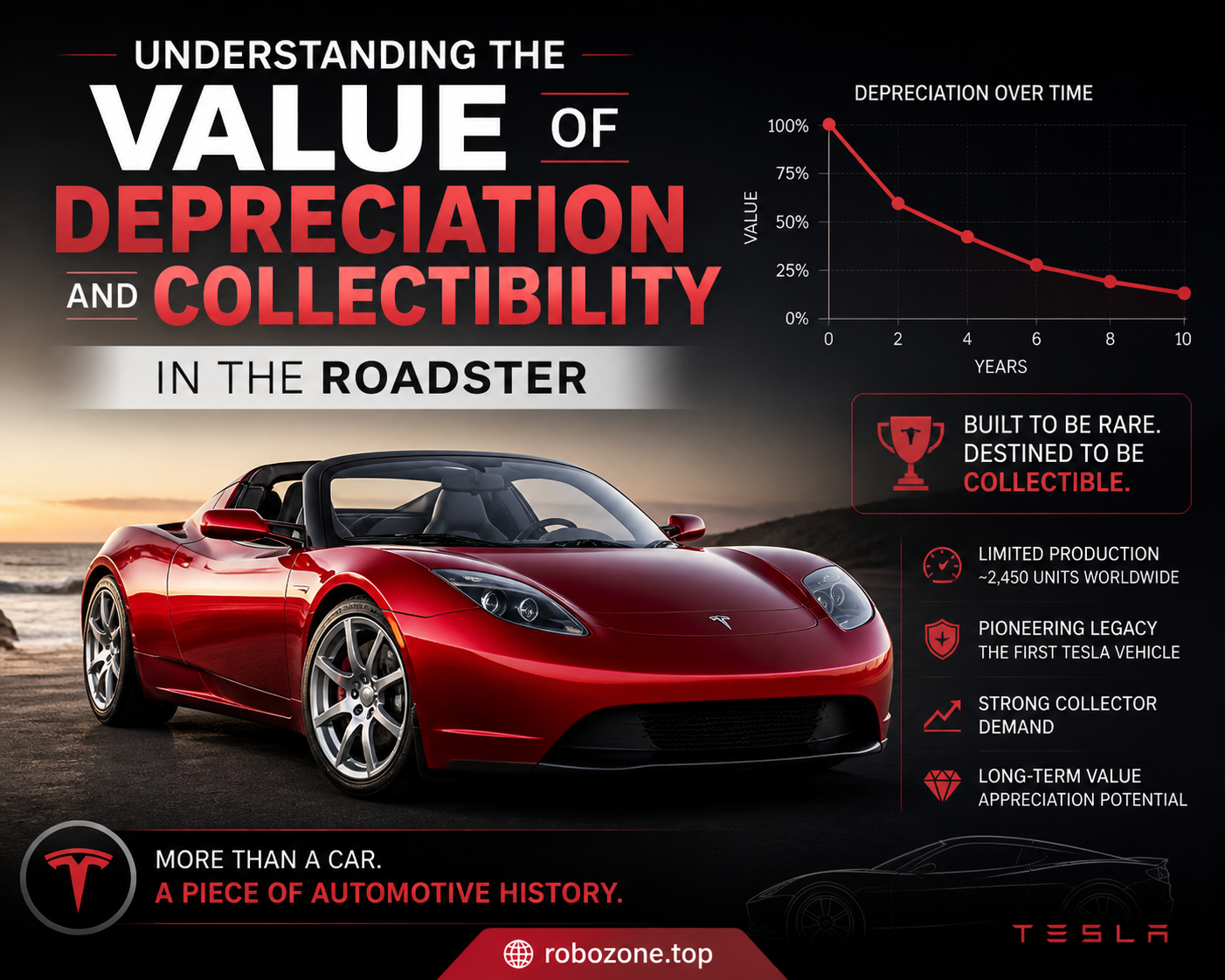
Depreciation and collectibility often dance a fine tango in the automotive world. Unlike your everyday commuter car, limited-production vehicles like the Roadster are shielded by a veil of exclusivity. Their unique blend of technology and design often bestows them with a collectible charm. So, where does the Tesla Roadster fall?
Tesla has managed to carve out a niche market that blends cutting-edge innovation with an air of exclusivity. This phenomenon often results in a slower depreciation curve compared to mass-market vehicles. But it’s essential to consider that while all Teslas tend to depreciate slower than traditional combustion-engine cars, the Roadster, with its promise of unprecedented performance and technology, carries expectations that are anything but ordinary.
A quick dive into historical data reveals the depreciation trends for luxury and performance electric vehicles (EVs). According to a 2025 publication by Car and Driver, Tesla’s vehicles tend to depreciate at around 10% annually—better than many luxury brands. However, the Roadster’s limited production could attract collectors who value rarity, potentially creating a buffer against this trend.
Battery Longevity: The Heart of Long-Term Ownership
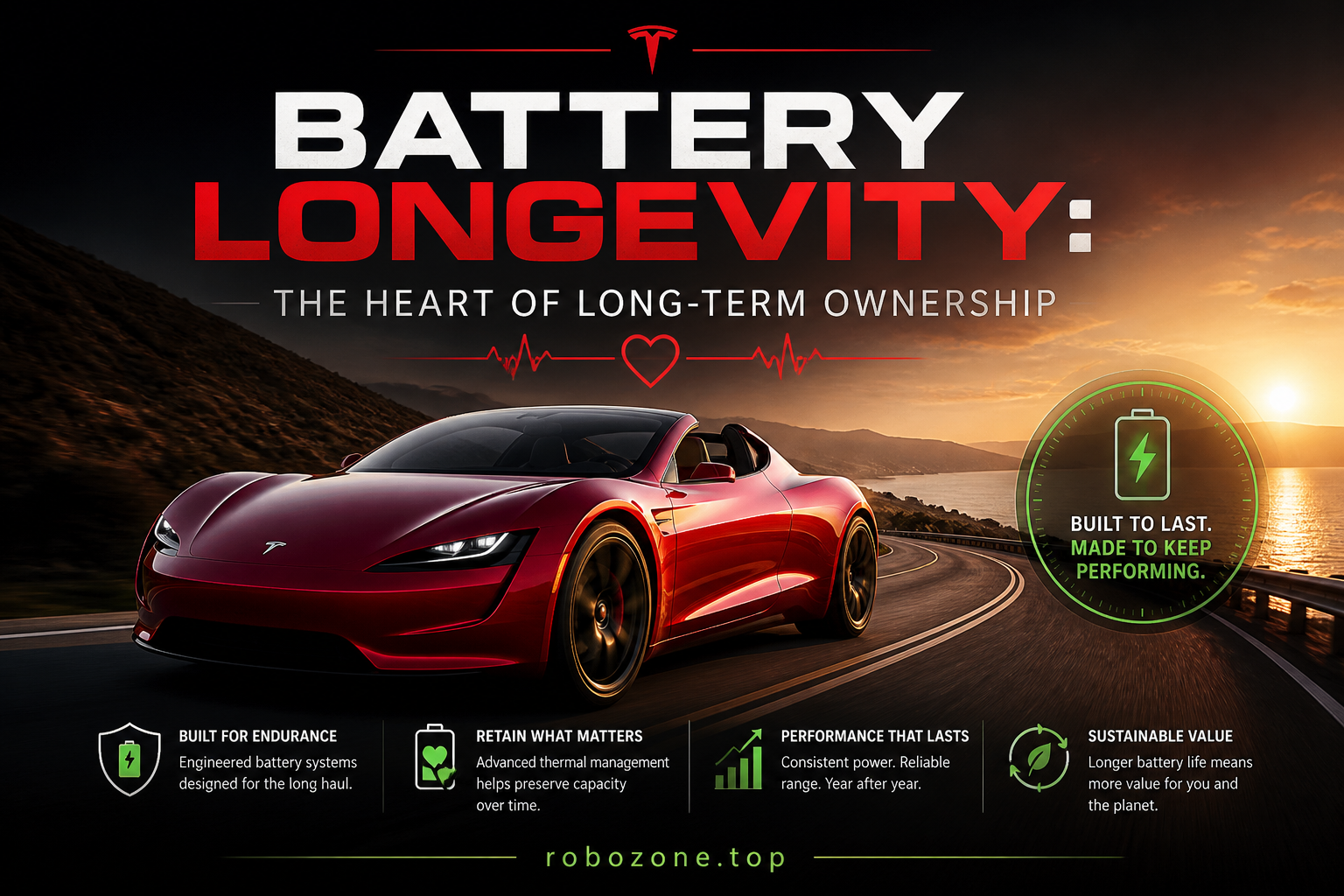
At the core of the Roadster, quite literally, lies its battery. Battery life and health are critical factors in determining the long-term value and feasibility of an electric vehicle. Tesla’s Roadster boasts an impressive projected range thanks to its state-of-the-art battery technology. However, the long-term integrity of these batteries is foundational to its sustained value.
Industry insights suggest that Tesla’s batteries are rated for 300,000 to 500,000 miles, a significant lifespan compared to earlier iterations. The focus on improving energy efficiency and thermal management has been key. However, there remains skepticism about how these batteries will perform a decade down the line, especially when subjected to the intense demands of the Roadster’s power output capabilities.
The introduction of scalable battery innovations like solid-state technology is anticipated in the coming years, promising higher density and lower degradation rates. For a collector or long-term owner of a Roadster, such advancements could redefine battery replacement dynamics and costs, further affecting the vehicle’s value proposition over time.
The Challenge of Repairs and Service
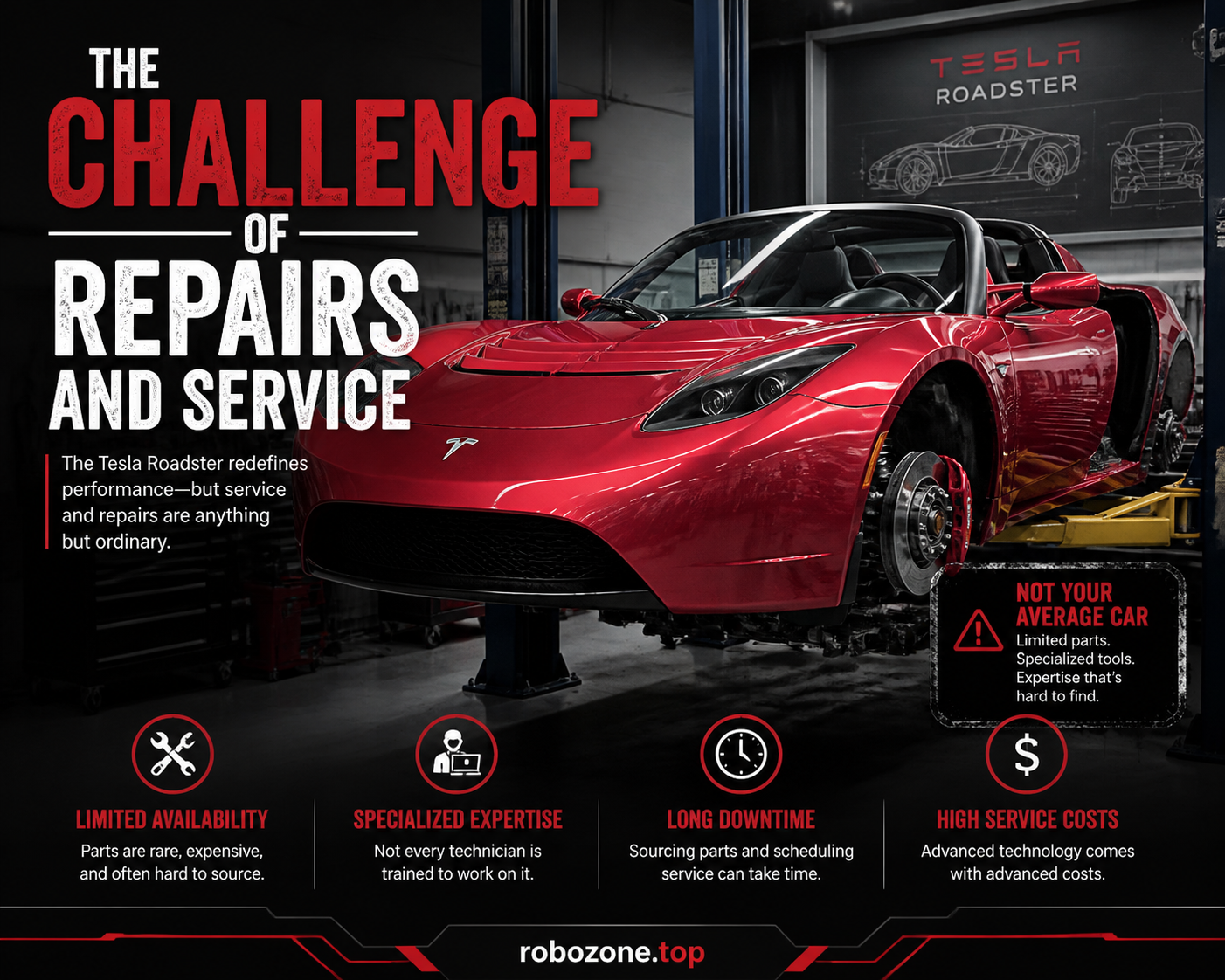
Let’s face it, repairing a high-performance EV like the Tesla Roadster isn’t quite the walk in the park. The complexity of its electric powertrain, combined with advanced materials and proprietary technology, creates unique challenges in the repair landscape.
While Tesla has expanded its service network, the specialized nature of the Roadster means that only a handful of their facilities are equipped to handle its intricacies. Parts availability, repair time, and the cost of specialized labor can turn the simplest repair into a time-consuming endeavor, impacting the vehicle’s value and desirability among current and potential owners.
Yet, optimism isn’t entirely misplaced. Tesla’s over-the-air updates and an increasingly robust service infrastructure promise to simplify some aspects of maintenance, albeit the question of the company’s capacity to fulfill the burgeoning demand for specialized attention remains open-ended as the Roadster rolls into its production phase.
The Roadster’s Place in History: Delivery Timelines and Market Insatiability
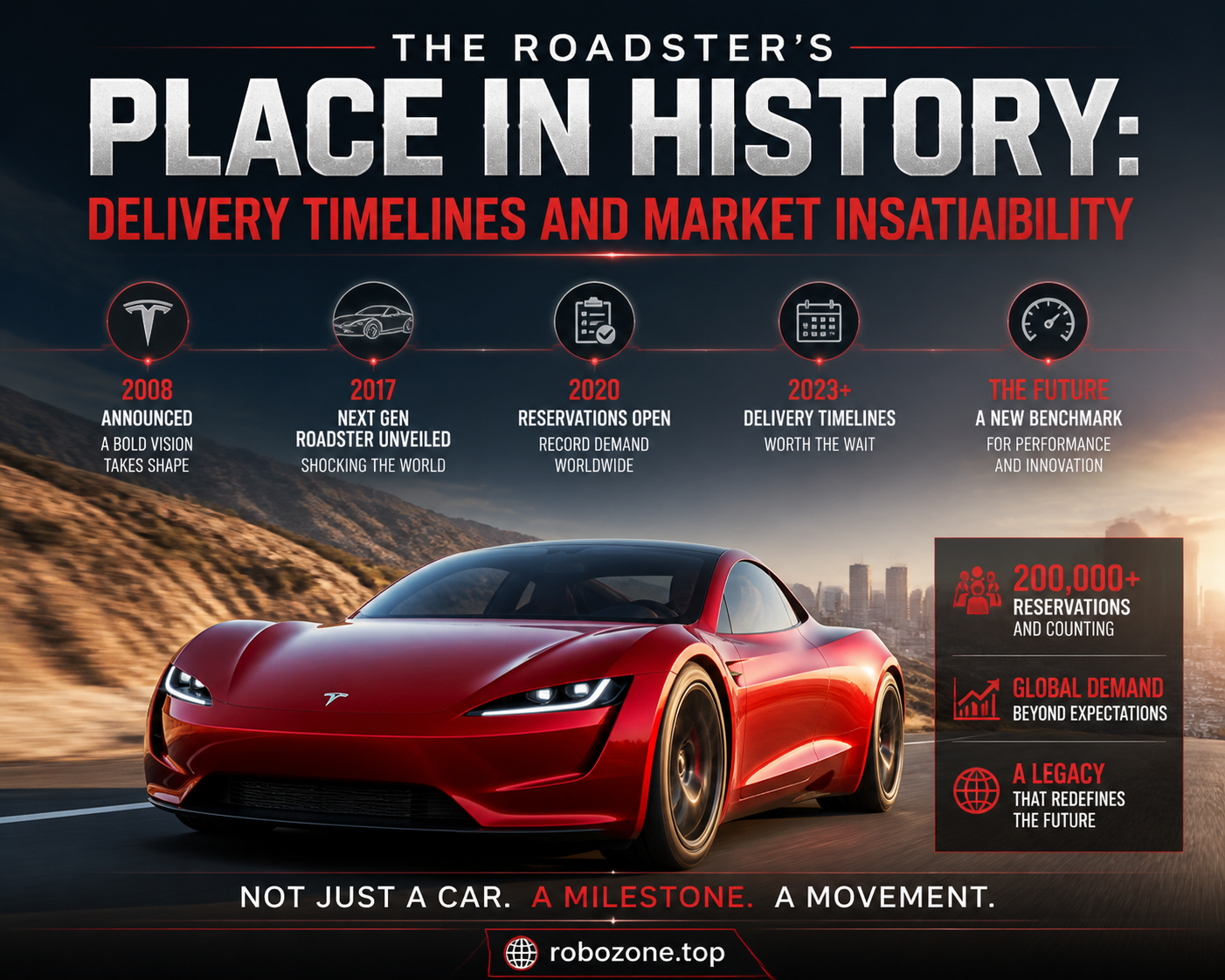
The Roadster saga has been as much about chronology as capability. Ever since its reveal in 2017, it’s been a long road peppered with achievable ambition and wary skepticism. Originally slated for rollouts starting in 2020, production models have yet to flood the streets, leading to unending curiosity and anticipatory fervor.
As of late 2026, Tesla maintains that production is gearing up for scale. However, substantial pre-orders indicate a market hungry for what Tesla describes as ‘the quickest car in the world.’ But delays and shifting timelines cast shadows on the broader economic rationale underpinning these projections.
For enthusiasts like RoboZone.top’s own Thomas Huynh, stories of missed deadlines intensify the mystique while simultaneously reinforcing concerns about Tesla’s ability to deliver. Investors and consumers are watching closely, as the delivery history will set the tone not only for future resale values but also for Tesla’s manufacturing credence.
Future Orations: What to Expect in the Electric Performance Sector
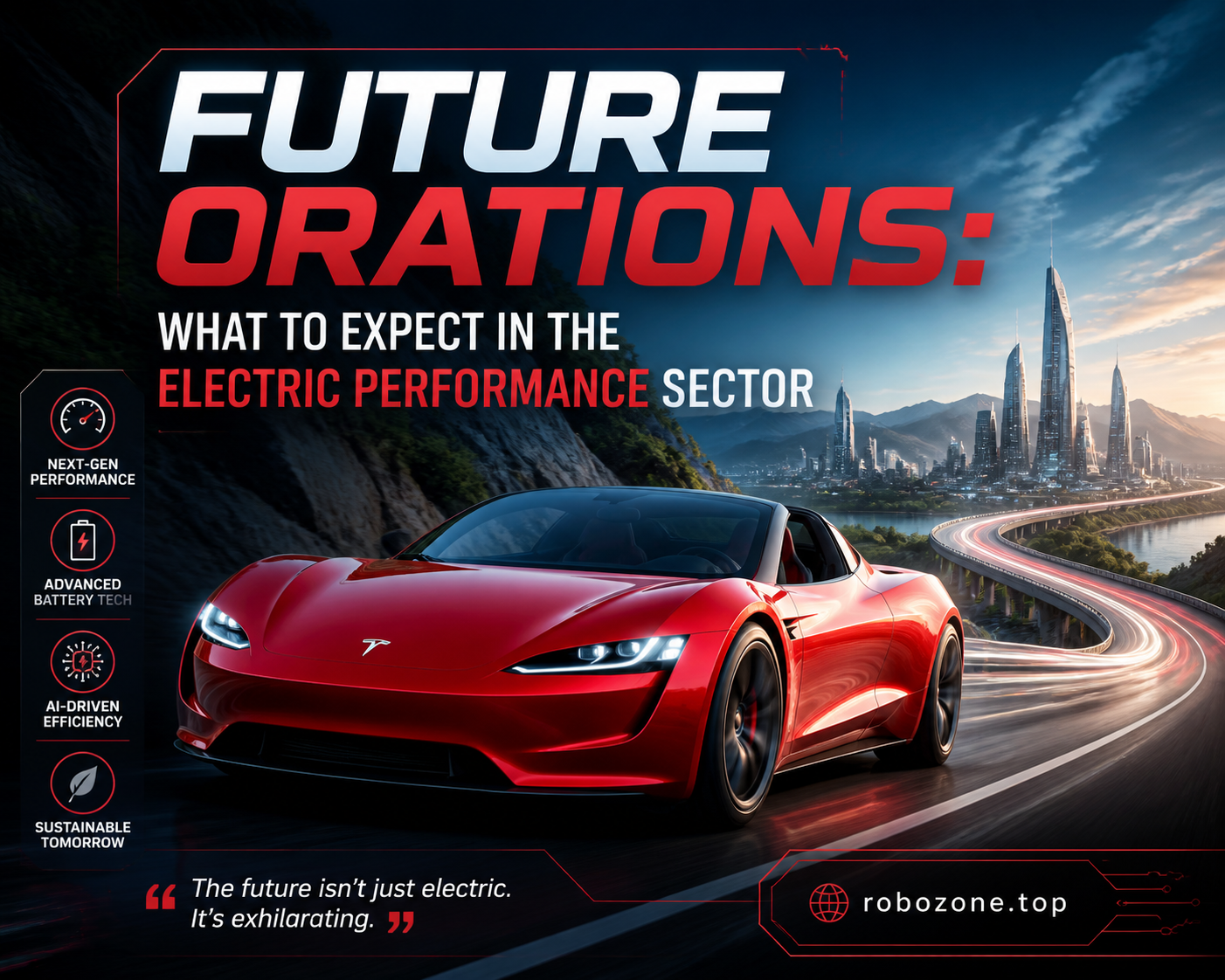
Eventually, all roads lead to tomorrow. As Tesla’s competitors like Rimac and Lucid electrify the high-performance market, the electric supercar arms race doesn’t just promise breathtaking speeds and exotic designs—it underscores an economic and technological revolution.
The Roadster must navigate a tightrope between Tesla’s visionary ethos and the immutable laws of manufacturing and market economics. The challenge lies in transforming electrifying headlines into tangible, sustained market presence.
For long-term owners and investors, staying attuned to Tesla’s production milestones, battery innovations, regulatory developments, and market dynamics will be paramount. Indeed, the future of the Roadster, with its fusion of sleek aesthetics and bleeding-edge dynamics, is still being scripted. Stay tuned, as this saga is far from over.
So What Happens Next for the Tesla Roadster?
The Tesla Roadster stands as a symbol of what’s possible when technology harnesses ambition to redefine driving experiences. But the real intrigue lies in its potential to sustain its value through collectibility, technological endurance, and savvy market positioning.
Consumers, investors, and technologists must keep an ear to the ground for Tesla’s upcoming strategic moves. Will they resolve supply chain challenges? Advance in battery technology? Meet their production timelines? These are the real questions that, when answered, will add new chapters to the Roadster’s legacy.
The interplay between ambition and execution promises to redefine not just the Roadster’s fate but the roadmap of electric supercars themselves. As we look forward, the shining jewel in Tesla’s electric crown may spark envy and admiration long after its first owner takes the wheel. For now, the baton passes to time, leaving us wondering what the Roadster will truly become—a legendary classic or a hopeful promise?