
Electrifying the roar of high-octane engines, the world of electric performance cars has shifted into high gear as the Tesla Roadster, Rimac Nevera, and Porsche Taycan Turbo GT vye for supremacy. Each vehicle not only promises breathtaking speed and techno-sophistication but also heralds a new era of green performance where the future is as silent as it is swift. In this article, we dissect the electrifying battles among these three engineering marvels to answer the pressing question for every automobile enthusiast and eco-conscious consumer: Which electric performance car truly reigns supreme?
The Rise of Electric Performance Cars
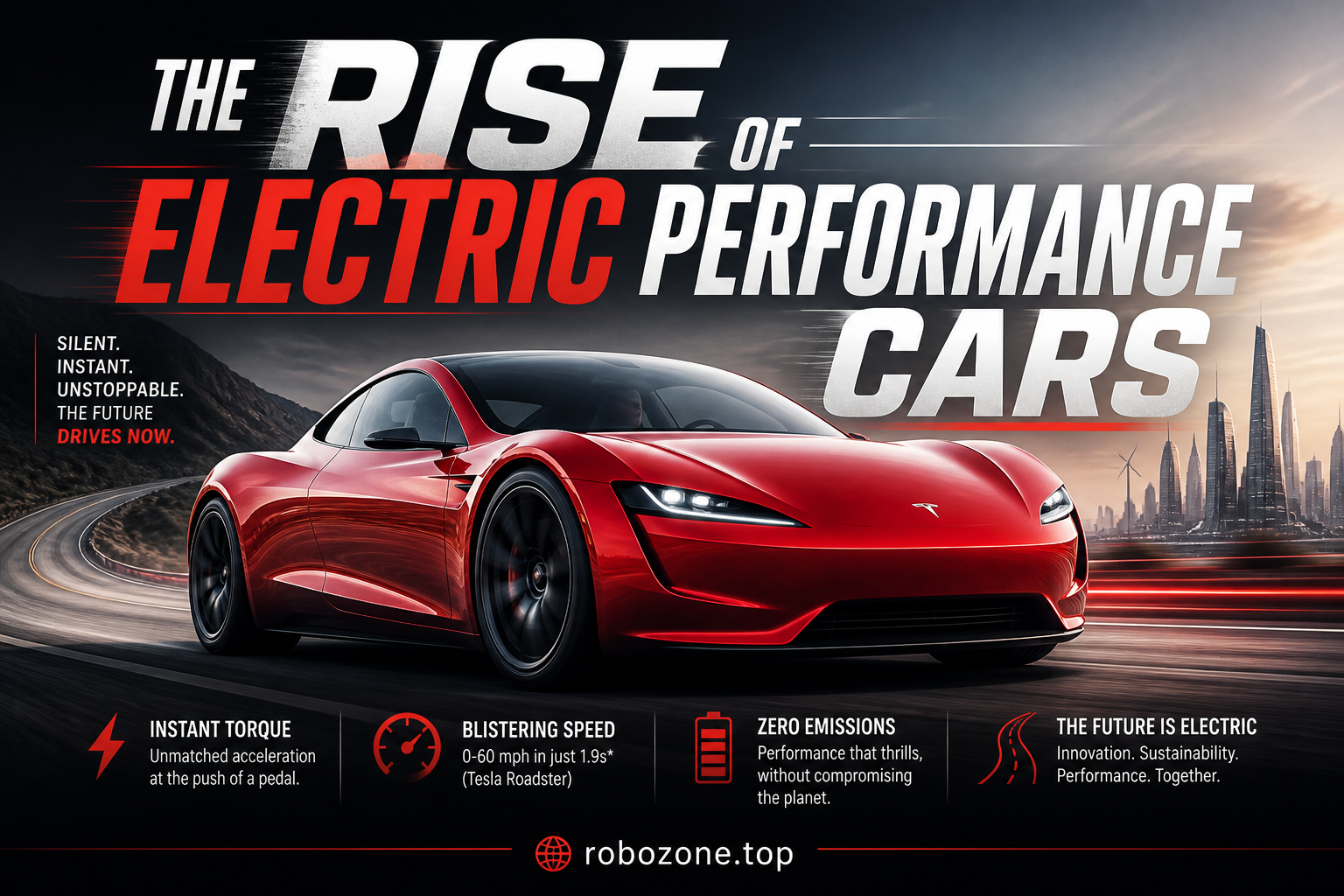
The advent of electric vehicles has challenged traditional notions of performance and luxury in the automotive world. With environmental demands rising, manufacturers like Tesla, Rimac, and Porsche have been compelled to step beyond the confines of conventional engineering and reimagine what an electric vehicle can achieve.
Traditional performance metrics such as acceleration, top speed, and handling have been reinterpreted through the lens of electrical architecture. These vehicles are more than just means of transportation; they represent technological showcases that spur curiosity and innovation, even among skeptics.
The TESLA Roadster, which first took the world by storm with its audacious claims at its 2017 unveiling, represents Tesla’s enduring ambition to dominate speed with sustainability. The Rimac Nevera presents a Croatian marvel endowed with substantial power and exclusivity, while the Porsche Taycan Turbo GT combines time-honored German engineering precision with modern electrification.
Performance Metrics: Accelerating Beyond Expectations
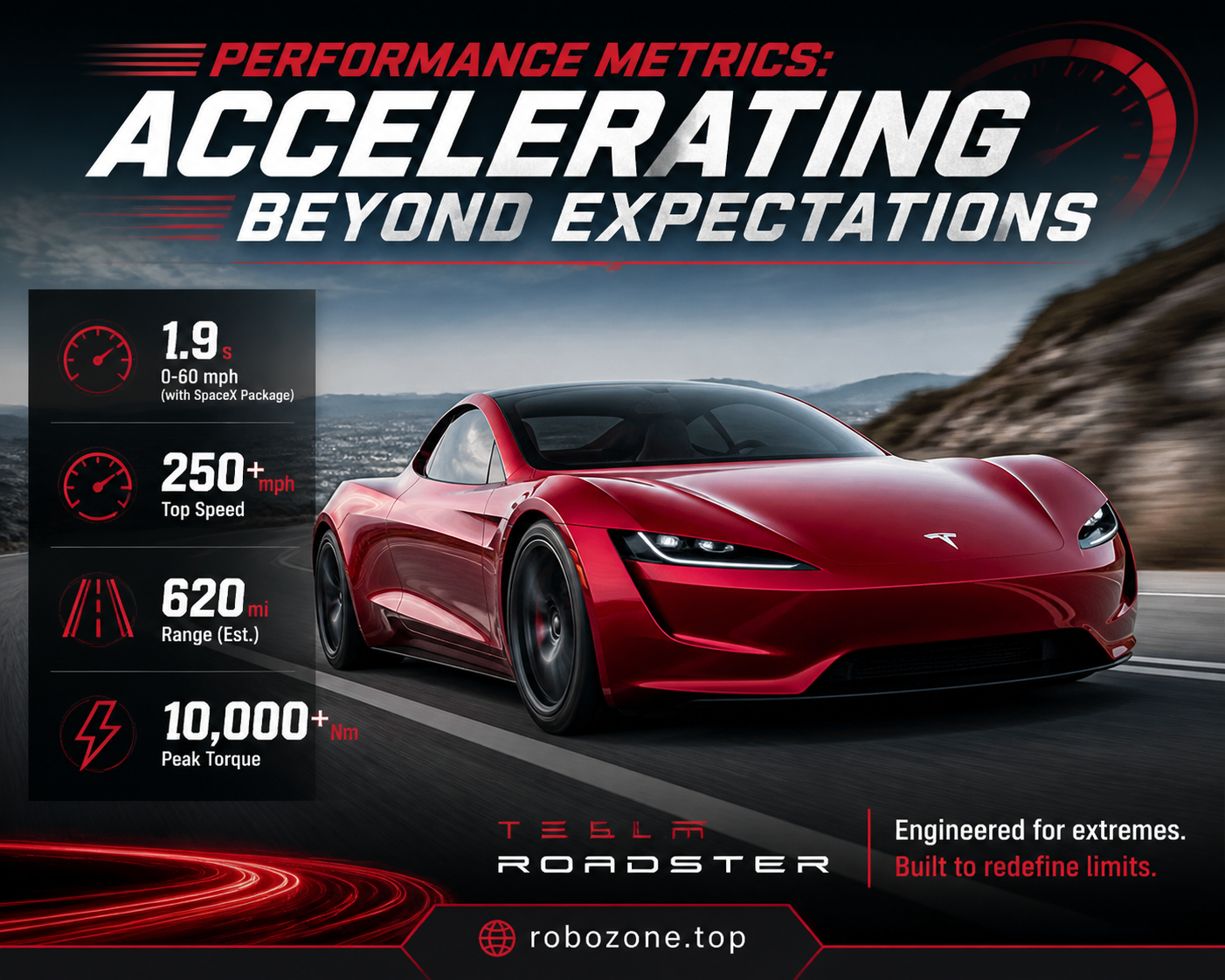
In the world of performance cars, acceleration remains a defining benchmark. The Tesla Roadster, according to official company claims, boasts a mind-boggling acceleration of 0-60 mph in just 1.9 seconds—thanks in part to rumors of a SpaceX thruster package. However, most industry experts, including those at Car and Driver, have cautioned about the need for verified tests to confirm these jaw-dropping figures.
The Rimac Nevera doesn’t lag; it silences doubters with independently verified achievements—a 0-60 mph in just about 1.85 seconds, drawing on a four-motor setup that churns out 1914 horsepower. On the other hand, Porsche Taycan Turbo GT offers a 0-60 mph of 2.5 seconds. While marginally slower, it excels in delivering consistent performance even during sustained high-speed runs—a testament to its robust engineering.
The quarter-mile times further illustrate the narrative, with all three contenders clocking sub-10-second performances, emphasizing that electric cars are no longer just efficient, but exhilarating.
Price and Market Positioning
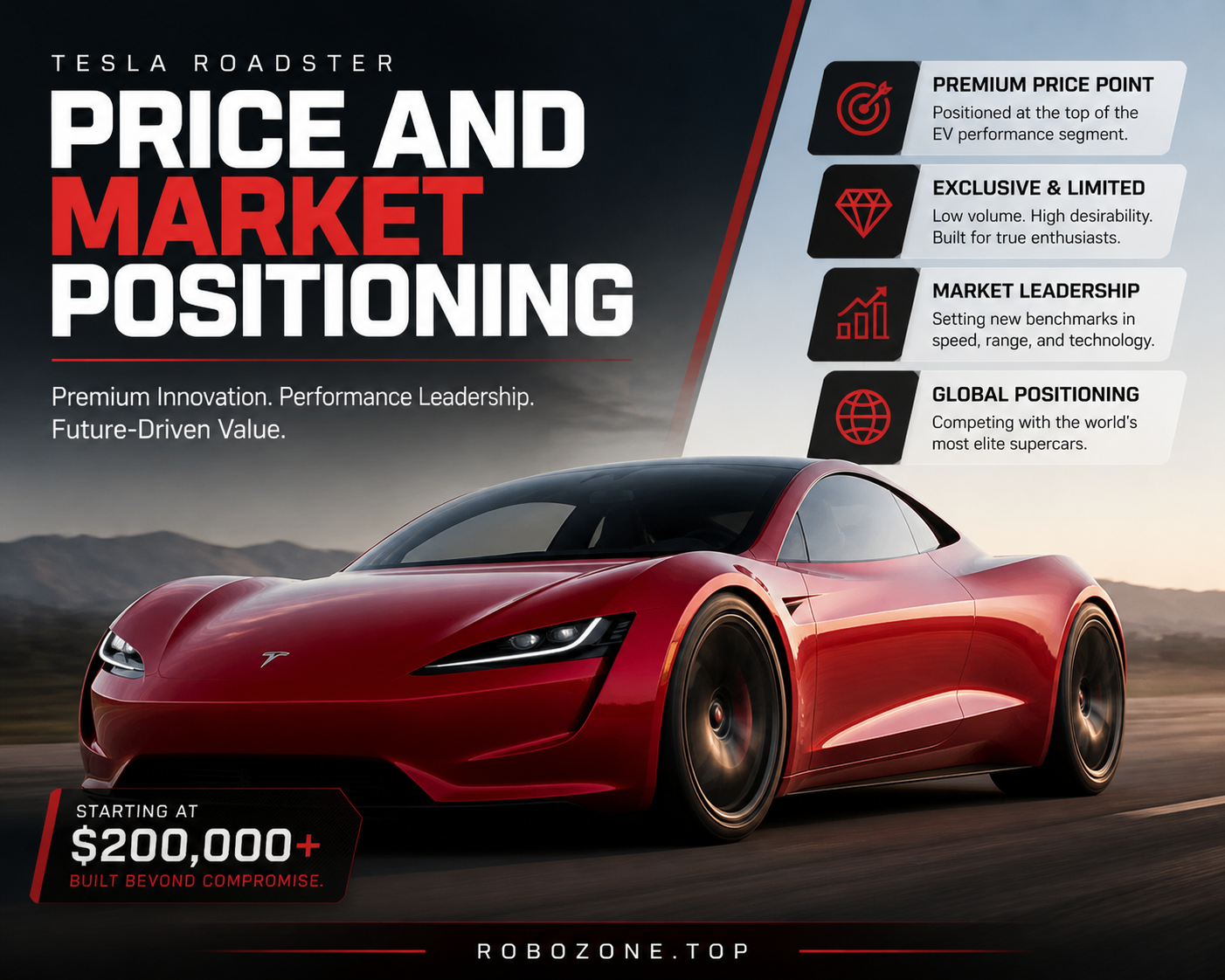
The costs associated with these electrifying beasts set them firmly in the realm of luxury. Tesla’s Roadster has been speculated to start at around $200,000, making it marginally more accessible than the Rimac Nevera, whose price tag extends beyond $2 million. Alongside these, the Porsche Taycan Turbo GT can be considered a relative bargain, with stickers running just over $185,000.
Despite their premium pricing, these cars represent flagship models intended to validate electric propulsion’s performance credentials, rather than mass-market vehicles. They’re symbols of achievement in a niche market where technology meets the elegance and extravagance consumers demand in this bracket.
These prices not only reflect the cars’ engineering marvels but also the economic statements about where each manufacturer sees the premium electric vehicle segment heading—where Tesla wants to democratize speed, Rimac seeks exclusivity, and Porsche blends tradition with innovation.
Range and Everyday Usability
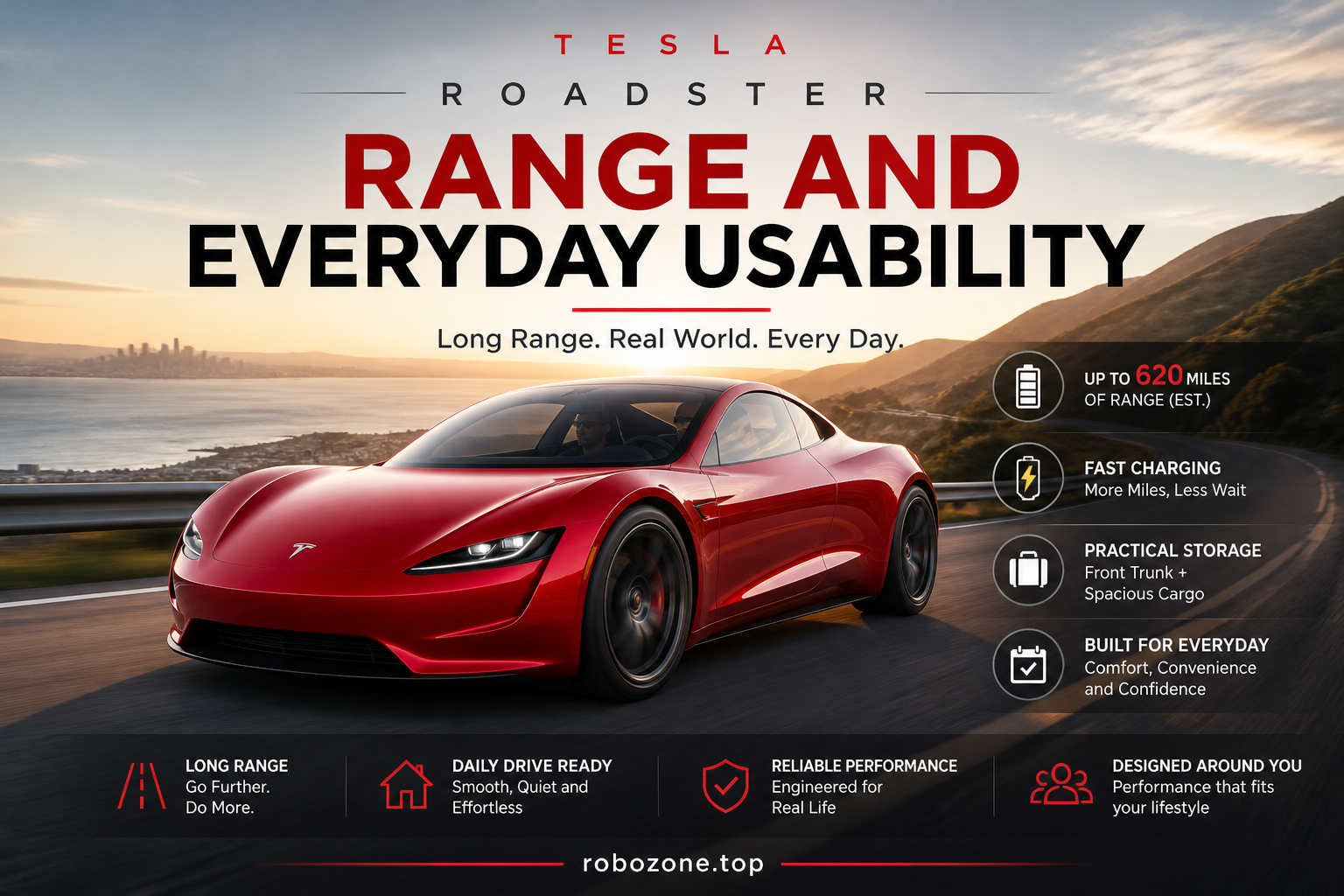
Range anxiety, a prevalent issue in EV adoption discussions, is minimised among these electric superheroes. Tesla claims a range nearing 620 miles on a single charge, though such figures remain speculative and await real-world testing.
In comparison, Rimac’s Nevera offers a range of up to 340 miles, according to European WLTP standards, which already accounts for its mighty power usage. Porsche’s Taycan Turbo GT, meanwhile, provides a practical range of around 250 miles, designed to balance performance with usability.
Real-world usability was crucial for Porsche, ensuring comfort and technology embrace drivers, letting them enjoy the machine not only as a track weapon but a daily driver. Tesla’s ambitious range claims, if realized, would essentially recalibrate expectations for EV usability. Rimac’s emphasis, however, remains more on the thrill and luxury, befitting its posh classification.
Engineering and Technical Insights
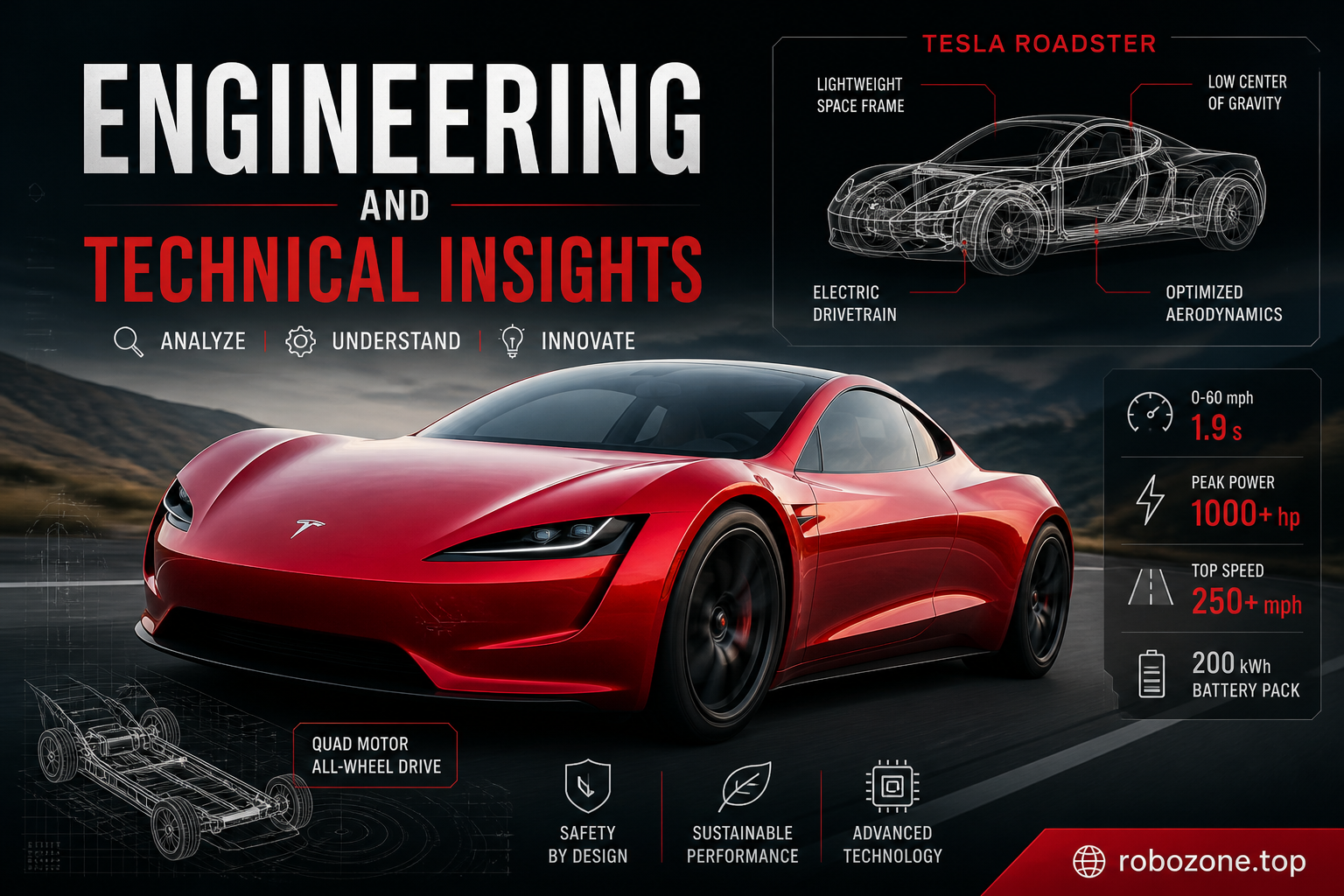
The engineering prowess behind each of these vehicles underpins their astounding claims. Tesla’s mention of rocket technology imbues a sense of futuristic excitement, potentially utilizing cold-gas thrusters for peak performance bursts—a controversial topic in the auto industry.
The Rimac Nevera relies heavily on bespoke in-house battery technology, packing a 120 kWh battery designed to deliver punchy performance without an immediate thermal compromise—an engineering feat that has earned Rimac accolades across automotive spheres.
Porsche’s Taycan, the flagship of performance and practicality, impresses with its innovative 800-volt battery technology, improving charging speeds without sacrificing capability or safety—a technology edge rooted in precision engineering.
Manufacturing Realities vs. Ambitions
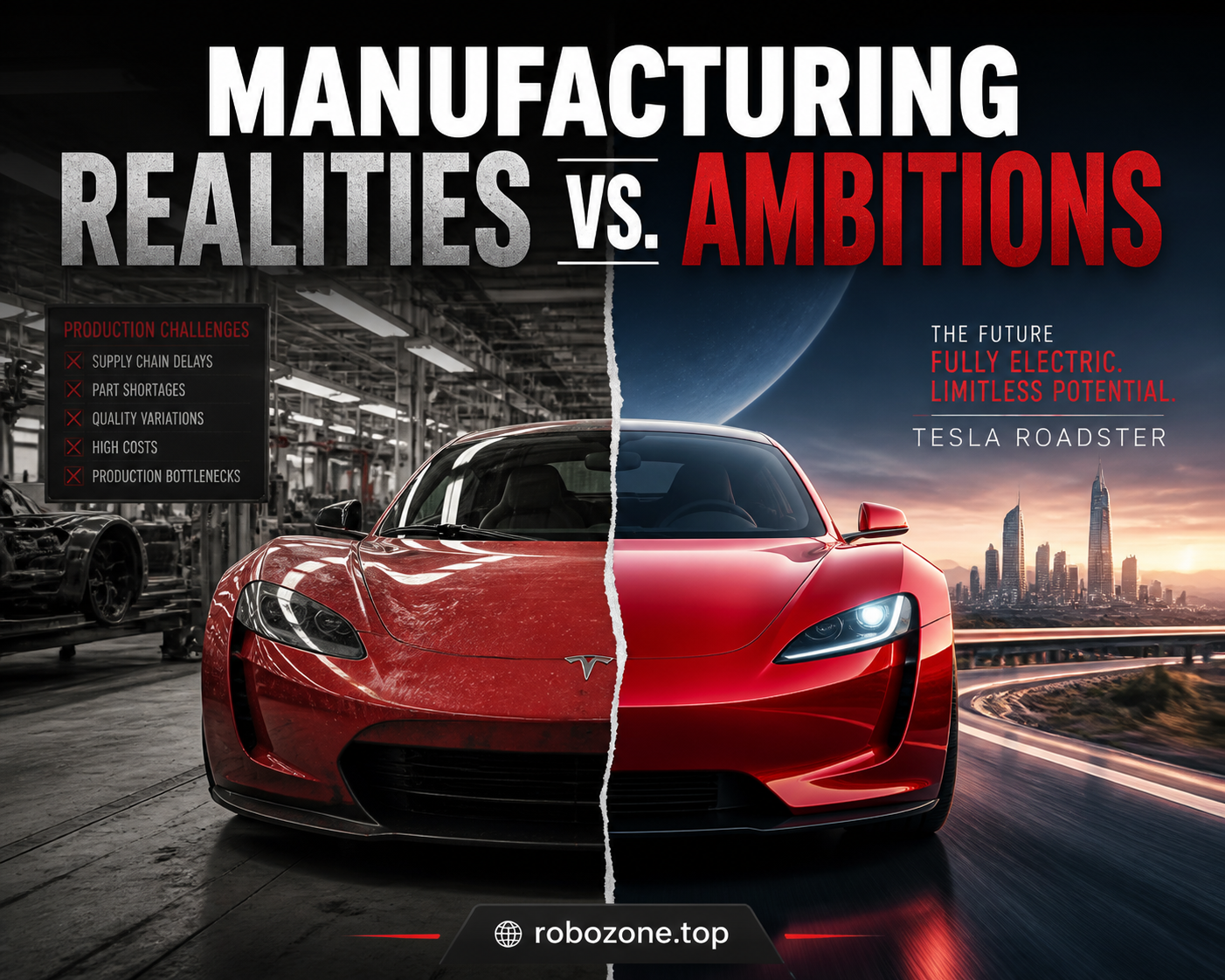
Tesla’s track record of ambitious unveilings often diverges from manufacturing timelines. Although the Roadster’s production has experienced numerous delays, Tesla CEO Elon Musk maintains his vision of delivery soon. The Roadster, once a novelty, now represents a challenge to produce at scale while ensuring the quality befitting its specifications.
Rimac, on the other hand, thrives in low-volume production, focusing on meticulously crafted vehicles that capture exclusivity and bespoke quality. Porsche’s manufacturing expertise illustrates a different narrative, balancing high-volume output with cutting-edge technology—a feat reflective of its historical prowess in automotive engineering.
Craftsmanship and Reliability
Attention to detail across these models is paramount, as these cars are more than metal and circuits; they’re expressions of meticulous craftsmanship and engineering daring.
Tesla’s Roadster, with its sleek design, continues to raise expectations for quality in what remains a speculative consumer product. Rimac’s Nevera is a testament to tailored luxury, boasting handcrafted touches and attention to every aesthetic and dynamic detail.
Porsche’s Taycan brings forth a sense of reliability ingrained in its brand ethos—precision tuning, exhaustive testing, and quality assurance result in a driving experience consistent with the marque’s reputation.
Where Ambition Meets the Real World
As the automotive industry accelerates towards an electric future, Tesla Roadster, Rimac Nevera, and Porsche Taycan Turbo GT stand as luminous beacons of innovation and ambition—each with its distinguishing attributes.
The real contest goes beyond the speedometer, seeking to reconcile ambition with practicality in a buyer’s everyday reality. Consumers should remain vigilant of independently validated performance metrics, production timelines, and emerging technological advances to make informed decisions in this competitive, fast-evolving arena.
Ultimately, whether these vehicles fulfill their promises lies not only in engineering excellence but in bridging the gap between audacious vision and sustainable reality—a journey we continue to watch with anticipation.
References and Further Reading
- Tesla — Roadster Official Product Page
- Rimac Automobili — Nevera Product Information
- Porsche — Taycan Turbo GT Details
- Car and Driver
- Top Gear
- Reuters
- The Verge
Admin of RoboZone.top