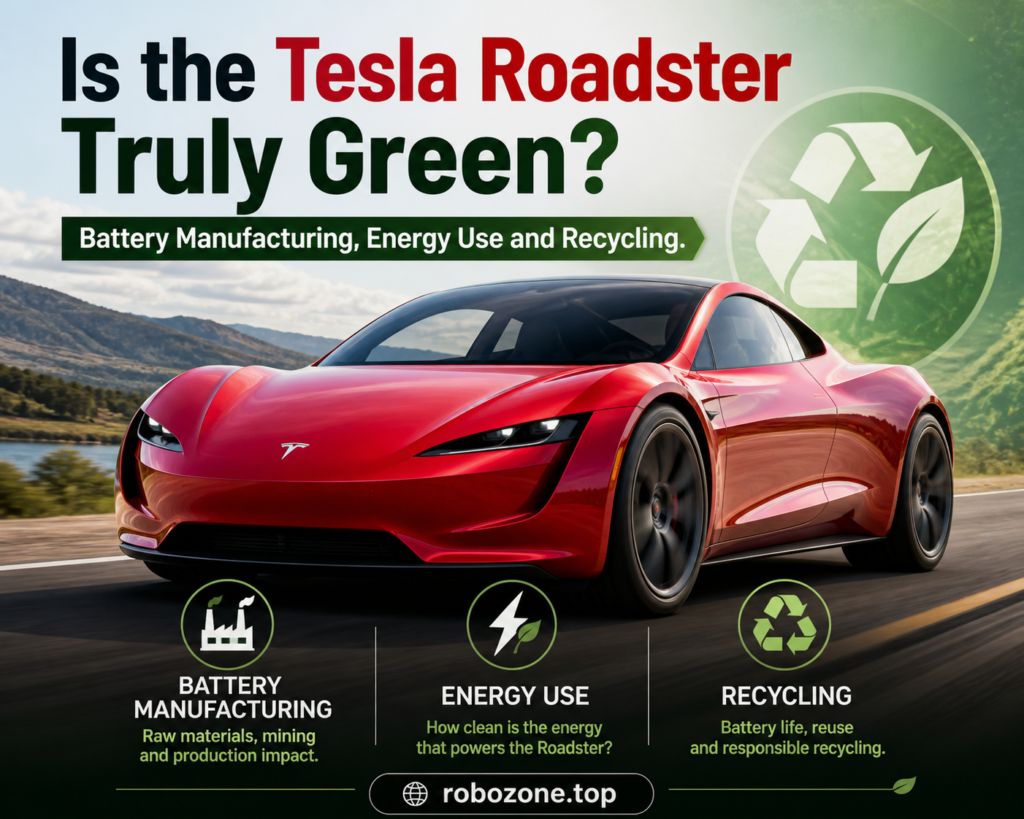
The Tesla Roadster pulls the heartstrings of every automotive enthusiast with its promises of exhilarating speed and cutting-edge technology. But beneath its sleek exterior and thrilling performance lies a more profound question that sways the conscience of the environmentally conscious: Is the Tesla Roadster truly green? This inquiry dives into the lifecycle emissions of its materials, battery production, energy consumption, usage, and recycling — standing it side by side with its gasoline-fueled counterparts through lifecycle research studies. To answer this, we will explore the science behind the Roadster’s green promises and place them within the broader mosaic of automotive sustainability.
Unveiling the Tesla Roadster: Innovation and Promise
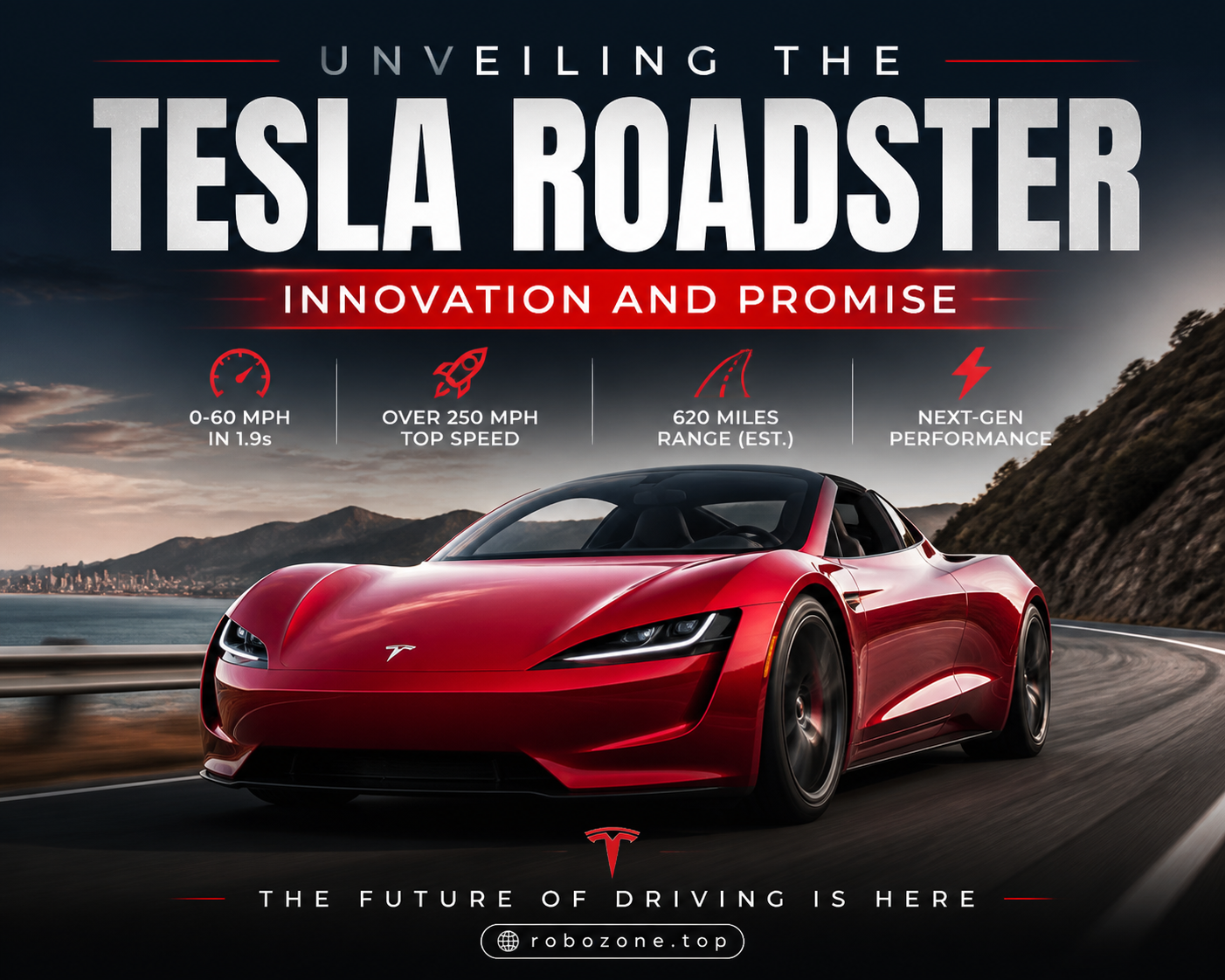
When Tesla first unveiled the Roadster, it was more than just a car; it was a statement. An ambitious vision that bet on technology to redefine performance and sustainability. Initially introduced in 2008 as Tesla’s first production model, the Roadster set the pace for what electric vehicles (EVs) might achieve if given enough technological creativity and commercial faith.
The most recent version of the Roadster, previewed in a tantalizing 2017 announcement, is speculated to reach adrenaline-pumping speeds. Tesla claims the Roadster can rocket from zero to 60 mph in a mind-blowing 1.9 seconds and boasts a range exceeding 600 miles. Such figures surpass the performance benchmarks of traditional gasoline hypercars and hold the promise of both excitement and substantial environmental benefits.
However, as reported by The New York Times, the path from concept to delivery is fraught with complexities. Production has been delayed, with hopeful enthusiasts and investors eagerly waiting for the curtain to rise on these jaw-dropping performance claims.
The Lifecycle Emissions Conundrum
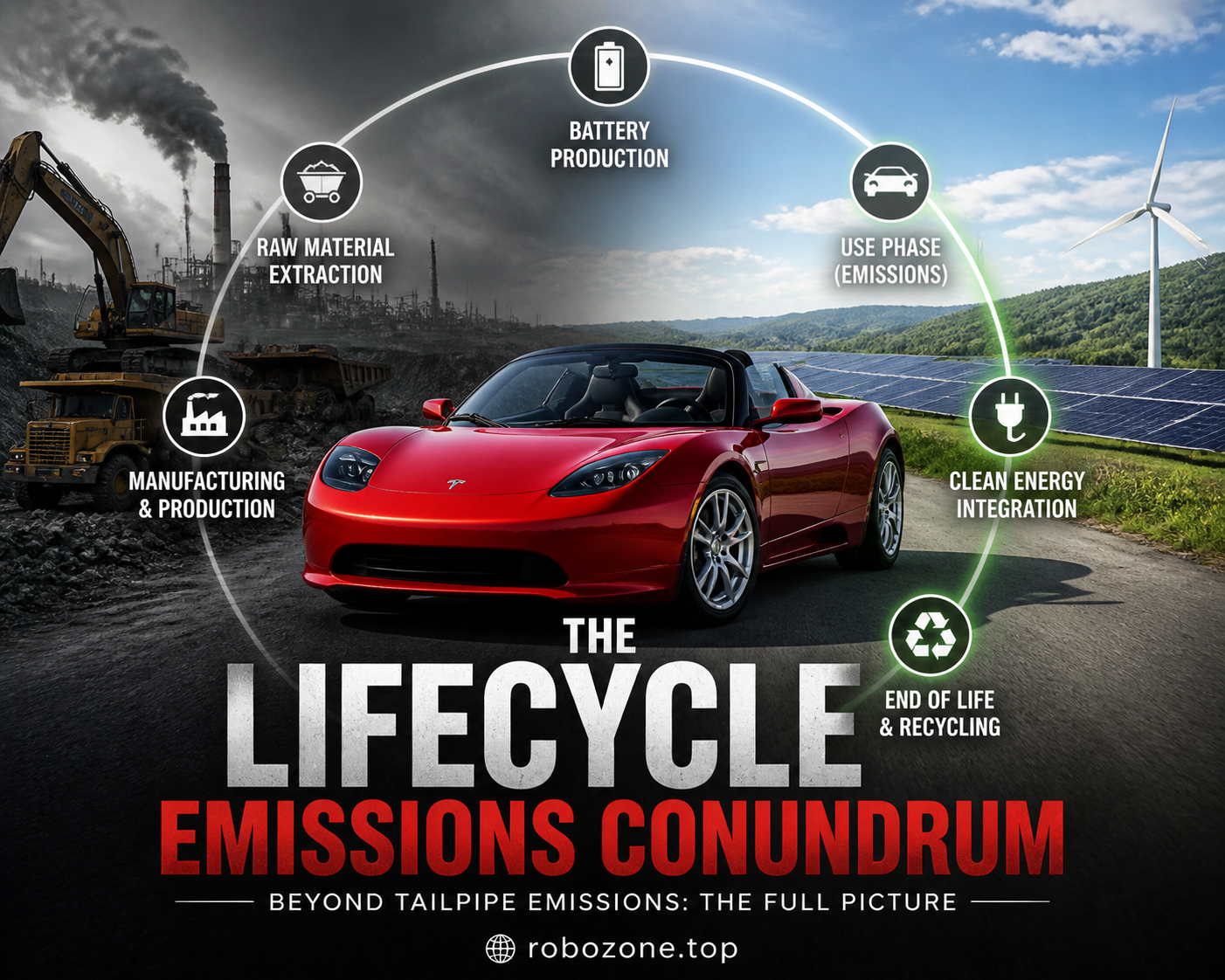
Assessing the green credentials of the Tesla Roadster begins with understanding the full spectrum of lifecycle emissions. Here’s where our inquiry meets the first challenge: the emissions related to raw material extraction, particularly for the battery.
Batteries – the heart of any EV – are resource-intensive to manufacture. According to a report by the International Energy Agency, mining for lithium, cobalt, and nickel can generate significant greenhouse gases. Unlike gasoline vehicles, where emissions predominantly occur at the tailpipe, electric vehicles like the Tesla Roadster shift the environmental burden upstream to the energy and resources needed for battery production.
But let’s not forget: there’s a balancing act here. The lifecycle emissions of gasoline supercars are also hefty, stemming from heavy reliance on fossil-fuel combustion. While transparency and precision in the comparative analysis are essential, it is this complex interplay between manufacturing emissions and end-use efficiency that demands our scrutiny.
Battery Manufacturing: Two Sides of the Coin
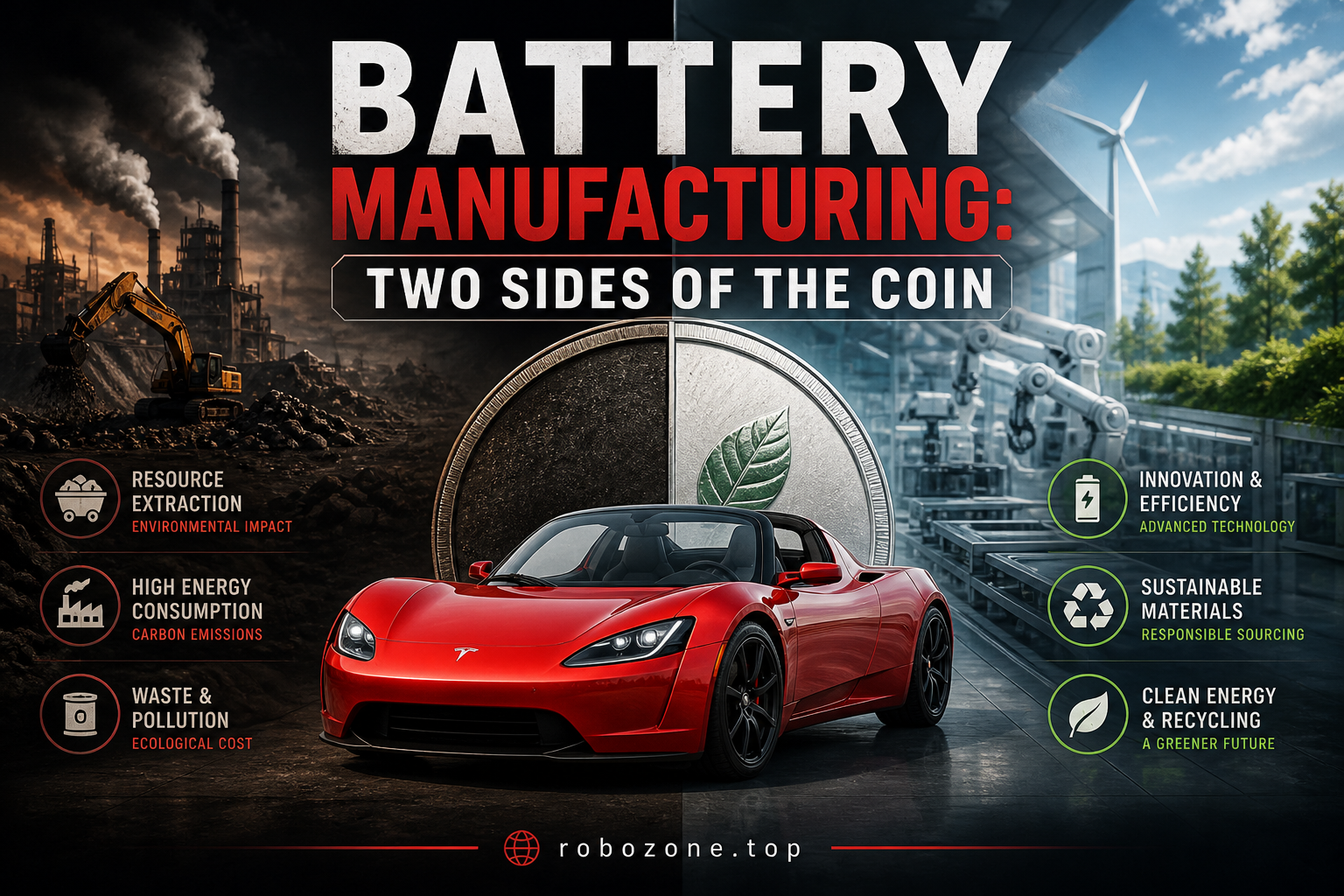
The Tesla Roadster’s massive battery pack can channel immense power but also incurs environmental costs in its manufacture. The process involves significant energy use and emissions, as indicated in research from the U.S. Department of Energy.
On the other hand, the energy density metrics of these batteries — how much energy they store versus their weight and size — are setting new industry standards, as noted by The New York Times. This improvement may enhance efficiency and magnify the renewable energy benefits as electrical grids worldwide transition to greener sources.
Nevertheless, there’s hope on the horizon. Technological advances in battery recycling and second-use applications are emerging. For instance, end-of-life batteries could be used for grid storage applications, mitigating the lifecycle impact by extending the utility of the materials involved.
Comparative Studies: Supercars Burning Bright?
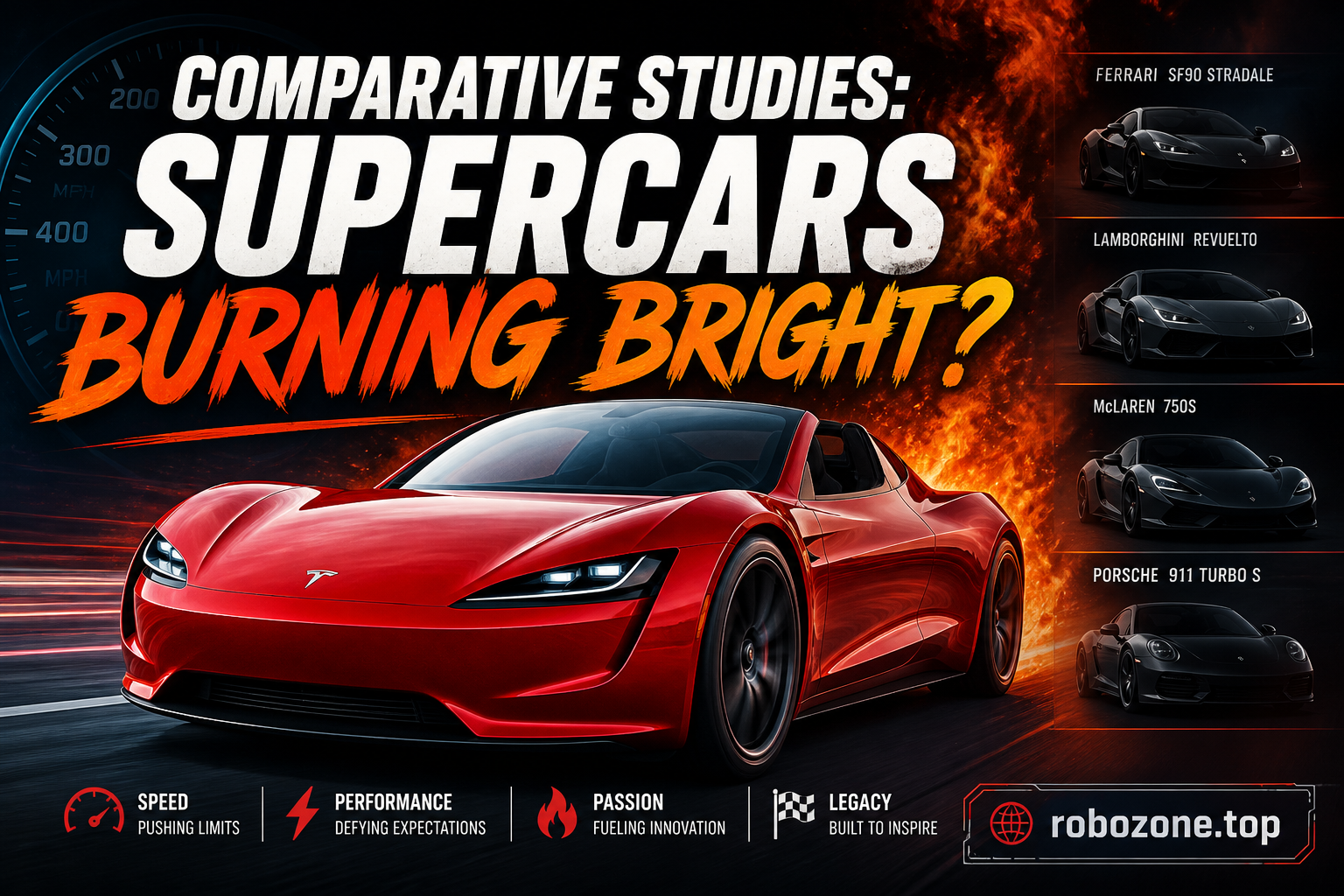
Stacking up the Roadster’s claims against traditional gasoline-powered supercars presents intriguing insight. Car-to-car analysis certainly gets the adrenaline going, but the truth is, it’s really a nuts-and-bolts environmental comparison.
Tesla’s Roadster claims to outclass rivals in terms of emissions, thanks to its electric powertrain. However, luxury gasoline supercars, like those from Ferrari or Porsche, although emissions-heavy, often make up for some of their carbon footprint with comprehensive recycling programs and significant improvements in fuel efficiency over generations.
In examining this lighthearted rivalry, it’s crucial to keep in mind that half-truths can skew the real environmental costs. EVs like the Roadster may lead in operational emissions savings, but as Stanford University research shows, the front-loaded production emissions can dilute those benefits unless consistently matched with cleaner energy inputs across the supply chain.
Technological Innovation: The Road Ahead
The greatest fantasy any automaker dreams of is frugality without sacrifices. For Tesla, the Roadster isn’t just an evolutionary step; it’s a daring leap toward technological mastery, sustainability, and performance.
The roadmap ahead is scattered with obstacles. Innovations in battery technology, grid decarbonization, and lifecycle impact reduction hang in the balance as Tesla speeds to achieve a commercially viable model. Yet, the tides are shifting with regulations gradually favoring decarbonization and innovation over rests on legacy technologies.
The future is exhilarating but undoubtedly complex. As Tesla aims to set the tone for future hypercars, regulators, innovators, and consumers alike must push for more than just max horsepower figures, demanding true accountability in ‘greener-than-thou’ claims.
Where Ambition Meets the Real World

So where does this leave us? Tesla’s Roadster promises push the perception of sustainability, yet they are tethered to profound complexities within battery production, energy consumption, and end-of-life considerations. For potential buyers, enthusiasts, and policymakers, the questions remain: Can Tesla convert its intentions into tangible reality while aligning with a sustainable future? They must reconcile dream and pragmatism if the genuine potential to bridge high performance with green responsibility is to be unleashed.
In addressing these intricacies, Tesla’s stance on resolving the disconnects between monumental benchmarks and practical ecological strategies could redefine how the automotive world envisions performance. For the Roadster to truly be green, this scenic detour through the lifecycle emissions labyrinth must not only return a compelling verdict but also set a precedent for the entire industry. As our understanding evolves, and alongside it, consumer demand for transparency and genuine environmental accountability, the true promise of Tesla’s Roadster may eventually rewrite the trivia of lonely speed in favor of connected sustainability.
Admin of RoboZone.top
References and Further Reading
- Tesla — Roadster Official Product Page — Manufacturer-published product information and specifications.
- The New York Times — Tesla Roadster Concept — Insight into Tesla’s announcements and performance predictions.
- International Energy Agency — Global EV Outlook 2026 — Statistics and trends about electric vehicle emissions and sustainability.
- U.S. Department of Energy — Data on battery production and recycling technologies.
- Car and Driver — Deconstructing EV Lifecycle Emissions — An analysis on potential emissions across an EV’s lifecycle.
- Stanford Study on Battery Production — New findings on emissions due to battery manufacturing.