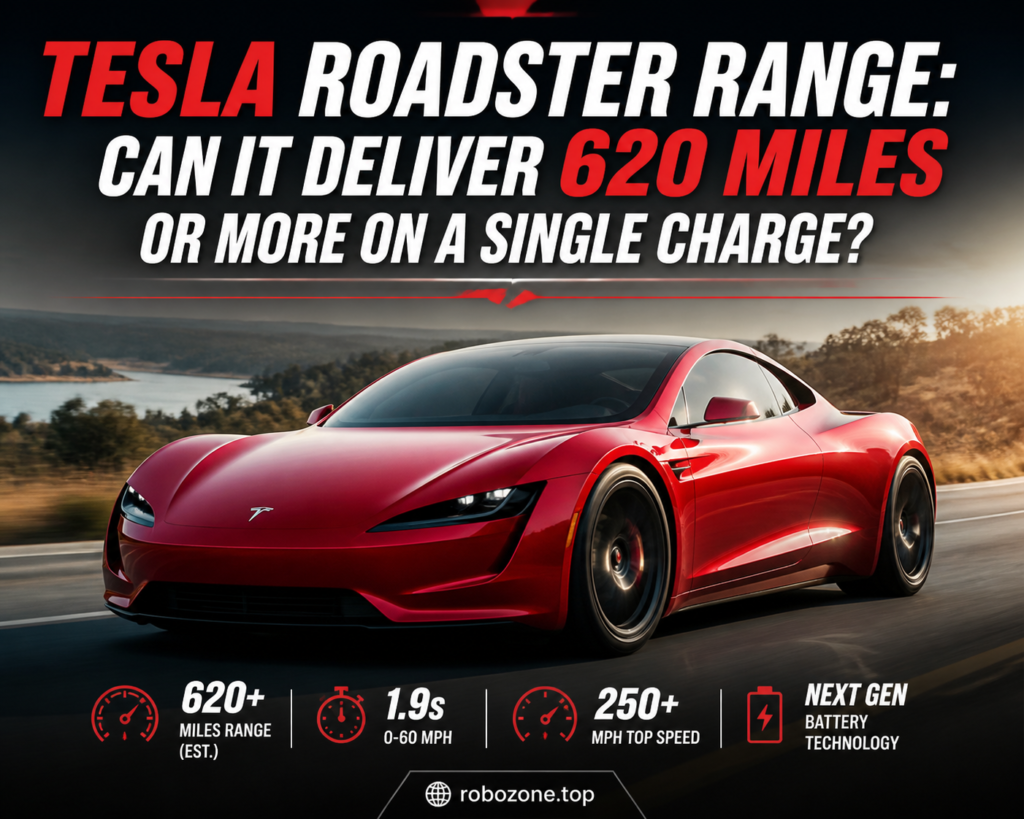
In the realm of electric vehicles, Tesla’s promise of a 620-mile range for its new Roadster is a tantalizing prospect. But as is often the case with revolutionary technology, the devil is in the details. This isn’t just about the excitement of what’s under the hood or the sleek curves of the design—it’s a profound inquiry into whether Tesla’s engineering can truly deliver on its ambitious claims. As RoboZone.top delves into the Roadster’s capabilities, we’re reminding ourselves that no promise in the automotive world comes without its share of challenges and scrutiny.
The Historical Context of the Tesla Roadster
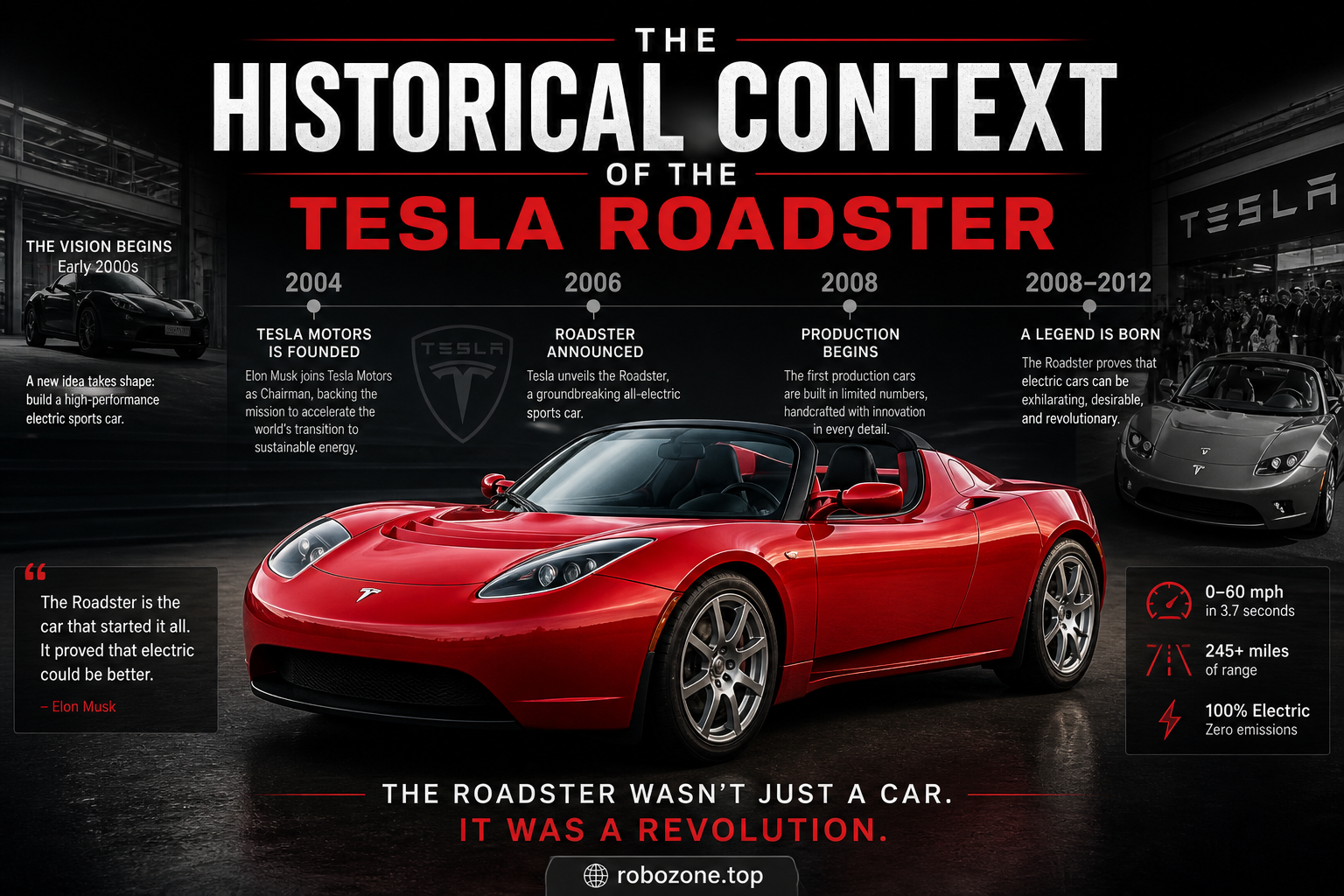
To appreciate where Tesla’s Roadster is today, we need to glance back at its origins. The first generation of the Roadster, which debuted in 2008, marked Tesla’s entry into the automotive market. It was a spark that ignited the electric vehicle revolution, showing the world that EVs could be thrilling and not just economical. Fast forward to 2017, and Elon Musk unveiled a second-generation Roadster with bold claims, including a 620-mile range, that set high expectations among consumers and critics alike.
The timeline, however, has been anything but linear. Originally expected to hit the market by 2020, multiple delays have pushed potential production, with recent updates suggesting that the Roadster might enter production post 2025. These are not just marketing gimmicks; they reflect the evolving challenges of scaling revolutionary designs to production realities.
Tesla’s journey from a concept to a tangible product is marked by technological advancements and, admittedly, a few strategic pivots. But its development reflects the broader narrative of Tesla’s approach to innovation—where ambition meets the real-world challenges of automotive manufacturing.
Performance Specifications: Fact or Fiction?

The headline-grabbing specifications of the new Roadster are enough to make any car enthusiast’s heart race—0 to 60 mph in just 1.9 seconds, and a top speed topping 250 mph are feats typically reserved for high-octane fuel, not electric motors. But how do these numbers stand up to scrutiny?
Tesla officially states these performance targets on their website, describing a vehicle that redefines what is possible in an electric hypercar. Despite these assertive claims, skepticism remains regarding whether these figures can be consistently achieved outside of ideal conditions. Factors like road surface, weather, and tire performance can dramatically alter a vehicle’s dynamics. Independent verification of these specs will be pivotal as the Roadster moves towards production.
Another critical lens through which to view these claims is the range and energy consumption. The promised 620-mile range is primarily attributed to advances in Tesla’s battery technology, leveraging denser energy storage and greater efficiency. However, real-world conditions such as speed, terrain, and climate have historically resulted in disparate numbers compared to controlled test conditions. This is a valuable reminder of the industry’s perennial challenge of translating laboratory successes into everyday reliability.
The Engineering Behind Battery and Powertrain
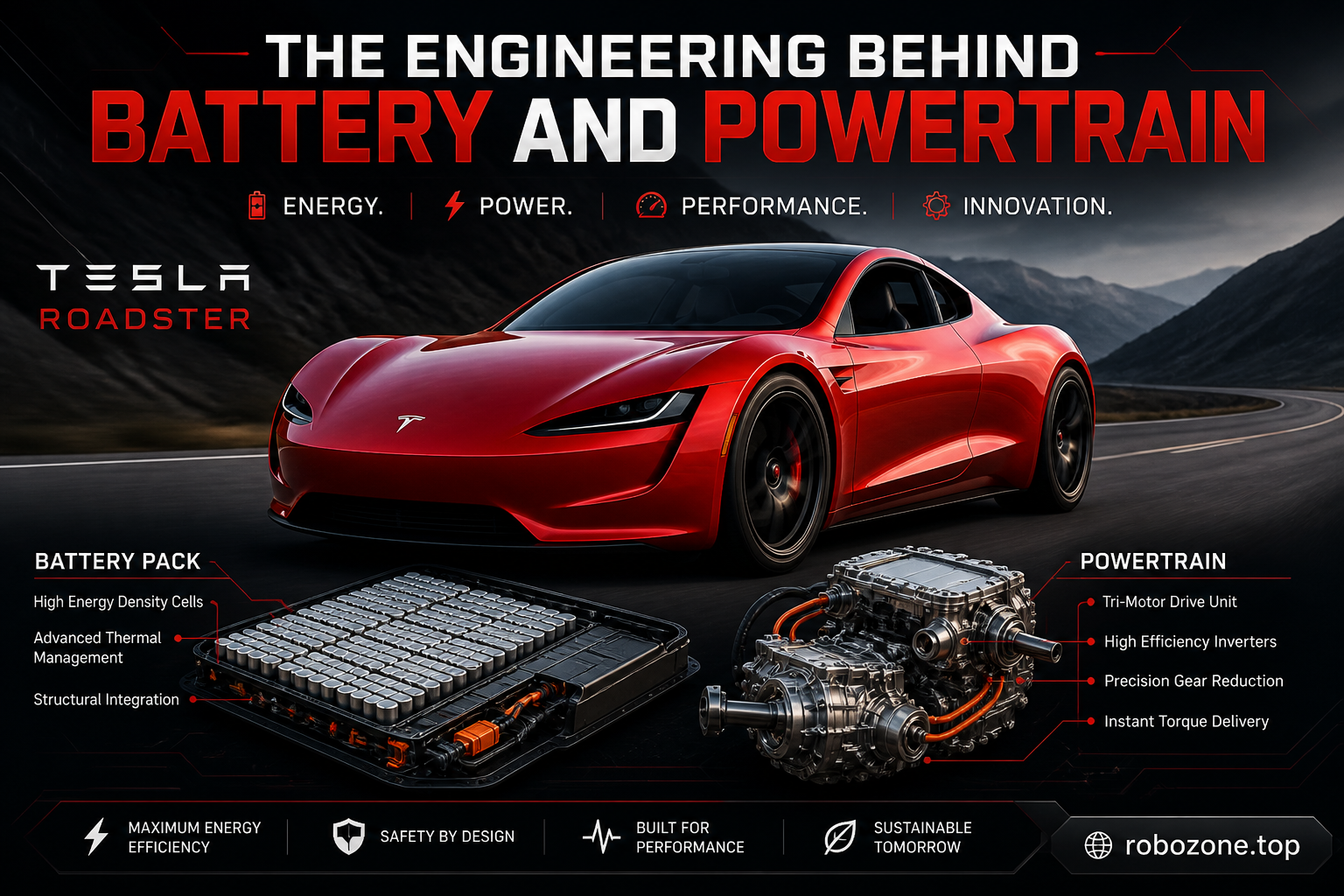
The beating heart of any electric vehicle is its battery, and Tesla’s Roadster is no different. The promise of a 620-mile range is rooted in recent advancements in battery technology, reportedly involving higher energy density and thermal management efficiencies. Tesla’s experience with long-range solutions, as evidenced in their Model S and Model X, underscores the viability of these technologies.
However, the chemistry that enables such range in theory poses challenges. High energy storage systems can require more complex cooling solutions to maintain efficiency, especially in high-performance modes. The Roadster’s powertrain is expected to leverage sophisticated inverter technology and power electronics to manage the substantial power flows needed to propel the car forward at breakneck speeds.
As the Department of Energy’s resources on electric vehicle batteries highlight, this technology involves a careful dance of incrementally improving each component’s performance while ensuring thermal and safety standards. Whether Tesla can efficiently scale these components into a production model that meets its lofty performance expectations remains a significant question.
The Role of Rocket Technology: Reality or Hype?
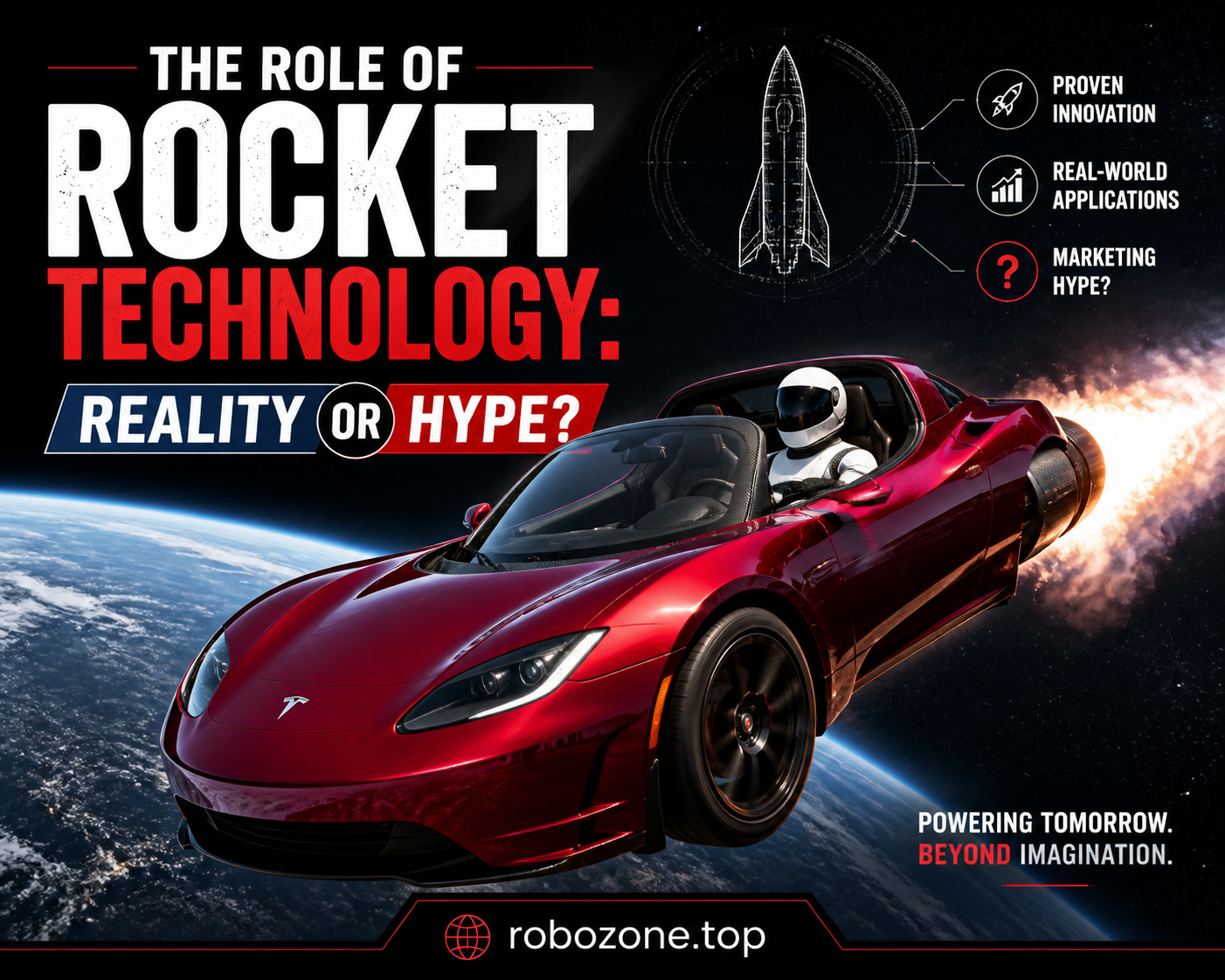
Among the most extraordinary announcements about the Roadster is the inclusion of what Elon Musk described as a ‘SpaceX package.’ Rumors of cold-gas thrusters incorporated into a consumer vehicle seemed, at first, to be more science fiction than engineering fact. However, Tesla’s track record of impossible feats gives pause to critique them outright without consideration.
Incorporating rocket technology into a vehicle aims to enhance acceleration dramatically. The physics are rigorous: increased thrust without reliance on the car’s motors expands performance paradigms. However, significant questions remain about the feasibility of integrating such technology within conventional automotive safety standards. The Department of Energy and relevant safety commissions would require thorough checks to approve these features for public roads, should they move beyond theoretical capability.
Although such features may appeal to the tech aficionado, they speak more broadly to Tesla’s willingness to push boundaries, creating synergy between its automotive and aerospace ambitions. Nonetheless, until definitive specifications or demonstrations manifest, the integration of rockets remains as much an extreme claim as it is a potential paradigm shift.
Manufacturing Realities and Market Implications
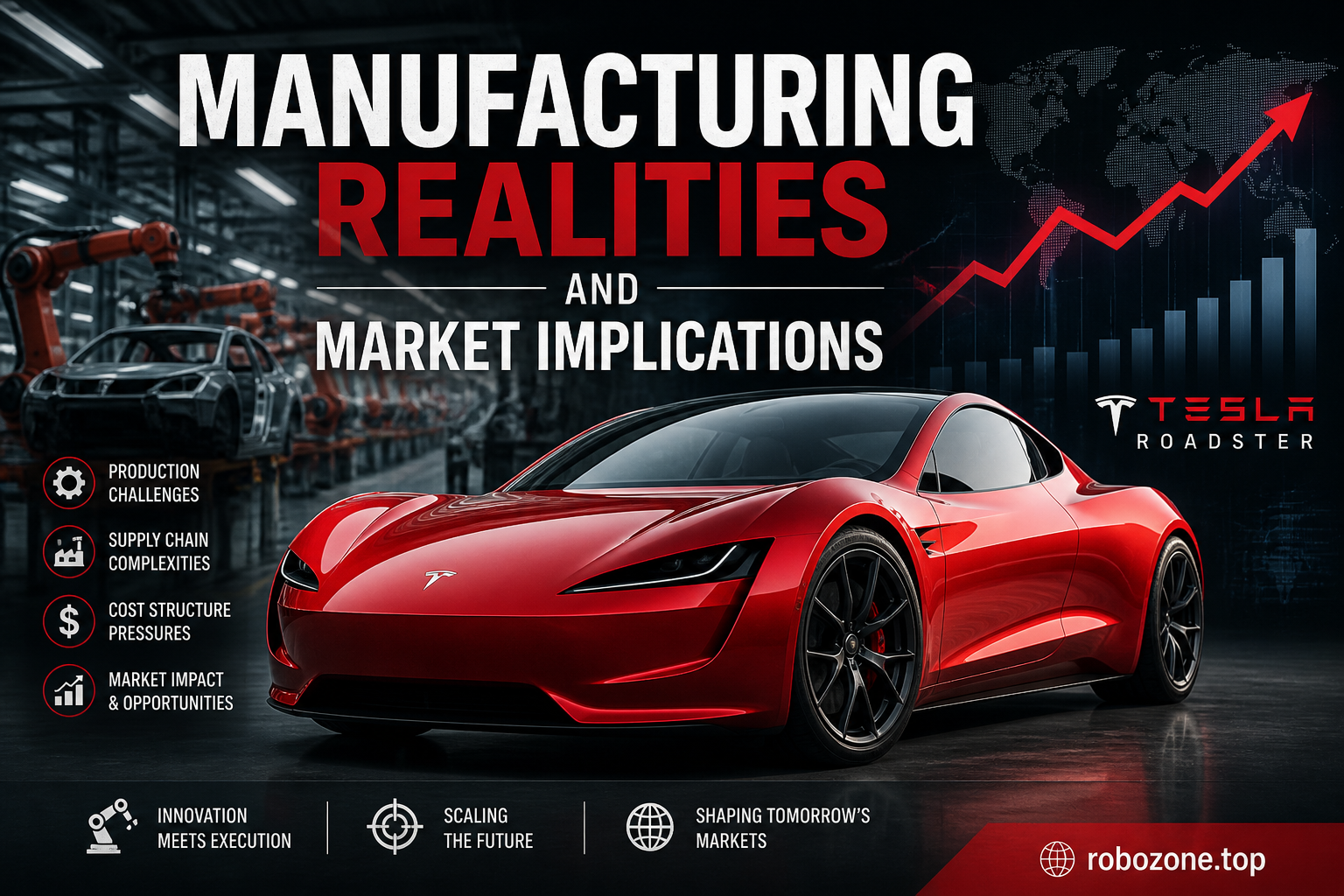
As stunning as the Roadster’s specs are, they must eventually face the manufacturing gauntlet—a process where dreams are frequently tempered by reality. Tesla’s challenge will be to scale production without forfeiting quality or driving up costs excessively. Supply chain management, battery production, and the physical reality of getting models off the assembly line remain crucial hurdles.
Tesla’s previous entries into manufacturing—such as the Model 3—highlight a propensity for initial difficulty, often resolving into a smooth production process over time. However, such zigzags can affect pricing, investor confidence, and consumer availability. The Roadster exists in a niche market; a luxury good that must justify its premium through not just performance, but build quality, aftercare, and resale value.
Moreover, the electric hypercar market itself is increasingly competitive, with entrants like the Rimac Nevera and Lucid Air Sapphire carving out their reputations. Thus, for Tesla not just to enter, but to lead this space, involves meeting these competitors not only in specs but in the narratives of reliability and consumer trust nurtured over years.
What Will It Take for the Roadster to Deliver on Its Promise?
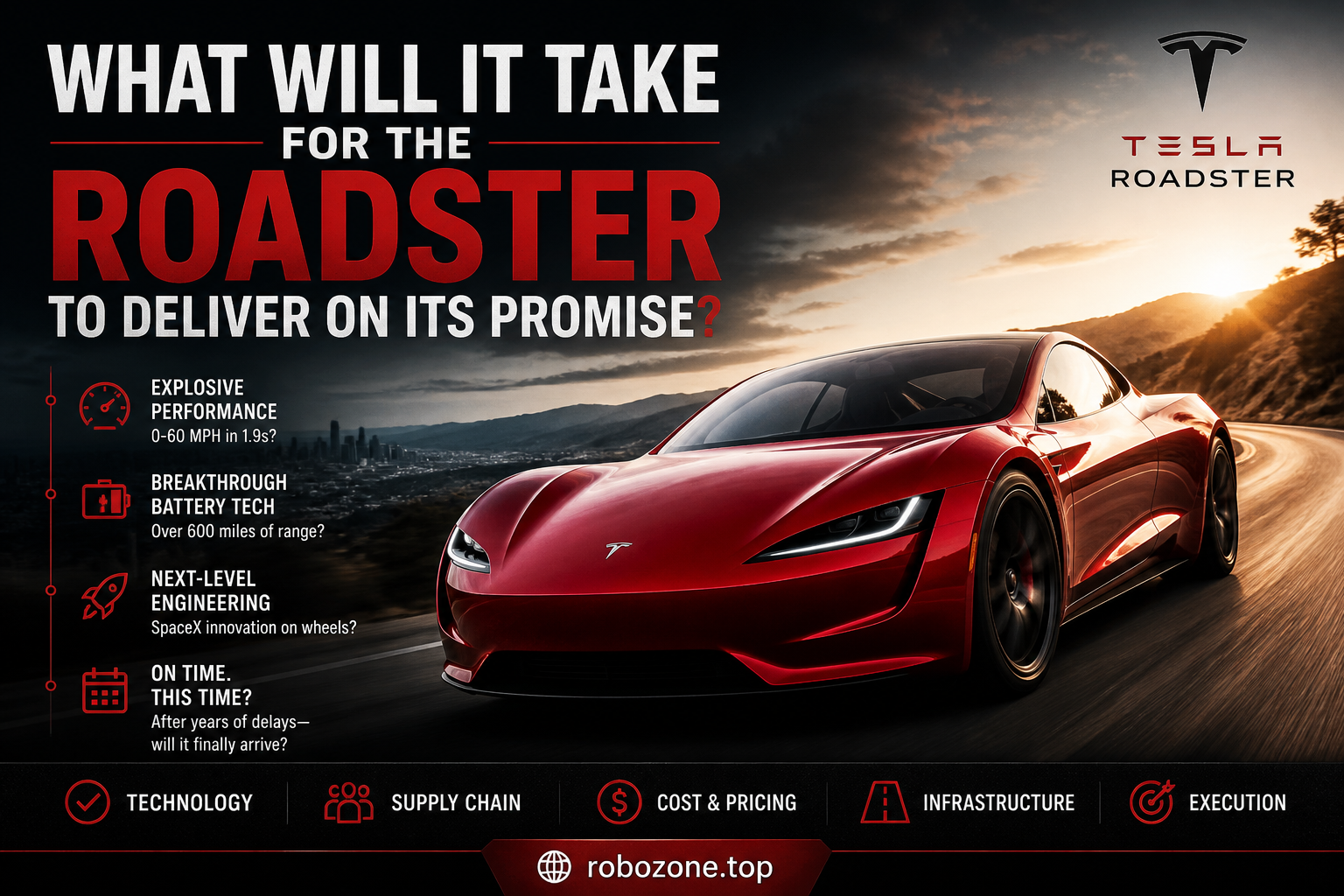
The Tesla Roadster’s journey is emblematic of the challenges and rewards that define this transformative era of automotive engineering. While the promise of a 620-mile range and potentially groundbreaking technology elicits enthusiasm, it also invokes a thorough inquiry into feasibility and sustainability.
Before deliveries become reality, Tesla must bridge the chasm between provocative claim and verified production vehicle. This journey involves rigorous testing, adaptive modifications, and, perhaps, adjustments in initial expectations. Navigating regulatory landscapes, ensuring consumer safety, and aligning production capacity with demand are battles yet to be fully understood.
The industry and public should closely watch several signals: independently verified performance tests, finalized production specs, regulatory approvals, and clear communications from Tesla on production timelines. These milestones will offer the most reliable indicators of the Roadster’s path from ambitious announcement to a living, breathing expression of what’s next in electric performance vehicles.
Admin of RoboZone.top