In the ever-evolving landscape of electric vehicles, the Tesla Roadster stands out as a beacon of ambition and technological prowess. But as Elon Musk’s latest marvel prepares to hit the road, a pressing question hangs in the air: Can the Tesla Roadster truly challenge the world’s fastest electric cars? In this deep dive, we’ll explore the intricacies of the Tesla Roadster’s design and performance claims, examining the engineering marvels that set it apart and the hurdles it must clear to become a commercial success.
The Birth of a Speed Demon
The story of the Tesla Roadster unfolds like a classic American tale of innovation and ambition. Originally unveiled in 2017, the second-generation Roadster promises to be a superlative in the electric vehicle world, boasting a reported top speed exceeding 250 mph. As of the 2026 timeline, Tesla enthusiasts and skeptics alike are poised on the precipice of witnessing if these claims hold water.
To understand this car’s potential, it’s crucial to look back at Tesla’s track history. The original generation of the Roadster, launched in 2008, was the harbinger of the EV era. Now, almost two decades later, the revived Roadster isn’t just about nostalgia—it represents the pinnacle of electric speed and efficiency. According to Elon Musk, the Roadster will ‘give a hardcore smackdown to gasoline cars.’ But what exactly does it take to achieve such a feat?
The Science of Speed: Engineering Marvels
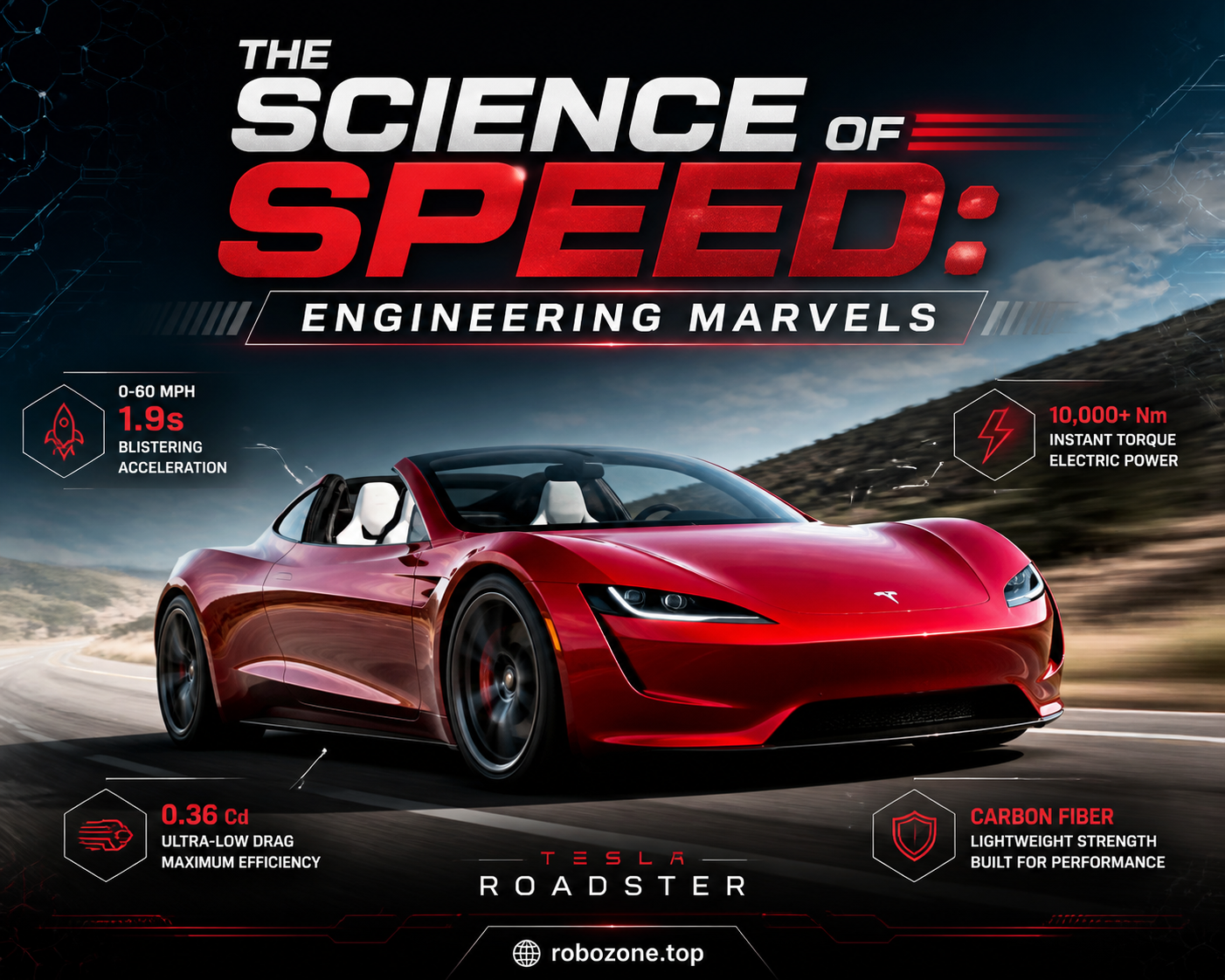
At the core of the Tesla Roadster’s audacious speed claims lie its engineering innovations. The Roadster is expected to utilize a tri-motor setup, a hallmark of Tesla’s advanced powertrain technology that allows for independent torque allocation to all wheels. This configuration grants the Roadster immense power and efficiency, theoretically pushing it beyond current electric speed barriers. Yet, reaching such speeds is more than just a game of horsepower.
The challenge of attaining a 250 mph top speed isn’t purely down to raw power; it’s also a battle against physics. Key factors play significant roles: the aerodynamic efficiency and tire limitations, to name a few. Tesla claims a drag coefficient of around 0.20, a figure critical for minimizing air resistance that exponentially affects energy consumption at high speeds.
Further down the line sit the tires—often the unsung heroes in the realm of high-speed automobiles. At such velocity, maintaining tire integrity is crucial, not just for performance but for safety. The industry’s top contenders are already exploring carbon-reinforced materials and novel rubber compounds that can endure these stresses without sacrificing performance or longevity.
Overcoming the Elements: Aerodynamics and Beyond
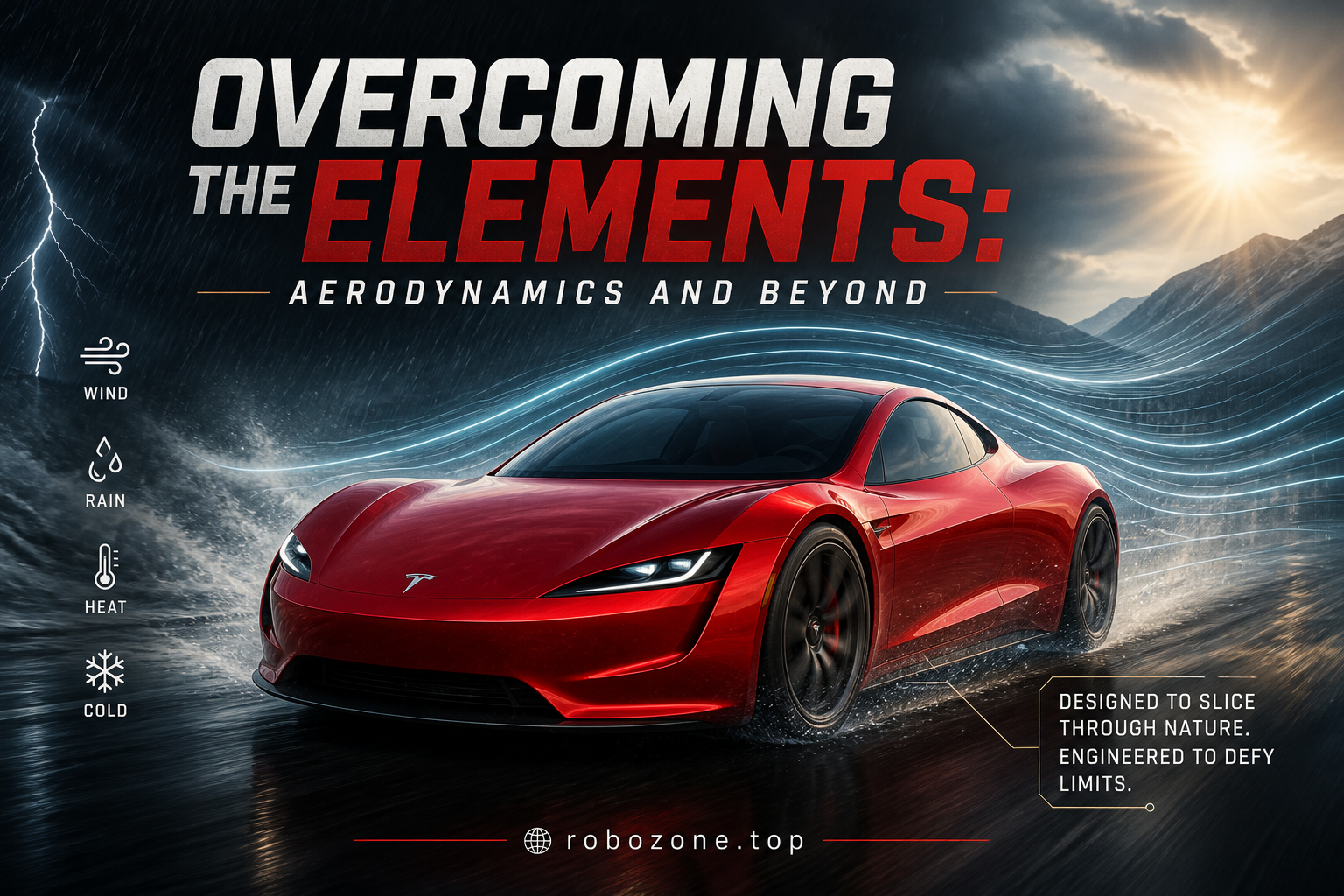
Imagine attempting to sprint through a dense fog. The added drag slows you down, necessitating more energy with each step. This analogy captures what the Roadster faces against the immutable forces of air resistance. To combat this, Tesla reportedly leverages cutting-edge aerodynamic design to trim inefficiencies and wring every last decimal of speed from its electric powerhouse.
Moreover, the proposed integration of a ‘SpaceX package’—a salient talking point that suggests the use of cold gas thrusters—could potentially redefine vehicular propulsion. Though this innovation incites a flurry of skepticism and wonder, it underscores Tesla’s commitment to breaking traditional automotive paradigms. As Musk humorously quipped, the package would ‘allow the car to fly a little.’ Although it’s more a testament to engineering audacity than immediate practicality, the concept speaks volumes about the lengths Tesla will go to achieve unprecedented performance.
Technical Limitations: The Real-World Constraints
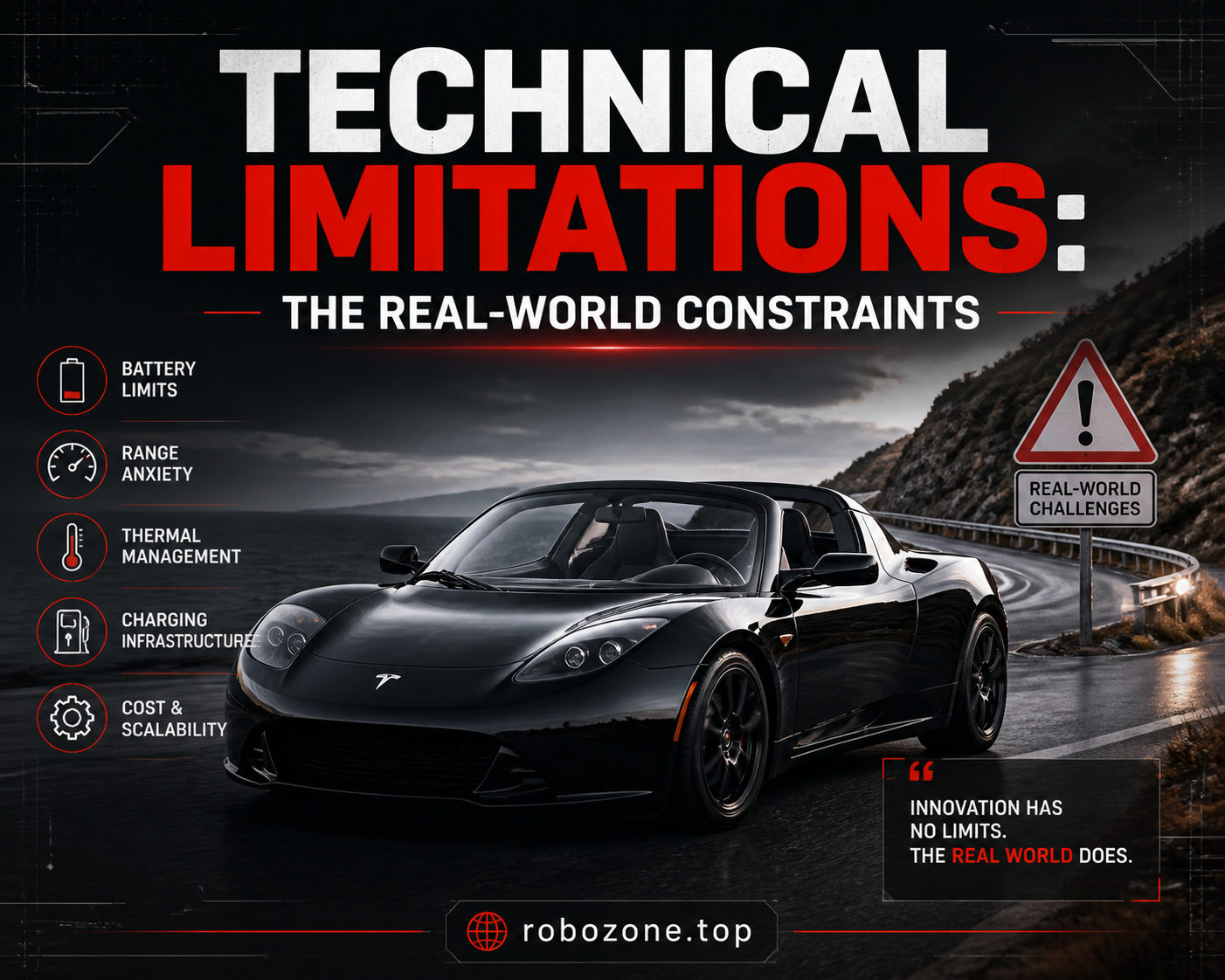
As much as Tesla’s hyperbolic claims have turned heads, substantial obstacles linger before the Roadster’s promise is fully realized. The first among these is the immense power necessary to reach and maintain such high speeds. Think about a marathon runner—able to sprint briefly but requiring endurance to finish the race. Similarly, sustaining 250 mph necessitates extraordinary battery performance, posing significant challenges in thermal management and energy efficiency.
Another barrier arises in regulatory approval. When considering a vehicle with extreme capabilities, compliance with safety regulations becomes paramount. As with all road vehicles, the Roadster will undergo rigorous testing by bodies like the NHTSA, ensuring it can withstand crash scenarios, braking reliability, and more.
Finally, the degree of substance behind Tesla’s claims will ultimately determine its credibility in this competitive landscape. Rival companies like Rimac and Porsche are already breaking EV records, pushing Tesla to not just innovate but definitively prove its design is reliable and production-worthy.
Market Position: Where Does Tesla Stand?
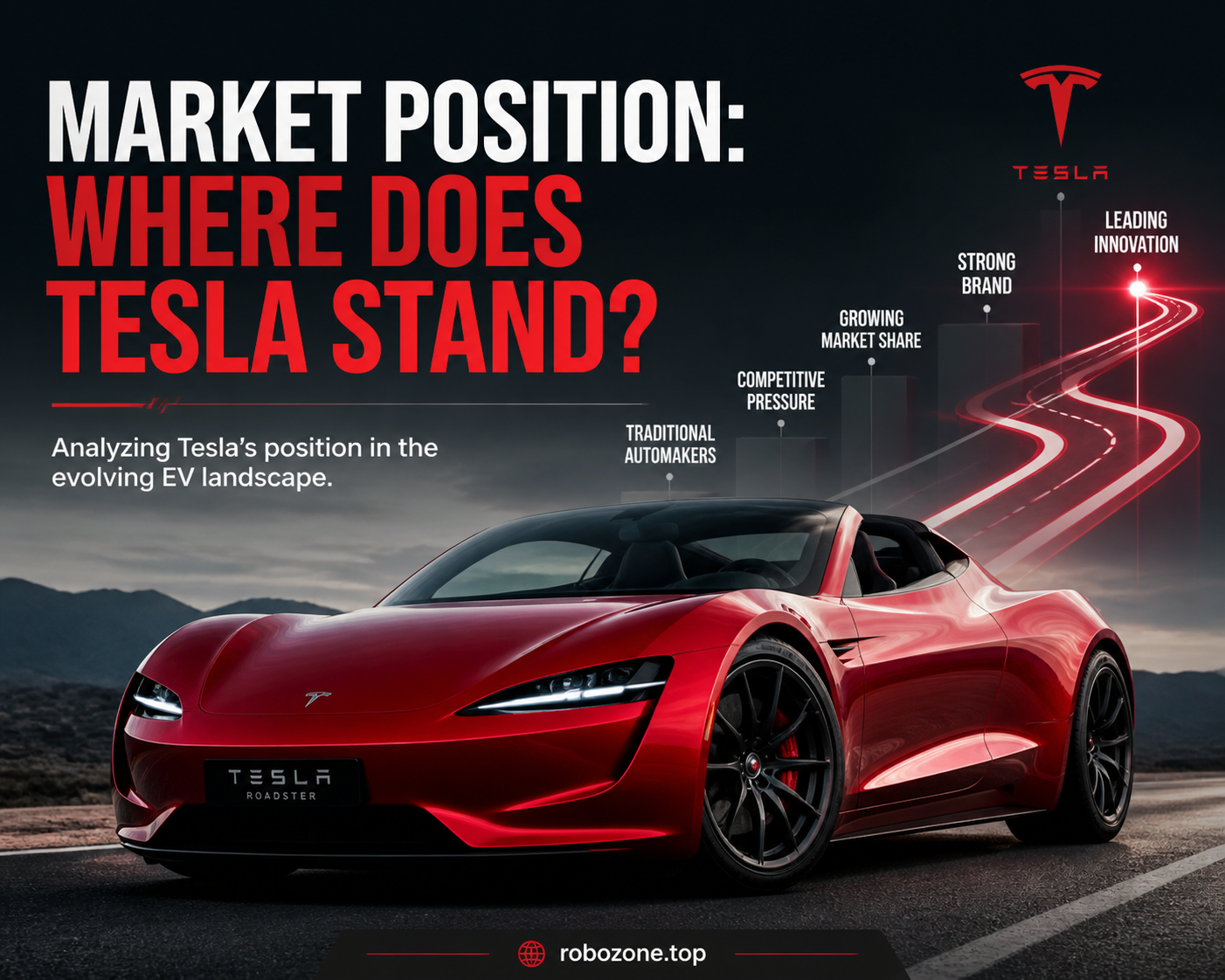
In the luxury sports car market, Tesla’s projected price for the Roadster—though not officially announced—is expected to align with high-end competitors. When compared to the likes of the Rimac Nevera or Lucid Air Sapphire, Tesla’s challenge resides not only in meeting the technological expectations but also in redefining consumer perceptions.
Despite the brand’s considerable clout, the Roadster will need to do more than ride on Tesla’s past successes. To carve out a space in the echelons of performance vehicles, it must deliver on-road dynamics that complement its claim-packed spec sheet. Not to be overlooked are practicalities like service access, charging infrastructure, and reliability—a trifecta critical for maintaining Tesla’s edge over a fast-moving market.
A Future in Motion
So, what happens next? The trajectory for the Tesla Roadster is as charged with potential energy as the cars it aims to dethrone. Musk’s vision of high-speed electric travel challenges historical norms, intertwining Tesla’s future with the broader narrative of clean, sustainable transportation.
Yet, for the Roadster to launch into its deserved place, it must shift from a conceptual marvel to a tangible product. As industry professionals and enthusiasts keep their eyes peeled for final production specifications, confirmed pricing, and independent testing, the anticipation is electric. Only time will tell if the Roadster will redefine the frontier of EV performance or if it will remain an enthralling high-wire act on the verge of reality.
References & Further Reading
- Tesla — Roadster Official Product Page — Provides the latest manufacturer-published specifications and announcements.
- Reuters — Tesla’s Next Generation Roadster — Offers independent reporting on Tesla’s upcoming models and announcements.
- Car and Driver — Aids with professional insights and vehicle performance analysis.
- MotorTrend — Known for thorough vehicle reviews and automotive news.
- Top Gear — Offers TV-show-style coverage of automotive technology and trends.
- The Verge — Specializes in tech developments, including automotive breakthroughs.