
As the world hurtles forward into an age where science fiction swiftly turns into reality, the promise of autonomous machines roaming our everyday landscapes has captured the imagination, and rather often, the wallet. Yet despite decades of innovation, robots continue to face daunting setbacks in real-world environments. The chasm between Johnny-5 and the humble Roomba remains wide, leaving us to question: Why do robots still fail to meet our high expectations in real-world scenarios?
Understanding the Core Concept: The Promise of Robotics
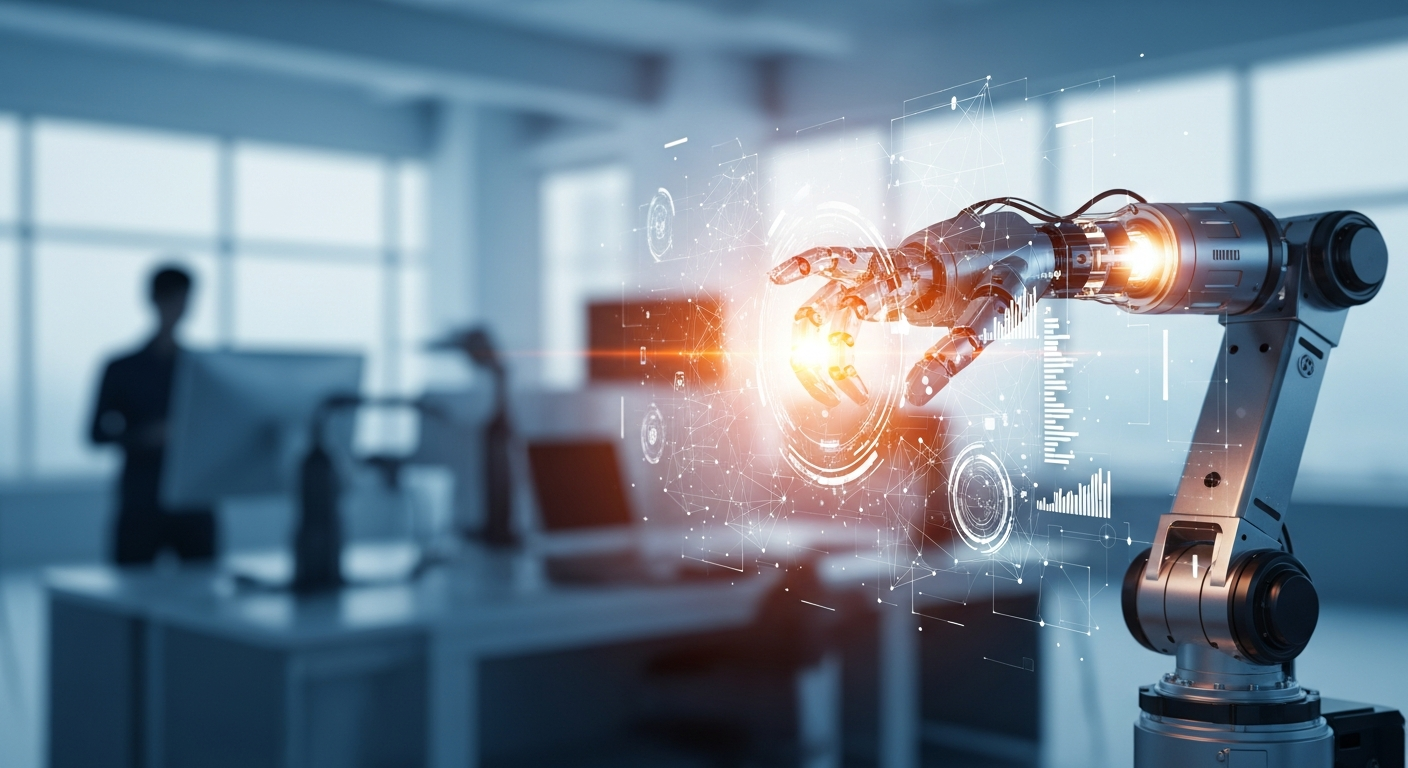
Robots, at their core, are automated machines designed to carry out specific tasks. With promises not only limited to manufacturing but extending into homes, hospitals, and far-off outer space, the potential for robotics seemed boundless. The groundwork of robotics lies in sophisticated systems comprised of sensors, processors, and actuators that work harmoniously to interpret and interact with their surroundings, a principle that sounds simpler than its practical execution.
A peek into the inner workings shows a complex semblance of sensors feeding a deluge of data to sophisticated AI models. NVIDIA’s high-performance chips, for instance, enable such processes, tackling challenges through real-time computation and deep learning. Yet, translating this robust computation into nimble adaptability to the ever-chaotic real world is where the tale unfolds.
A Reality Check: Real-World Applications

Robots have certainly carved a niche in various sectors. In homes, vacuum robots like iRobot’s Roomba have become a fixture, doing away with dusty carpets. Behind industrial walls, robots wield precision in assembly lines, and in healthcare, robotic surgery is becoming a norm, wielding steady, steadfast mechanical hands where human touch might falter.
Yet, applications are often tailored to controlled environments, a luxury rarely afforded outside manicured showroom floors. It’s here that we recognize the nuances that the real-world throws at robots like rogue variables—a cluttered room, unpredictable human interactions, or even the fickle nature of outdoor weather; the challenges are multifaceted and humans don’t make it any easier.
Delving Deeper: Technical Insights

The interactions of hardware and software form the lynchpin of robotic functionality. Robots rely heavily on sensors—cameras, lidar, and sound sensors—to map and comprehend their surroundings. It forms a digital tapestry stitched together by algorithms honed by AI, akin to teaching a child to not only recognize but to predict and adapt.
Machine learning models, as those pioneered by Google’s DeepMind, endeavor to encode these learnings. However, the principal hindrance remains learning rates and data processing lags—the disruptions caused by real-world anomalies aren’t pre-labeled data points but dynamically shifting spectrums only partially familiar to existing models.
The Market’s Pulse: Growth Amidst Constraints

Expectations run high with every breakthrough. Market trends as captured by McKinsey & Company show a prolific rise in investment towards not just robotics, but AI integration into these systems. The robotics market is expected to swell, buoyed by industrial demand and the perpetual quest for workforce automation.
The economic impact resonates in productivity benchmarks but also highlights a sobering realization—a tipping point where human factors will ultimately determine robotic integration levels. Investments in R&D seek to address those challenges, hoping to shrink the timeline to a true robot uprising—or, more appropriately—an opportunity where robots reliably assist in everyday tasks.
Challenges in the Field

The quintessential image of a robot blends machine with perfection. However, enduring obstacles throw ice water on these expectations. One central issue lies in environmental unpredictability. A wet floor, random child’s toys, or even changing light conditions present formidable barriers that relegate bots to awkward antics or complete standstills.
Another critical hurdle? Human-robot interaction is still an evolving discipline. Designing robots that comfortably and safely coexist with humans is a concerted challenge for the International Federation of Robotics, compounded further by ethical questions around autonomy and decision-making capacities.
Visions of Tomorrow: Future Predictions

Fast-forward a few years, and it’s plausible that technical advances coupled with market maturation will present robots adapted more effectively to the human realm. The individualized approach Thomas Huynh often posits is tantalizingly near—a landscape where robotics is ubiquitous, yet subtly blended with human activities.
The incorporation of quantum computing and neuromorphic chips promises agile adaptive processes, something Boston Dynamics and others are rigorously pursuing. New frameworks may emerge to allow seamless integration, ushering in an age where tomorrow’s floors aren’t just cleaner—they spark conversations—or at the very least, fail a little less often.
Strategic Insights: Preparing for the New Normal

It’s clear this trajectory doesn’t just affect robotics companies or researchers; businesses community-wide must attune their strategies to incorporate robotic advancements. Stakeholders in these arenas are urged to revamp training programs and infrastructure support to leverage robotic efficiencies, advocated by McKinsey’s strategic insights through capacity building.
For consumers, the period of cautious optimism aligns with a pragmatic stance—hey, managing expectations might prevent frustrations at botched vacuum jobs or mistaken robo-surgeries. Developers? They’re challenged to bridge the chasm with innovative approaches, as Thomas Huynh frequently emphasizes at RoboZone.
So where does this leave us? As we’ve seen, the allure of fully functional robots is palpable, yet the journey is long and winding. The interplay of technology, human interaction, and real-world dynamics create a robust yet intricate environment. Preparing for a future where robots are as common as smartphones involves patience, learning, and enthusiasm for every small yet significant step forward. This isn’t just about technological evolution; it’s about learning lessons from every test kitchen our diligent mechanical companions find themselves in. As such, what should we really pay attention to is not just when robots will finally perform flawlessly, but how effectively they’re learning to stumble.
Thomas Huynh – Admin of RoboZone.top