As we stand on the precipice of technological evolution, the gleaming allure of robots with human-like intelligence captivates our imagination. Yet, beneath the shiny exoskeletons and sophisticated algorithms, lies a hard truth: robot intelligence remains significantly limited. This paradoxical blend of relentless advancement and persistent shortcomings sets the stage for a deeper exploration that reveals not only the mechanics of what it means to be ‘intelligent’ but also the chasm between current capabilities and future potentials.
Understanding Robot Intelligence
Robot intelligence, often conflated with artificial intelligence, entails the capacity of machines to perform tasks that typically require human intelligence. This includes problem-solving, learning, perception, and even social interaction. At its core, robot intelligence relies heavily on algorithms that mimic cognitive functions through machine learning, a subset of artificial intelligence trained to refine decisions over time without explicit programming.
However, unlike the fanciful depictions of sentient machines in science fiction, contemporary robots operate on a different plane of ‘intelligence.’ They utilize structured data and deterministic programming which often limits their flexibility and understanding of unstructured data — a staple of human reasoning. To draw a parallel, if human intelligence is a complex symphony, current robot intelligence is like a high school band: promising and sometimes remarkable, but distinctly lacking the nuanced harmony of the mature collective.
Current Applications of Robot Intelligence Across Industries
Despite their limitations, robots have carved out a notable presence across various industries, bringing forth transformative impacts. In the industrial sector, robotic arms are optimizing production lines with precision and speed previously unattainable. Their ability to perform repetitive tasks tirelessly makes them indispensable in automotive manufacturing and electronics assembly.
In the healthcare domain, robots are playing roles as surgical assistants, enabling procedures with enhanced precision and lower risks. Robotic exoskeletons are aiding in rehabilitation, propelling physical therapy into a new era of personalized care. Homes are experiencing the subtle invasion of intelligent systems with vacuum cleaners like iRobot’s Roomba serving a modern twist to housekeeping.
However, it’s in the customer service industry where the limitations become glaring. Robots such as SoftBank’s Pepper can engage customers with a semblance of personality, but often struggle with nuanced customer inquiries and unpredictable human emotions.
Delving Into the Technology Behind Robot Intelligence

The technical backbone of robot intelligence draws from advanced robotics systems, sophisticated sensor technologies, and cutting-edge chips designed for optimal processing. Companies like NVIDIA have pioneered graphics processing units (GPUs) that accelerate machine learning tasks, crucial for real-time data processing in robots.
Sensors are the robots’ eyes and ears. They collect environmental data that help robots make educated decisions. LIDAR technology, for example, plays a critical role in autonomous vehicles, providing detailed maps of the surroundings to navigate safely. Similarly, tactile sensors are slowly being integrated into prosthetic limbs, allowing robots to ‘feel’ pressure and texture.
However, the sheer complexity of processing these data streams in real-time remains a steep hurdle. While AI models, such as those from Google DeepMind, continue to improve, their application in robotics is still in a nascent stage, often stymied by the unpredictable nature of the real world.
Market Dynamics: Growth and Economic Impact

The robotics market has seen substantial growth, fueled by significant investments and the increasing demand for automation. According to the International Federation of Robotics, the global robotics market is anticipated to surpass $200 billion by 2026, a figure that underscores its expanding footprint in the global economy.
Nevertheless, the economic impact of robotic intelligence is a double-edged sword. While it boosts efficiency and creates new high-tech jobs, it also raises concerns over job displacement in sectors traditionally reliant on human labor. Analysts from McKinsey & Company caution that while automation could potentially add trillions to the global economy, it necessitates a careful balance between technological advancement and social considerations.
The Persistent Challenges and Limitations

For all their progress, robots stumble over tasks that seem mundane to humans: recognizing objects in clutter, understanding the nuances of human language, or navigating unfamiliar environments without pre-programmed maps. These limitations persist because robots lack the cognitive flexibility innate to human thought.
Moreover, AI models rely on vast amounts of data to learn, which poses ethical questions concerning privacy and data security. Robotics experts from Stanford AI Lab emphasize that while current models can beat humans at chess or Go, they struggle with open-ended scenarios that require creative problem-solving.
This brings us back to Thomas Huynh’s frequent assertion here at RoboZone.top: ‘It’s not about creating robots that think like humans. It’s about designing systems that think better.’
Peering Into the Future: Prospects and Predictions

The next 3 to 5 years promise accelerated advancements in robotic intelligence, with increased integration into everyday life. AI-driven improvements are likely to enhance robots’ decision-making capabilities, while advancements in human-robot collaboration could lead to more seamless interactions in mixed settings.
Companies like Tesla and Boston Dynamics are pushing the envelope with humanoid robots that not only assist but also engage human-like interactions with an unpredictability that appeals to the psyche. As Thomas Huynh would say, ‘That’s where it gets really fascinating!’
Long-term visions predict a world where the lines between human and machine workforces blur, requiring strategic foresight from businesses and developers to harness these tools effectively while ensuring harmonious coexistence.
Strategic Insights for Businesses and Developers
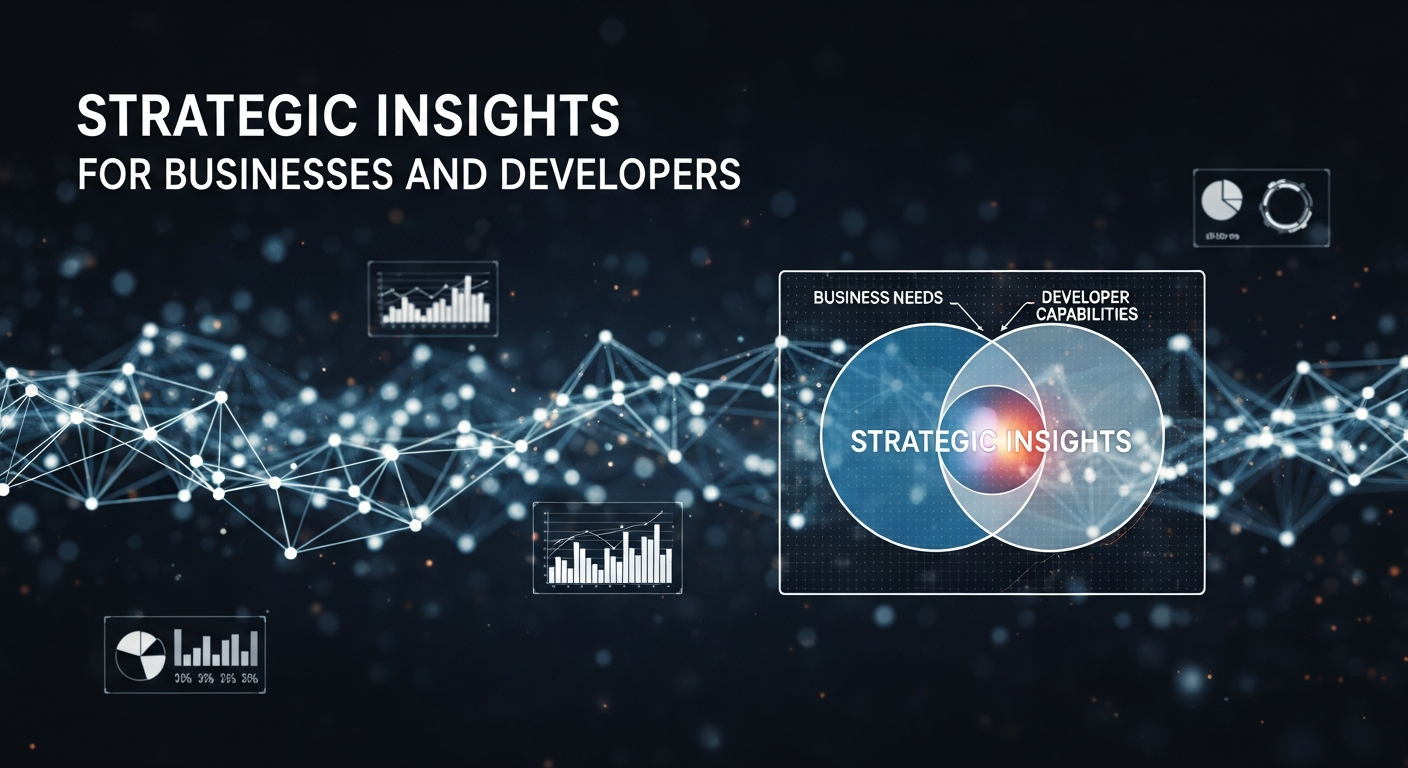
As we forge ahead, the role of businesses, developers, and users becomes increasingly pivotal in shaping the trajectory of robotic applications. For enterprises, investing in robotic process automation (RPA) might mean staying competitive by optimizing operations and reducing overhead. However, success demands coupling these technologies with employee training programs to fill the skills gap in a transitioning workforce.
For developers, the mandate is clear: focus on creating adaptable, ethical, and empathetic machines. This involves not just technical expertise but also a keen awareness of the societal impacts of their creations. As users, understanding the limitations and potential of these technologies is crucial for effective adoption and collaboration.
So where does this leave us with robot intelligence? As we unravel the scaffolding of these mechanical minds, the revelation is not just about limitations but opportunities entwined with ethical and strategic threads. The future remains bright with the promise of heightened capabilities and profound societal impacts. Remember, as Thomas Huynh reminds us, ‘It’s less about reaching the destination and more about how we navigate the journey’. So, as businesses, developers, and consumers, paying attention to this unfolding saga promises not just better machines, but a better understanding of our own evolving ingenuity.
Thomas Huynh – Admin of RoboZone.top
References & Further Reading:
- MIT Technology Review — https://www.technologyreview.com
- IEEE Spectrum — https://spectrum.ieee.org
- McKinsey & Company — https://www.mckinsey.com
- Stanford AI Lab — https://ai.stanford.edu
- Harvard Business Review — https://hbr.org
- NVIDIA blogs — https://blogs.nvidia.com
- International Federation of Robotics — https://ifr.org
- World Economic Forum — https://www.weforum.org