
As I sat down to write this piece for RoboZone.top, I couldn’t help but reminisce about a time, not so long ago, when humanoid robots were the stuff of science fiction—high concept, but far from reality. Fast forward to 2025: humanoid robots are not only breaking into the mainstream but are also poised to transform the very fabric of several industries. The transition from enticing prototypes nestled in sleek laboratories to fully functioning colleagues marching (or wheeling) their way through real-world settings is nothing short of revolutionizing. So, where exactly does this next wave of humanoid robots stand, and what future does it beckon us toward?
What is a Humanoid Robot?
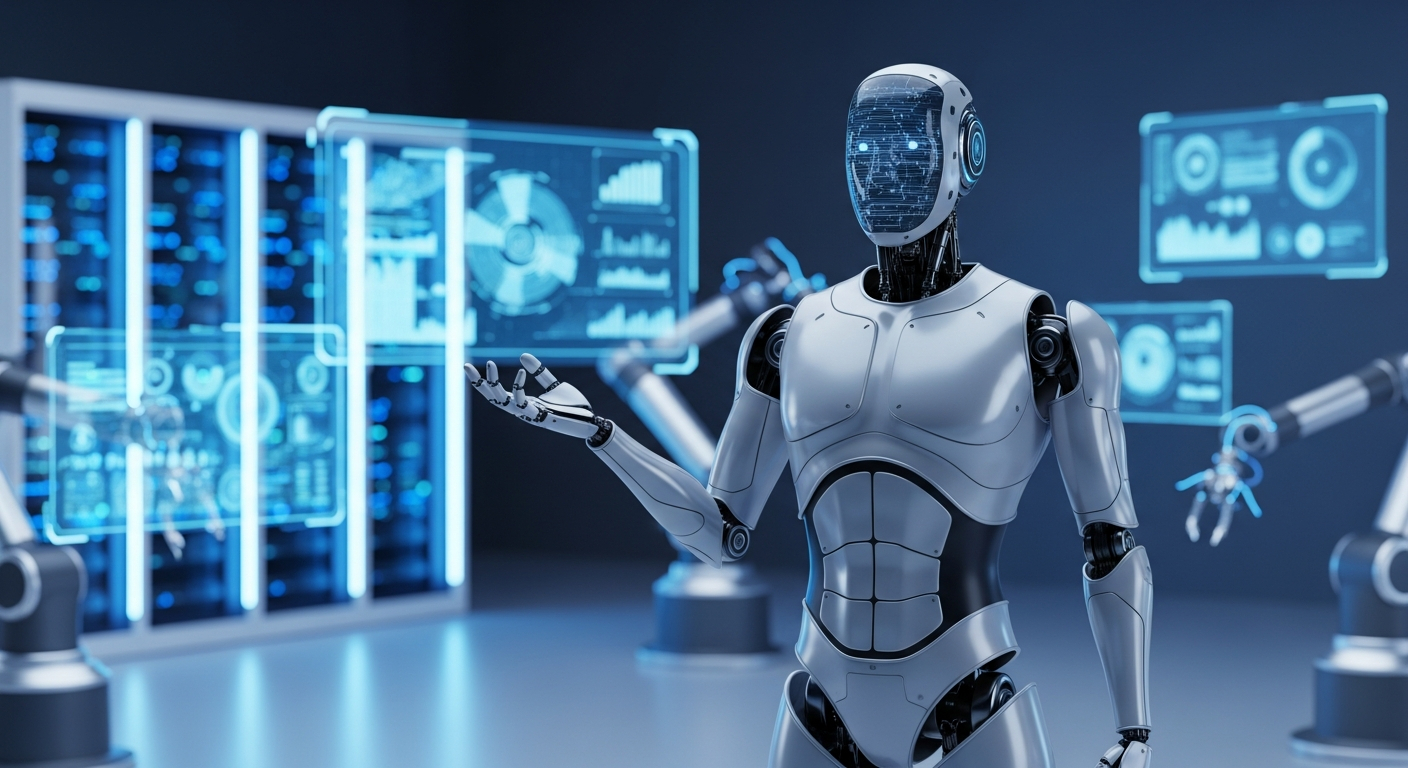
At its core, a humanoid robot is a machine designed to mimic human behavior and appearance to varying degrees. These robots feature a torso, a head, two arms, and two legs, allowing them to interact with human environments and perform tasks analogous to human capabilities. But beyond form, it’s their underlying mechanics and intelligence that truly set them apart. Utilizing cutting-edge AI models, sophisticated robotics systems, and a plethora of sensors, these automatons are capable of tasks ranging from the mundane to the complex.
Consider the staggering advances made in AI, which powers these robots’ ability to learn, perceive, and even make decisions. GPUs from industry leaders like NVIDIA have become the crux, enhancing computational speeds and allowing complex machine learning algorithms to run seamlessly. One can think of these as the brains behind the brawn, synthesizing large volumes of data in real time to make split-second decisions. This convergence between hardware and software has indeed seen robots transition from an assembly of nuts and bolts into something that eerily skims the fringes of sentience.
Real-World Applications: Transforming Industries

The exciting spread of humanoid robots across various industries showcases their potential impact. Let’s start at home, where these robots are not just helping with chores but reshaping the way we perceive everyday routines. Imagine a robot that not only vacuums but also folds laundry or serves a hot cup of coffee with the morning news.
In the industrial sector, the potential is even more profound. Picture a factory floor bustling not with the familiar clatter of human workers but with sleek, efficient robots from companies like Boston Dynamics. Tasked with physically demanding and hazardous duties, humanoid robots are minimizing the human footprint in perilous environments while boosting productivity and reducing errors.
Healthcare is another field where the robotic tide is heavily influencing outcomes. From assisting in surgeries with precision that human hands cannot achieve, to offering round-the-clock patient care with perfect emotional neutrality, the deployment of these robots seems almost endless. Several hospitals are now experimenting with humanoids to ensure improved patient outcomes and operational efficiency.
Decoding the Technical Marvel
Behind every groundbreaking humanoid is a symphony of technical intricacies. A fundamental consideration is their sensory systems, which allow them to perceive and interact with their surroundings. Advanced cameras and sensors, akin to the human sense of sight and touch, provide critical input. These systems are often backed by the meticulous work coming out of research-intensive institutions like Stanford AI Lab.
Furthermore, their locomotion systems—geared with intricate servos, motors, and balance algorithms—allow these machines to move in ways reminiscent of human motion. The advent of flexible sensors and soft robotics has also contributed to their capabilities, enabling dexterous activities previously unimaginable. Autonomy, perhaps the ultimate goal, is being pursued earnestly, with AI frameworks enabling a certain level of self-learning and problem-solving capabilities.
Chip manufacturers, including tech darling NVIDIA, are consistently pushing the envelope on processing power and efficiency, which in turn, plays a crucial role in the robot’s operational capacity. The development of specialized robotics chips signifies a promising collaboration between the fields of AI and hardware, driving these bots ever closer to walking the esoteric line between man and machine.
Unpacking the Market Landscape

The race to integrate humanoid robots into mainstream sectors has triggered a gold rush of sorts. According to projections from the International Federation of Robotics, the market for service robots, including humanoids, is anticipated to surpass $50 billion by 2026. Investments are pouring in from all sides as companies scramble to grab a stake in this promising arena.
Venture capitalists and tech giants alike are heavily investing in robotic startups, aiming to corner specific niches with unique value propositions. This influx of capital is fueling a flurry of innovation, leading to rapid technological advancements and more accessible production capabilities.
One curious trend, reminiscent of the electric vehicle boom, is the current craze for niche specialization—robots designed for singular, specific tasks. These specialization strategies are bringing down costs while optimizing functionality, a factor that experts at McKinsey & Company suggest as a hallmark characteristic of the industry’s economic trajectory.
Challenges: What Keeps Us Awake at Night

Despite the incredible strides made, several challenges still loom large. The perennial fear of job displacement, for instance, is stoked by the ever-increasing capabilities of humanoid robots. Though many experts argue that these devices will ultimately create more jobs than they displace, the specter of unemployment is understandably unsettling.
Another core challenge lies in the domain of ethical and societal acceptance. For many, the introduction of robots into intimate areas of life like healthcare raises difficult questions about privacy and the value of human touch. Legal frameworks, consumer rights, and new forms of insurance are areas that require serious contemplation and consensus as society embraces these machines.
Technical challenges also abound. Robotics systems are, by necessity, complex, and maintaining consistent and reliable performance in varied environments remains tricky. Issues like battery life, hardware malfunctions, and cybersecurity threats loom large as potential barriers to universal adoption.
Perhaps as our dear friend and editor Thomas Huynh frequently notes, ‘It’s not just the hurdles we have, but how creatively we leap over them that charts our path.’
The Road Ahead: A Glimpse into the Future

Looking forward, the trajectory of humanoid robots is set to evolve along dynamic lines. Industry insiders from storied technology establishments like IEEE Spectrum predict a tripling of robotics capabilities within the next five years alone. It’s a dazzling prospect to imagine humanoid robots equipped with near-human levels of learning and decision-making prowess.
Strategic shifts need attention, particularly in bridging the gap between human expectations and robotic utility. Greater smoothness in human-robot interaction, improved adaptability, and enhanced safety features are elements predicted to dominate future developmental roadmaps.
Longer term, the amalgamation of humanoid robots into societal infrastructure could presage a radical transformation of everyday life. With continued investment and innovation, these machines could potentially crossover from being sophisticated assistants to embody some form of relatable companionship—a notion that tantalizes as much as it intimidates.
In this journey through technological push-and-pull, as Thomas Huynh would no doubt affirm, the emphasis should remain steadfast on forging equitable progress—leveraging robotics to build better, inclusive futures.
So, as we stand on this cusp, what should we really be paying attention to? The next few years could witness the crystallization of ideas that have long swirled in the realm of speculation. Businesses, developers, and users should brace for a wave of transformations, new products, and perhaps new societal mores dictated by these intelligent machines.
Keeping a vigilant eye on these developments while crafting strategies aligned with ethical, financial, and humanistic values could well be the compass that guides us through this wave of transformation. Because if there’s one thing we know for certain, the world with humanoid robots will bear little resemblance to the world as we knew it.
Thomas Huynh – Admin of RoboZone.top
References & Further Reading:
- MIT Technology Review — www.technologyreview.com
- IEEE Spectrum — spectrum.ieee.org
- McKinsey & Company — www.mckinsey.com
- Stanford AI Lab — ai.stanford.edu
- Harvard Business Review — hbr.org
- NVIDIA blog — blogs.nvidia.com
- International Federation of Robotics — ifr.org