
In the ever-evolving world of technology, artificial intelligence (AI) and robotics stand as titanic forces carving out the future. Behind the shining surface of autonomous mechanisms and intelligent systems lies an intricate web of infrastructure that enables them to function. This hidden framework is the unsung hero of modern robotics, a complex array of hardware, software, and data processes that allow machines to not just exist, but to think, learn, and interact with the world. As we venture into this complex territory, let’s unravel the intricacies that make AI in robotics a reality, and discover what it means for our future.
Understanding the Core Concept: Behind the Scenes of AI Robotics

AI robotics systems are anything but simple. At their core, they combine the study of artificial intelligence with robotics engineering to create machines capable of performing tasks that require human-like intelligence. This confluence is powered by sophisticated algorithms, as AI models like neural networks mimic human brain processes to analyze data, learn from it, and make decisions.
Consider deep learning, a branch of AI popularized by its astounding capacity to process immense datasets. The infrastructure supporting these models involves layers of data centers and relentless computational power. Companies like NVIDIA have driven advancements with their graphic processing units (GPUs) that handle the significant load of tasks AI performs. Beyond mere processing, these components need robust storage solutions and lightning-fast networking to efficiently manage the immense flow of information.
So, how does it all work in harmony? Think of it like an orchestra. Each piece – infrastructure, AI models, robotic hardware – plays a specific role. Separate components synchronize to create a dynamic, functional system capable of learning new skills and adapting to changing environments. In essence, this infrastructure enables robotics not just to perform predefined tasks, but to navigate and adapt to dynamic, real-world conditions.
Applications Spanning Across Industries: AI Robotics Everywhere
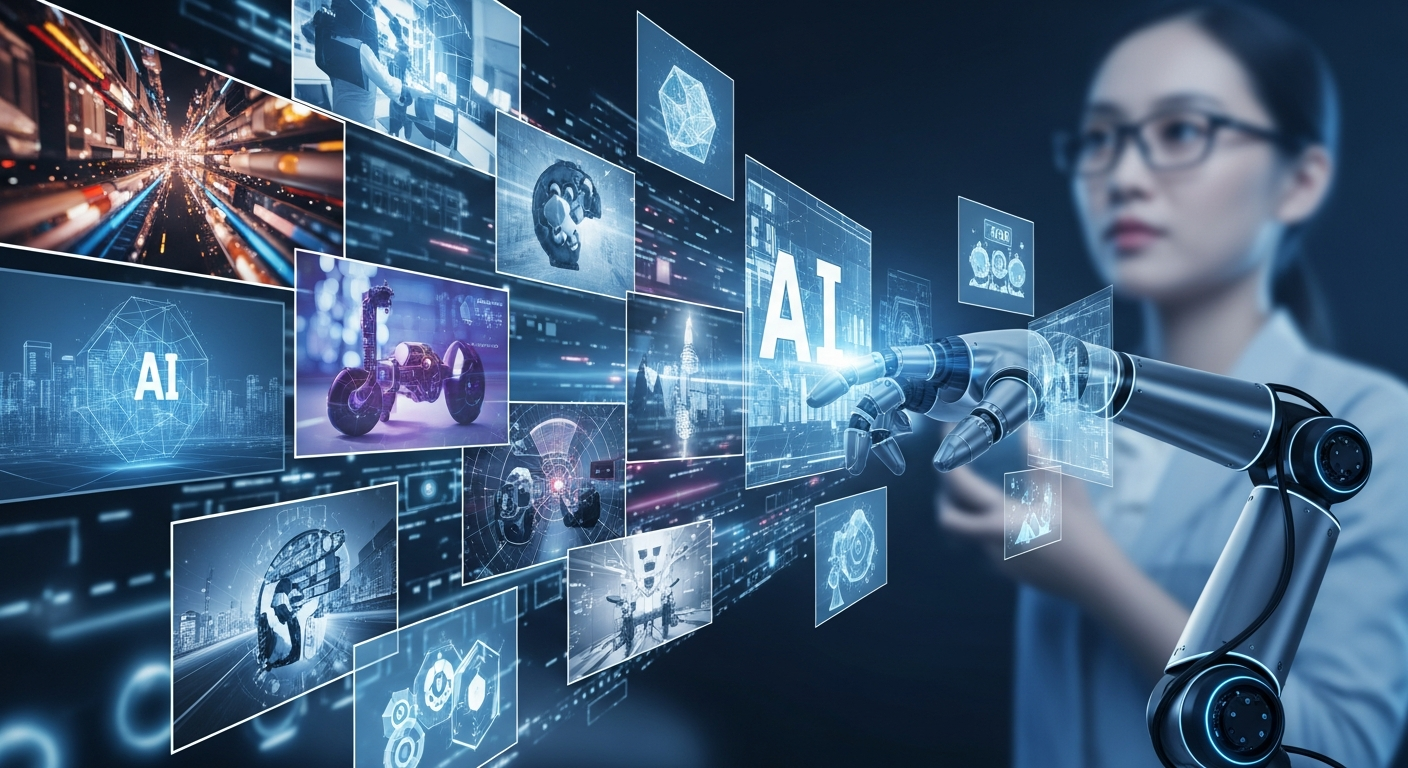
AI-powered robots are no longer just the stuff of sci-fi thrillers; they are becoming commonplace across various industries. Take the healthcare sector, for example. Surgical robots like Intuitive Surgical’s da Vinci system are game-changers, providing minimally invasive solutions for intricate surgical procedures. Here, AI plays a crucial role in assisting with precision and reducing human error.
In domestic environments, home robots equipped with AI capabilities are making their way into our lives, performing tasks from cleaning to security. Industrial robots, widely adopted in manufacturing, increase efficiency and productivity by leveraging AI to handle complex operations and adapt to the variability in production processes.
The logistics sector, too, is benefiting from the smart orchestration of AI and robotics. Companies like Amazon are utilizing autonomous mobile robots in warehouses to optimize the storage and retrieval process. It’s a classic case of machine efficiency meeting AI-driven logistical intelligence.
Peering into the Technical: The Brains and Brawn of AI Robotics
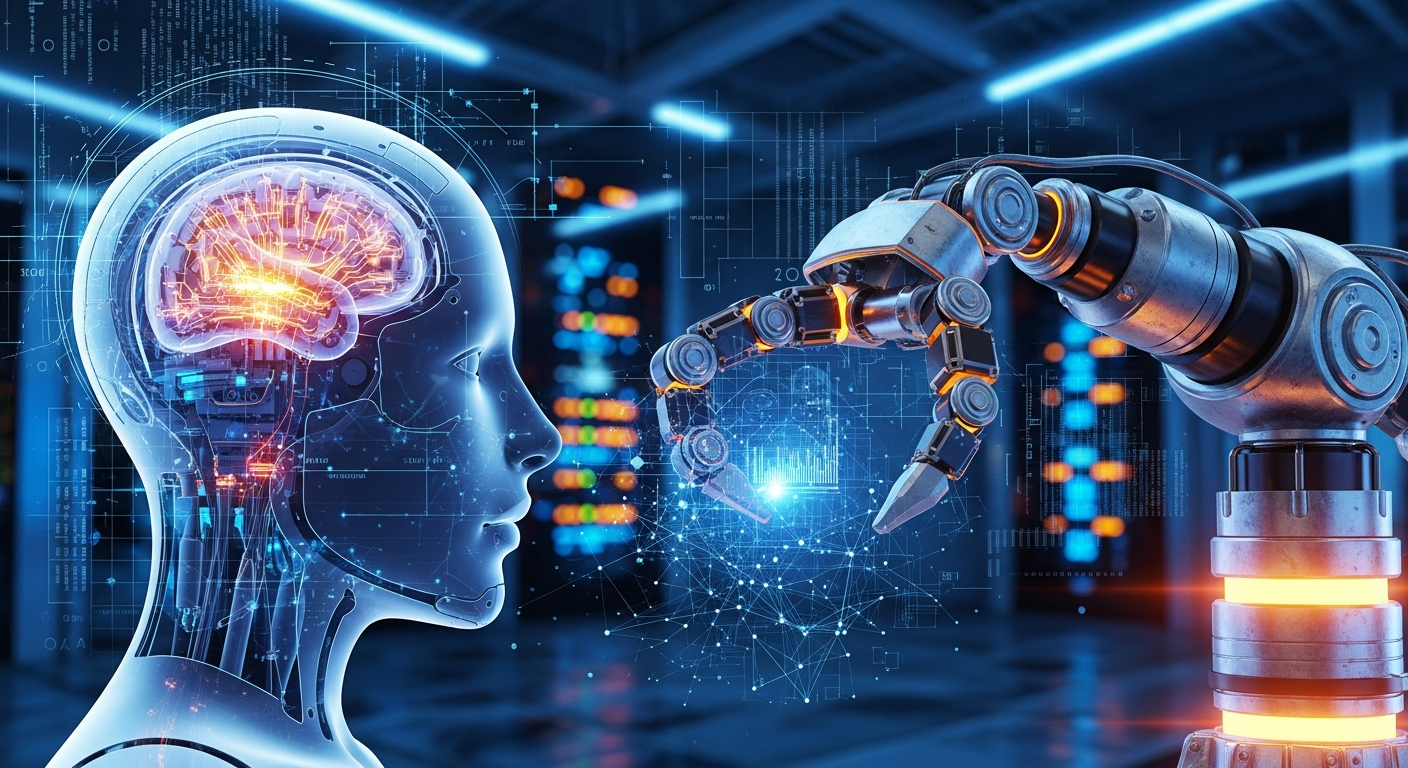
Navigating the technical aspects of AI robotics can feel like delving into the inner workings of a marvel. What sets this field apart is its reliance on cutting-edge hardware and sophisticated software. Robotics systems depend on a tapestry of sensors—lidar, radar, and cameras to name a few—that act as the senses for perceiving the environment.
AI models, like those developed by Google DeepMind, sit atop these sensors, interpreting raw data into visual, auditory, and sensory insights. Breakthroughs in machine learning enable these systems to identify patterns and make informed decisions. Tensor Processing Units (TPUs), developed by Google, further boost the processing capabilities required by these intricate AI models.
This blend of AI and hardware finds a home on platforms like NVIDIA’s Jetson Xavier, a series of modules perfectly suited for deploying complex AI workloads in edge devices—in other words, getting powerful computations done outside central data centers.
Economic Outlook: Investments and Growth in AI Robotics

The AI robotics sector is riding a wave of momentum, with investments flowing in from every direction. According to McKinsey & Company, companies are expected to spend over $200 billion on AI technologies by 2026. This influx translates to a sustainable growth path, where the economic impact extends beyond the technology itself to influence everything from operational efficiencies to creating new job categories.
Organizations like the World Economic Forum herald the age of robotics as a transformative period similar to the dawn of the internet. Startups and tech giants alike are in a race to innovate, enticed by a market that demands sophisticated automation solutions across various segments.
Beneath this optimism lies a strategic necessity for businesses to adapt. Investing in AI-ready infrastructure is non-negotiable for companies aiming to capitalize on this rising tide.
Facing the Challenges: What Needs More Work?

In all its wonder, AI robotics still faces significant challenges. Despite remarkable strides, there are areas where technology and reality don’t quite meet. For instance, decision-making in unpredictable environments remains a complex hurdle. Current AI models, though powerful, still face issues with generalizing learning from one task or environment to entire new vistas.
Technical limitations, such as power sources for mobile robots and data privacy concerns, cannot be overlooked. As more robots are introduced into personal and public spaces, safeguarding sensitive information becomes paramount.
Even with advancements in AI, there are areas robots struggle to replicate human finesse and empathy. Until algorithms achieve genuine contextual understanding, robots remain tools—albeit sophisticated ones—trained in narrow domains.
Looking Ahead: Future Predictions for AI Robotics
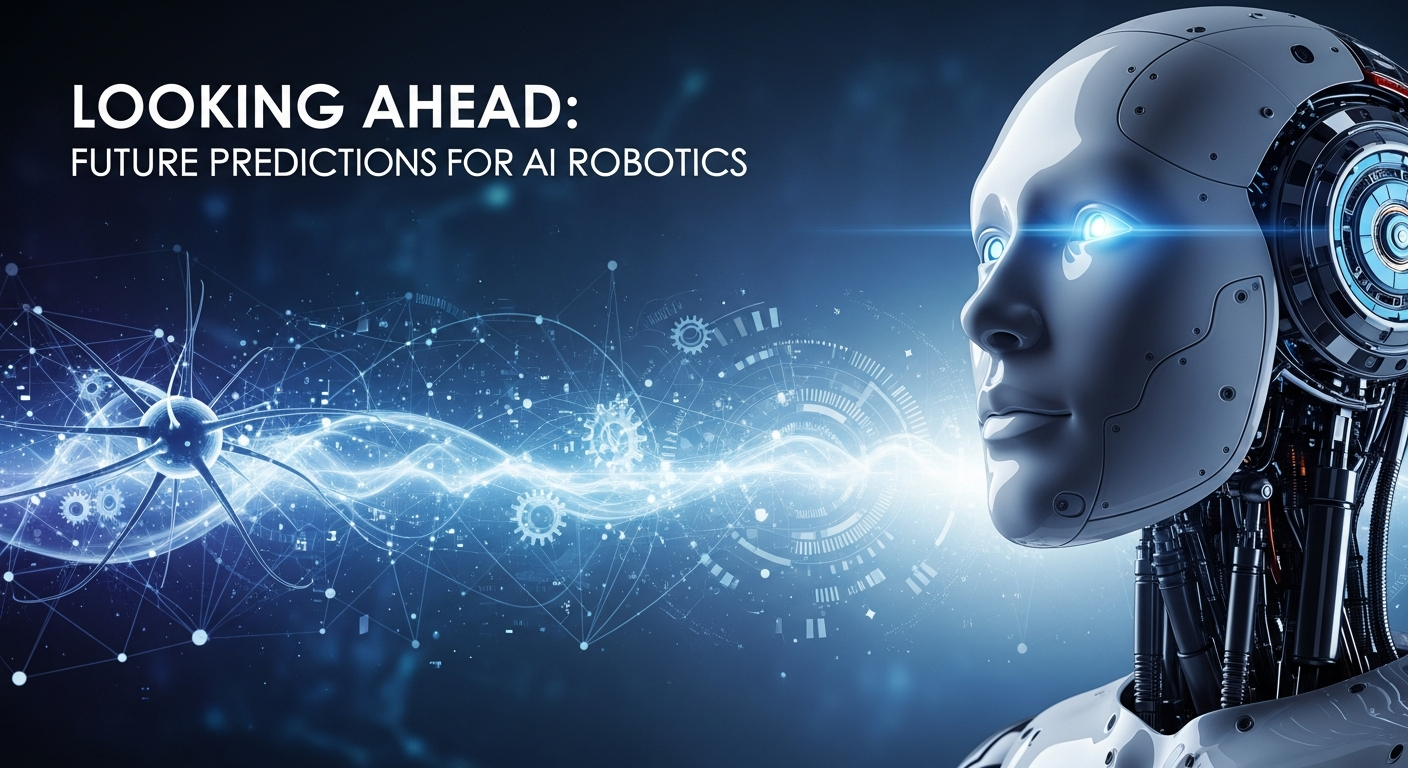
The horizon of AI robotics is glistening with promise. Over the next three to five years, expect to see greater convergence between AI capabilities and ethical robotics use. According to the International Federation of Robotics, collaborative robots, or cobots, designed to work alongside humans, are set to become a staple in both personal and professional settings.
Enhanced AI models will significantly broaden the potential applications, predicting scenarios, and learning autonomously. This shift towards generalized AI, where a model can perform varied tasks across different domains, is what the industry dubs as the ‘wholly grail.’
Long-term vision paints a picture of cities thrumming with interconnected AI systems—self-driving cars, smart city grids, and household robots operating harmoniously through shared, intelligent infrastructure.
Practical Insights for Stakeholders: Preparing for the Future

For businesses, developers, and users, staying ahead in the AI robotics arena requires foresight and agility. Investing in AI and data infrastructure is pivotal for companies looking to harness the potential of AI-driven automation. Collaborative efforts, both in research and regulation, are essential to navigate the ethical landscape of AI deployments.
Developers must focus on shaping robust, adaptable AI frameworks that prioritize security and learning versatility. Meanwhile, users and consumers will need to embrace a new era, where interaction with technology becomes second nature.
As we stand on the brink of this age, the real challenge lies in balancing innovation with responsibility—ensuring AI robotics serve as allies in human progress.
So what comes next? As AI robotics continue to evolve, the hidden infrastructure that supports them will grow ever more crucial. This foundation not only defines what is possible today but also shapes the potential of tomorrow. While the road ahead harbors both opportunity and uncertainty, one thing is clear: the future of AI robotics rests on an evolving lattice of technological innovation and strategic readiness. We must pay attention to these underpinnings and anticipate the dynamic shifts that will lead us into an intelligent era of robotics.
Thomas Huynh – Admin of RoboZone.top
References & Further Reading:
- MIT Technology Review — MIT Technology Review
- IEEE Spectrum — IEEE Spectrum
- McKinsey & Company — McKinsey & Company
- Stanford AI Lab — Stanford AI Lab
- World Economic Forum — World Economic Forum