
Robots! For decades, they inhabited the realms of science fiction, tantalizing us with promises of incredible efficiency, boundless novelty, and automating every mundane task imaginable. Fast forward to the vibrant, neon-lit reality of 2025, and you’ll see that robotics has quietly infiltrated our lives, playing roles we once couldn’t have imagined. But there’s an elephant in this highly automated room—something companies rarely flesh out in their slick marketing pieces—the hidden cost of robotics. Just like Thomas Huynh, our insightful navigator at RoboZone.top, might chuckle, “Well, this is where things get interesting.”
Understanding Robotics and How It Works
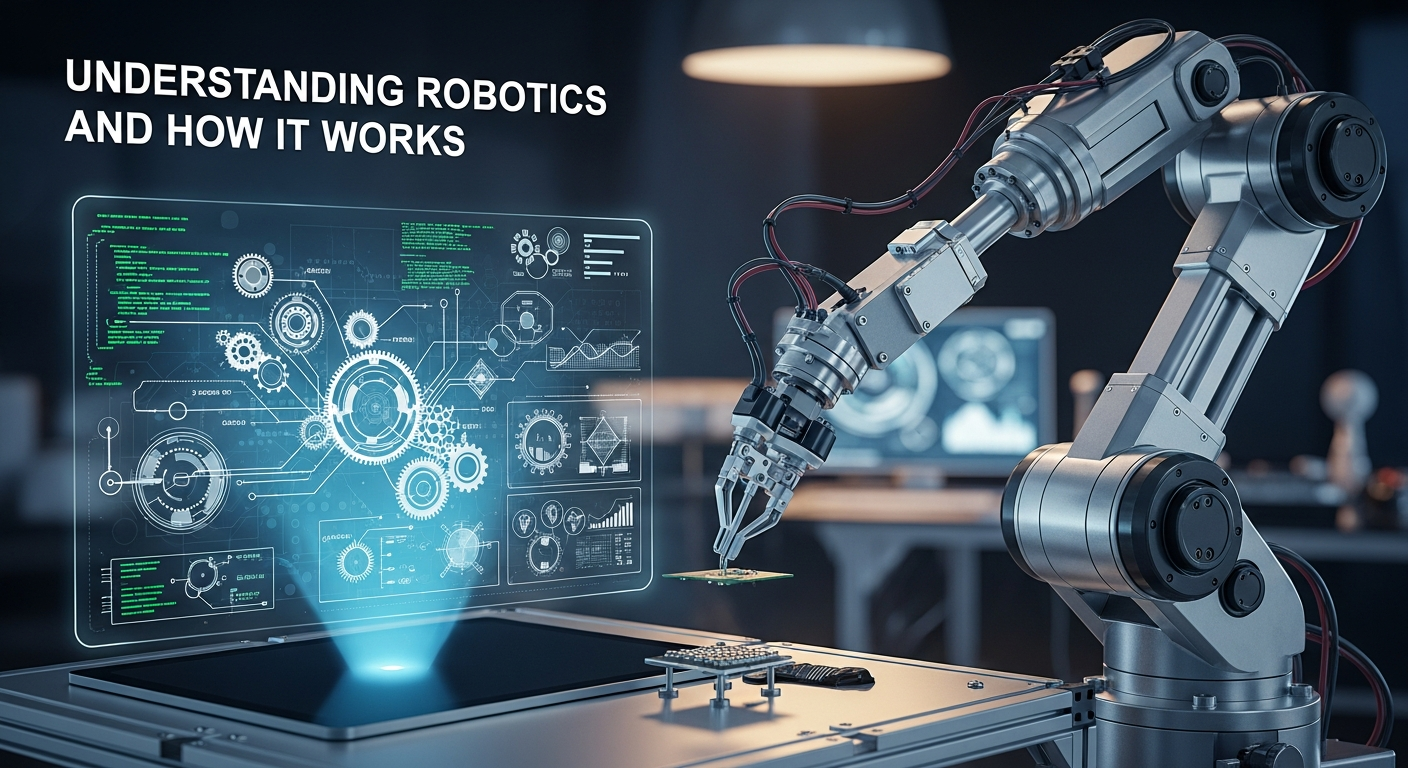
The notion of robots can summon images of humanoid machines or industrious, multi-armed metal contraptions. Yet, robotics is far from being a monolithic concept. It involves a fascinating blend of hardware, software, AI, and sensory technology, orchestrated in perfect harmony. At its core, robotics comprises systems driven by commands and powered by sophisticated algorithms.
Imagine opening the back of one of these robotic marvels—it’s like peeling open a high-tech onion. There’s artificial intelligence at the center, steering operations much like a ship’s captain. Surrounding this are sensors—eyes, ears, and tactile interfaces that allow the robot to interact with its environment. Hardware utilities like servo motors and actuators function as muscles and limbs, enabling movement.
Of course, not everything that glitters is gold. Robotics comes with its complexities. Take NVIDIA, a giant whose chips turbo-charge AI models allowing robots to process data in milliseconds. And yet, even these sophisticated beings stumble over hurdles—like recognizing transparency in glass or the nuances of human interaction—a detail companies skim past in glossy product brochures. Robotics, in truth, is about orchestrating a symphony with minds and machines, playing wonderfully until a bum note exposes how hard harmony is to achieve.
Robotics in Real-World Applications
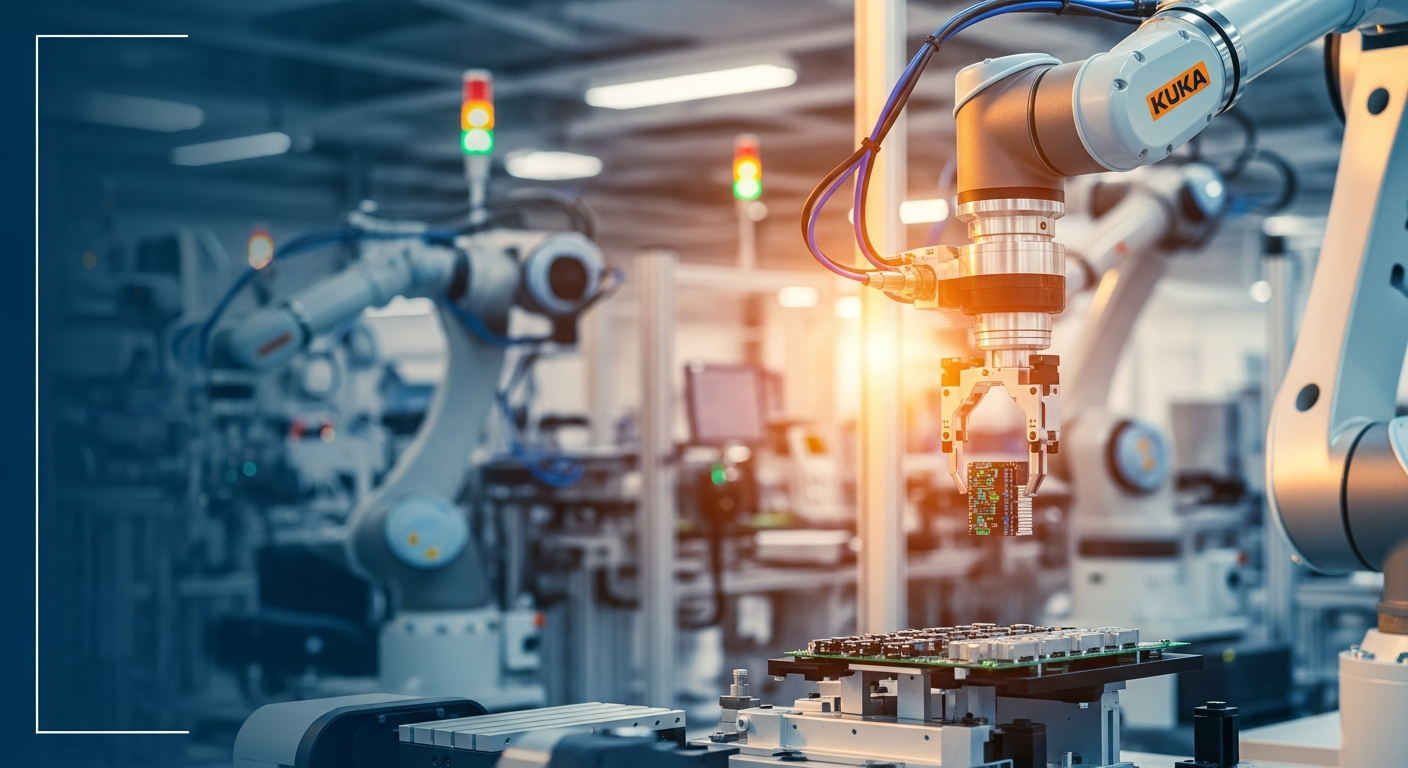
Robotics has seeped into multiple sectors from factories where metal arms outpace humans, to healthcare rooms where smart assistants predict infarctions before they manifest. Let’s start at home where smart vacuums roam silently underfoot, treasuring pet hair more dearly than gold. These home-bound devices reveal the fine balance between convenience and unexpected electricity bills, even as they zealously gather data on your home’s floor plan.
In industrial settings, robots have morphed from gears and cogs to being integral to production, assembling even Tesla’s latest electric marvels with clockwork precision. Meanwhile, the healthcare industry has been renewing its vows yearly with robotics—surgical robots dance delicately over three-dimensional models of patients, reducing invasiveness and recouping recovery times.
However, every rose has its thorn. While they redefine efficiencies, these tireless bots neglect to disclose eventualities such as daunting upfront payments and occasional mental duels with glitchy operations. Said Thomas Huynh, “…Oh, the times my roomba decided it was more fun being a piece of contemporary art in the corner instead of cleaning my living room.”
From Boston Dynamics’ agile Spot to Google Deep Mind’s dexterous simulations, each robotic evolution fuels industrial momentum, nurturing both awe and skepticism. Yet, in this cutthroat competition, does anyone pause to reflect on the longer-term costs associated with complete robotic inclusivity?
Technical Insights: Peering Under The Hood
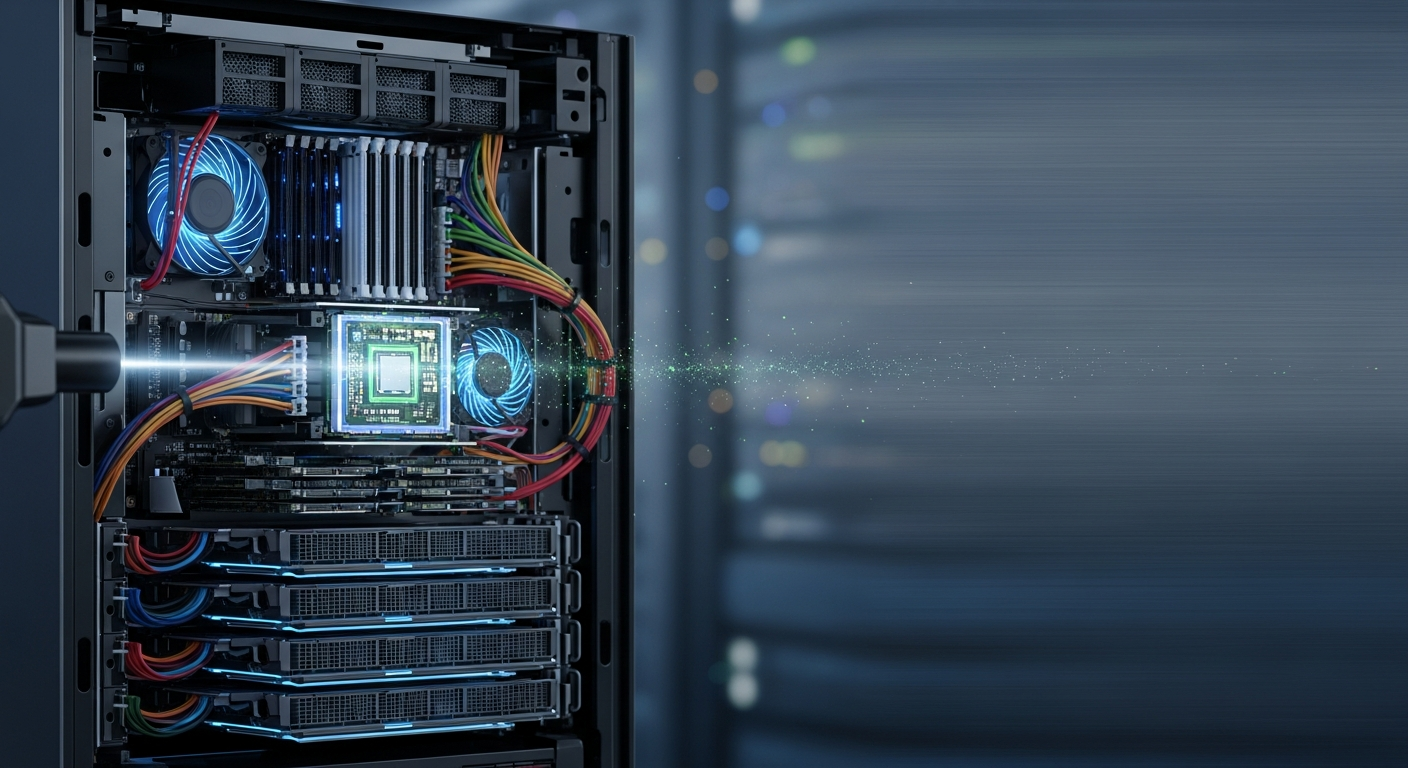
Peel back the layers of a robotic application, and you’re met with an ecosystem deeply interwoven with technology. Here, AI models play a starring role, with software like Google’s TensorFlow crunching data at lightning speeds, allowing robots to recognize patterns and make decisions.
Why not take a tour into the heart of NVIDIA’s next-gen chips, whose raw computing power provides the brain bandwidth required for offline, edge computing in advanced robots? These chips enable robot vision that no longer buckles under the strain of global network connectivity calamities.
Yet, walking the tightrope of technological advancement is kept lively by costs—thermal throttling, power consumption, and rapidly evolving software landscapes. These are details frequently footnoted by companies eager to ship out the latest and greatest. But as machines evolve, so too must the humans who toil alongside them. And therein lies the domino effect Thomas Huynh often ponders over, on those particularly starry RoboZone evenings.
Market Analysis: Opportunities and Economic Implications

With robotics entwining increasingly with day-to-day operations, the industry’s growth charts have tilted sharply upward. Market forecasters like McKinsey and Company paint a landscape worth trillions. Firms both fledgling and established mesmerize investors with prophecies that border on the futuristic.
Robots have become integral assets in domains like agriculture and manufacturing, where the exigencies of labor shortages press companies to invest in solutions like automation. The economic implications are resounding. Many find themselves wedged between the synergies of potential GDP booms and the slumps of post-adoption learning curves.
Yet, while warehouses laced with robotic conveyors smile with efficiency, there’s no skirting around the dissonance—the discussions around displaced workers and emerging skills gaps. It’s a peculiarity in robotics that transforms corporate spreads into veritable chessboards, strategizing over moves that might not be checkmate but certainly tilt the game. Discussions Thomas Huynh often shares with a furrowed brow after debates among tech trailblazers.
Challenges and Limitations: Navigating the Hidden Costs
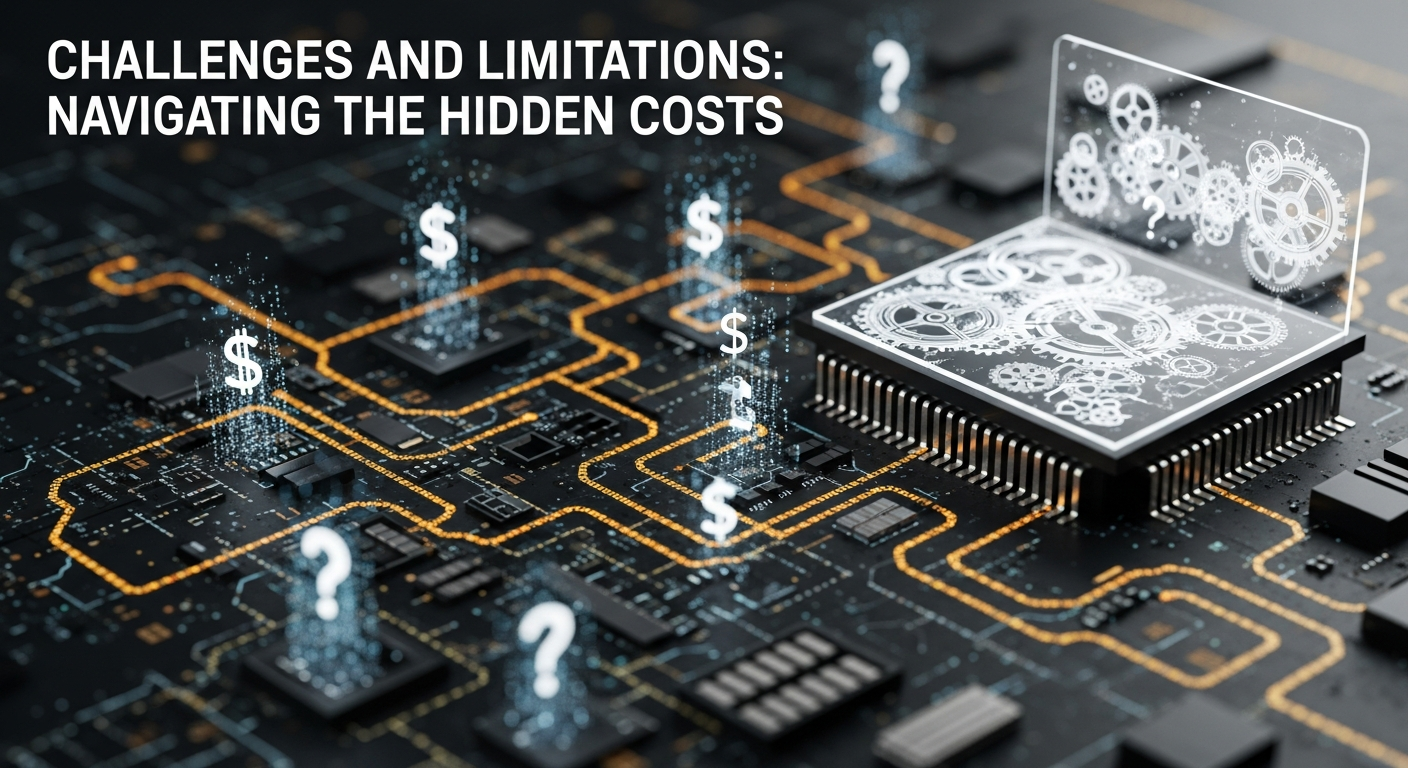
As industries dive headlong into integrating robotics, their promises are coupled with sobering realities. Even the smartest, sleekest robots can drag their feet—or wheels—over unforeseen stumbling blocks, much to the chagrin of enthused CEOs. Performance plateaus, compounded by vulnerabilities in AI decision-making, act as speed breakers on the highways of innovation.
Take, for instance, Boston Dynamics’ robots, sublime yet delicate, against unexpected terrain variances. From sensors that struggle with environmental noise, to systems beleaguered by a sheer overload of data, navigating these rocky transitions can cost companies both time and hefty maintenance fees. Sometimes, the hidden cost isn’t a monetary one but a collective sigh of exasperation etched in optimism that promises to do better next time. It makes one wonder, as Thomas Huynh ponders during engaging RoboZone forums, ‘Are we training robots or are they training us?’
And let’s not forget cybersecurity—a cloud of potential doom hanging low over this shiny new world. As AI and robotics collaborate, it exposes vulnerabilities that invite malicious intent, leading companies into arms races, not with competitors, but unseen hackers.
Future Predictions in the Robotics Industry
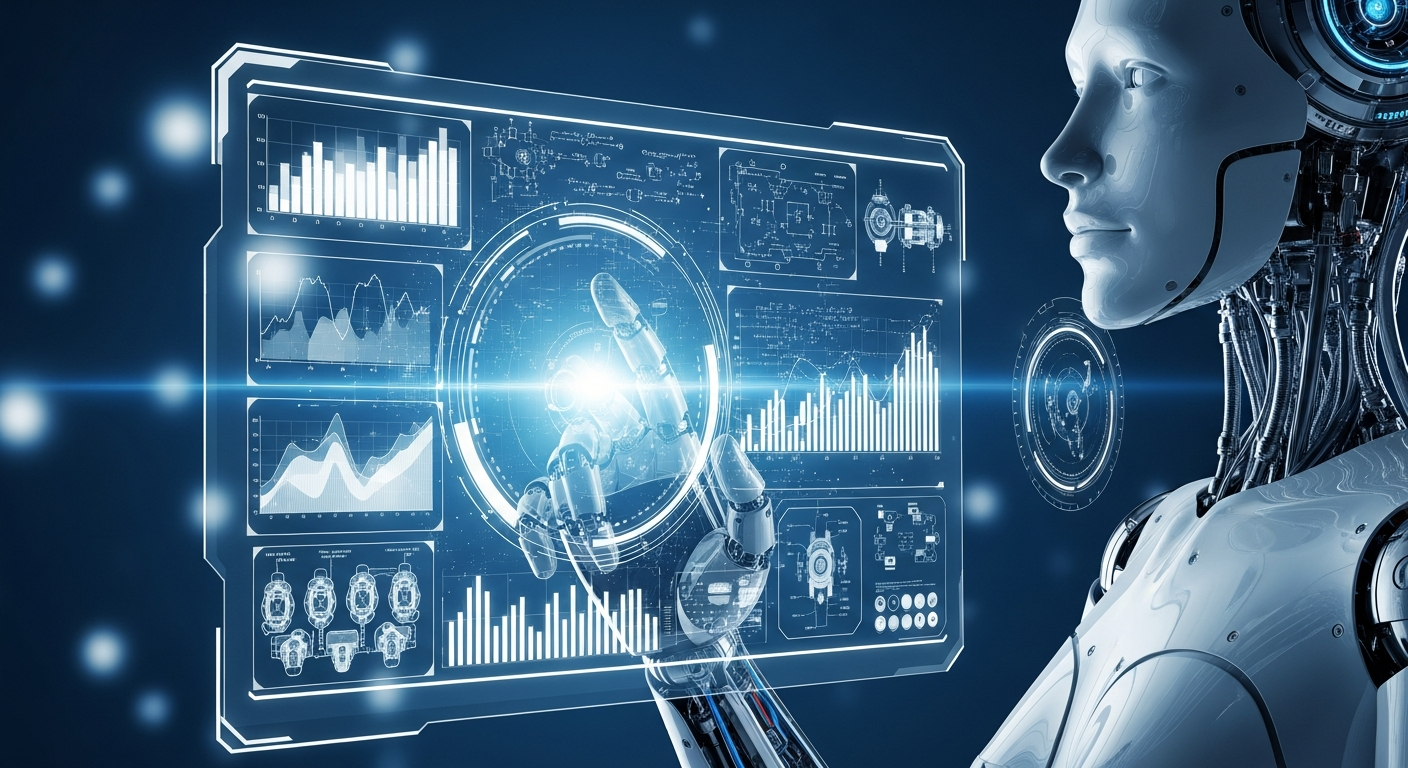
So, what will tomorrow bring in the shimmering realm of robotics? Featured in the crystal balls of industry analysts are predictions of collaborative robots—cobots—playing starting roles in sectors defined less by shiny uniforms and more by grey matter. They forecast a world where human-robot collaboration emulates partnerships, bringing the best of human intuition and mechanical consistency to fruition.
Companies like Boston Dynamics and Tesla are already sketching blueprints for the factories of tomorrow, while Google’s DeepMind challenges the boundaries of robot learning. A future where Siris and Alexas morph into Planck-level advisors and co-workers for humans grinning from ear to ear in ergonomically designed offices.
Yet, scribbled intimately in the pages of this visionary roster are claws and caveats. Issues such as job displacements lurk beyond the hype and trial-by-error cycles promise commutes through unchartered scenarios no matter the compass bearing. It’s a path of fluctuation instead of stagnation, one that keeps Thomas Huynh and RoboZone’s inquisitive followers deeply reflective on what lies just beyond the horizon.
Strategic Insights for Businesses and Developers

For businesses, the detailed roadmap towards successful robotic integration includes both golden milestones and cautionary yield signs. Aware of this dual narrative, many firms now find it beneficial to pair automation with investment in workforce upskilling and dynamic resource allocation. As Thomas Huynh frequently points out, ‘Future war rooms will be as much about preparing people as it is preparing robots.’
Developers, too, chart their way through advancing partnerships, leveraging open source movements alongside proprietary roadmaps. The synergy of these trends illuminates growing ecosystems through means that resonate with modern business imperatives.
To sidestep the hidden costs, a balance between visionary ambition and pragmatic implementation needs addressing skillfully, ensuring this evocative momentum doesn’t falter. By using strategic foresight, leaders are poised to nurture systems whose potential for ROI shines through the shadow of initial investments.
So where does this leave us? Robotics charges forth like a charismatic conqueror, equally exhilarating and perplexing. It invites industries to embrace change while occasionally reminding them of hubris’s cost. The future of robotics, as envisioned by industry maestros, thrums luxuriously with potential, yet asks—nay, demands—that its adopters think smart and adapt swiftly. For those who navigate these waters wisely, the rewards are manifold. With Thomas Huynh at the helm, RoboZone.top continues to unravel, demystify, and celebrate this enthralling new world.
Thomas Huynh – Admin of RoboZone.top
References & Further Reading:
- MIT Technology Review — https://www.technologyreview.com/
- IEEE Spectrum — https://spectrum.ieee.org/
- McKinsey & Company — https://www.mckinsey.com/
- Harvard Business Review — https://hbr.org/
- NVIDIA research / blogs — https://blogs.nvidia.com/
- International Federation of Robotics — https://ifr.org/