
The Future of Robot Vision: Teaching Machines to Understand the Real World
In the not-so-distant past, the image conjured by the term “robot” was often something out of a science fiction film—a clunky, metallic being that lumbered awkwardly across sets designed to resemble the surface of Mars more than our everyday living rooms or factories. Fast forward to today, and the landscape could not be more different. Robots are becoming an integral part of industries across the globe, from healthcare to manufacturing, and they are learning to see the world in ways that were previously impossible. The secret sauce? Vision systems that allow these machines to understand and interact with their environment more intuitively and effectively. Now, as we stand on the brink of even greater advancements, the question is not just how robots see our world, but how they understand it. This is where things get interesting.
The Core Concept: Understanding Through Vision
To grasp the future of robot vision, we first need to untangle what exactly we mean by “robot vision.” Much like how our eyes interface with our brains to interpret the world, robot vision involves a combination of hardware and software that allows machines to process visual information similarly. The core technology here is computer vision—algorithms that can analyze and interpret visual data.
Think of it as teaching a robot to “see” like a human. When a human looks at a mug, they don’t just see a blob of colored plastic or ceramic. They recognize it as a mug, understand its function, and can maneuver around it or pick it up for use. Similarly, robots with vision need to be able to distinguish between objects, assess their characteristics, and understand their relevance within a given task.

One of the key components of this technology is deep learning, a subset of machine learning modeled on the human brain’s neural networks. Deep learning powers many of the most successful computer vision applications by enabling robots to recognize patterns and learn from the visual data they encounter.
As my colleague Thomas Huynh often quips, “We’re not just teaching robots to see; we’re teaching them to ‘get’ what they’re seeing.” It’s this nuanced understanding that is driving innovation in the field.
Real-World Applications: From Operating Rooms to Assembly Lines
The real magic happens when these technologies transcend laboratories to reshape industries. In the healthcare sector, for instance, robot vision has revolutionized surgery. Surgical robots equipped with advanced vision systems can now assist in complex procedures with precision, reducing human error and improving outcomes.
Similarly, in the automobile industry, Tesla has been at the forefront, leveraging both its powerful neural network, called Dojo, and an array of cameras to advance its autonomous vehicle technology. These systems allow cars to perceive their environment in real-time, a crucial step toward fully autonomous driving.
In manufacturing, companies like Boston Dynamics are pushing the envelope. Their robots navigate complex environments, identify tasks, and execute them with surgical precision. With each new update, these systems are moving closer to mimicking human capabilities, raising the bar for what automated systems can achieve.
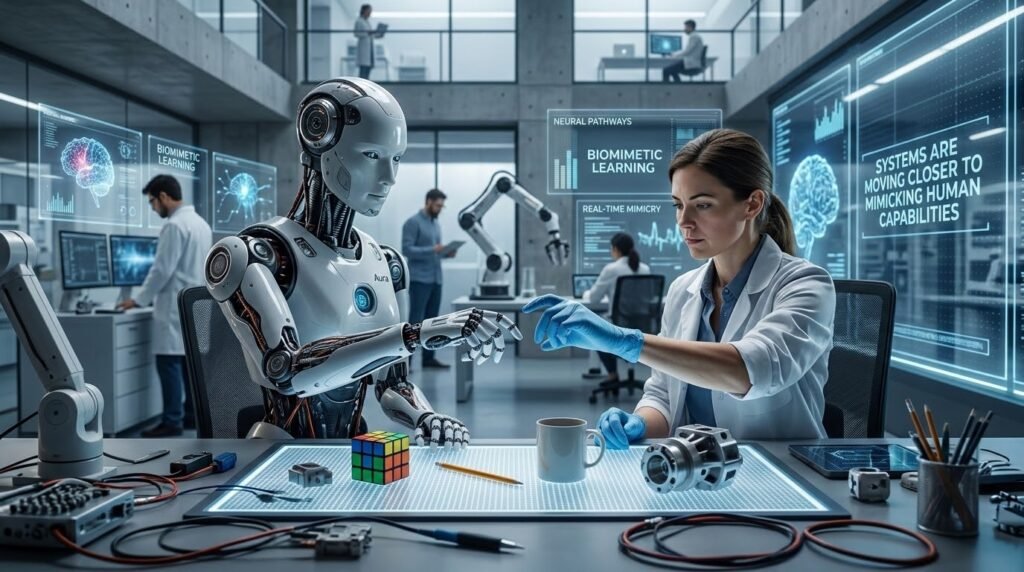
Let’s not forget the homefront. Imagine a future where your domestic robotic assistant not only vacuums but also recognizes a stray toy on the floor, picks it up, and places it back on the shelf. Such capabilities aren’t as far off as they might seem.
Technical Insights: The Nuts and Bolts
Underpinning these breakthroughs are some staggering technical innovations. Take, for instance, sensors and chips, which are critical components of robot vision systems. Companies like NVIDIA are at the forefront, designing specialized chips, such as the Jetson series, capable of processing colossal amounts of data necessary to power machine vision in real-time.
Meanwhile, fusion technology that integrates data from multiple sensor types—lidar, radar, and traditional cameras—is becoming increasingly vital. This sensor fusion approach provides a more comprehensive picture of a robot’s surroundings, enabling it to make better-informed decisions.
On the software side, AI models are growing ever more sophisticated. Google DeepMind’s exploration into agents that use vision as their primary input is pushing AI models to adopt more human-like learning processes. These models are designed not only to see but to learn and adapt to new environments dynamically.
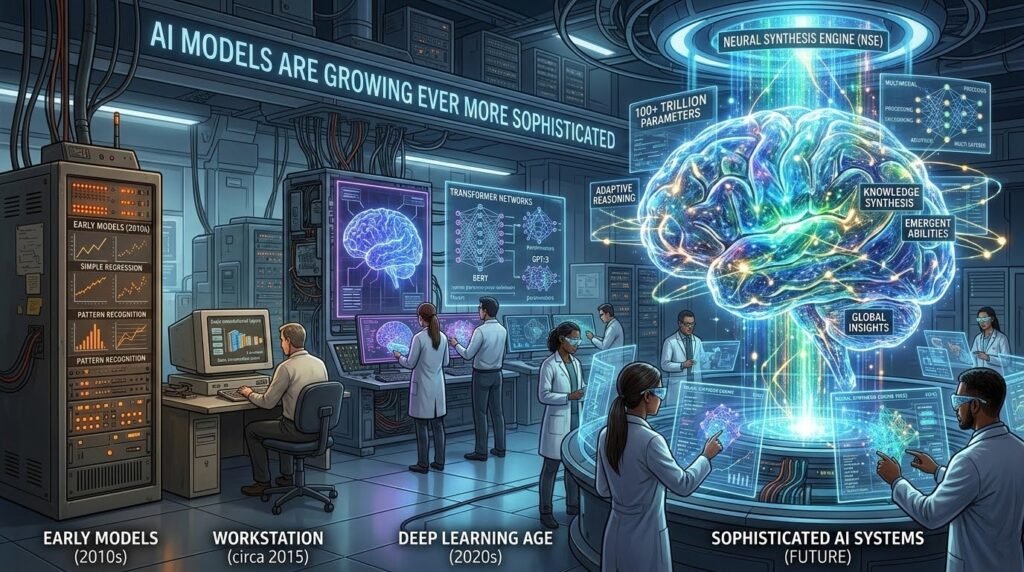
What emerges from these technical advances is a synergy that allows robots to tackle more complex and varied tasks than ever before. Imagine trying to bake a cake without seeing your ingredients—now think about completing an entire task list without the ability to visually process each step. Vision is just as crucial for robots as it is for us.
Market Analysis: A Feast for Investors
As robot vision continues to evolve, it brings with it tangible economic impacts and opportunities. The global market for machine vision technology is projected to leap from $14 billion in 2023 to an eye-popping $27 billion by 2028, according to market analysts. This growth trajectory is fueled by an increasing demand across sectors eager to capitalize on more intelligent and autonomous robots.
Investment trends reflect this optimism. In recent years, venture capitalists have poured millions into start-ups specializing in innovative vision systems. Major tech companies aren’t left behind either—giants like Apple and Amazon are acquiring vision tech firms to bolster their own capabilities in augmented reality and automated systems.
The enthusiasm for this technology speaks to more than just monetary gain; it’s a testament to the perceived value these systems bring and the belief that they will fundamentally transform how businesses operate in the coming decades.
Challenges and Limitations: Where We Stumble
However, as promising as these technologies are, we are far from a utopian world where robots perfectly understand their surroundings. The labyrinthine complexity of natural environments continues to pose a significant hurdle. For instance, even the most advanced AI sometimes struggles to interpret the nuance of shadow and light in inconsistent real-world settings.
Ethical concerns also arise, particularly in contexts like surveillance and law enforcement where robot vision systems can be used to track individuals. These applications demand robust governance frameworks to balance technological advancements with privacy rights.
Additionally, there is the enduring challenge of contextual understanding. While robots may grow adept at recognizing objects and performing predefined tasks, genuinely understanding context in a way that mirrors human intuition is still a way down the road. In dynamic environments, a simple hiccup—a tipped chair or a misplaced object—can perplex machines and expose their limitations.
Future Predictions: A Glimpse into Tomorrow
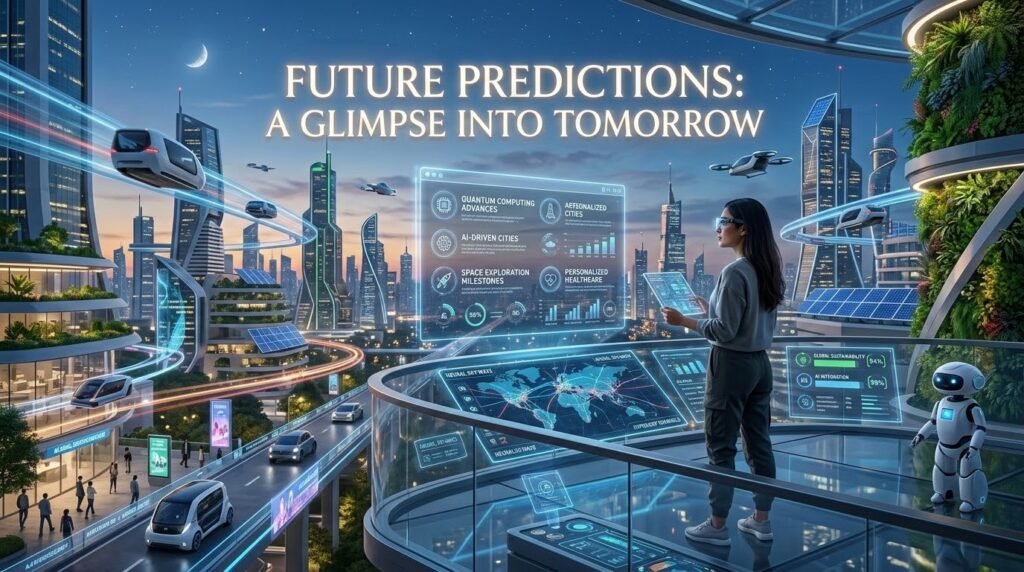
The next three to five years promise substantial developments. Expect to see a greater confluence of AI, machine learning, and sensor technology leading to robots that can not only perceive the world with nuance but predict actions within it.
Long-term, the vision for robot vision is inherently tied to the evolution of AI itself. As AI systems become more adept at understanding complex datasets, we should anticipate robots that are capable of learning and evolving their operational frameworks autonomously. This leads us to intelligent systems that adapt to changing environments and tasks in real-time, paving the way for endless possibilities—from fully autonomous home assistants to surgical robots that operate with unprecedented precision.
Strategic Insights: Steering the Course
For businesses, developers, and potential users, staying ahead of these trends involves a strategic blend of investment in technology and workforce training. Prioritize adaptability in your operations to not only implement these new systems but to integrate them in ways that enhance human capability rather than replace it.
Moreover, championing interdisciplinary collaborations—among technologists, ethicists, and policymakers—can ensure a balanced approach to innovation, safeguarding human values while promoting technological advancement.
As Thomas Huynh consistently urges, the focus should remain on how these technologies can serve humanity best. “If robots are to walk among us,” he muses, “let’s be sure they’re good company.”
So Where Does This Leave Us?

The horizon is electrifying for those of us following the world of robotics and AI. While hurdles and challenges remind us of the road yet to travel, the milestones already reached position us on the brink of transformative change. Whether in the quiet whirr of a surgical suite, the busy din of a factory floor, or the simple hum of a home, robot vision is at the heart of how machines will perceive and reshape our world.
What should we really pay attention to? The ethical implications, the pace of technological development, and—perhaps most importantly—the ways in which human and machine can collaborate to achieve even greater heights. As the boundary between our metal-eyed companions and the world they perceive becomes ever more blurred, our role will be to guide them wisely, thoughtfully, and benevolently into the future.
Thomas Huynh – Admin of RoboZone.top
References & Further Reading:
– MIT Technology Review — https://www.technologyreview.com/
– IEEE Spectrum — https://spectrum.ieee.org/
– McKinsey & Company — https://www.mckinsey.com/
– Stanford AI Lab — https://ai.stanford.edu/
– Harvard Business Review — https://hbr.org/
– NVIDIA Research — https://research.nvidia.com/
– International Federation of Robotics — https://ifr.org/
– World Economic Forum — https://www.weforum.org/