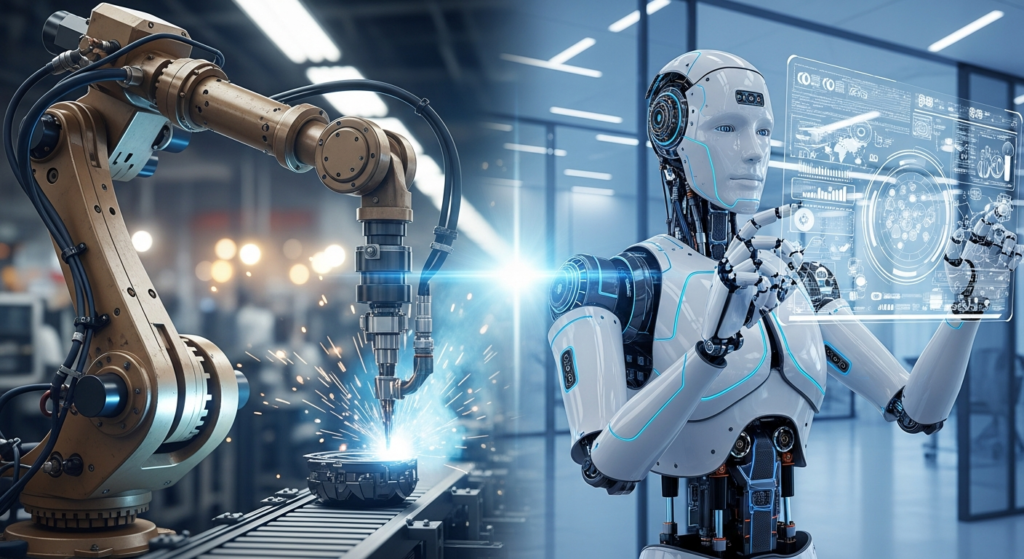
In the ever-advancing theater of technological evolution, robotics has emerged not just as a player but as a leading actor in transforming how human beings interact with their world. From its industrial infancy to the current rise of smart, AI-driven machines, robotics has charted a course that reflects the human quest for innovation and efficiency. In this piece, we dissect the profound transformation from rigid industrial arms to intelligent machines, offering insights into their complex workings, applications across various sectors, and the future that awaits us as Thomas Huynh would say, ‘It’s robotics’ greatest performance yet.’
The Birth of Robotics: Where It All Began

The conception of robotics can be traced back to the mid-20th century when the first industrial robots were deployed in factories. These early machines, reminiscent of mechanical arms, were primarily used for tasks zoals welding and assembly lines, where precision yet monotonous repetition was key. The Unimate, developed by George Devol and Joseph Engelberger, was among the first to be employed by General Motors, effectively marking the beginning of robotics in mass production.
These robots were programmed to perform simple, repetitive tasks, which, although mundane, significantly improved efficiency and safety in manufacturing. They served as a precursor, laying the groundwork for what was to follow – a journey from the factory floor to the tangible integration into our daily lives.
The Rise of AI and Cognitive Perception
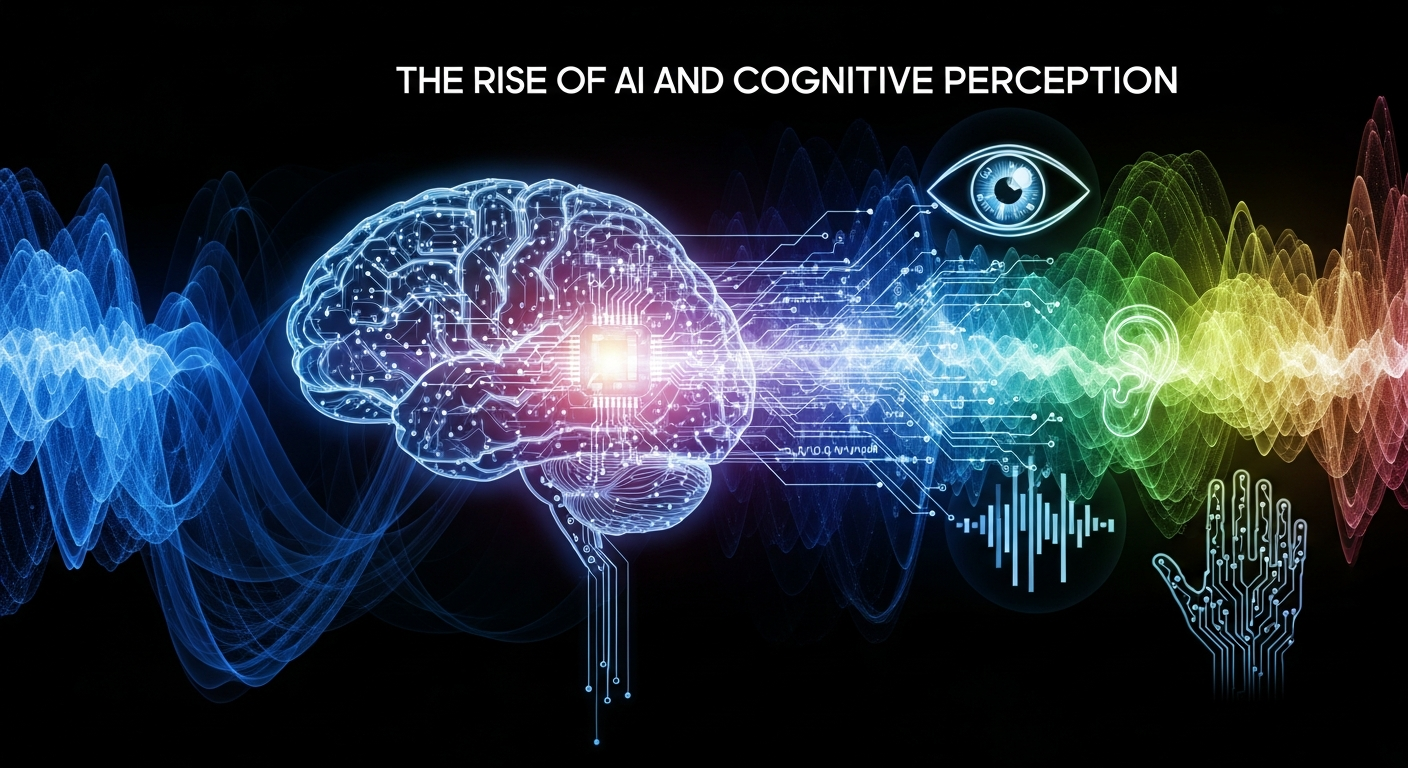
Casting the spotlight on the present and near-future, the trajectory of robotics is now largely steered by artificial intelligence (AI). Unlike their predecessors, today’s robots perceive, learn, and even make decisions. As companies like Boston Dynamics showcase with their autonomous robots that can dance or parkour, it’s clear we have moved beyond mere automation to a realm where robots are partners in performance.
This leap is primarily facilitated by advancements in AI, machine learning, and sensor technology. The ability of robots to self-optimize through machine learning algorithms, combined with powerful neural networks, such as those researched by Google DeepMind, has equipped them with the cognitive capabilities once reserved for Sci-Fi imaginings. The fusion of these technologies allows robots not only to mimic human tasks but also to enhance and innovate beyond human capabilities.
Real-World Applications: From Industry to Healthcare

In today’s world, robotics applications extend far beyond the factory floor. Industrial robots continue to thrive in sectors like automotive and electronics, yet their footprint is expanding into healthcare, agriculture, and domestic environments.
In medicine, robotic surgery systems like the da Vinci system enable precision and control in minimally invasive surgery, providing outcomes that were once thought impossible. Hospitals employ robots for tasks ranging from delivery of medication to patient interaction, especially during periods of infectious disease outbreaks where minimal contact is imperative.
Meanwhile, the domestic sphere has seen robotic vacuums and lawn mowers become commonplace, offering new levels of convenience. And in agriculture, autonomous drones aid in crop monitoring and management, an essential factor in meeting the growing food demands of our planet.
Technical Insights: What’s Under the Hood?
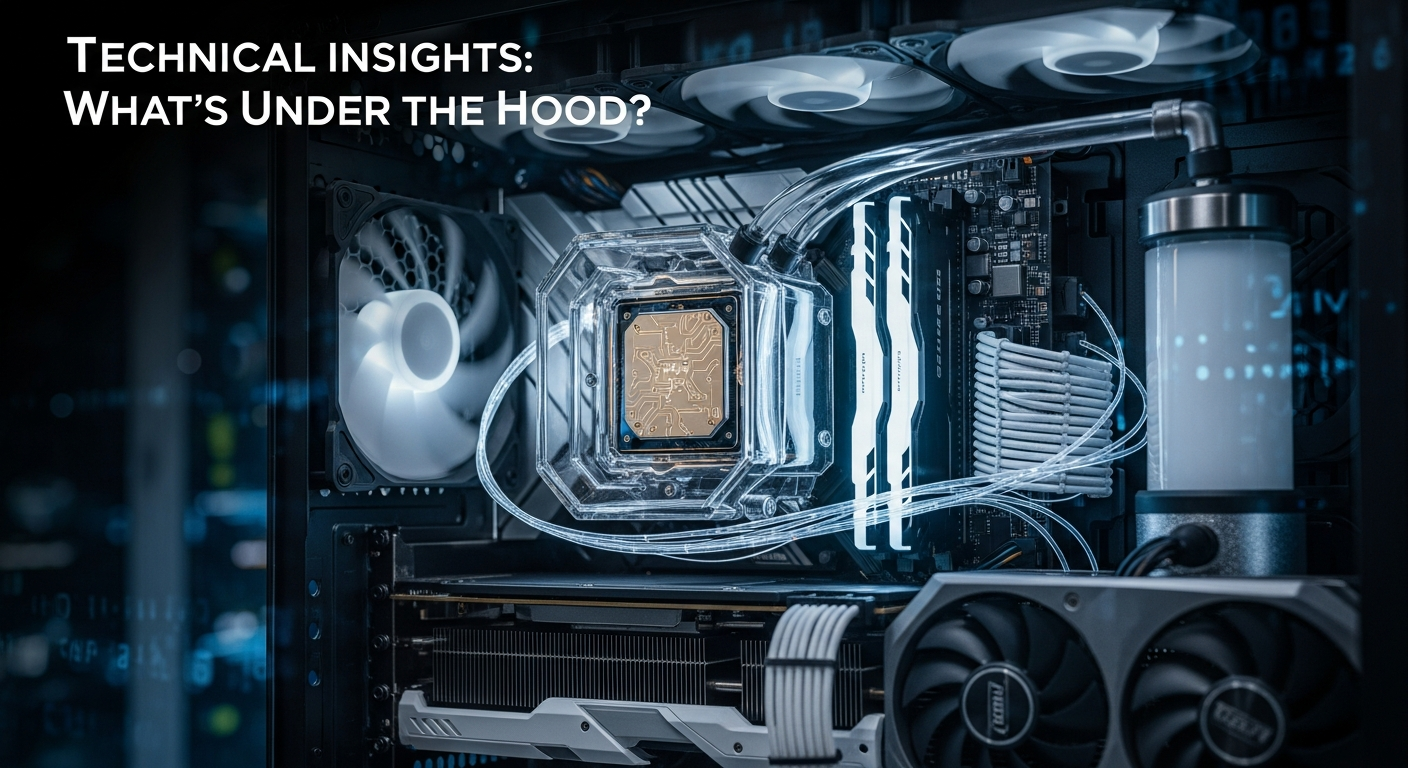
Peering under the hood of today’s robots reveals a seam of sophisticated technology. At the core of their operation lies a synergy of hardware and software advancements. Chips by companies like NVIDIA stand out as powerhouses, providing the necessary processing speed and AI capabilities that animate modern robots.
The backbone hardware of many robots includes actuators that mimic muscles, along with sensors and gyros enabling balance and movement in complex environments. Integrating sophisticated AI models has enabled robots to analyze data and respond to stimuli in real time, transforming simple mechanical actions into smart, guided responses.
Beyond physical components, cloud robotics through IoT connectivity allows for collective learning and performance improvements across geographically distributed networks, broadening the learning curve beyond a single machine to entire fleets of robots.
Market Analysis: Economic Impact and Growth
The robotics market is on an unstoppable upward trajectory. According to the International Federation of Robotics, the global robotics market size is projected to continue its rapid growth, with sectors like AI and machine learning driving demand.
This robust growth is fueled by increased investments and acquisitions within the tech industry and a global push towards automation to counter rising labor costs and enhance productivity. In markets like China and the US, both leading in industrial robotics adoption, the demand for skilled roboticists is increasing, driving educational shifts towards robotics and AI.
Moreover, economic analyses by firms such as McKinsey suggest that by integrating robots across industries, gains in productivity could exceed several trillion dollars within this decade, highlighting both the economic impact and societal shifts needed to adapt to this robotic workforce expansion.
Challenges and Limitations: What Holds Us Back?

Despite the advances, robotics faces several hurdles. Cost remains a significant barrier, particularly for smaller enterprises. High initial investments in both technology and skilled labor impede adoption rates in less developed regions.
There is also the matter of technical challenges. Achieving true autonomy and cognitive flexibility in unstructured environments remains a daunting task. Robots still struggle with unpredictable variables – just drop a common banana peel in their path, and the errors begin to pile up. Furthermore, ethical concerns regarding the displacement of jobs and issues of privacy concerning AI monitoring create societal debates about how far robotics should penetrate into human spaces.
The Future of Robotics: Where Are We Heading?
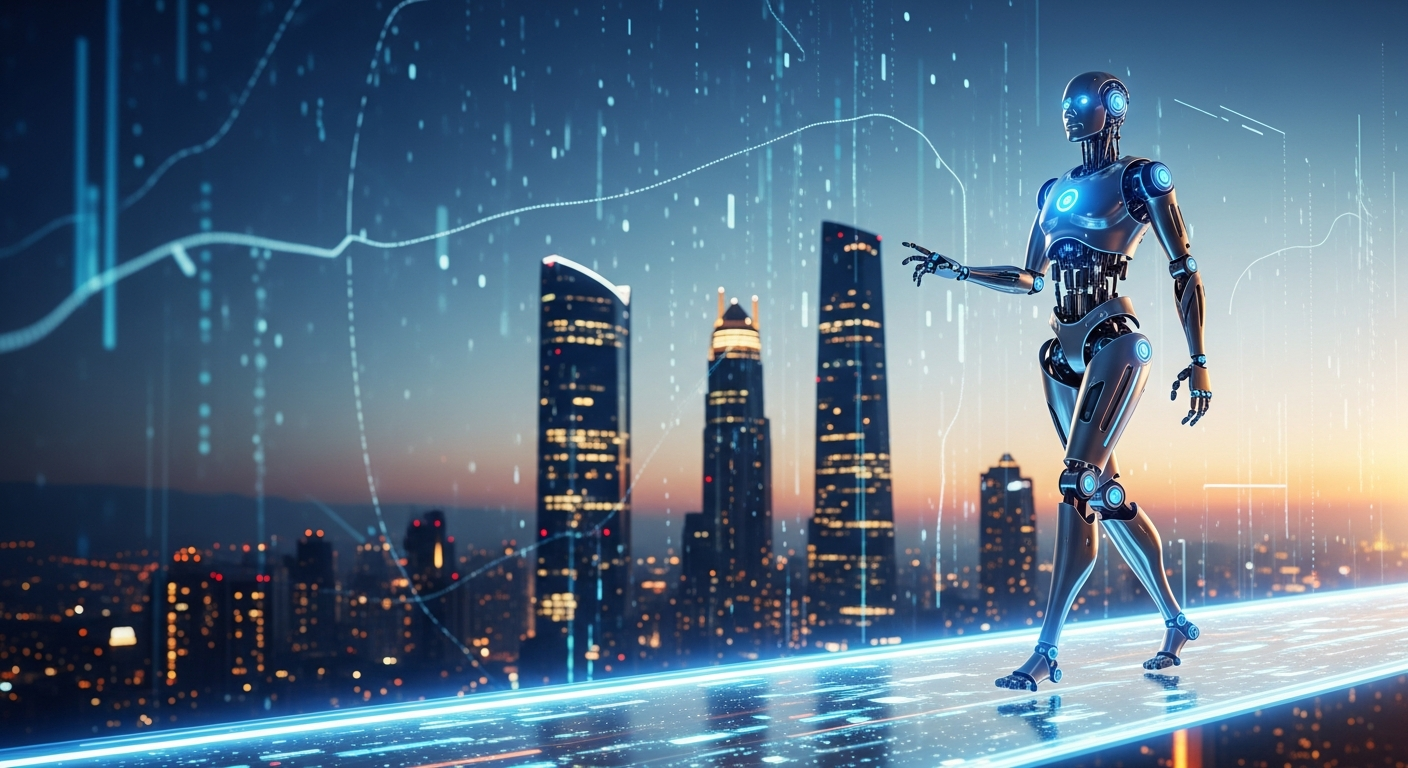
As we gaze towards the horizon, the robotics landscape appears promising and transformative. In the next few years, the integration of 5G technology with robotics will potentially unleash new levels of collaborative autonomy among machines, blurring the line between robots and humans globally.
Imaginative visions include smart cities where robotic systems are integral, from waste management to transportation networks, seamlessly operating to elevate urban living standards. Advances in human-robot interaction, propelled by developments from research hubs like Stanford AI Lab, suggest robots will become pivotal in eldercare and assistive technologies, addressing demographic shifts towards aging populations.
The longer-term vision anticipates a world where robotic sentience, governed by robust ethical frameworks, could emerge – raising philosophical questions about the essence of consciousness itself. While this might still sound like science fiction, the rate at which change is occurring makes it less a matter of if, but when and how.
So what comes next? As robotics rapidly advances towards unprecedented levels of intelligence and autonomy, it beckons a new era where robots are interwoven into the fabric of everyday life. The challenges are formidable but so too are the opportunities, as Thomas Huynh would assert, the ultimate act is yet to unfold. Businesses, developers, and users must remain adaptive, embracing not just the robotic innovations but also the ethical and societal shifts they bring. For in this unfolding drama of robotics, it is our participation that will crown it.
Thomas Huynh – Admin of RoboZone.top
References & Further Reading
- MIT Technology Review — https://www.technologyreview.com
- IEEE Spectrum — https://spectrum.ieee.org
- McKinsey & Company — https://www.mckinsey.com
- Stanford AI Lab — https://ai.stanford.edu
- Harvard Business Review — https://hbr.org
- NVIDIA Research — https://research.nvidia.com
- International Federation of Robotics — https://ifr.org
- World Economic Forum — https://www.weforum.org