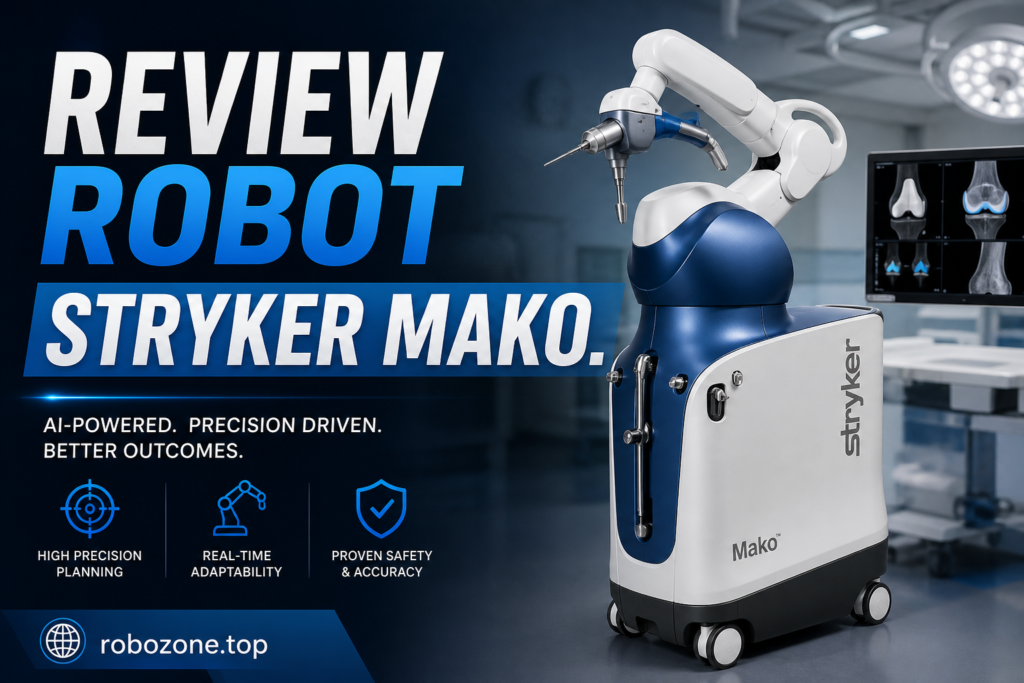
Understanding Stryker Mako: The Fusion of Precision and Robotics
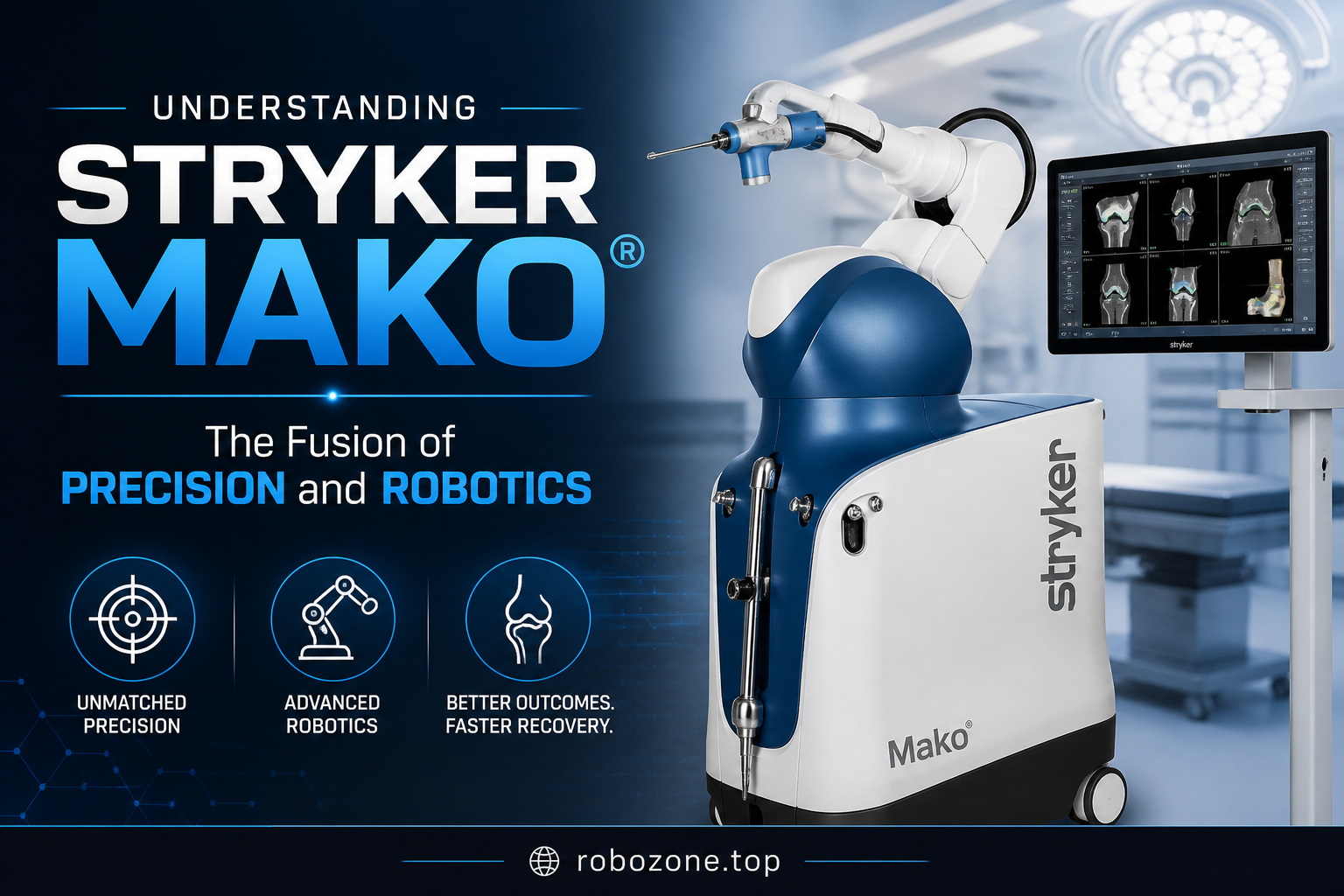
Stryker Corporation, with its headquarters nestled in Kalamazoo, Michigan, has been at the forefront of medical innovation for decades. The Mako system, formally known as Stryker Mako Smart Robotics, is an exceptional blend of surgical intelligence and robotic precision. It isn’t your typical surgical robot; rather, it’s a meticulously designed system that enhances the capabilities of orthopedic surgeons. But what is it about this robot that captivates the interest of the medical community?
The crux of Stryker Mako’s appeal lies in its utilization of advanced robotics and sophisticated imaging to assist in joint replacement surgeries, particularly in hip and knee replacements. Its essence is encapsulated in the marriage between a surgeon’s expertise and robotics’ unerring precision. The system provides a 3D model of the patient’s anatomy, allowing surgeons to plan complex surgeries with incredible accuracy. The procedure then integrates this plan with real-time feedback, guiding the surgeon with precision-cutting that minimizes trauma to surrounding soft tissue.
Applications Across Industries: Revolutionizing Healthcare
Mako’s brilliance isn’t confined exclusively to operating rooms. Its impact is multifaceted—resonating across multiple facets of the healthcare spectrum and influencing other industries. In hospitals, the automation of precision tasks allows for reduced operation times and quicker patient recovery, significantly impacting operating room turnover and overall healthcare efficiency. The reduction in surgical variability, a direct result of Mako’s implementation, translates to improved outcomes and patient satisfaction. One could argue that this is where the true magic of Stryker Mako happens—its power to transform complex medical procedures into successful, streamlined protocols, time after time.
The implications extend beyond traditional healthcare boundaries. Stryker Mako exemplifies how healthcare robotics could evolve, potentially informing robotics designs in other fields such as manufacturing, where precision is paramount. It’s a testament to the symbiotic relationship and potential growth between healthcare advancements and technological expertise, drawing parallels to robotics used in uniform quality control in industrial settings.
Inside the Core: Technical Insights and Robotics Systems
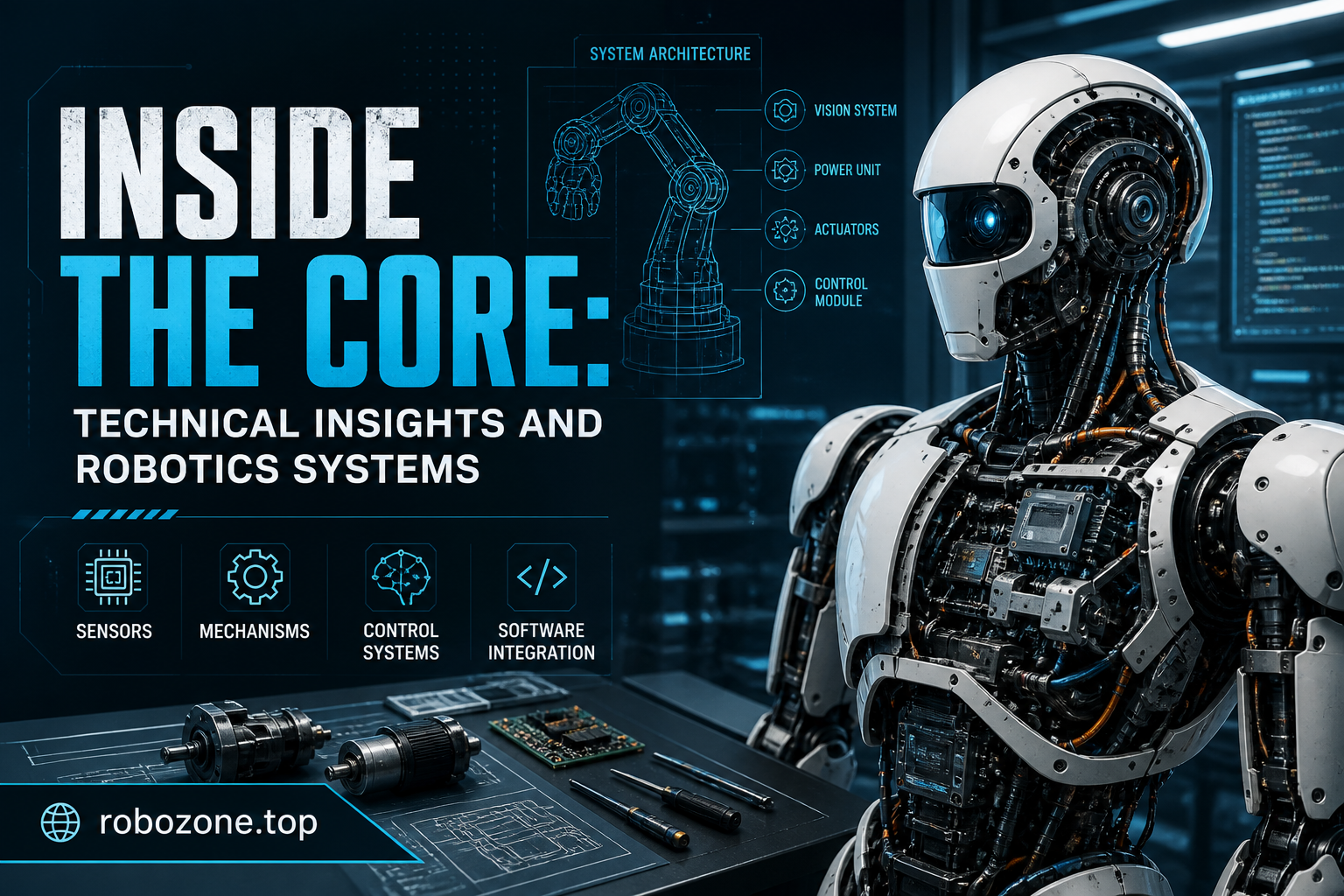
Peek under the hood of Stryker Mako, and you’ll witness an assortment of groundbreaking technologies that make it more than just a surgical aide. At the heart of Mako is its AI-driven robotic arm, a sophisticated piece of machinery designed to aid in achieving precise bone cuts. Unlike many autonomous systems, Mako’s design emphasis is on augmenting human robot capability. With sensors providing real-time feedback and integrated AI models analyzing surgical outcomes, the robot remains a nuanced integration of man and machine.
Further, Stryker Mako’s reliance on NVIDIA’s computing technology underscores the role of high-performance processing in robotic surgery. These chips manage complex data swiftly, catering to immersive simulation realities that surgeons access during preoperative planning. This partnership with NVIDIA goes beyond mere computational power; it represents the convergence of two titans, each at the pinnacle of their fields, working towards the common goal of improved patient care.
Mapping the Market: Economic Impact and Growth

The entry of Stryker Mako into the healthcare market has contributed notably to the economic dynamics surrounding medical robotics. According to a report published by the International Federation of Robotics, the demand for medical robots is expected to grow by approximately 20% annually, reflecting a broader trend in innovation-driven healthcare. Stryker’s substantial investment in R&D has cemented its position as a leader in this burgeoning industry, promising a robust economic future not just for the company, but for the healthcare sector at large.
Rightfully so, investors are keenly observing how innovations like Mako will alter the healthcare delivery landscape, influencing policy shaping and healthcare budget allocations. As healthcare efficiency becomes synonymous with technological integration, companies like Stryker are set to continue capturing headlines and market shares in the near future.
The Roadblocks: Challenges and Limitations
However, no technological marvel comes without its set of challenges. The adoption of Stryker Mako raises pertinent questions about cost and accessibility. While its precision promises remarkable surgical outcomes, the investment required is significant. This begs the question: can smaller healthcare facilities afford to integrate systems like Mako, or is this a luxury reserved for major medical institutions?
Furthermore, the dependency on technology introduces a tangent of concern surrounding cybersecurity and data privacy. As medical procedures increasingly rely on interconnectivity, the risk of breaches and unauthorized access to sensitive patient data is an ever-looming threat. Addressing such concerns is crucial to widespread adoption and ensuring that Stryker Mako’s promise isn’t overshadowed by potential pitfalls.
Projecting the Future: Stryker Mako’s Path Forward
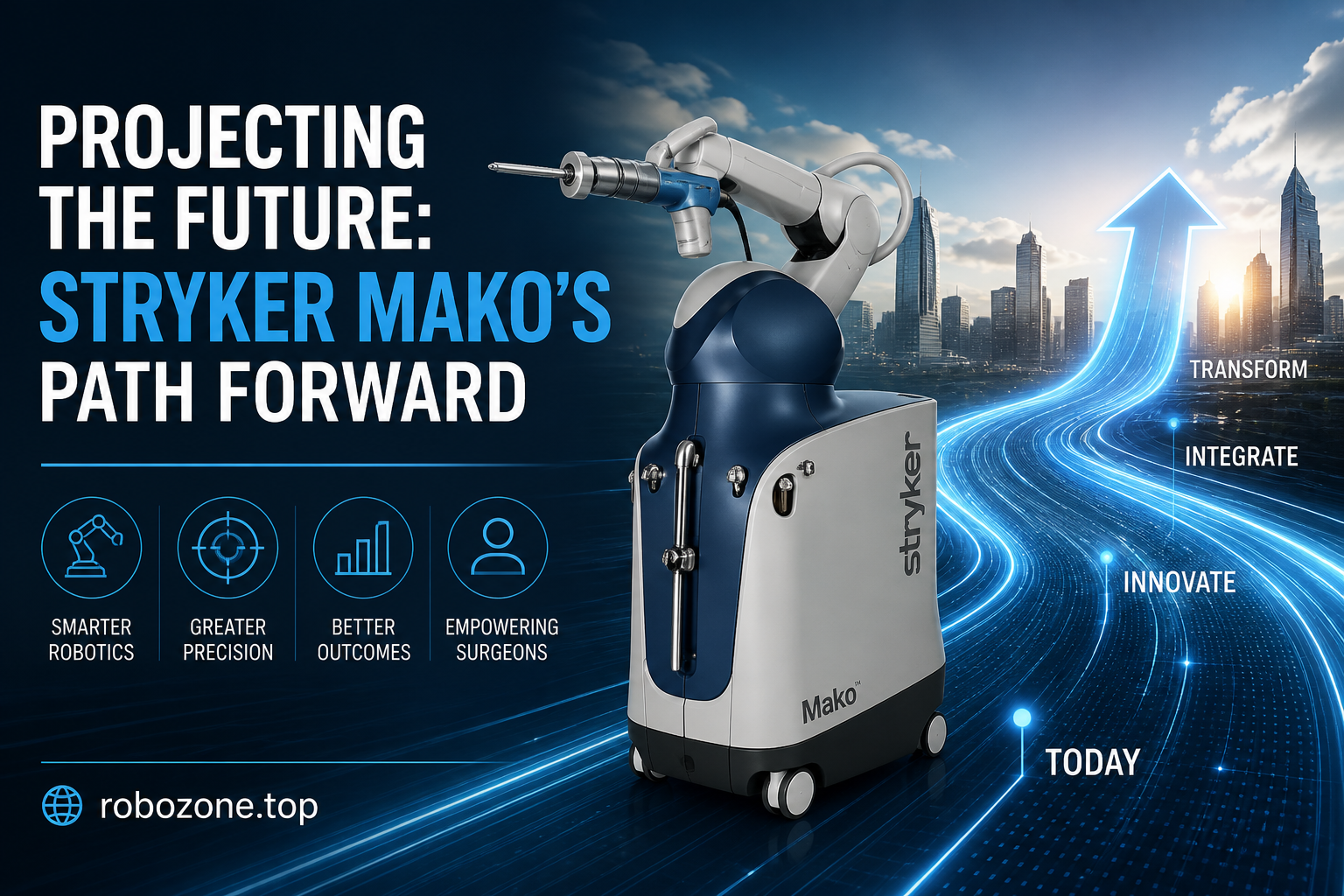
Looking ahead, Stryker Mako stands at the cusp of what could be described as a robotic revolution in surgery. In the coming years, we are likely to see an expanded scope of applications for Mako beyond orthopedic surgeries, perhaps venturing into other realms of minimally invasive procedures. The integration of even more sophisticated AI models could enhance predictive analytics, providing surgeons with unprecedented foresight into surgical outcomes.
The future landscape of medical care will likely see a greater emphasis on personalization, where robotic systems like Mako are tailored to enhance individual patient care, adjusting procedures based on unique anatomical and physiological characteristics. This approach, while futuristic, isn’t out of reach and represents the natural progression of Mako’s development trajectory.
Strategic Insights: Preparing for a Robotic Era in Healthcare
For stakeholders—ranging from healthcare providers to policy makers—the rise of technologies like Stryker Mako signifies a call to action. Preparing for the inevitable growth of surgical robotics means investing in adequate training facilities, ensuring that medical professionals are adept in the latest technological advancements. Simultaneously, there’s a pressing need for policies that facilitate fair access to these advancements across diverse healthcare demographics.
On a corporate level, companies must leverage data analytics to refine robotics, creating more robust and adaptable systems to stay competitive. Mako’s influence speaks not only to the immediate technological needs but also to broader societal preferences, leaning more towards precision medicine and efficiency in surgical interventions. As Stryker Mako continues to pave the way, those in its wake are left with vital lessons to heed as they navigate this complex, technologically driven era.
So, what comes next for Stryker Mako? As this revolutionary surgical aid leads us further into the age of robotic surgery, the possibilities appear limitless yet tempered by the realities of economic and technological constraints. Healthcare sectors must adapt swiftly, embracing innovative strategies to maximize Stryker Mako’s potential while preparing for an even more automated future.
For now, Mako is a testament to what happens when precision technology meets compassionate care, offering a promising glimpse into tomorrow’s healthcare landscape. As Thomas Huynh often notes in discussions about robotics, ‘This is just the beginning of an extraordinary journey where technology will not only enhance but redefine the boundaries of what’s possible.’
Thomas Huynh – Admin of RoboZone.top
– – – – – – – – – – – – – – – –
“If you found my Stryker Mako review helpful, consider checking out the product links below. It helps support the channel at no extra cost to you!”
Order HIWONDER Humanoid Robot