In a world that’s constantly advancing at a breakneck speed, it’s no surprise that healthcare finds itself in the midst of a technological revolution. As we stand on the cusp of an era where robots become commonplace in medical settings, questions abound: How exactly are they transforming healthcare? What does surgery look like when performed by a machine? It’s a fascinating journey, filled with promise and potential pitfalls. Let’s delve into how these mechanical marvels are reshaping the medical landscape.
The Rise of Robots in Healthcare
The term “robot” often conjures images of humanoid figures from science fiction films, yet the reality is both more mundane and more astonishing. Robots in healthcare are sophisticated machines designed to perform tasks ranging from simple to complex, often involving repetitive labor or precision work that exceeds human capabilities.
The concept of medical robotics took root in the late 20th century, and since then, it has burgeoned thanks to advances in artificial intelligence (AI), engineering, and sensor technology. These robots can be as simple as a hospital cleaning bot or as advanced as the da Vinci Surgical System, which allows surgeons to perform minimally invasive operations with greater accuracy.
Revolutionary Applications in Medicine

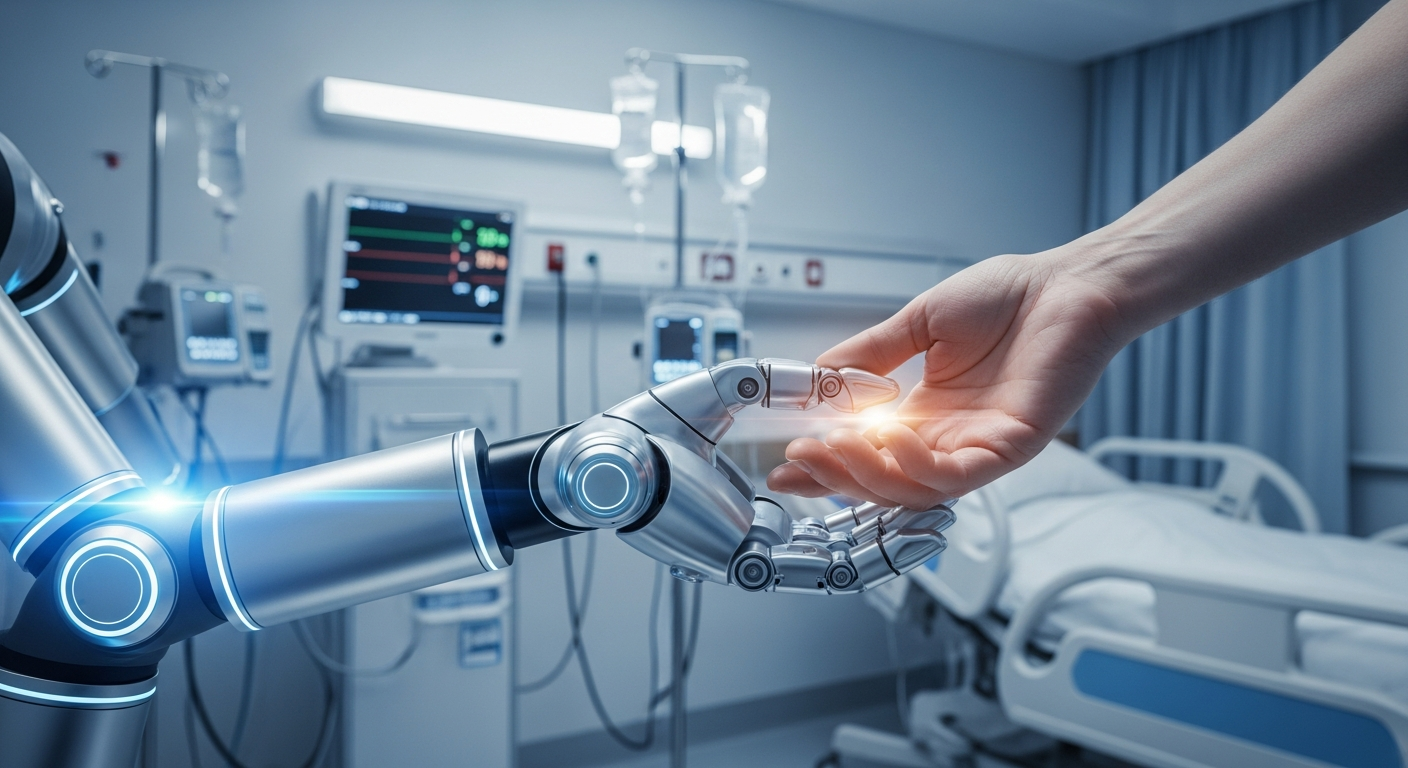
Imagine a robot with a bedside manner. Sounds far-fetched? Not in the world of contemporary healthcare. In hospitals around the globe, robots are assisting in telemedicine, providing counsel to patients hundreds of miles away and offering companionship to those in long-term care facilities. For instance, SoftBank’s Pepper robot, known for its empathetic interaction, is being used in Japanese hospitals to provide social engagement for senior patients.
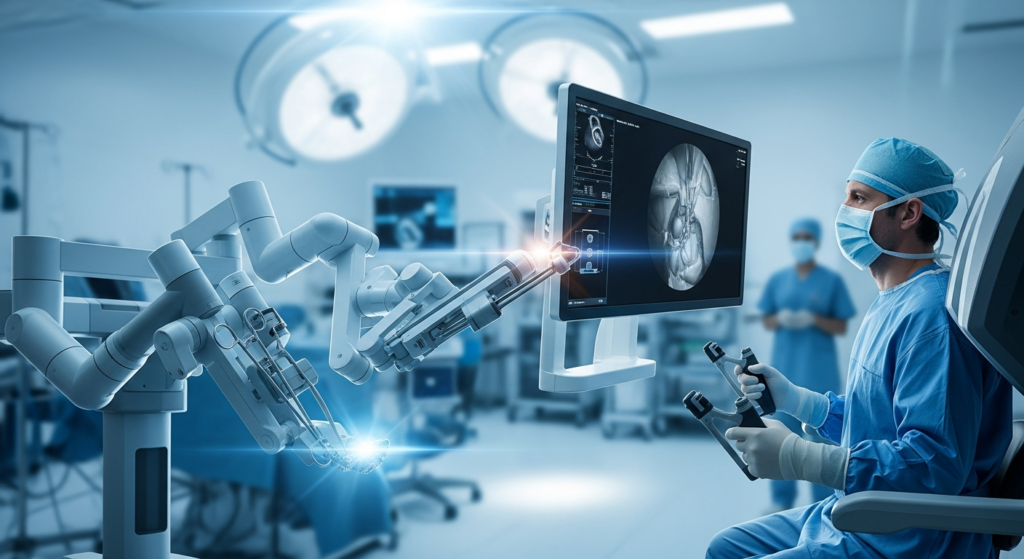
But the transformative power of robots glows brightest in the operating room. Surgical robots allow for precision that once belonged only in science fiction. They can make micron-precise incisions, enabling procedures that minimize patient recovery time. This efficiency has not gone unnoticed in the industry. According to a study reported by McKinsey & Company, robotic surgeries now constitute nearly 20% of all surgical procedures in the United States.
This image – the sleek lines of a surgical robot glinting under the sterile lights of an operating theater, a human surgeon guiding the machine with an intuitive interface.
The Technical Backbone: AI and Robotics Systems
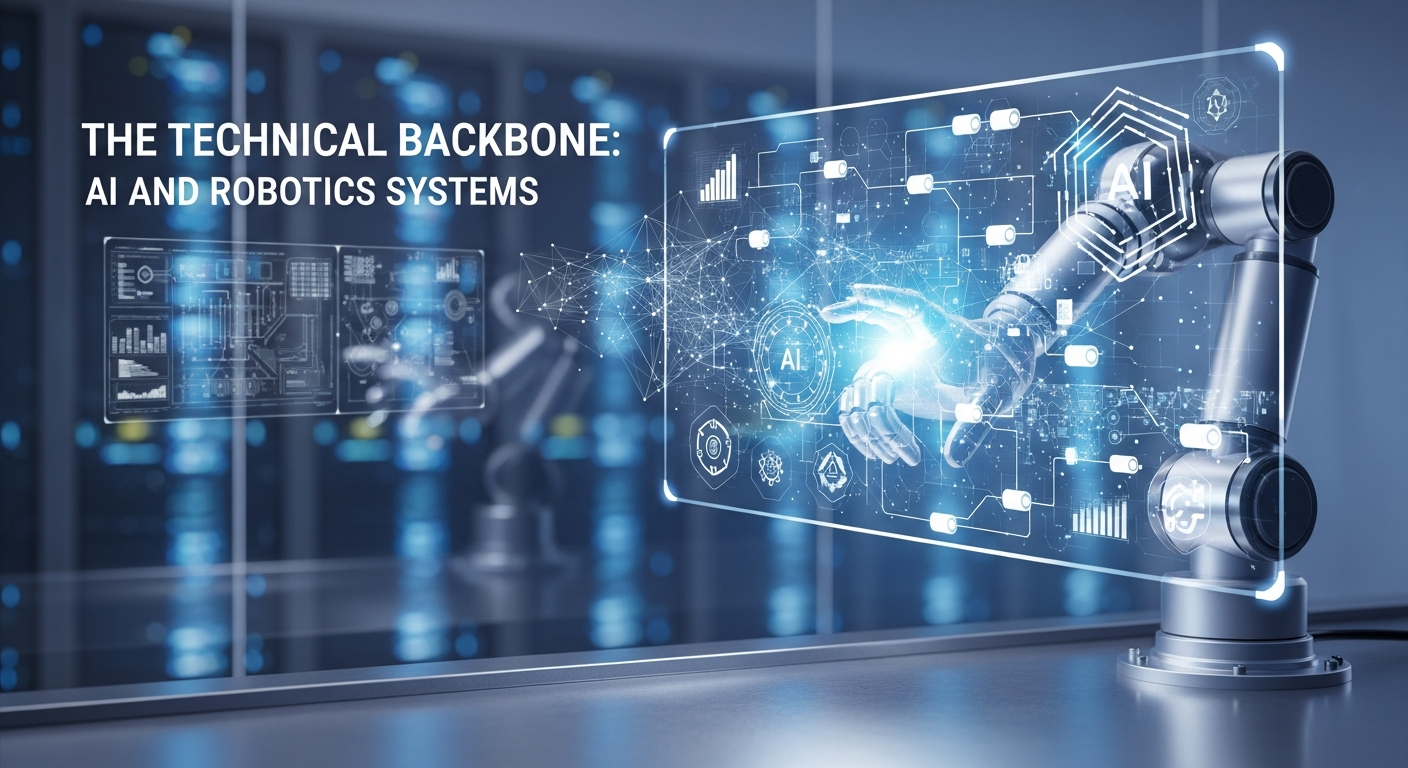
Behind the mechanical precision and efficiency of medical robots lies an array of cutting-edge technology. AI models have become the cornerstone of robotic systems, enabling machines to learn and adapt, improving their effectiveness over time. These AI systems are honed using massive datasets and provide predictive analytics essential for decision-making in complex medical scenarios.
Consider NVIDIA’s contribution to the field. Their high-performance computing platforms and GPUs are fundamental in powering the AI systems used in robotic applications. NVIDIA’s technology aids in medical image processing, allowing robots to interpret and integrate visual data swiftly and accurately.
Companies like Boston Dynamics and Google DeepMind are pushing the envelope further, integrating advanced robotics systems with ambient intelligence. These developments ensure that robots can operate seamlessly alongside human medical professionals, adapting to real-time changes and enhancing workflow in healthcare settings.
Market Dynamics: Growth and Economic Impacts

The momentum in the robotics medical field is palpable, driven by a convergence of technological advancements and a growing demand for improved healthcare solutions. The global medical robots market size was valued at $12.8 billion in 2024 and is projected to reach $45 billion by 2030, as per a report from the International Federation of Robotics.
Investments are flowing into the sector at unprecedented rates, spurred by the recognition of long-term savings and efficiency gains. For healthcare providers, the upfront cost of robotic systems is balanced by reduced labor costs, improved surgical outcomes, and shorter recovery times for patients.
However, the economic impact is not without challenges. There’s a balancing act in ensuring that the integration of robots does not lead to significant job displacement in the medical sector. Stakeholders must redefine roles and upskill personnel to work alongside these emerging technologies effectively.
Navigating the Challenges and Limitations

No discussion about robots in healthcare would be complete without addressing the elephant in the room: the limitations. While robotics offer tremendous potential, they are not without flaws. Issues related to system sensitivity, decision-making autonomy, and machine learning biases pose genuine concerns.
Moreover, the reliance on high-quality data for AI models raises privacy issues, needing robust data governance and protection frameworks. The complexity of surgeries also means that robots, for the foreseeable future, will require human oversight and intervention, as highlighted in various studies from the Harvard Business Review.
Technical failures, although rare, could result in severe consequences, compelling institutions to maintain a delicate balance between trust in technology and human control. Constant monitoring and upgrading of robotic systems are crucial to mitigate risks.
Peering into the Future: Predictions and Prospects

Fast forward a few years into the future, and robots will likely become an even more integral part of healthcare. Experts from the Stanford AI Lab have painted an optimistic picture where AI-driven surgery is the norm, patient outcomes are significantly improved, and healthcare is accessible to all at an unprecedented scale.
We’re looking at a future where robotic systems not only assist in diagnostics and surgeries but also in rehabilitation, making personalized healthcare a reality. As AI models advance, we’re likely to see machines that can predict disease outbreaks and monitor patient health remotely, thereby enabling proactive interventions.
This image – a futuristic medical ward with advanced robotic systems working in harmony with human doctors, patients receiving care through seamless human-robot collaboration.
Strategic Insights: Preparing for the Robotic Wave

With all the buzz, what’s clear is that stakeholders across the healthcare ecosystem need to prepare strategically for the robotic wave. Developers and medical device manufacturers should focus on building flexible, interoperable systems that can integrate seamlessly into existing healthcare infrastructures.
Healthcare providers need to invest in training their workforce to collaborate effectively with robotic systems. This transition will help mitigate concerns around job displacement while ensuring that human skills complement robotic efficiency.
Regulators and policymakers must craft comprehensive frameworks that ensure ethical deployment and use of AI-driven robotics in medicine. Balancing innovation with patient safety and data privacy will be a critical challenge that needs careful navigation.
In the words of Thomas Huynh, the admin of RoboZone.top, “It’s not just about having the robots; it’s about having the right ones, at the right place, at the right time.”
So where does this leave us? As we stand on the threshold of a new frontier in healthcare, it’s clear that robots will play an essential role. Their integration into medical practices holds the promise of greater accessibility, efficiency, and quality of care. For the industry, this is both an exciting and challenging time. Navigating this new landscape will require thoughtful strategy, continuous innovation, and collaboration across sectors— ensuring that the benefits of robot-assisted healthcare extend widely and equitably.
Thomas Huynh – Admin of RoboZone.top
References & Further Reading:
- MIT Technology Review — https://www.technologyreview.com
- IEEE Spectrum — https://spectrum.ieee.org
- McKinsey & Company — https://www.mckinsey.com
- Stanford AI Lab — https://ai.stanford.edu
- Harvard Business Review — https://hbr.org
- International Federation of Robotics — https://ifr.org
- World Economic Forum — https://www.weforum.org
- NVIDIA research / blogs — https://blogs.nvidia.com