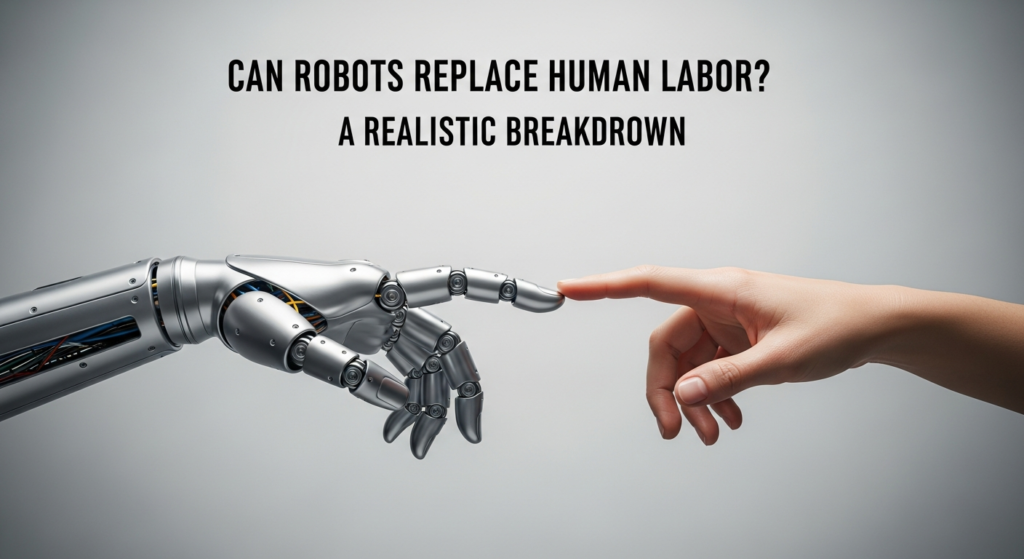
In the age of artificial intelligence and automation, the question of whether robots can replace human labor is not just a theoretical debate but a tangible reality affecting millions. As we stand on the cusp of a technological revolution, it is imperative to dissect the components of this transformation. At RoboZone.top, managed by my colleague Thomas Huynh, we often find ourselves delving into the nitty-gritty of robotics, peeling back layers to reveal not just the prospects but also the limitations. So, let’s dive deep into the world of robots with a dose of realism and perhaps a sprinkle of humor along the way.
Understanding the Core Concept of Robots Replacing Human Labor
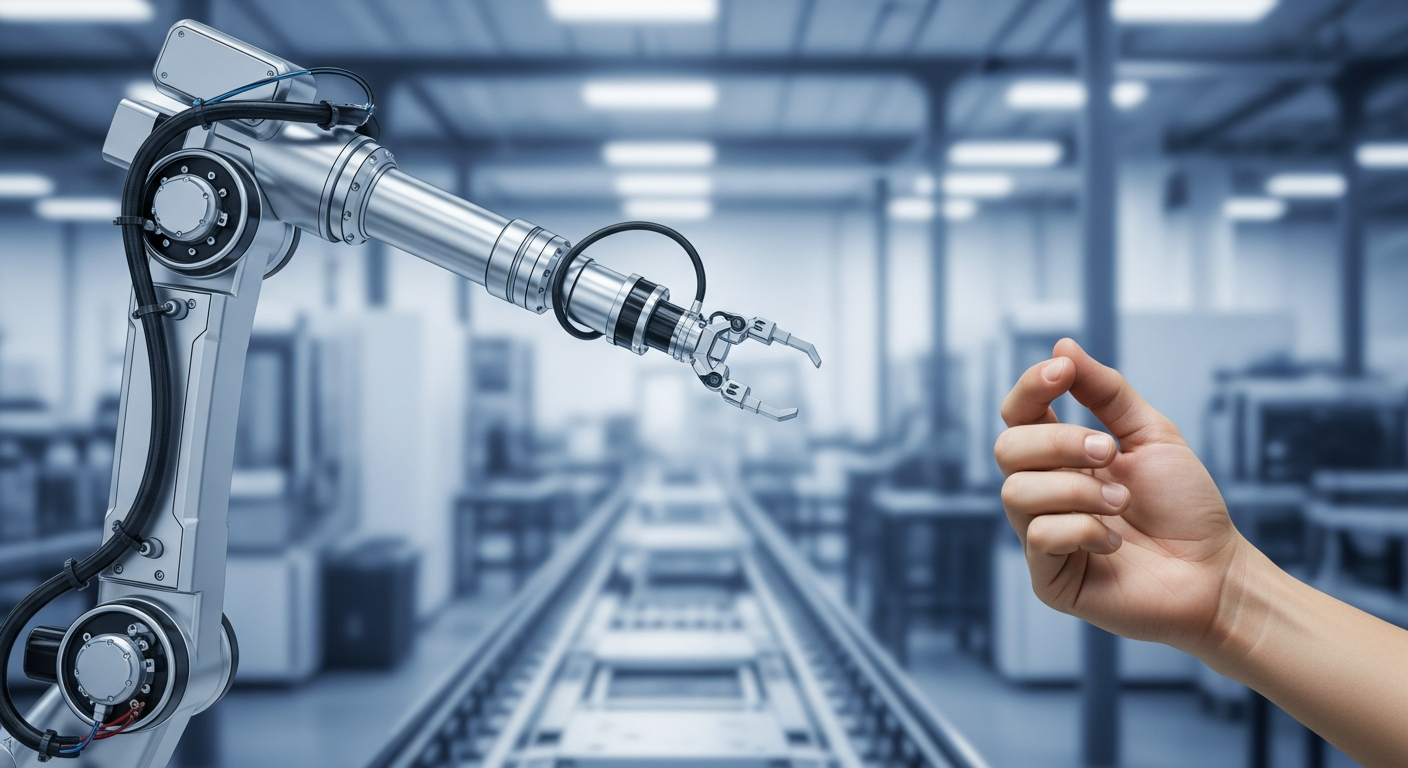
Robots replacing human labor starts with understanding what robots can do. In simple terms, robots are machines endowed with the ability to perform tasks autonomously or semi-autonomously. Thanks to advancements in artificial intelligence (AI), these machines have become increasingly sophisticated, learning from their environments and improving over time.
Let’s consider the classic example of warehouse robots such as those used by Amazon. These robots scuttle around like busy ants, moving packages from one location to another with precision and efficiency that would be the envy of any human worker. AI algorithms enable these robots to navigate their environment, avoid obstacles, and work collaboratively without human intervention.
At the heart of these robotic systems are sophisticated AI models designed to mimic cognitive functions. Deep neural networks, a technology inspired by the human brain, allow robots to process sensory data and make decisions. Whether it’s a camera sensor identifying objects or a lidar scanning the environment, these sensors feed data into the AI systems, forming the robot’s ‘understanding’ of its surroundings.
Given such capabilities, it’s easy to see why some would argue that robots could replace human labor. But as Thomas Huynh wisely points out, understanding potential doesn’t equate to feasible replacement.
Real-World Applications Across Industries

Automation is spreading its wings across various industries, from home automation with AI-infused assistants like Amazon Alexa and Google Home to industrial applications where robotic arms now perform precision tasks like assembly and quality control. Imagine a factory floor where robots work tirelessly, welding and assembling parts with accuracy that no human, tethered by fatigue and erratic coffee schedules, could achieve.
In healthcare, surgical robots like those developed by Intuitive Surgical have transformed operations that demand a level of precision often unfathomable by mere mortals. Hospitals are harnessing robots for minimizing human exposure to infectious diseases—a lesson coded into our DNA after recent global pandemics.
Even the realm of customer service hasn’t escaped automation. Chatbots, those sometimes infuriatingly cheery digital assistants, handle customer queries instantaneously. And although they may lack the nuanced empathy of a well-spoken human, their efficiency is hard to deny.
These examples underscore the possibilities but also highlight an essential question: Are these robots assisting or replacing? The answer shifts like sand, depending on technology, economics, and social perspective.
Technical Insights: The Machinery Behind the Mystique

Let’s peel back yet another layer and analyze the technical frameworks underpinning this automation. At the heart of robotics and AI interoperability lies significant processing power, often embodied by microchips like NVIDIA’s latest generation. These chips are powerhouses of computational ability, enabling faster processing of AI algorithms to enhance capability in real-time data analytics and decision-making processes.
The neural networks powering AI involves countless layers of interconnected nodes, forming a complex web capable of pattern recognition that rivals the human brain. Researchers at the Stanford AI Lab continue to push the boundaries of what these neural networks can do, exploring ways to train them faster and make them more adaptable.
The International Federation of Robotics provides some eye-opening data: Between 2020 and 2025, the industrial robots in operation jumped by over 2 million units worldwide, a testament to how businesses are investing in this technology.
However, the sophistication of AI models and robotics systems necessitates equally advanced sensors. Companies like Boston Dynamics are at the forefront, developing robots that use a combination of cameras, motion sensors, and grips, offering them an agility that mimics biological organisms.
Yet, with all this machinery, one might wonder if robots aren’t just wonderful gadgets lacking a soul, unable to comprehend emotions or lack creativity—the very essence of being human.
Market Analysis: The Economic Engine of Automation
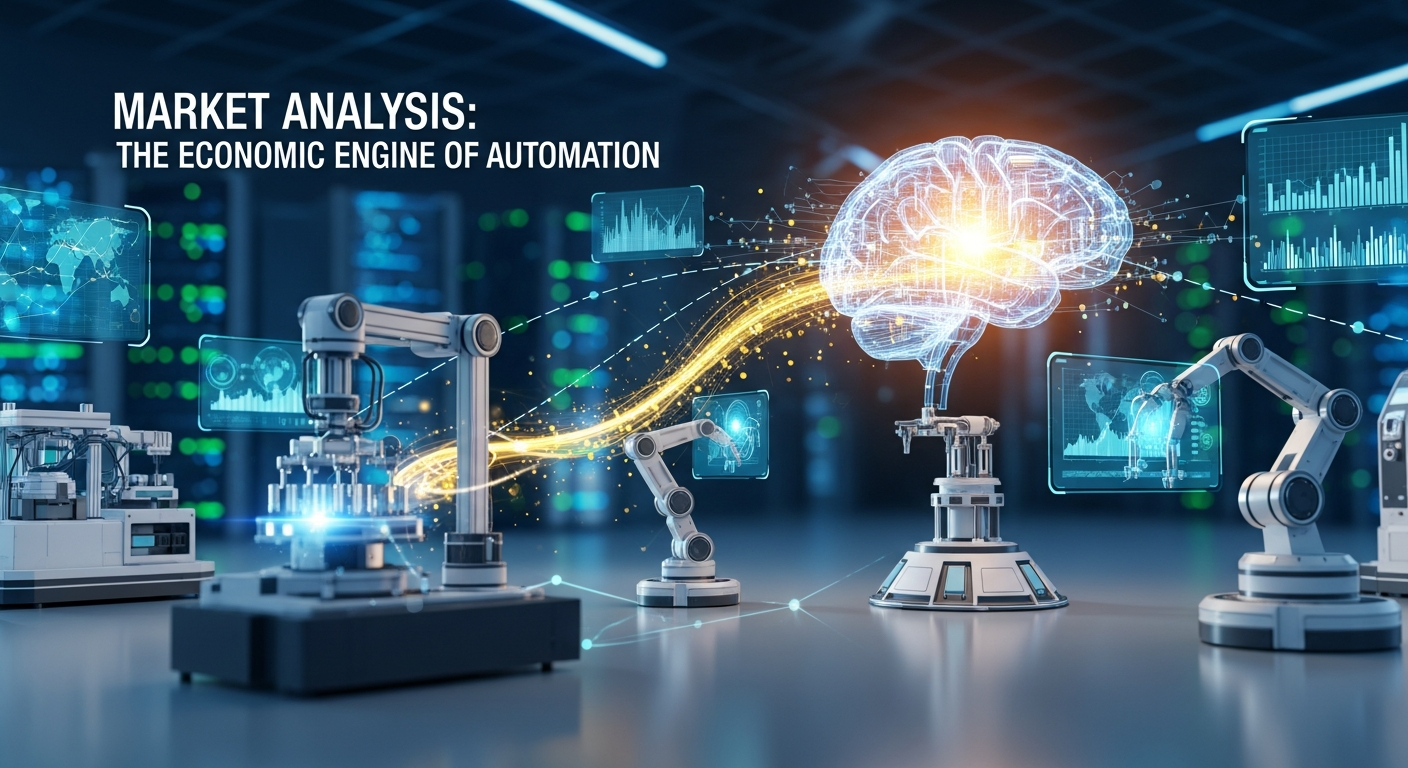
The economic impact of robotics replacing human labor is as nuanced as human emotions themselves. On the one hand, automation often suggests higher productivity—a compelling proposition for industries perpetually chasing efficiency. McKinsey & Company reports that automation technology could potentially add $1.2 trillion in added value to the global economy by 2030.
Investments in robotics are skyrocketing, with venture capitalists pouring funds into startups promising the next big thing. Even conservative industries are betting on automation, like agriculture, where drones and autonomous tractors make traditional plowing and planting seem like antiquated practices.
However, this market shift isn’t all rainbows and sorcery. As machines takeover repetitive tasks, they inadvertently challenge the job market. The World Economic Forum notes that while 85 million jobs could be displaced by automation by 2025, another 97 million new roles might emerge, especially in tech and AI development.
This economic tit-for-tat introduces complexities that even the most skilled economist or business leader would find challenging to navigate. And let’s not forget the policy makers, who, armed with nothing but coffee and a pen, have to make sense of regulating this burgeoning industry.
Challenges and Limitations: The Elephant in the Automation Room
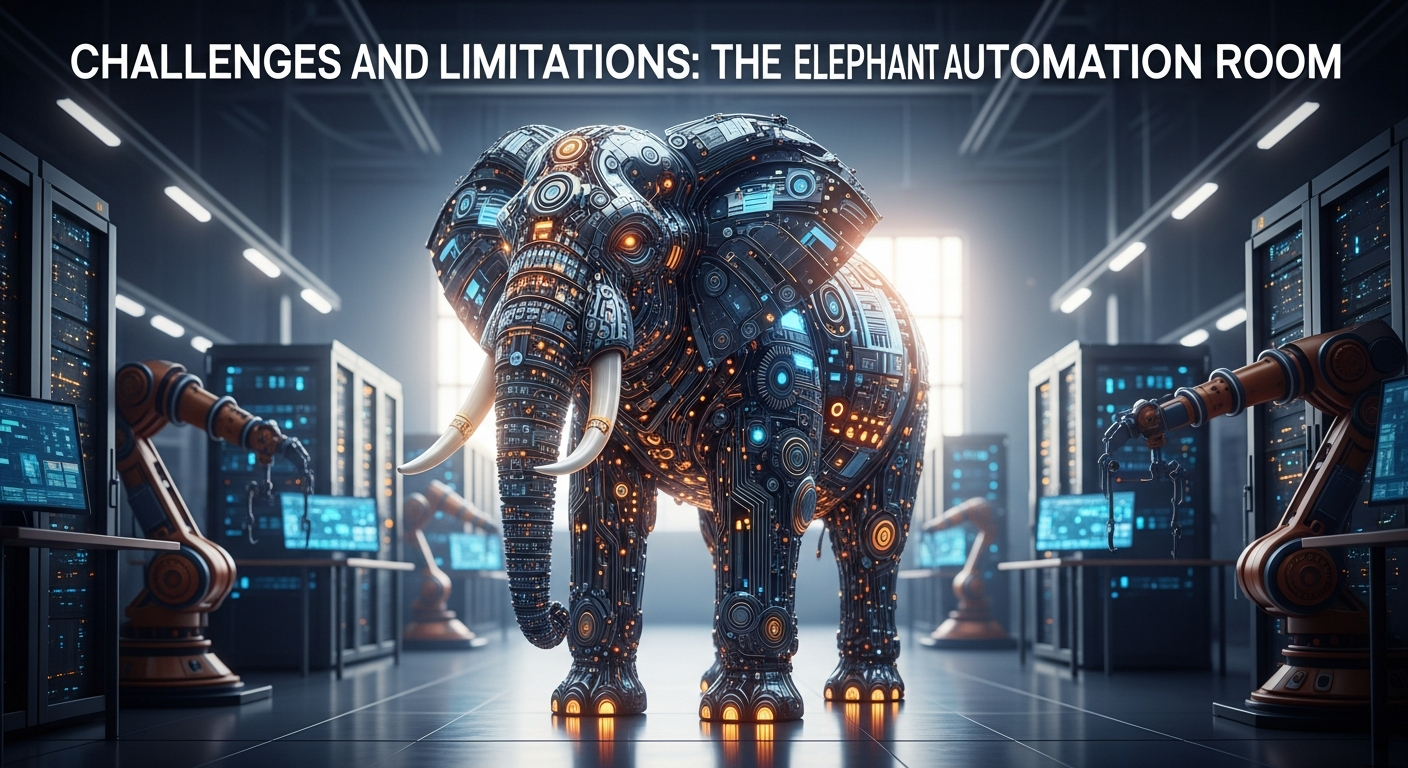
With all its promises, robotics still hits numerous roadblocks. Technical challenges persist; even the most sophisticated robots fail at tasks requiring intricate dexterity or the delicate touch of human fingers. MIT Technology Review has often highlighted this shortfall, noting that despite AI’s growth, it’s unlikely to replicate the full spectrum of human senses any time soon.
Then, there’s the ethical conundrum—how much power should we confer to machines? Would you trust an AI with life-altering decisions, such as in healthcare diagnostics? This is where the conversation often intensifies over a cup of coffee with Thomas Huynh, debating the balance between innovation and ethics.
Finally, the social aspect cannot be ignored. Automation threatens to widen the economic gap between industries adopting tech readily versus those that lag, leading to societal upheavals—an inconvenient truth that might be difficult to offset with mere success stories.
Surely, this isn’t just a technical debate but a multi-pronged discussion demanding attention from all stakeholders—developers, users, and policymakers alike.
Future Predictions: A Glimpse into the Not-So-Distant Tomorrow
Projecting into the future, the outlook varies, bordered by optimism and caution. Within the next three to five years, expect more collaborative robots (or ‘cobots’) entering the workspace, where they work alongside humans rather than replacing them entirely. As Thomas Huynh puts it, “It’s like introducing a new co-worker—one who never complains about the office coffee.”
In home environments, AI will continue evolving, making homes smarter and robots a household standard rather than a novelty. Companies like Google DeepMind plan advancements breaking present AI constraints, bringing us closer to artificial general intelligence—but that’s another debate entirely.
In the long-term vision, robots integrating emotional intelligence to understand and interact with humans empathetically remain both a promising and daunting prospect. It stretches the imagination, yet ongoing research in AI emotional modeling suggests it might one day become a palpable reality.
Countries leading in AI innovation, such as the United States, China, and Germany, will likely set the stage for others, creating a ripple effect on international trade and market dynamics. Whether it’s maintaining economic superiority, societal wellbeing, or scientific advancement, the future continues to be as intriguing as a page-turner novel—one with as many plot twists as innovations.
Strategic Insights for the Road Ahead

For businesses, developers, or users pondering their next move in the automation landscape, it’s crucial to emphasize adaptability and foresight. Companies should consider integrating AI not as a replacement but as an augmentation of human capability. Embrace technology as a tool that enables innovation but doesn’t overshadow human touch, which remains irreplaceable.
Developers should focus on designing robots that interoperate seamlessly with human environments, enhancing capabilities while mitigating disconnection. Meanwhile, users should be prepared to see technology less as an alien force but rather as a collaborator in daily tasks.
As legislation catches up with technology, policy must be shaped to foster both innovation and protection, akin to setting ground rules for a play that’s both competitive and fair.
Ultimately, this nuanced dance between humans and robots will continue to unfold, perhaps leaving us wondering how far we can push our creations before they become our successors. Until then, the spotlight is on adaptation, learning, and being proactive participants in this epoch of transformation.
So, where does this leave us? On a precipice of immense potential, yet teetering on complexities that demand careful handling. The notion of robots replacing human labor is no longer confined to scientific fiction or theoretical exploration. It’s an evolving reality that promises efficiency, productivity, and even innovation but comes with its own set of challenges and ethical quandaries.
What should we really pay attention to? The balance between automation and human elements, the regulations governing technological advancements, and the socio-economic shifts that accompany such a revolution.
So, what comes next? As we usher in these technological changes, the verdict remains written in the sands of time, and perhaps, as Thomas Huynh often muses, “It’s about figuring out not just whether robots can replace us, but how they can best complement us in our quest for advancement.”
Thomas Huynh – Admin of RoboZone.top
References & Further Reading:
- MIT Technology Review — https://www.technologyreview.com/
- IEEE Spectrum — https://spectrum.ieee.org/
- McKinsey & Company — https://www.mckinsey.com/
- Stanford AI Lab — https://ai.stanford.edu/
- NVIDIA — https://blogs.nvidia.com/
- International Federation of Robotics — https://ifr.org/
- World Economic Forum — https://www.weforum.org/