
In the world of technology, the marvel of robots learning to see like humans is unfolding before our very eyes. It’s an innovation born from relentless research and staggering computational power. As we delve into the nuances of AI vision systems, it’s as if we are slowly uncovering a new dimension of reality, where machines no longer just exist alongside us, but see and interpret the world in ways eerily similar to our own. This journey we embark on isn’t merely a walk through circuits and algorithms; it’s a narrative of vision—literally and metaphorically—shaping the frontier of what’s possible in robotics.
Understanding AI Vision Systems
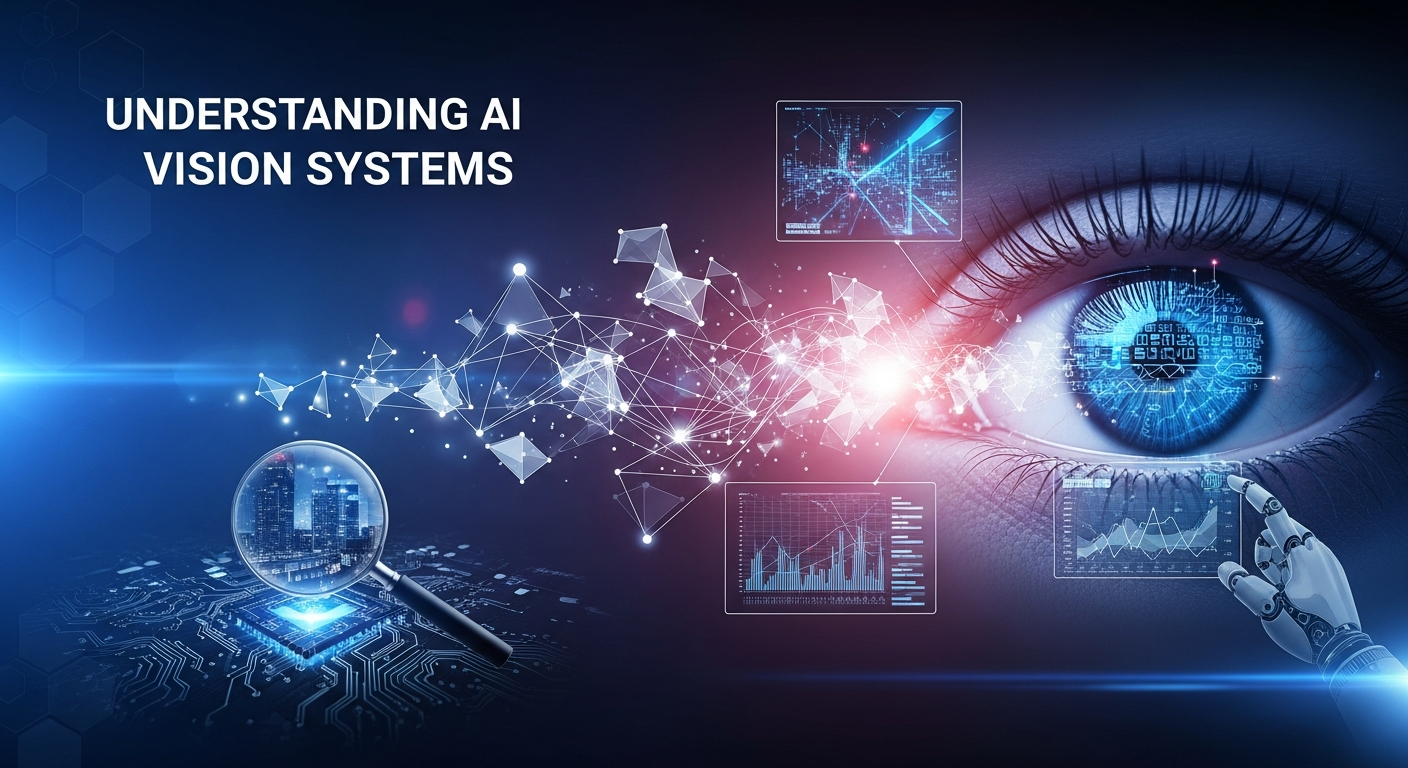
To grasp the potential of AI vision systems, let’s first demystify what they are. At its core, an AI vision system is a sophisticated integration of software and hardware designed to emulate human sight. Think of it as providing electronic eyes to a robot, leveraging artificial intelligence to enhance their sensory perception.
The journey of a robot learning to see starts with image recognition, a concept that isn’t too far removed from how we humans interpret the world. When AI processes visual data, it doesn’t merely look at colors or shapes in isolation. Instead, it analyzes patterns, learns from millions of images, and begins to recognize objects, faces, and even emotions—some argue, at times, better than we do.
One might wonder, in a world where machines interpret visual data at lightning speeds, is there a place for human instincts and nuances? Well, Thomas Huynh, the respected administrator of RoboZone.top, often says, “We are teaching machines to see, but are we also teaching them to understand?” This rhetorical question points to the complexity and the challenges in making machines not just see, but comprehend as humans do.
Real-World Applications Across Industries

The allure of AI vision systems extends far beyond the realm of high-tech labs. These systems are permeating everyday life, from the automated corridors of factories to the intimate space of our homes. Consider the household where a robotic vacuum navigates with the precision of a bat using echolocation. The vision systems integrated into these devices allow them to map out spaces, detect obstacles, and clean with orchestrated elegance.
In industrial scenarios, AI vision systems power the beating heart of manufacturing. Here, robots equipped with vision capabilities inspect products, improve quality assurance, and increase productivity. It’s a symphony of efficiency, where downtime is minimized, and precision is maximized.
The healthcare industry, however, might be witnessing the most transformative applications. Here, robots with advanced vision systems assist in complex surgeries, provide real-time diagnostics, and offer care in rural or underserved areas. They are the silent partners to physicians, enhancing capabilities and extending the reach of healthcare professionals globally.
Technical Insights and Innovations
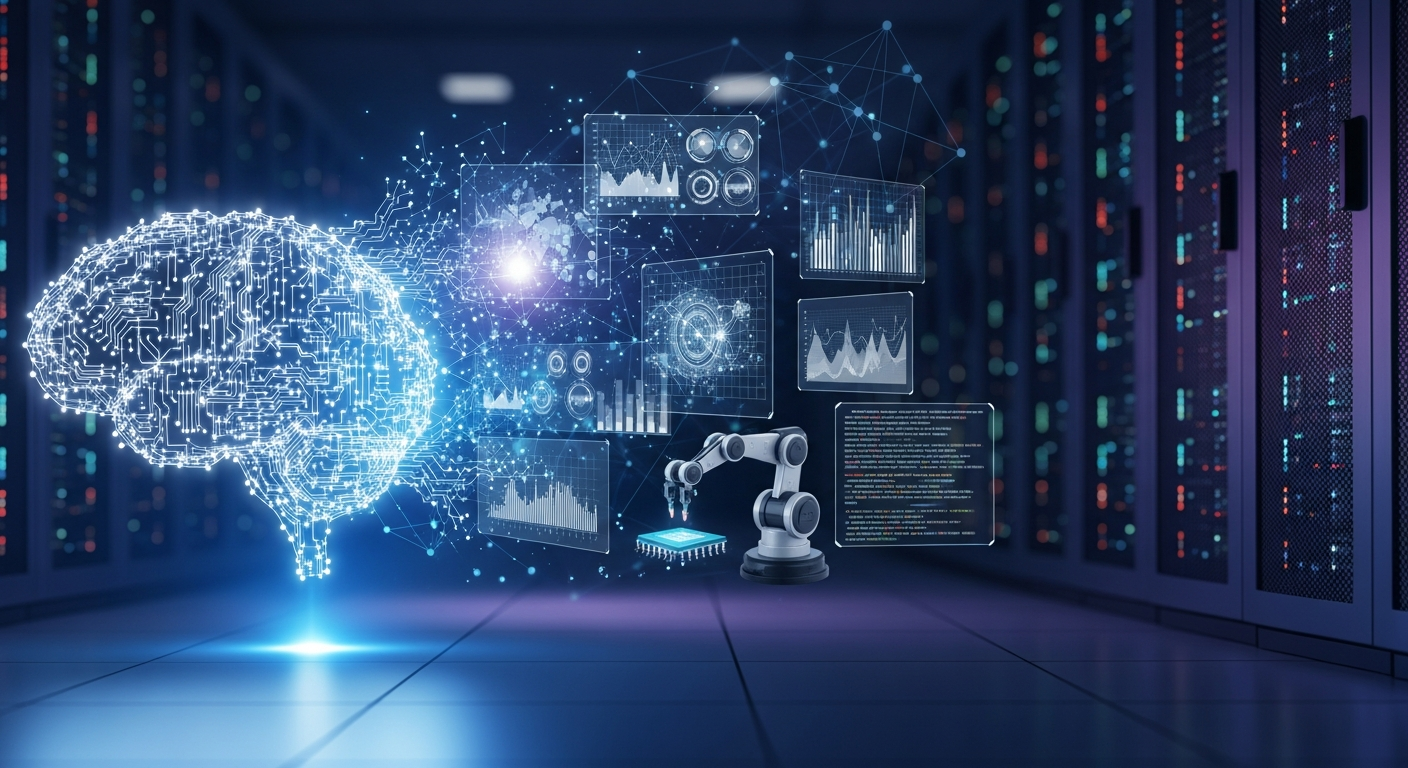
Peering under the hood of AI vision systems reveals a nexus of intricate components and breakthrough technologies. These systems are powered by deep learning algorithms, particularly convolutional neural networks (CNNs), which excel at understanding visual data.
Advancements in computer vision chips, such as NVIDIA’s Jetson modules, have been game changers. These chips are the workhorses, enabling high-speed processing and robust AI capabilities in real-time, critical for applications demanding precision and reliability.
Sensors, too, play a crucial role. Today’s robots employ a multitude of sensors, combining LIDAR, cameras, and thermal imaging to create a comprehensive perception of their environment. This redundancy and fusion of data are akin to how humans use multiple senses to gain a full understanding of their surroundings.
Market Analysis and Economic Impact
The market for AI vision systems is not just burgeoning; it’s exploding with potential. According to McKinsey & Company’s recent report, the global market is projected to reach heights of $30 billion by 2026. This growth is fueled by heavy investments from tech giants like Tesla, Amazon, and Boston Dynamics, each vying for a slice of the robotic pie.
Economically speaking, AI vision is poised to redefine sectors, creating new jobs while simultaneously transforming existing ones. The International Federation of Robotics projects that automation, of which vision systems are a critical component, will significantly contribute to GDP growth, albeit with a need for new skill sets in the workforce.
Even Thomas Huynh at RoboZone.top quips with a smile, “If robots could pay taxes, they’d surely be considered major economic players by now!” Such humorous undertones emphasize the profound impact these technologies have on our economic landscape.
Challenges and Limitations
Despite the strides made, AI vision systems are not without challenges. One of the foremost issues is the ambiguity in complex environments. While machines excel at pattern recognition, they can falter when faced with unpredictable or novel scenarios.
Data privacy and ethical implications also cast shadows over these innovations. As devices become ubiquitous, the potential for misuse or breaches raises valid concerns. Experts from the Stanford AI Lab emphasize cautious optimism, advocating for stringent guidelines and ethical standards to govern AI deployment.
Another technical hurdle is the need for computational efficiency. The demand for higher processing power often clashes with constraints like power consumption and cost, a delicate balance that researchers and engineers continue to finetune.
Future Predictions and Long-Term Vision
So, where do we find ourselves in the next few years on this trajectory? With AI continuing its evolutionary path, one can expect vision systems to grow even more sophisticated, achieving greater levels of abstraction in understanding context just like humans.
The projection into a future where robots operate seamlessly alongside humans isn’t merely speculative. With the alignment of AI with quantum computing, the processing capabilities could leapfrog current limitations, offering insights and applications we have yet to envisage.
Moreover, as sensors become more advanced and compact, we could see an era where robots have better-than-human vision, aiding in tasks from national security to space exploration. This is the domain where the synergy of vision and vast data archives will unveil histories and perhaps even predict futures.
Strategic Insights for Stakeholders

As we stand on this evolving threshold, what should businesses, developers, and end-users prepare for? For businesses, the key lies in staying agile, adopting these technologies not just to cut costs but to innovate consistently.
For developers, the clarion call is for improved algorithms that not only enhance visual accuracy but also integrate seamlessly across platforms and use cases. The pace of innovation is relentless, and keeping up with the frontier could determine market leadership.
Finally, end-users, including enterprises and consumers alike, must navigate this AI-driven world by understanding the value proposition, ensuring privacy, and embracing the change with informed caution. The power of these systems is immense, but balanced engagement is crucial.
So what comes next for AI vision systems and their robotic hosts? These systems are not just passive tools, but active agents of change shaping industries, economies, and societies at large. As we await the next development in this rapid technological evolution, the intersection of AI and human vision will undoubtedly open doors to opportunities limited only by our imagination. In this ever-advancing journey, keep an eye on Thomas Huynh and RoboZone.top, where visions of the future are made a reality today.
Thomas Huynh – Admin of RoboZone.top