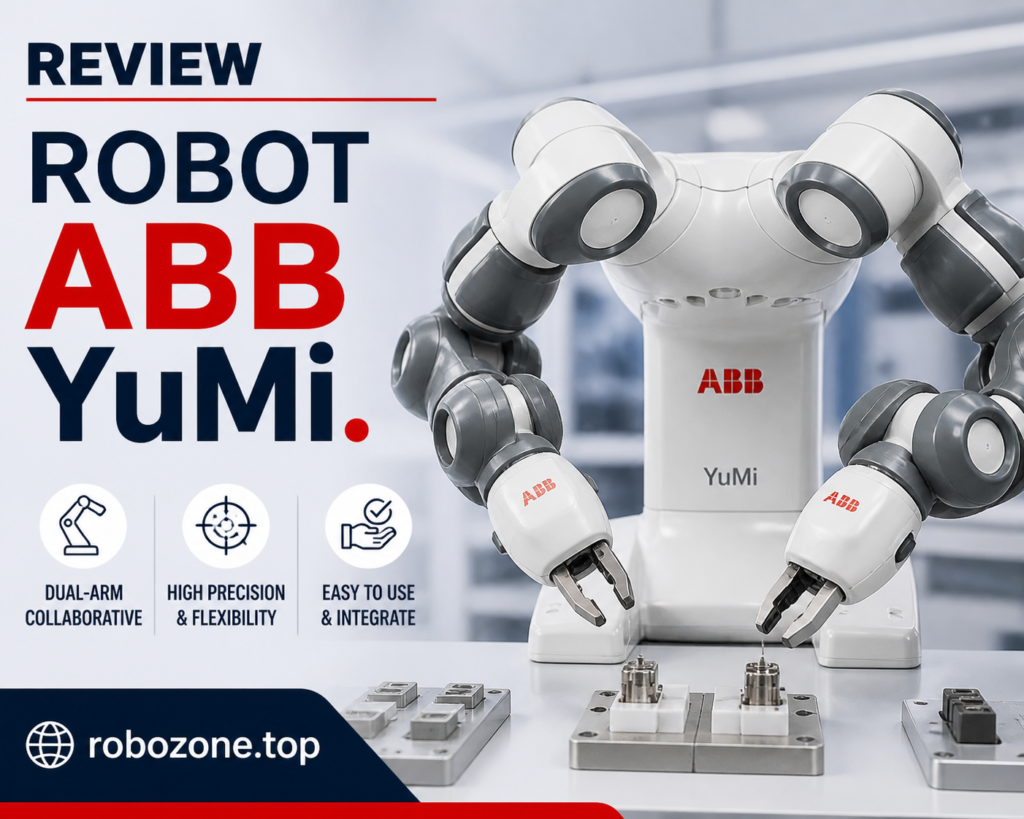
In the fast-evolving world of robotics, ABB YuMi stands out as a remarkable invention, marking a significant development in collaborative robotics. This two-armed, human-friendly robot has been a subject of much discussion, praised for its innovative design and impressive capabilities. Let’s delve into what makes YuMi not just an engineering marvel, but a transformative force in various industries, setting benchmarks in real-world application and technological integration.
– – – – – – – – – –
ABB YuMi Review (Link Amazone)
– – – – – – – – – –
What is YuMi?
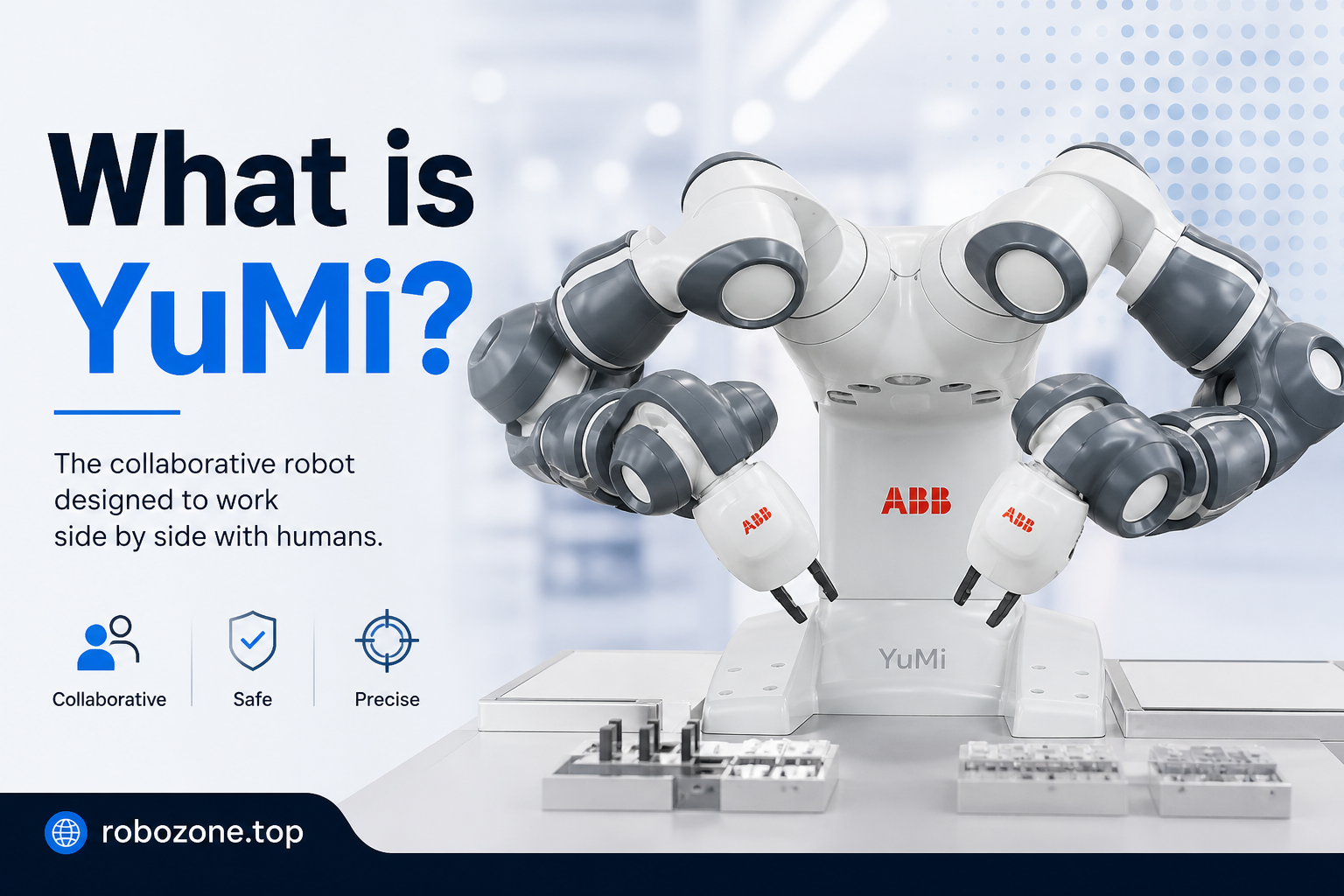
YuMi, developed by ABB, is a state-of-the-art collaborative robot, or ‘cobot,’ designed specifically to work alongside humans in a shared workspace. The name ‘YuMi’ is a contraction of ‘you and me,’ aiming to emphasize its primary purpose of human-robot collaboration. YuMi is unique in its ability to perform tasks in cooperation with its human counterparts, offering near-human flexibility and safety without cages or barriers separating it from the workers.
Conceptualized to handle delicate operations with unparalleled precision, YuMi is armed with dual arms, each possessing 7 degrees of freedom, allowing it to mimic human dexterity closely. Its compact design, coupled with advanced features like motion control and force sensing, allows YuMi to adapt seamlessly to varying dynamics of an industrial setting, demonstrating safe interaction with human operators.
Real-World Applications Across Industries
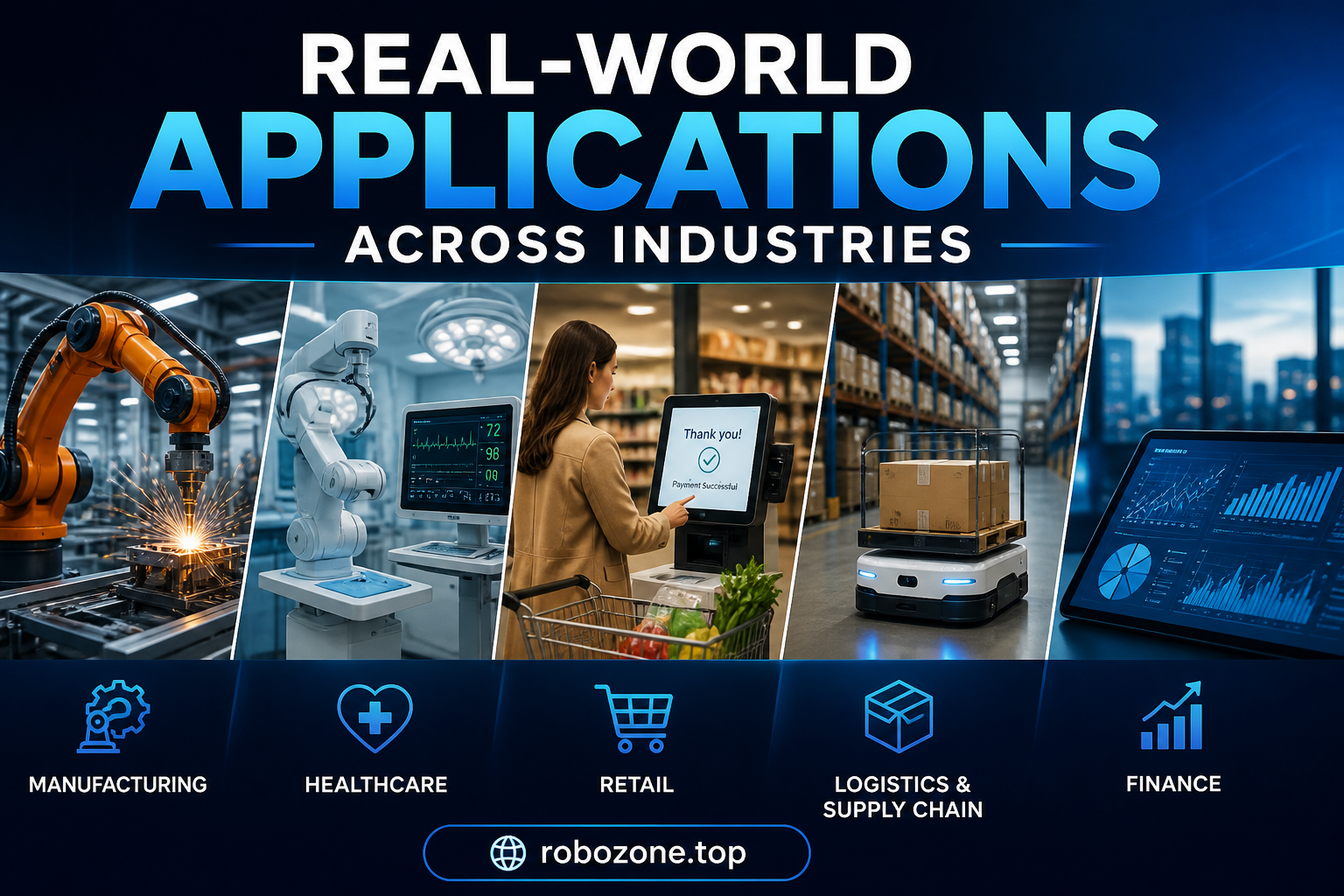
YuMi’s versatility allows it to be deployed in various sectors, enhancing productivity and safety standards. In the electronics industry, YuMi excels in assembling small components, owing to its precise and gentle motion control. The healthcare sector employs YuMi for tasks requiring sterility and precision, such as laboratory automation and surgical assistance. Moreover, the manufacturing sector benefits greatly from YuMi’s potential to execute repetitive tasks with minimal error, improving efficiency and reducing human fatigue.
A notable real-world deployment can be observed in ABB’s own factories, where YuMi has been adopted for assembling complex electronic components. This usage highlights its capability to operate seamlessly in environments where high precision and reliability are essential. These deployment stories aren’t just tales of technological triumph but evidence of its real-world value.
Technical Insights and Innovations
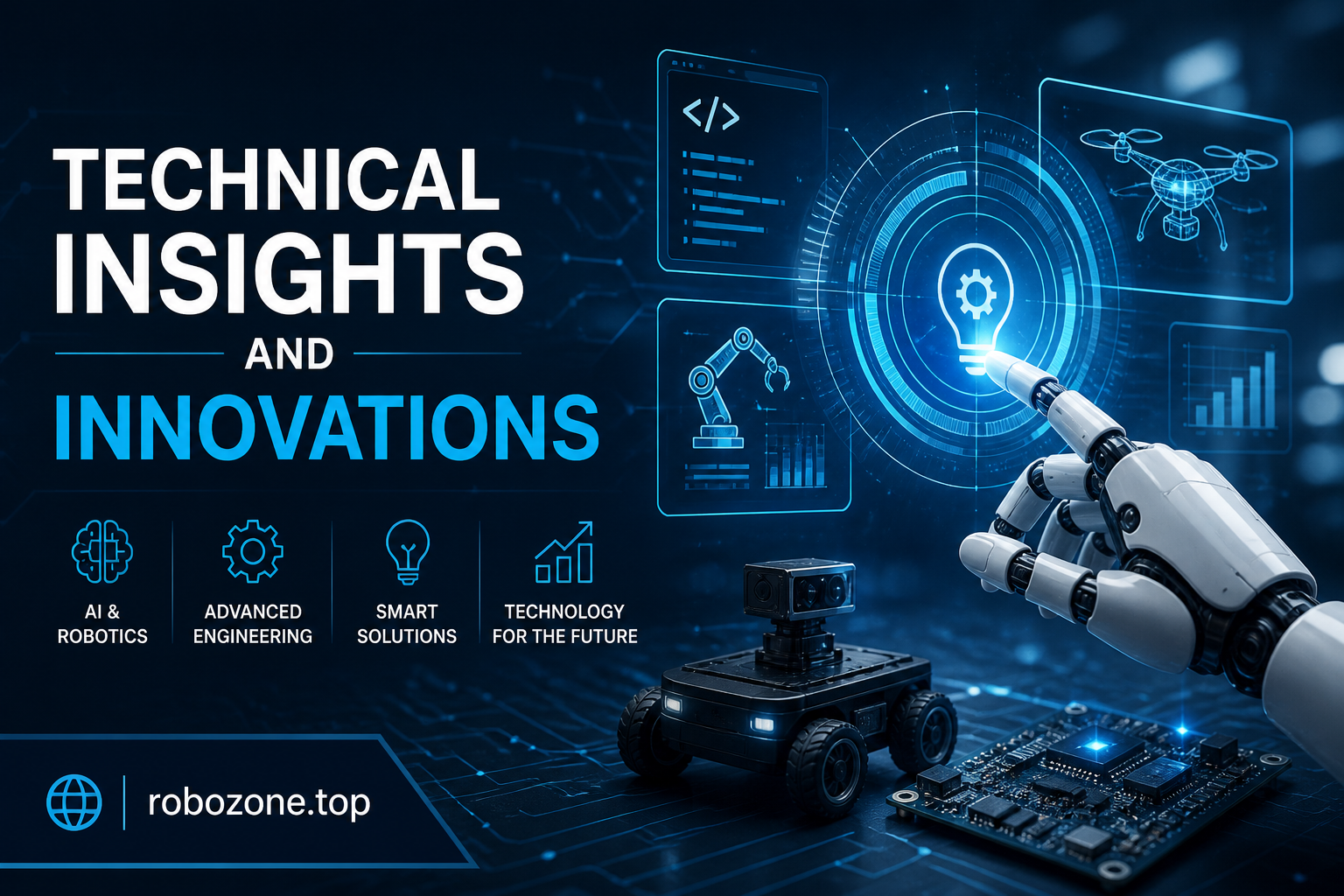
At the heart of YuMi’s prowess lies its robust technical architecture. It employs cutting-edge AI models to process complex task instructions; its sensors and advanced motion control algorithms provide adaptability and situational awareness. ABB has leveraged AI to enhance YuMi’s learning capabilities, allowing it to perform complex tasks through simulation and real-time feedback, a process akin to imitation learning.
YuMi’s brain, powered by advanced processors from industry leaders, ensures efficient data processing and decision-making. However, LiDAR and other depth sensors are notably absent, as YuMi relies primarily on stereo vision and vision systems for spatial awareness. Real-time decision capabilities are backed by high-performance GPUs, which can be tailored in custom implementations to achieve desired outcomes.
Market Analysis: Growth and Impact

The collaborative robotics market has seen exponential growth, with YuMi contributing significantly to this surge. According to a report by the International Federation of Robotics, the market for collaborative robots is expected to reach several billion dollars annually, positioning companies like ABB at the forefront of this economic wave. Investing in cobots like YuMi minimizes costs associated with human error and fatigue, thus offering high economic reward for manufacturers adopting this technology.
Investors eye collaborative robotics as the next big revolution, given the consistent trajectory of adoption and expansion. YuMi stands as a sterling representative of this growth, with its maker ABB reporting numerous high-profile adoptions across industries globally. The deployment patterns and their implications can play a transformative role in shaping labor models worldwide.
Challenges and Limitations
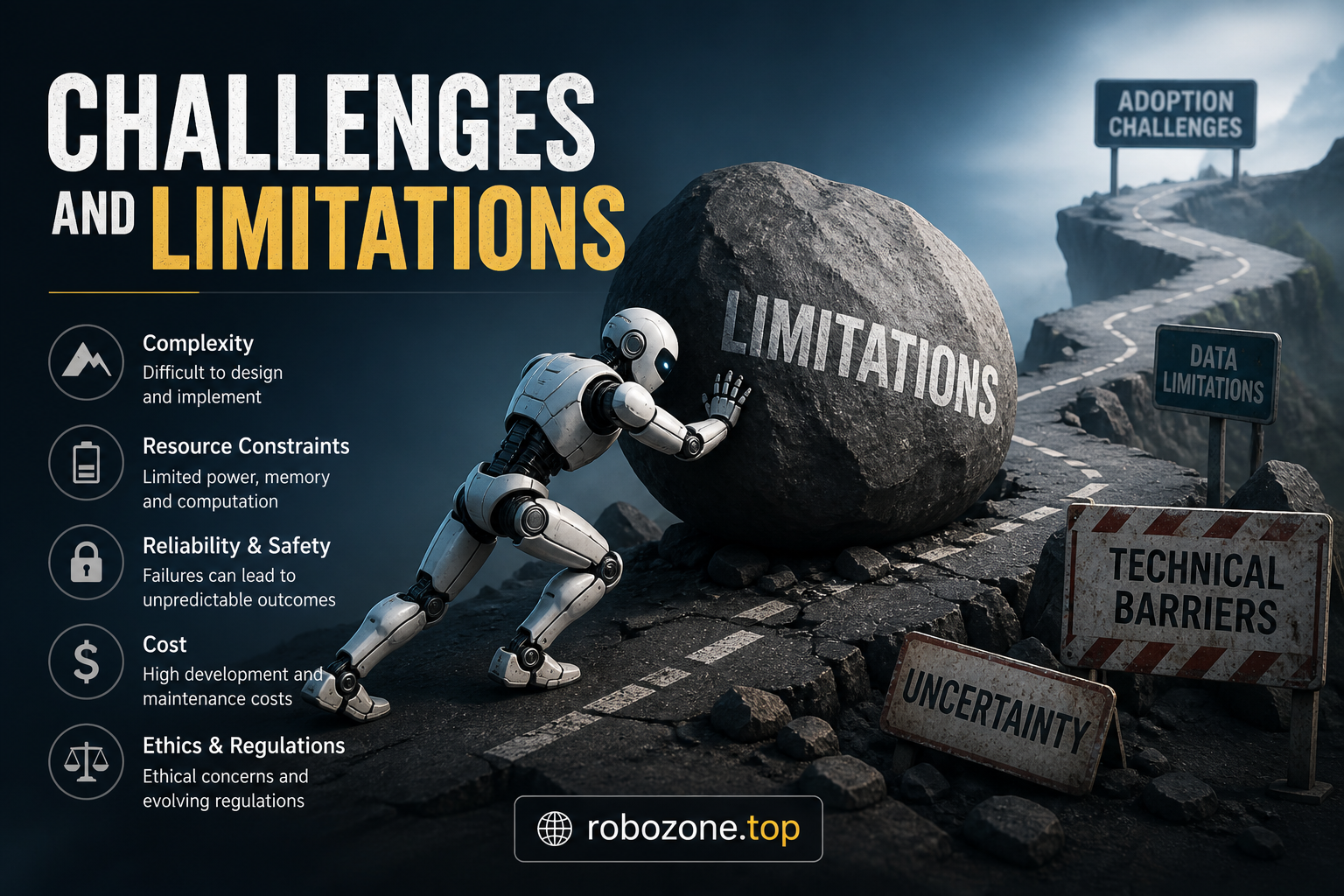
Despite its many accolades, YuMi does face challenges. One of the primary limitations stems from its dependency on consistent programming to excel in environments that demand high autonomy. Furthermore, while YuMi boasts a commendable degree of dexterity, its full potential is yet untapped in operations that require complex cognitive reasoning or those involving unforeseen variables and mutations.
Moreover, the integration of YuMi in environments that heavily depend on AI treatments and assessments presents an interesting bottleneck. In such scenarios, handling upper-level AI-driven operations could be daunting without significant leaps in AI integration technology. Upgradability remains an area to watch, as its framework supports adaptive improvisation only to a limited extent.
Predictions for the Future

Looking towards the future, YuMi and its successors are poised for exciting transformations. Within the next 3 to 5 years, enhancements in AI algorithms and sensor technology could equip YuMi with better decision-making capabilities, tailored to interact with more dynamic environments, including unstructured outdoor scenarios. Longer-term projections envision cobots like YuMi interwoven into everyday life and work settings outside industrial applications, participating alongside humans in sensitive domains like eldercare and hospitality.
The future of robotic interaction includes YuMi’s expanded cognitive abilities featuring reinforcement learning and more advanced simulation scenarios as its technical underpinnings evolve to cope with a broader spectrum of tasks. The progress in AI capabilities from top-tier labs across the globe will undoubtedly influence this trajectory, reinforcing YuMi’s role in a futuristic symbiotic work ecosystem.
Strategic Insights for Businesses and Developers

For businesses and developers eyeing a future with collaborative robots, understanding YuMi’s framework offers invaluable insights. It’s imperative to not only grasp its current capabilities and limitations but also to plan strategically for the technological advancements on the horizon. Embracing a proactive approach to training human workers to coexist and cooperate with these robotic counterparts can eliminate resistance and smoothen transitions into semi-automated work paradigms.
While third-party developers can potentially augment YuMi with custom solutions, exploring partnerships with robotics companies could provide comprehensive insights when opting for high-level integrations. This paves the way forward for businesses to harness the true potential of collaborative robotics, inturn fuelling steady and sustainable growth.
So what comes next? As we stand on the cusp of an era where robots like ABB YuMi are pivotal components of the workforce, it’s important to critically assess the developments in motion. Technological advances are a precipice, and the implications of integrating cutting-edge robotics alongside human laborers will shape the future of work and social dynamics alike. At RoboZone.top, the conversation continues—keep engaging, keep exploring, and perhaps even take that quantum leap into a symbiotic future where humanoid robots aren’t just partners but integral colleagues.
Thomas Huynh – Admin of RoboZone.top
– – – – – – – – – – – – – – – –
“If you found my ABB YuMi review helpful, consider checking out the product links below. It helps support the channel at no extra cost to you!”