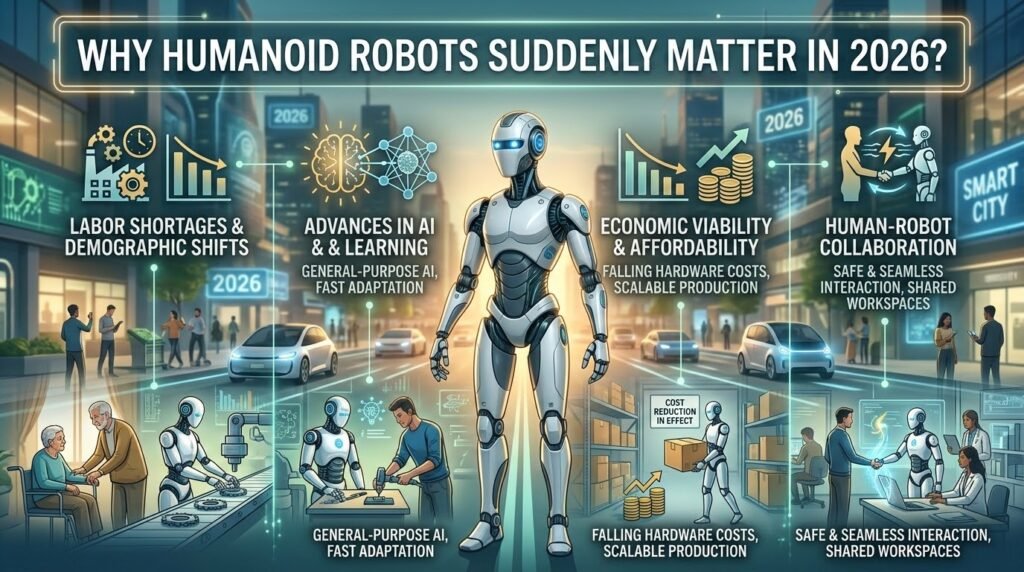
On a cold morning in late February 2026, a short clip from a robotics lab in California quietly exploded across the internet.
It wasn’t a flashy CGI trailer. There was no dramatic soundtrack. No polished keynote presentation. Just a humanoid robot walking across a warehouse floor, carrying plastic containers from one station to another while workers casually moved around it.
At first glance, the video looked almost boring.
And that is exactly why it mattered.
For years, humanoid robots lived in the strange territory between science fiction and tech demos. They danced on stage, performed backflips, waved at cameras, and generated millions of YouTube views. But outside of research labs and conference stages, very few people actually believed they would become economically useful anytime soon.
That perception is beginning to change in 2026.
Not because humanoid robots suddenly became perfect.
But because, for the first time, they became commercially interesting.
And once money enters the conversation seriously, industries start paying attention in a completely different way.
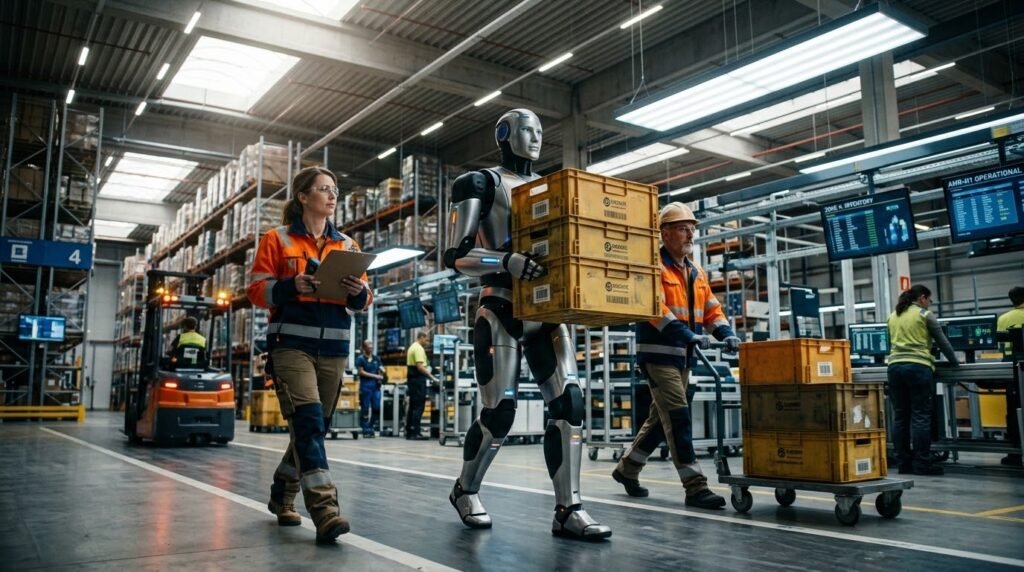
The Industry Has Shifted From “Can We Build It?” to “Can We Scale It?”
One of the biggest misconceptions about robotics is that progress happens suddenly.
In reality, robotics evolves in layers.
The public usually notices the final layer — the moment a robot looks impressive enough to go viral. But the deeper transformation happens quietly underneath: sensors become cheaper, AI models become smarter, actuators become more precise, batteries improve, simulation environments mature, and GPU computing becomes powerful enough to train machines at scale.
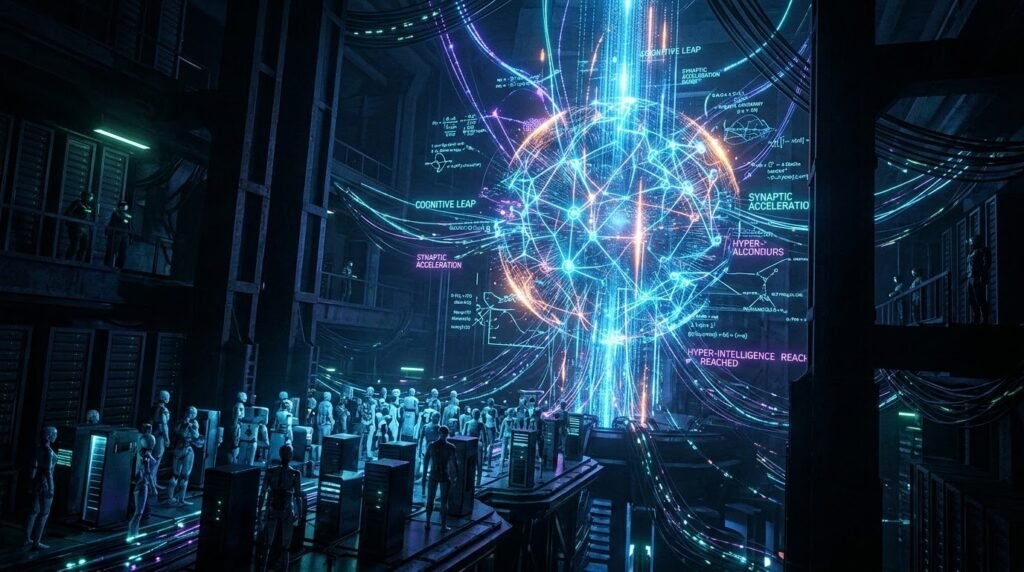
That invisible stack has finally reached a tipping point.
And humanoid robotics is now benefiting from nearly every major technological breakthrough of the last decade simultaneously.
Artificial intelligence.
Large language models.
Computer vision.
Edge computing.
Advanced lithium battery systems.
AI simulation environments.
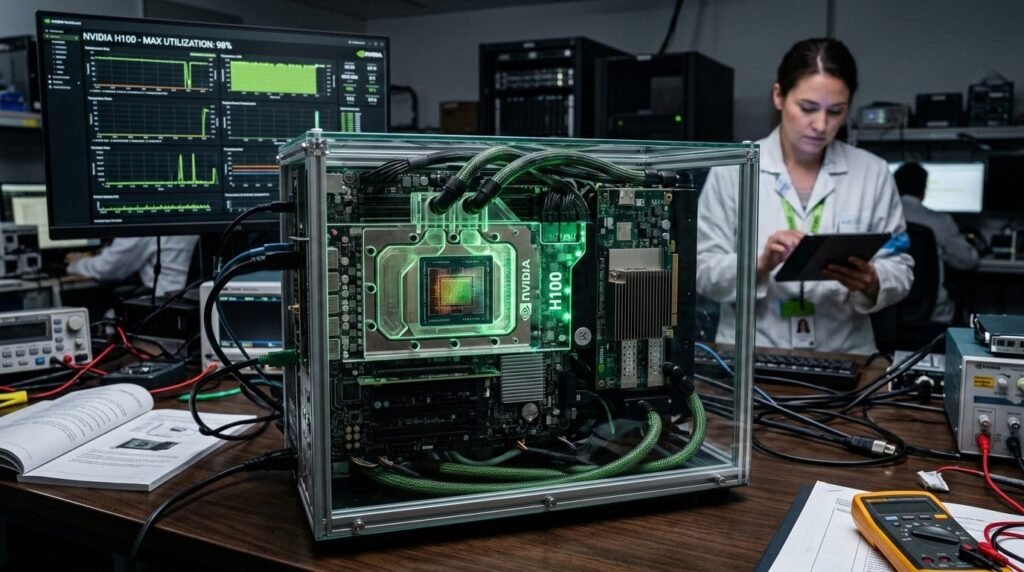
High-performance chips from companies like NVIDIA.
Cloud robotics.
Reinforcement learning.
What makes 2026 different is not that humanoid robots suddenly became magical overnight. It’s that the underlying ecosystem around them finally matured enough to make real deployment possible.
That distinction matters enormously.
Why Tesla Changed the Conversation
When Tesla publicly revealed Optimus, many people initially laughed at the idea.
Some critics saw it as another Elon Musk promise that belonged more in the future than in the present. Others assumed Tesla was simply trying to generate media attention around AI.
But if you step back and analyze Tesla’s position carefully, the logic becomes extremely clear.

Tesla may actually be one of the most strategically positioned companies in the world to build humanoid robots.
That sounds ridiculous at first — until you realize Tesla already spent years solving many of the hardest problems humanoid robotics depends on.
Their cars already process real-world visual data at scale.
They already build AI inference systems.
They already manufacture electric motors and battery systems.
They already train neural networks using enormous GPU clusters.
They already operate large-scale manufacturing infrastructure.
In other words, Tesla was quietly building robotics infrastructure long before Optimus ever appeared on stage.
Elon Musk even described Tesla as “arguably the world’s biggest robotics company,” which once sounded exaggerated. In 2026, it sounds far less absurd.
And here’s the deeper point most people miss.
Tesla doesn’t necessarily need Optimus to become a perfect home assistant immediately.
Even partial success could reshape manufacturing economics.
If humanoid robots can reliably perform repetitive warehouse and factory tasks, Tesla could eventually reduce labor constraints inside its own production ecosystem.
That alone would be revolutionary.
Figure AI and the New Gold Rush
But Tesla is no longer alone.
One of the clearest signs that humanoid robotics is entering a serious phase came from the rise of Figure AI.

Unlike older robotics companies that focused heavily on engineering demonstrations, Figure positioned itself much more aggressively around commercialization.
And investors noticed.
Very quickly.
By 2024 and 2025, Figure AI had attracted attention from some of the largest technology players in the world, including partnerships and investment discussions connected to AI infrastructure leaders.
That changed industry perception almost overnight.
Because once major capital starts flowing into a sector, it sends a message to the broader market:
“This may become economically important.”
And economics, more than hype, determines technological survival.
The Labor Crisis Nobody Wants to Talk About
There’s another reason humanoid robots suddenly matter in 2026.
And it has nothing to do with science fiction.
The global labor market is changing faster than many governments expected.
Countries like Japan, South Korea, Germany, and even parts of the United States are facing demographic pressure from aging populations and declining birth rates.
At the same time, younger generations are increasingly moving away from physically demanding industrial jobs.
Factories still need workers.
Warehouses still need labor.
Supply chains still need people.
But in many regions, companies simply cannot hire enough workers fast enough.
This creates an uncomfortable economic reality.
Automation is no longer just about efficiency.
It’s becoming about survival.
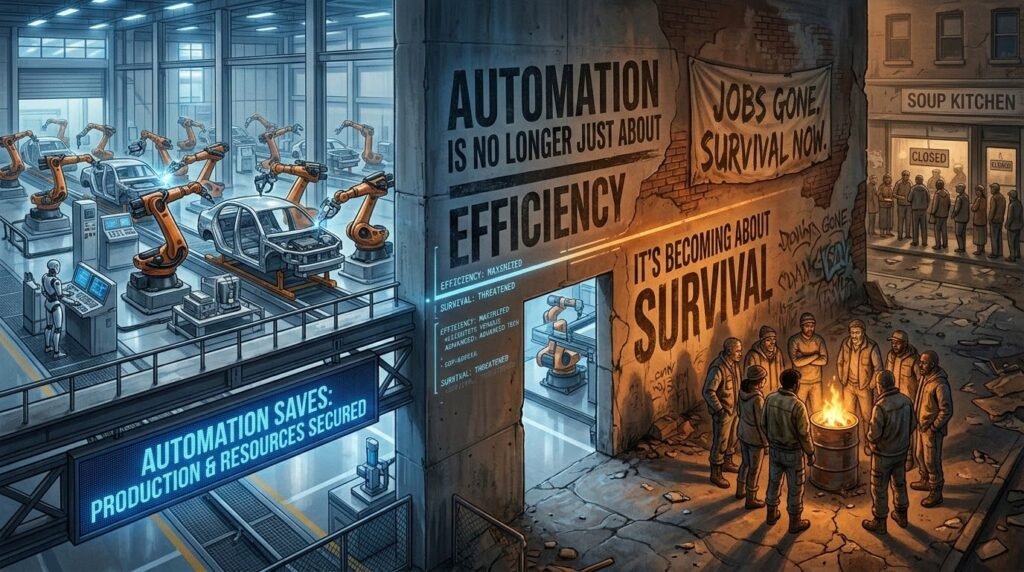
According to data from the International Federation of Robotics, industrial robot installations have continued growing worldwide, particularly across Asia and Europe. Manufacturing sectors are investing aggressively into automation not only to cut costs, but to stabilize operations in increasingly uncertain labor environments.
Humanoid robots are attractive because they are theoretically compatible with environments already designed for humans.
That’s a massive advantage.
Traditional industrial robots often require specialized infrastructure. Humanoid robots, at least in theory, could walk into existing human environments with minimal redesign.
Doors.
Stairs.
Tools.
Shelves.
Machinery.
The entire industrial world was built around the human body.
Humanoid robots inherit that compatibility automatically.
But Here’s the Truth: Humanoid Robots Are Still Far From Perfect
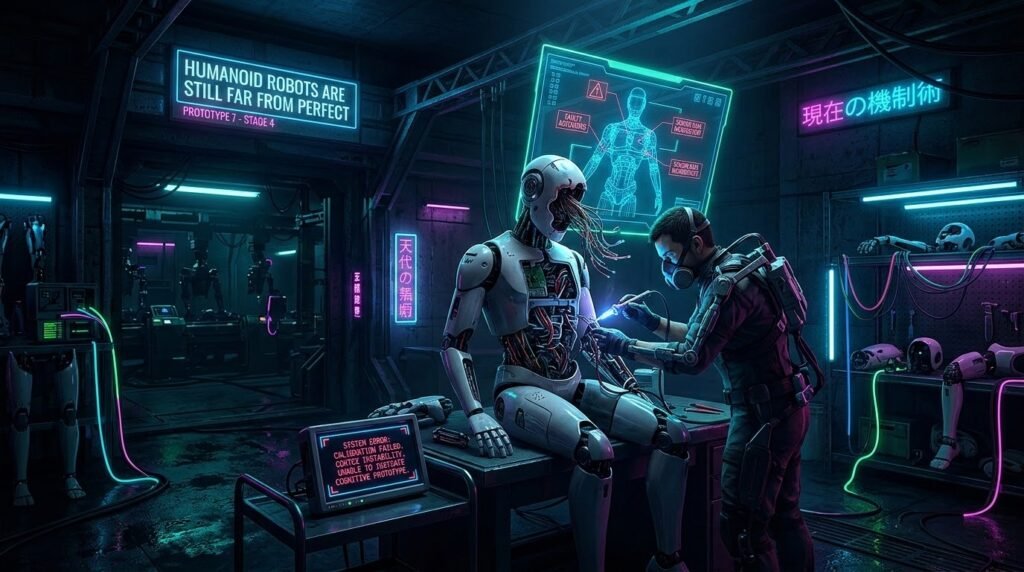
This is where the conversation becomes more realistic.
Because despite all the excitement, humanoid robots still struggle with tasks humans consider trivial.
Picking up irregular objects.
Maintaining balance on unstable terrain.
Handling unexpected obstacles.
Understanding context.
Manipulating delicate items.
Navigating chaotic environments.
Humans perform these actions effortlessly because our brains evolved through millions of years of real-world interaction.
Robots, by comparison, are still learning basic physical intuition.
And physical intelligence may actually be harder than digital intelligence.
This is one reason companies increasingly rely on AI simulation platforms before deploying robots into real environments.
Systems like NVIDIA Omniverse allow robots to train inside virtual environments where they can simulate thousands or millions of interactions rapidly before touching the real world.
This approach dramatically accelerates learning.
Without simulation, progress in humanoid robotics would likely be much slower and far more expensive.
The AI Explosion Is Fueling Robotics
One of the most fascinating developments happening right now is the convergence between large language models and robotics.
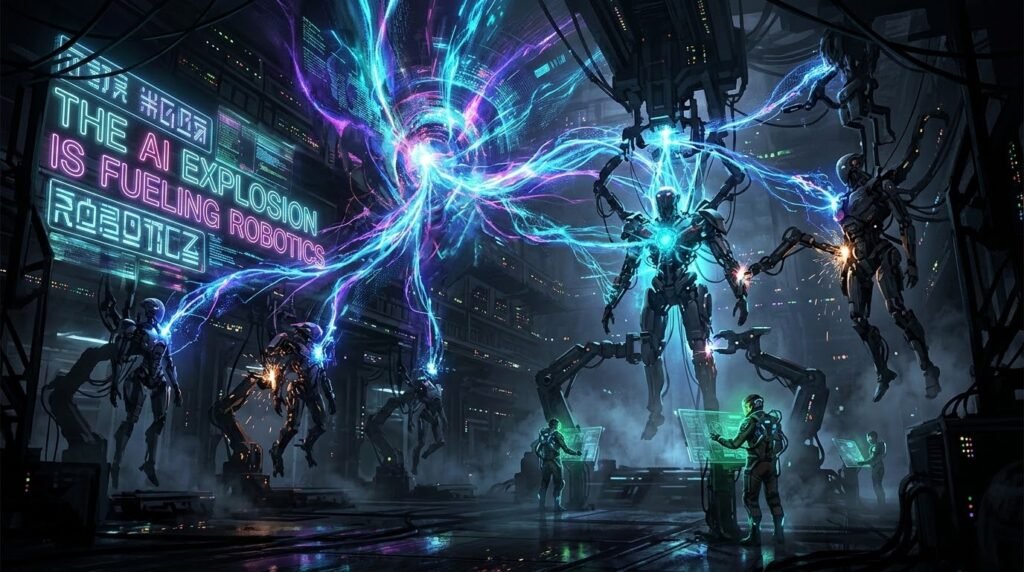
A few years ago, conversational AI and robotics felt like separate industries.
Now they are beginning to merge.
Companies are experimenting with ways to combine language understanding with physical action.
That means future robots may not require rigid programming commands.
Instead of coding exact instructions, humans could simply say:
“Move those containers to the loading dock.”
Or:
“Clean the kitchen and organize the dishes.”
That sounds simple.
But from an engineering perspective, it’s incredibly difficult.
The robot must interpret language, understand context, map physical space, plan movements, avoid obstacles, and adapt in real time.
That entire pipeline depends on massive advances in AI reasoning.
This is why OpenAI, Google DeepMind, NVIDIA, and multiple robotics startups are increasingly converging around the same ecosystem.
AI without physical interaction has limitations.
And robotics may ultimately become the physical embodiment of artificial intelligence itself.
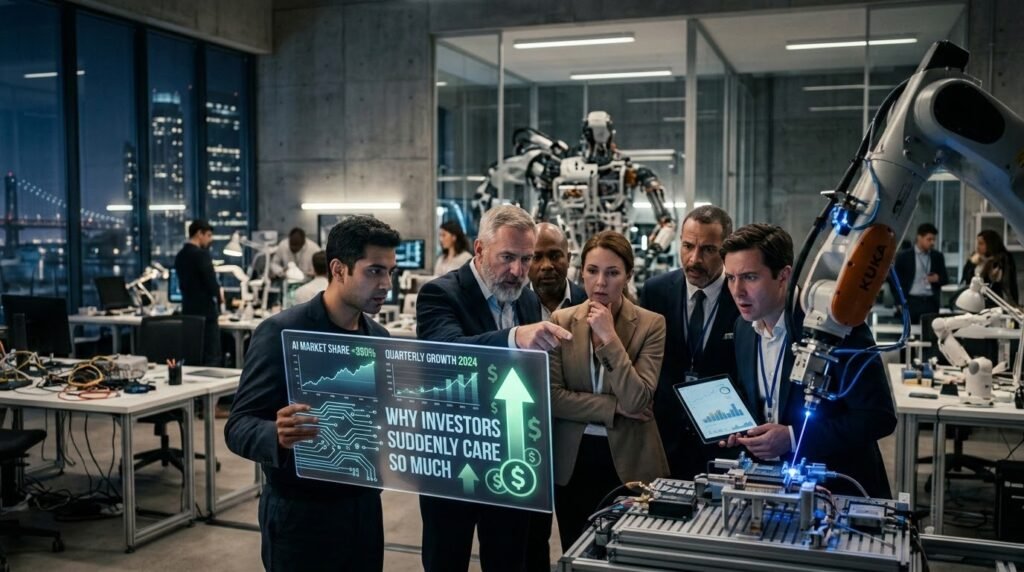
Why Investors Suddenly Care So Much
Humanoid robotics is attracting money because investors believe the total addressable market could become enormous.
Potentially one of the largest markets in technological history.
Think about how many human tasks exist globally.
Warehousing.
Manufacturing.
Retail.
Healthcare assistance.
Hospital logistics.
Construction support.
Elder care.
Domestic work.
Security.
Maintenance.
Transportation.
The economic scale is staggering.
Morgan Stanley analysts previously estimated that humanoid robots could eventually represent a multi-trillion-dollar market over the long term if deployment costs fall significantly.
That may sound overly optimistic today.
But then again, so did smartphones in the early 2000s.
The Psychological Factor Nobody Mentions Enough
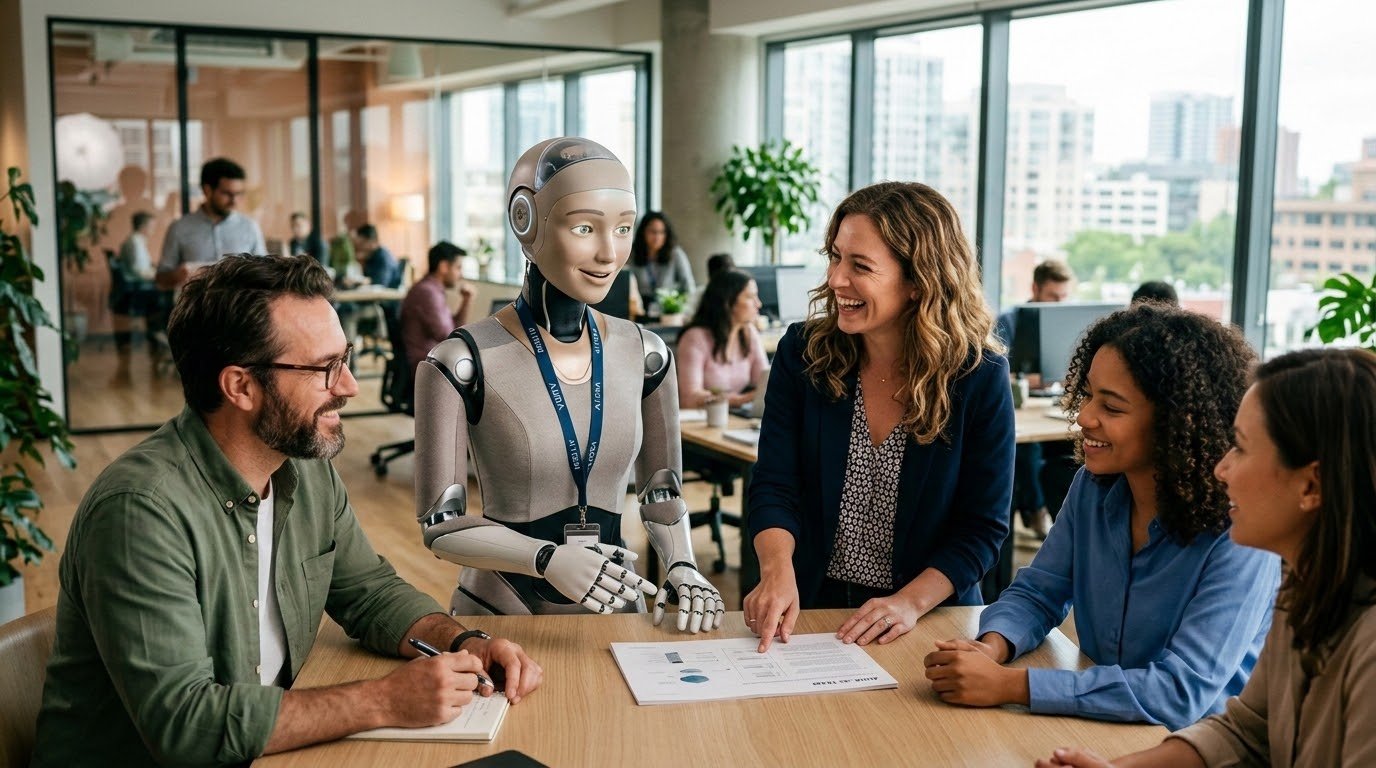
There’s also something deeply psychological about humanoid robots that makes them uniquely important.
Humans naturally relate to human-like forms.
We instinctively interpret movement, posture, gestures, and eye contact.
That creates emotional familiarity.

A robotic arm in a factory feels like machinery.
A humanoid robot walking through a hallway feels like something else entirely.
And that emotional response will shape adoption more than many engineers realize.
The challenge, however, is balancing familiarity without entering the “uncanny valley,” where robots become unsettling because they appear almost human — but not quite.
This may become one of the defining design challenges of the next decade.
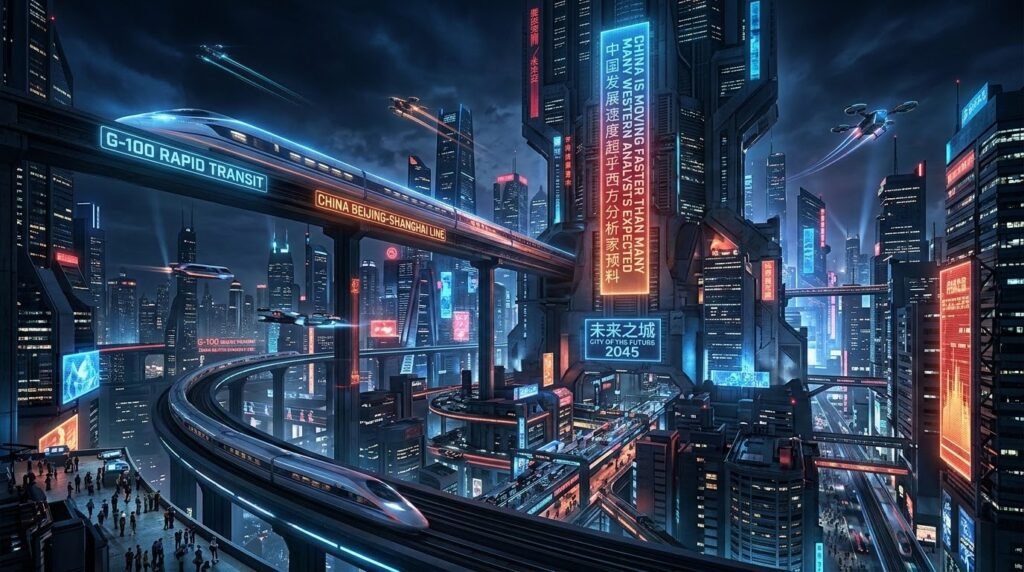
China Is Moving Faster Than Many Western Analysts Expected
One of the most underestimated developments in robotics right now is China’s acceleration in humanoid robotics manufacturing.
Chinese companies are moving aggressively into:
- actuators
- battery systems
- AI robotics
- low-cost manufacturing
- supply chain integration
This matters because scale manufacturing capability often determines which technologies become affordable globally.
The United States may dominate AI software and advanced chips.
But manufacturing scale is another battlefield entirely.
And robotics increasingly sits at the intersection of both.
This global competition will likely intensify throughout the next decade.
What Happens Next?
In the next few years are going to be extremely important.
Not because humanoid robots will suddenly replace humans everywhere.
That’s unlikely.
But because we are entering the first phase where real deployment data starts appearing.
And real-world data changes everything.
Investors stop guessing.
Engineers stop theorizing.
Companies stop imagining.
Suddenly there are metrics.
Efficiency numbers.
Failure rates.
Maintenance costs.
Operational limits.
Actual economics.
That transition from demo-stage robotics to measurable deployment may become one of the defining industrial stories of this decade.
So What Should We Really Pay Attention To?
Not the viral videos.
Not the polished demos.
Not the robots dancing on stage.
The real signal is much quieter.
Watch where companies deploy robots repeatedly.
Watch where labor shortages become severe.
Watch where governments begin subsidizing automation.
Watch where NVIDIA GPUs are being purchased at industrial scale.
Watch where warehouse infrastructure changes.
Because that is where the real robotics economy is forming.
Humanoid robots may still look futuristic.
But economically, they are already becoming practical.
And once practicality enters the conversation, technological adoption tends to accelerate much faster than society expects.
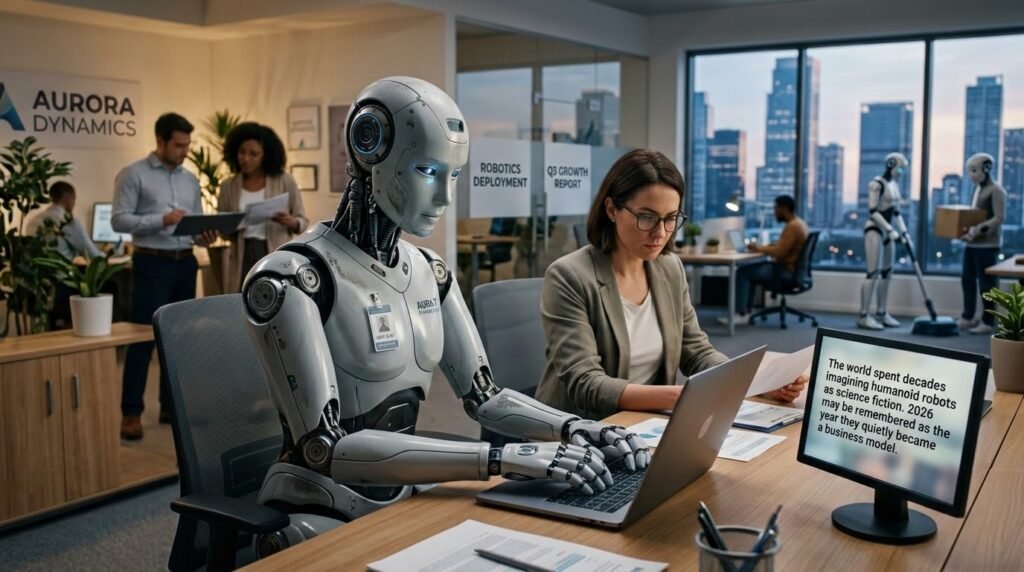
The world spent decades imagining humanoid robots as science fiction.
2026 may be remembered as the year they quietly became a business model.
References & Further Reading
MIT Technology Review — https://www.technologyreview.com/
IEEE Spectrum Robotics — https://spectrum.ieee.org/robotics
NVIDIA Robotics & AI — https://www.nvidia.com/en-us/industries/robotics/
NVIDIA Omniverse — https://www.nvidia.com/en-us/omniverse/
Tesla AI & Optimus — https://www.tesla.com/AI
Figure AI — https://www.figure.ai/
Boston Dynamics — https://www.bostondynamics.com/
International Federation of Robotics — https://ifr.org/
McKinsey & Company Robotics Insights — https://www.mckinsey.com/
Stanford AI Lab — https://ai.stanford.edu/
World Economic Forum AI & Robotics — https://www.weforum.org/
Goldman Sachs Research — https://www.goldmansachs.com/insights/
Harvard Business Review Technology — https://hbr.org/topic/technology
OpenAI Research — https://openai.com/research/
Google DeepMind — https://deepmind.google/
Thomas Huynh – Admin of RoboZone.top