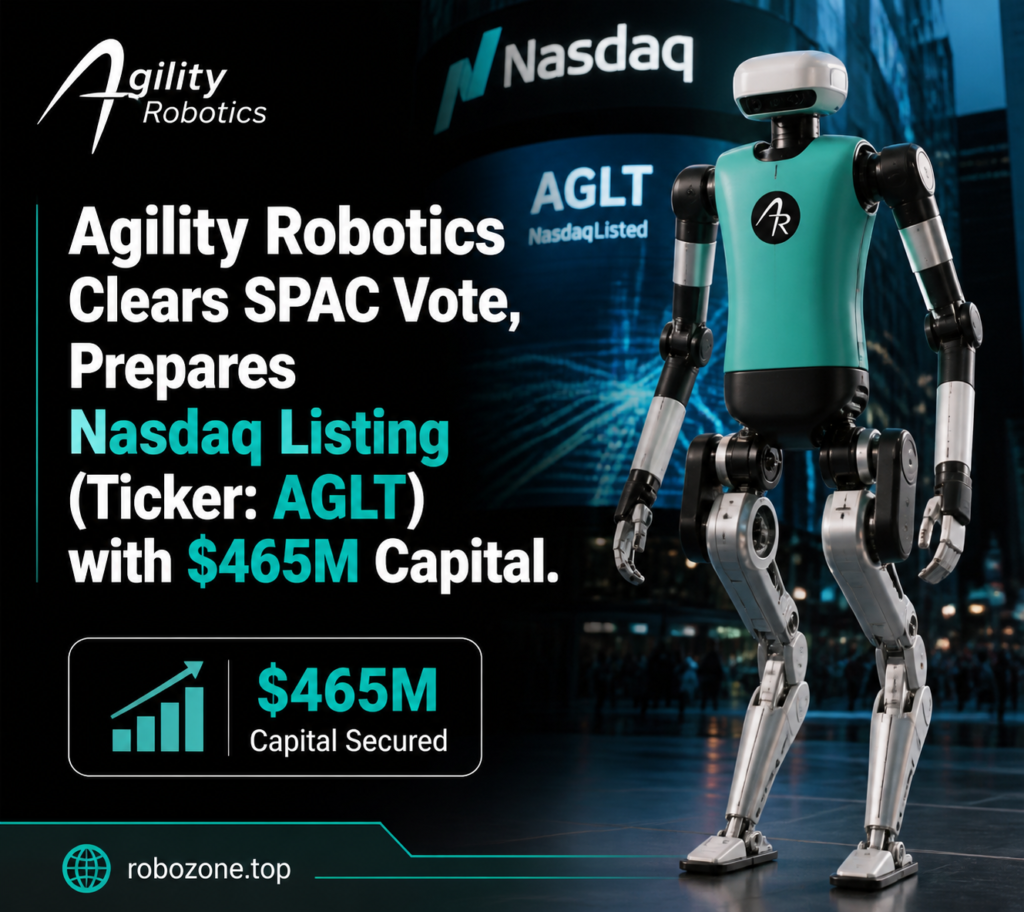
In a move poised to reshape the landscape of humanoid robotics, Agility Robotics has successfully cleared a special purpose acquisition company (SPAC) vote, setting the stage for its anticipated debut on the Nasdaq under the ticker AGLT. The process, executed through a merger with Churchill Capital XI, will infuse up to $465 million into Agility Robotics’ coffers, an infusion earmarked to accelerate the commercial deployment of its flagship technology, the Agility Digit 5. This event marks not just a financial leap for Agility Robotics but symbolizes a pivotal moment in the continued evolution of humanoid automation technology.
The Road to Public Listing: Navigating a SPAC Merger
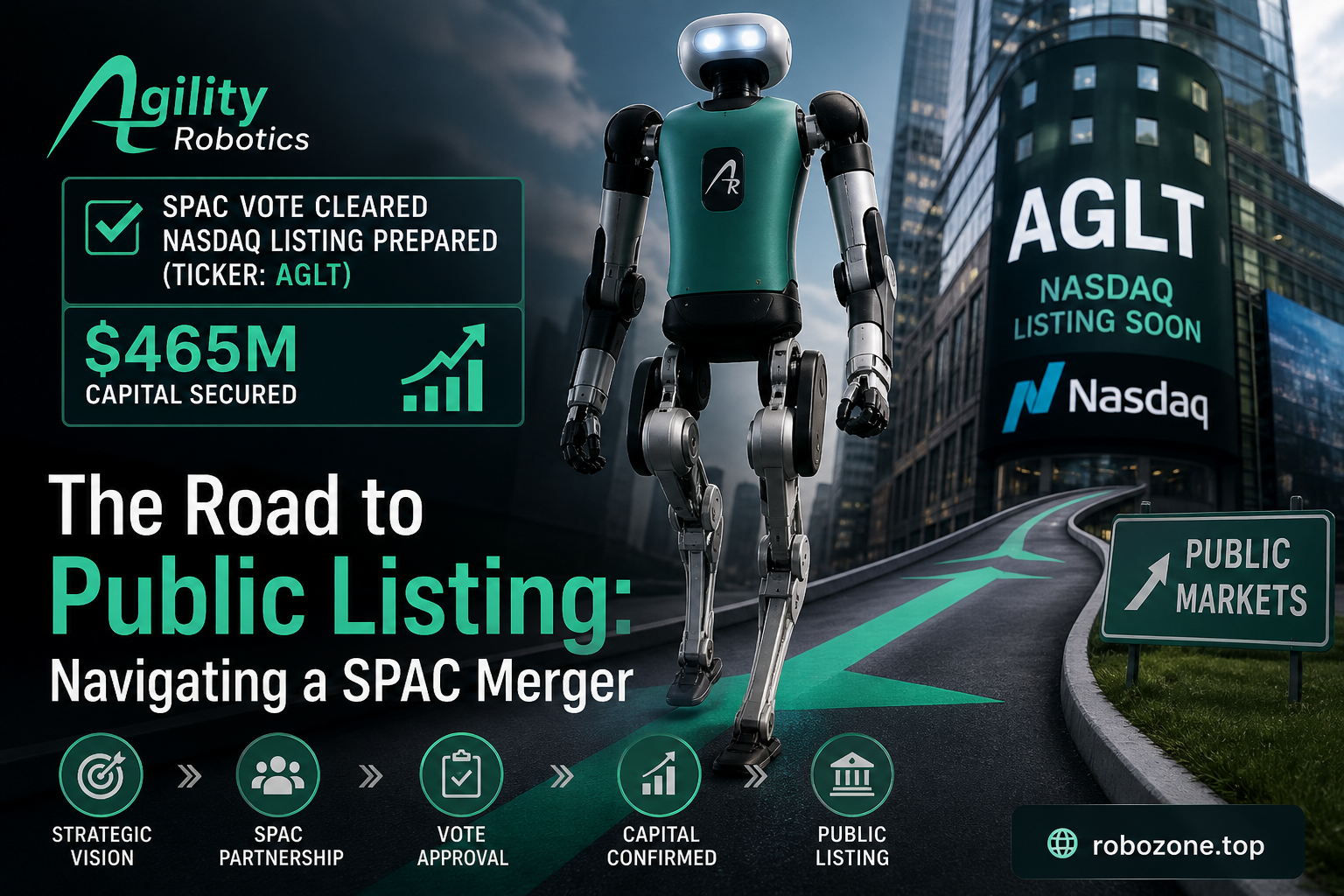
Agility Robotics, founded in 2015 by robotics visionaries from Oregon State University, has rapidly emerged as a leader in developing humanoid robots, designed to seamlessly integrate into human environments. This preparation for Nasdaq listing comes on the heels of their strategic merger with Churchill Capital XI, a SPAC that has propelled various tech innovations into the public sector previously.
SPACs have become a popular vehicle for companies like Agility Robotics to go public, offering a streamlined and cost-effective alternative to traditional IPOs. The deal is intended to provide Agility with essential capital to ramp up production of its state-of-the-art systems. According to Agility Robotics, the funding will target scaling infrastructure, enhancing production capacities of the Agility Digit 5 robots, and expanding their operational footprint globally.
This merger aligns with Agility Robotics’ strategic objective to transition from research and development phase to large-scale commercial production. With the backing of Churchill Capital XI’s $465 million – contingent on condition completion – Agility Robotics is targeting a diverse array of use cases, from logistics to complex service applications.
Introducing Agility Digit 5: Technical Mastery in Humanoid Robotics
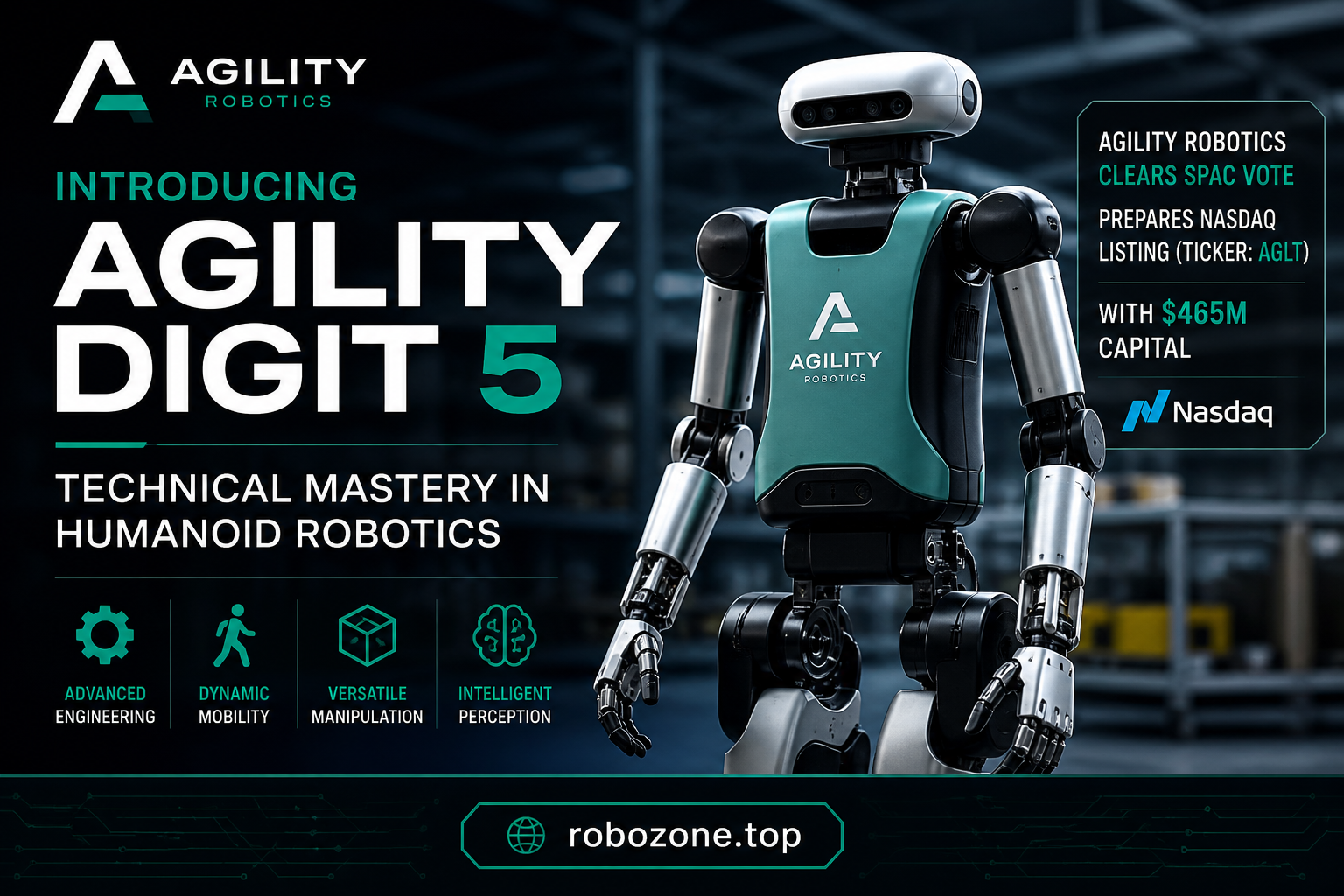
At the heart of Agility Robotics’ ambitious plans to revolutionize the landscape is its showcase product: the Agility Digit 5. This advanced humanoid robotics system stands out through its unique combination of articulated limbs and sophisticated AI-driven controls, features crafted to navigate complex environments typically designed for human interactions.
The Digit 5 embodies Agility Robotics’ vision to create a versatile robot capable of performing tasks autonomously in unpredictable, semi-structured environments. The robot is engineered with multi-modal sensors and actuators that provide a significant degree of freedom and flexibility, closely mirroring human biomechanics. These attributes enable Digit 5 to efficiently move through industrial spaces, handle packages, and maintain balance even on uneven terrains.
The AI stack powering Digit 5 leverages advanced machine learning techniques, enabling it to learn and adapt to new tasks and environments autonomously. Its core operating system integrates capabilities for real-time decision-making, object recognition, and precise movement execution. This positions Digit 5 not only as a robust tool for various industry applications but also as a beacon for future humanoid robotic development.
Commercial Deployment and Real-World Applications
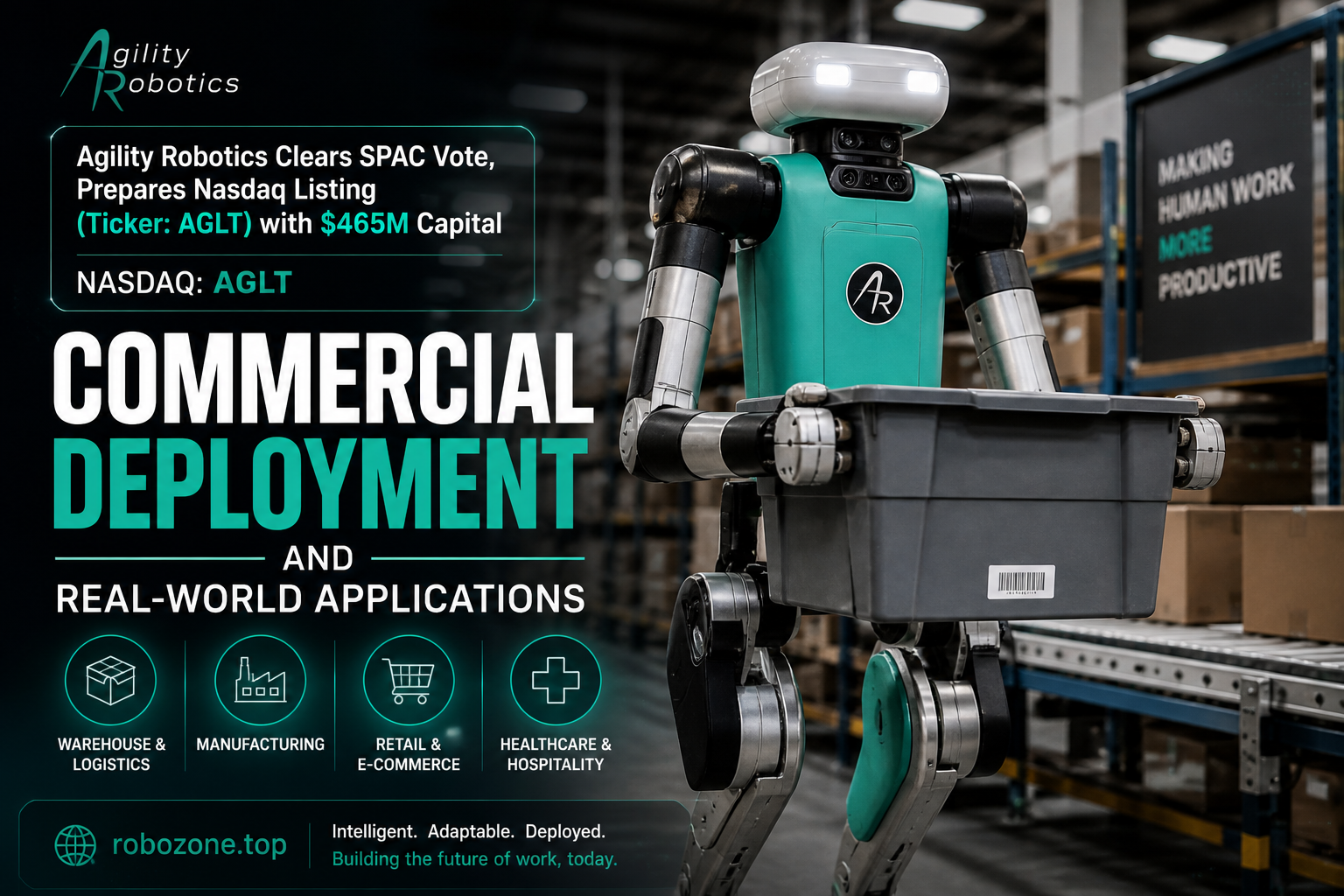
With the financial might from its new public position, Agility Robotics is keen to expand the real-world applications of Digit 5. Their target markets include logistics, warehouses, and service industries – sectors that demand flexible automation solutions.
According to company claims, pilot programs have been conducted with several logistics firms, wherein Digit 5 units have been used for basic material handling and environmental navigation. Initial feedback indicates these robots can inherently reduce operational burdens by curbing the need for human labor in repetitive tasks. Yet, despite these promising pilots, independent verification of long-term, large-scale deployments remains lacking, necessitating continued evaluation as the rollouts progress.
For customers, the proposition extends beyond simply acquiring a tool; the Digit represents a leap towards collaborative automation. As industries grapple with labor shortages and increased operational demands, Digit 5’s potential to integrate into existing workflows offers promising efficiencies, albeit under the aura of meticulous implementation and continued technological refinement.
Technical Challenges and Safety Considerations
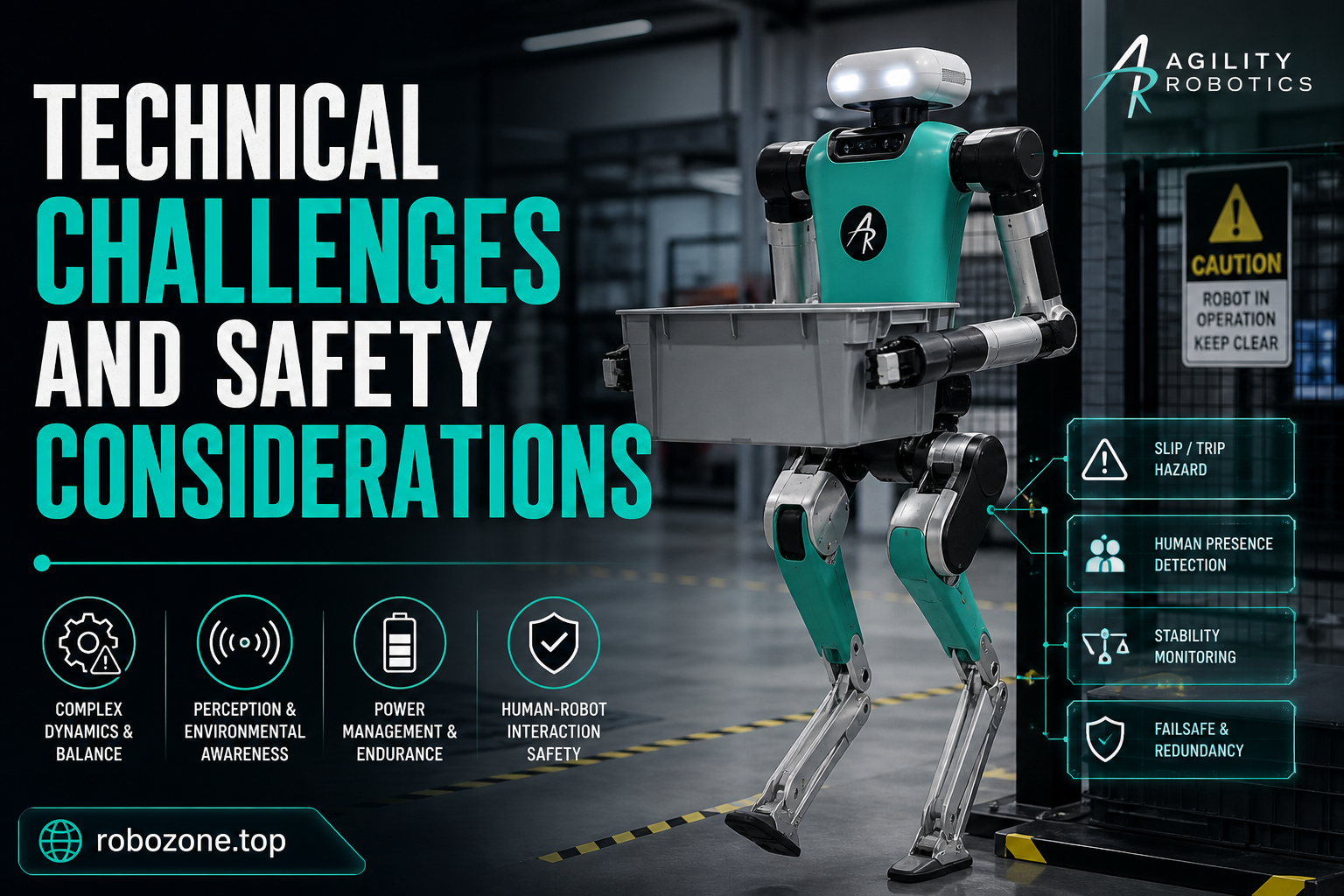
Notwithstanding its technical prowess, the journey to full-scale deployment of Digit 5 is beset with challenges. Chief among them are the complexities associated with creating a completely autonomous system that can function safely and reliably in diverse settings. The risk of accidents or malfunctions poses an inherent challenge, particularly in environments populated by humans.
Agility Robotics asserts that its robots incorporate cutting-edge safety features, including multi-layered fail-safes, collision detection, and compliance with regulatory safety standards like CE and ISO. Nevertheless, achieving essential levels of safety and reliability in autonomous operations remains a dynamic field requiring continuous innovation.
Furthermore, integrating Digit 5 into varied operational environments implies overcoming the vertical barriers posed by specific industries. Customizing the robots to seamlessly fit into diverse operational roles without disrupting established processes presents a non-trivial engineering task.
The Strategic Path Forward: Agility Robotics in a Competitive Market
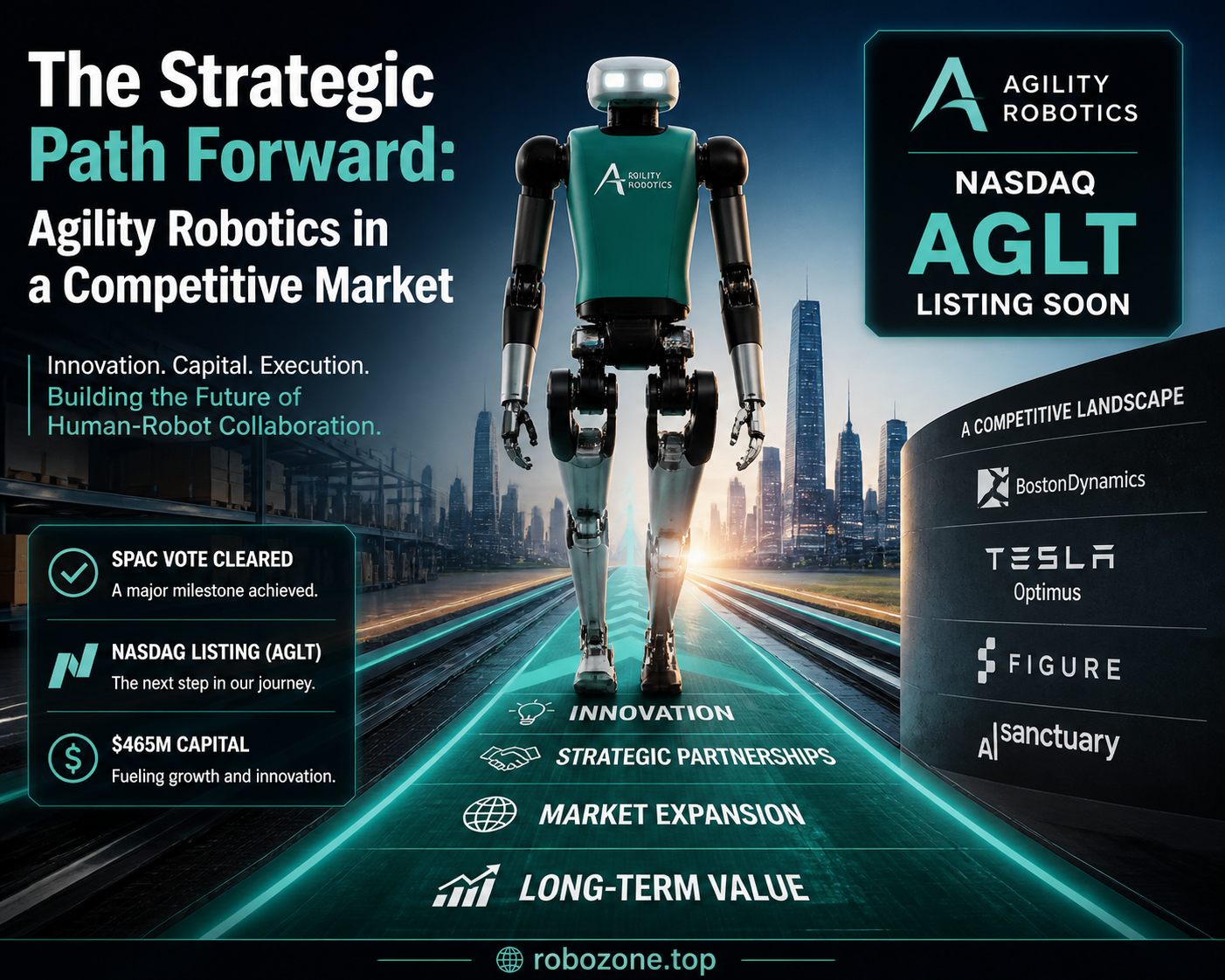
Standing out in the rapidly evolving field of robotics, Agility Robotics faces formidable competition from companies like Boston Dynamics and Softbank Robotics. While Digit 5’s capabilities are impressive, its commercial success will depend significantly on achieving production scale, competitive pricing, and robust customer support.
Agility’s approach involves providing its robots as a service (RaaS), pivoting from traditional sales models to ongoing service agreements. This strategy allows companies to integrate humanoid robotics more fluidly, particularly when navigating capital constraints.
From an investment perspective, Agility Robotics’ Nasdaq listing represents an opportunity to capitalize on a growing industry, one where market dynamics are increasingly favoring flexible automation solutions. Investors and observers should be vigilant about execution timelines, customer adoption rates, and the firm’s responsiveness to market shifts.
What Readers Should Watch in the Coming Months
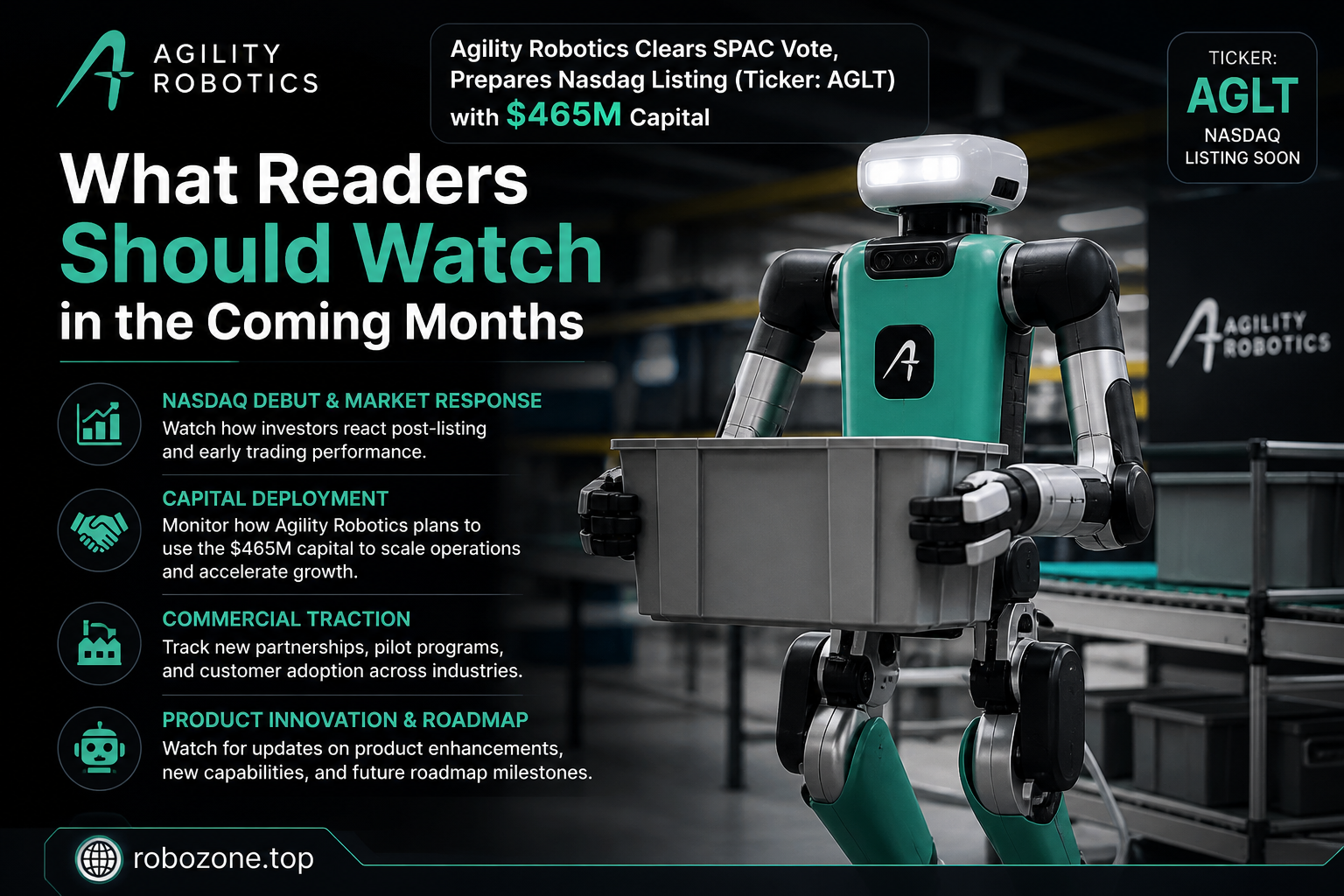
As Agility Robotics steps into the spotlight of public trading, the next phases will be critical. Key milestones to monitor include the successful transition of pilot operations to full-scale deployments, customer feedback, and adherence to projected growth timelines.
Industry professionals and investors should equally pay attention to broader industry trends, particularly shifts driven by changing labor markets and technological advancements. Given the competitive nature of the robotics arena, continuing adaptations in Agility’s strategic focus may provide insights into its future trajectory and stability.
Ultimately, the convergence of capable humanoid robotics with real-world commercial applications stands poised at the forefront of a new era in robotics innovation, one where the practical becomes tangible and dream looms on the cusp of reality.
Admin of RoboZone.top