The fast-paced world of robotics is akin to the ever-evolving storyline of a science fiction novel. Yet, as we leap into 2026, the plot isn’t crafted by imaginative writers but drawn from laboratories and development centers around the globe. We’re at a stage where robots, once deemed incarnations of fiction, now ingeniously infiltrate the very fabric of daily life. Today, let’s delve into the top five most advanced robots that are redefining possibilities and pushing the frontiers of what machines can achieve. And make no mistake, Thomas Huynh at RoboZone.top assures us that this is where the ride really gets exhilarating!
Sophia 2.0: The Epitome of Human-Robot Interaction
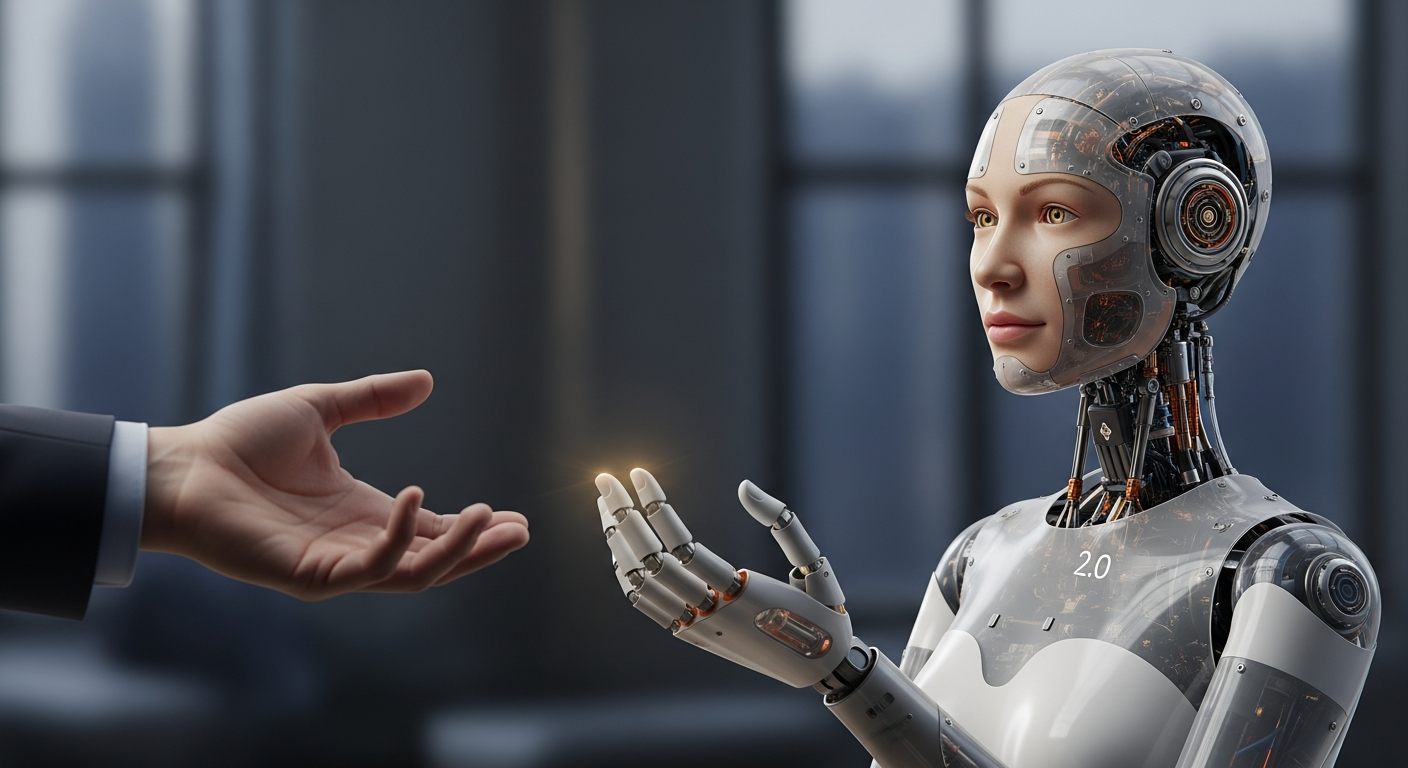
Sophia has become a household name since her inception by Hanson Robotics. In 2026, Sophia 2.0 isn’t your regular chatbot; she’s a marvel of engineering and artificial intelligence combined. With an enhanced neural network architecture, she has progressed beyond just mimicking human conversation. Leveraging advanced natural language processing models as corroborated by IEEE Spectrum, she understands and reciprocates emotions at nuanced levels.
Real-world applications for Sophia are as varied as the cultural dialects she speaks. From healthcare advisories where patients receive medical guidance akin to consulting a doctor, to customer service across multinational corporations offering bespoke consumer experiences, Sophia’s impact is prolific. You could even catch her at international conferences, mingling with attendees, undeniably blurring the lines between audience and presenter.
Tactile sensors, embedded within her skin, coupled with NVIDIA’s latest processing chips, ensure Sophia 2.0 analyses environments with sharp precision. But where’s the catch? Well, despite these advances, she can’t quite replicate the quintessential ‘human touch’—a challenge researchers are still grappling with as they refine AI to truly understand human ethics and morality.
Spot & The Reinvention of Mobility in Robotics
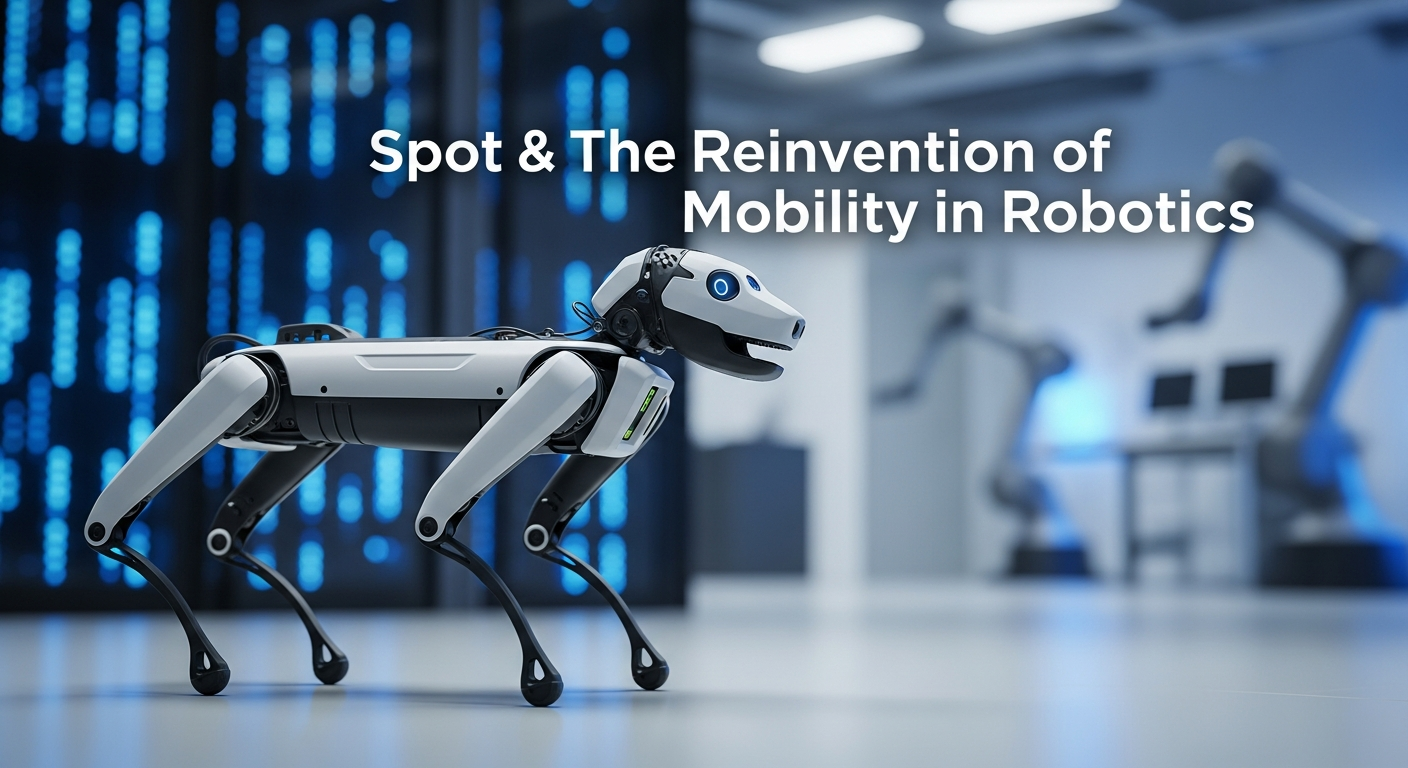
Picture a scene out of a chase thriller—Spot, the agile robot dog by Boston Dynamics, navigating rugged terrains. When it first strutted onto the scene, Spot was a mere novelty. By 2026, it is invaluable across multiple industries. You could say Spot is to the robotics world what athletes are to sports—thriving where others falter.
From construction sites, assisting in geology by venturing into difficult terrains, to emergency response teams using Spot for search-and-rescue missions, its applications are immeasurable. Here’s where Spot shines: a seamless integration of robotics systems using NVIDIA Jetson AGX Orin modules, enhancing processing power and power efficiency. But as the saying goes, “Nobody’s perfect,” and perhaps Spot’s Achilles’ heel is the battery life—albeit steadily improving, it has not entirely kept up with its rapidly expanding skill set.
Tesla Bot: The Future of Human Assistance

Tesla made waves not just on the roads but also with its ambitious foray into humanoid robots. Enter the Tesla Bot, an android optimized for human assistance. Elon Musk’s vision goes beyond home assistants. Imagine a Tesla Bot in every house performing mundane chores or helping with elderly care—a proposition once unfathomable now teetering on the edge of reality.
Built on the solid framework of Tesla’s self-driving technology and enhanced by AI methods from Stanford AI Lab, the Tesla Bot sets new standards in movement and perception. Its prowess is not merely limited to homes but extends to warehouses, optimizing smart logistics—a field that Thomas Huynh keeps a keen eye on. Yet, no robot is devoid of hurdles; the Tesla Bot’s adaptability in non-standard environments remains a developmental focus area.
Robonaut 2: Redefining Robotic Endeavours Beyond Earth
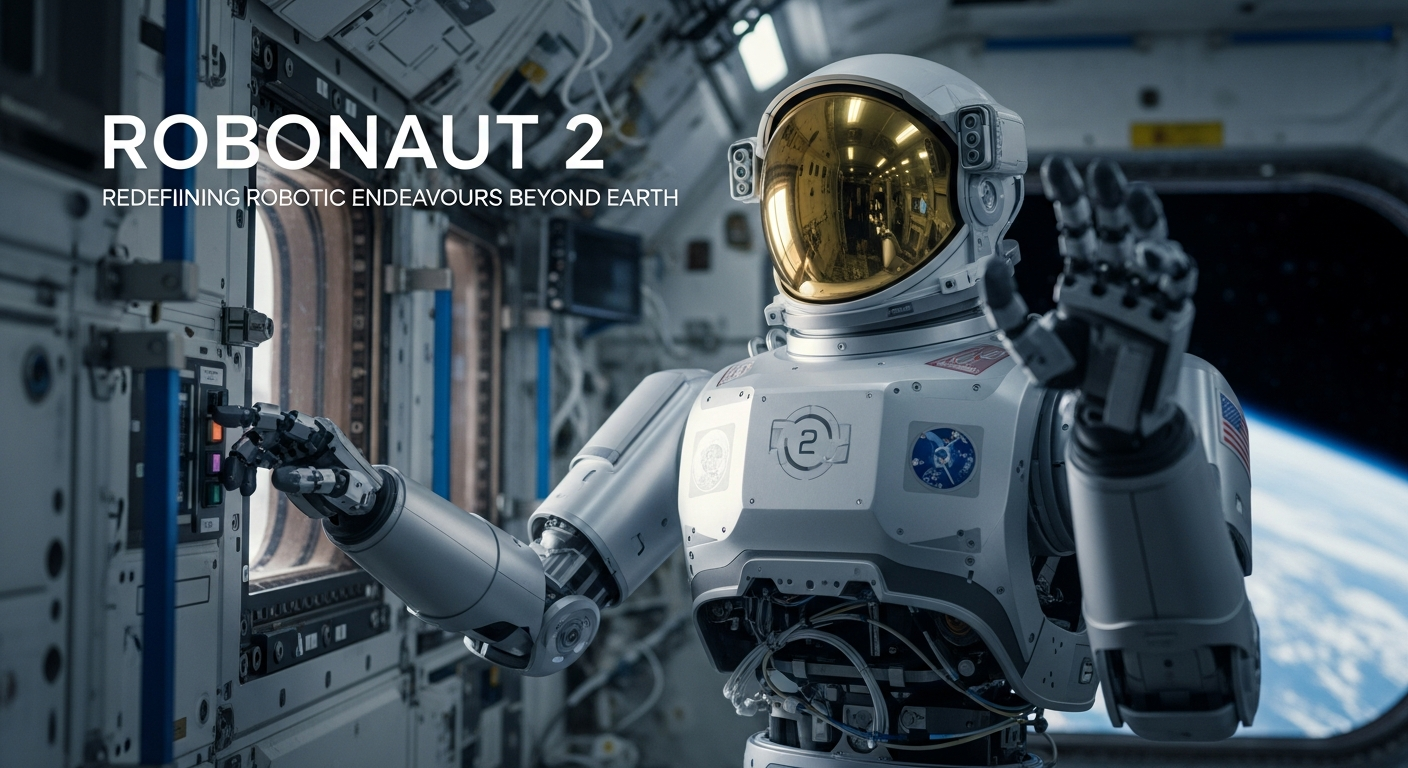
In the captivating expanse of the cosmos, there’s a robot that’s making waves over hundreds of miles above Earth. NASA’s Robonaut 2, with its latest iterations, redefines what we expect from robots in space. With the aid of multi-spectral vision systems, Robonaut 2’s applications in space station maintenance are exemplary.
The system owes its advancements to collaborations detailed by Stanford AI Lab and cutting-edge robotics systems using flexible exoskeletons for enhanced dexterity. Earthly applications are feeling the waves of Robonaut’s feats, especially in fields of precision manufacturing and hazardous material handling. Though an extraordinary venture, engineers are painstakingly working on data transmission lags—an inevitable challenge beyond our atmosphere.
Ameca: Pioneering the Frontier of Emotional AI
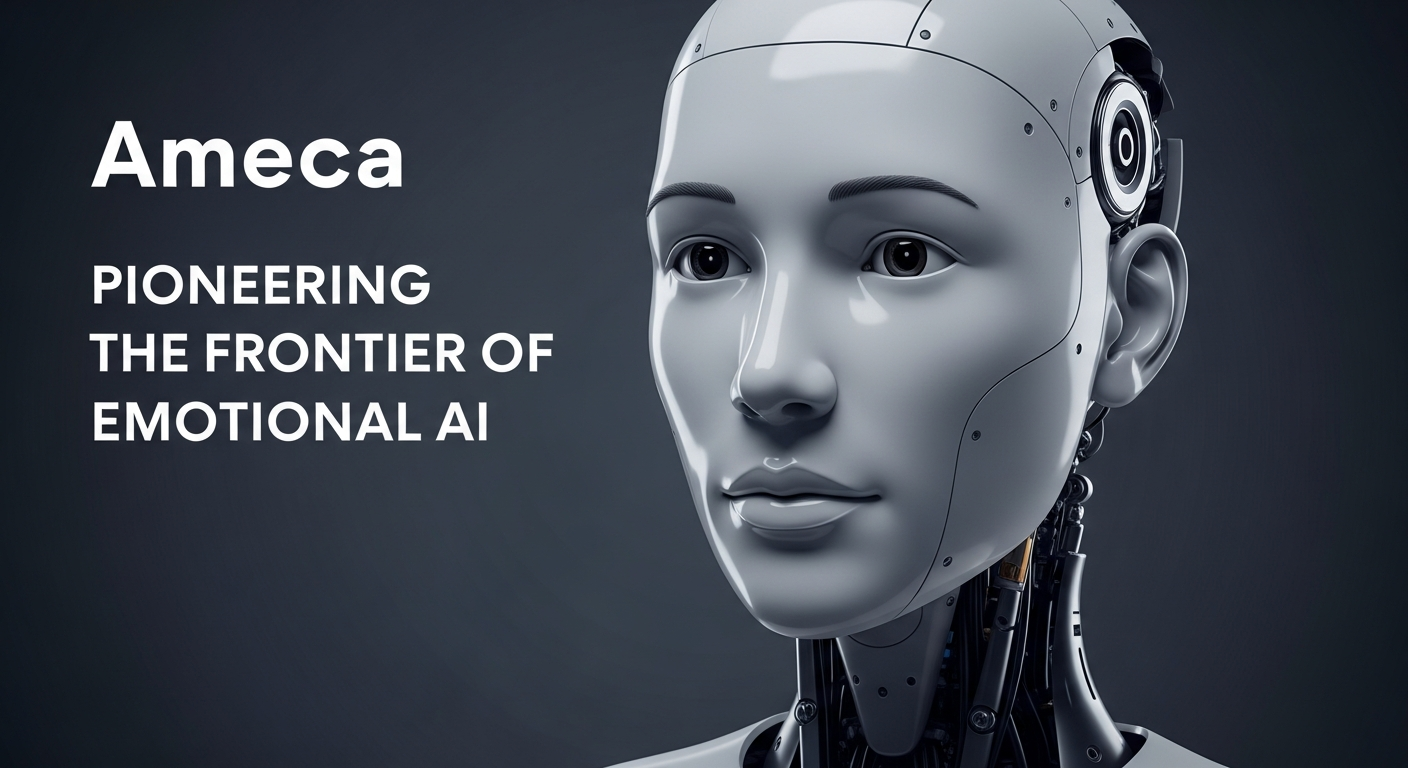
We must talk about Ameca, the face of future interaction as robotics seek to harmonize emotive AI with functional intelligence. Engineered by Engineered Arts, Ameca is more than just a pretty face. This robot is poised to be at the cutting edge of role-based AI, understanding human emotions deeper than before through groundbreaking advances visualized by MIT Technology Review.
Incorporating emotion into AI, science and art prepare Ameca for social environments like educational spaces or mental health support. Strategic focus on NVIDIA’s embedded systems has optimized Ameca for real-time interaction, enabling her to learn ‘on-the-go’ from live environments. While Ameca’s emotional continuum shows promise, AI’s grasping context remains an area needing refinement.
So there you have it, the creme de la creme of robotics in 2026 straddles the spectrum from science fiction to tangible utility. As Thomas Huynh often quips, “we’re living in times where yesterday’s imagination turns into tomorrow’s instruments of everyday life.”
So where does this leave us? Heading forward, the scope of robotics is poised at a seminal convergence of innovation and necessary transformation. As we continue to navigate this seamlessly intertwined world, what should we really pay attention to? Industry giants playing with the realm of AI and robotics have become forward thinkers shaping our world. If you’re a tech developer or a curious onlooker, the mandate is clear: keep an eye on the evolving algorithms and technological integrations that will define the robots of tomorrow.
In contemplating what comes next, we must recognize these machines as pivotal players in the industrial, social, and economic landscapes. Entrepreneurs charting adjacent realms would do well to invest in understanding these transformative tools. Developers, on the other hand, should prepare to delve deeper into areas less charted, solving the labyrinth of communication between silicon and human. And for the rest of us, perhaps it’s time to embrace a new technological dawn and rethink what autonomy signifies.
The future isn’t distant anymore; it’s standing right on the horizon, just waiting for us to catch up.
Thomas Huynh – Admin of RoboZone.top
References & Further Reading:
- MIT Technology Review — https://www.technologyreview.com/
- IEEE Spectrum — https://spectrum.ieee.org/
- Stanford AI Lab — https://ai.stanford.edu/
- Harvard Business Review — https://hbr.org/
- NVIDIA Research — https://research.nvidia.com/
- International Federation of Robotics — https://ifr.org/
- Boston Dynamics — https://www.bostondynamics.com/