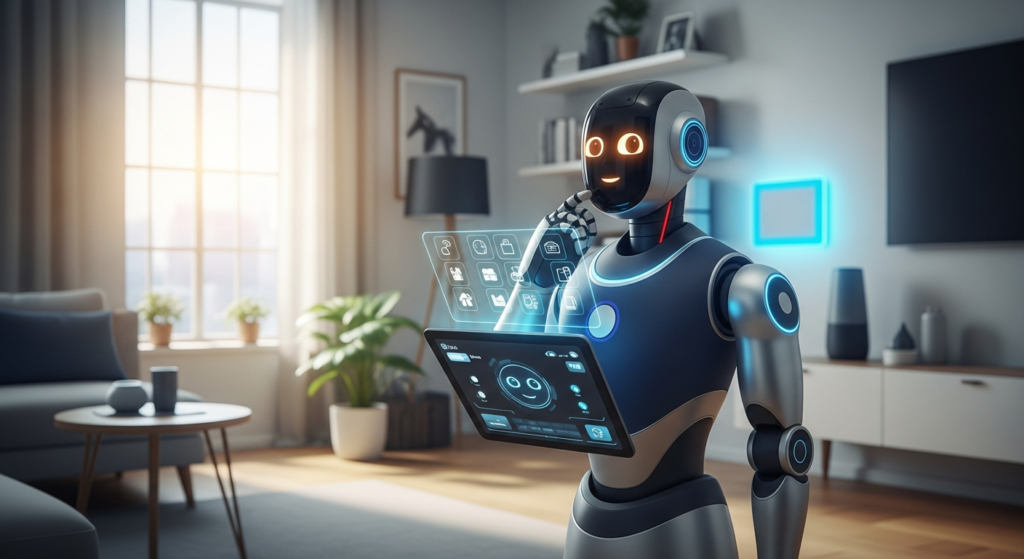
In the adventurous journey of technological evolution, we have witnessed awe-inspiring advancements—some that were once confined to the realms of science fiction. Enter the era of personal assistant robots, where machines cater to our whims and whisper conveniences in our ears. But as we stand on the precipice of further evolution, are we truly ready to embrace these metallic companions? Let us embark on an exploration into the world of personal assistant robots, dissecting their essence, unraveling their wonders, scrutinizing the hurdles they face, and pondering the future they promise.
Understanding the Anatomy of a Personal Assistant Robot
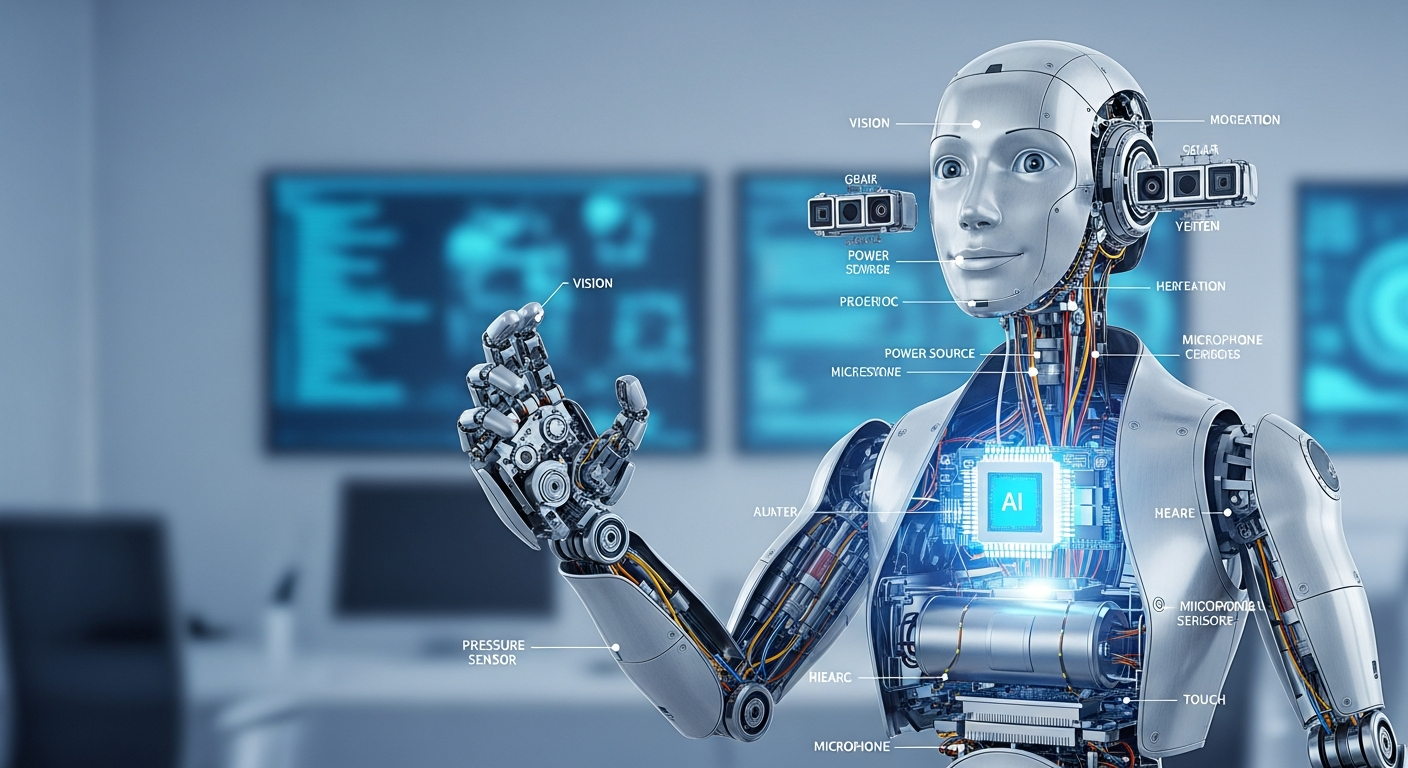
Personal assistant robots are engineered marvels, brought to life through a blend of artificial intelligence, robotics, and human ingenuity. Imagine them as an upgraded version of the popular virtual assistants we all know and love—your Siri and Alexa—with arms capable of handling physical tasks. They serve as our confidants, partners in chores, and sometimes, our technological jesters. At their core, these assistants are powered by complex AI models that allow them to interpret commands, learn from interactions, and adapt to preferences.
These robots are fitted with an impressive array of sensors, much like a Swiss army knife of technology—ranging from cameras and microphones to haptic sensors and even vision systems. Major advancements in AI chips from companies like NVIDIA enable these assistants to process information at breakneck speed. They’re constantly learning, evolving, and becoming more efficient at handling our multifaceted demands.
If you’ve ever watched a Boston Dynamics robot balance gracefully on two legs or navigate challenging terrain, you can appreciate the blend of hardware and software at play here. The core concept of personal assistant robots is to make our lives easier, efficiently handling tasks such as fetching groceries or predicting when your next coffee refill might be necessary. Beyond the bells and whistles, their key objective remains the consolidation of daily chores, enabling humans to focus on what truly matters.
Applications Across Diverse Realms
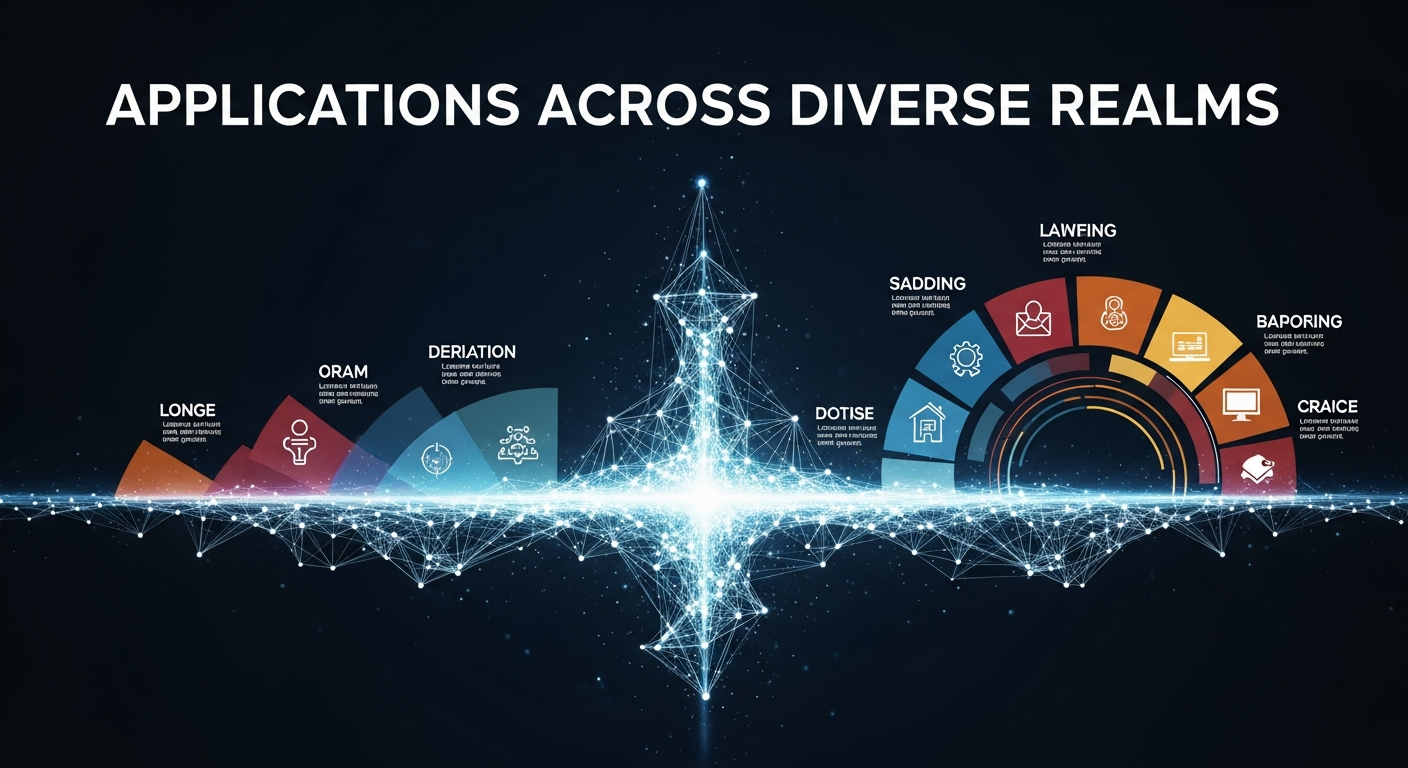
It’s in the real-world applications that personal assistant robots truly shine, like a star performer finally gracing the grand stage. In homes, these robots undertake tasks from cleaning and cooking to childcare and eldercare. Picture Rosie from “The Jetsons,” upgraded for the twenty-first century, bustling about your home, vacuuming the carpet, and preparing your favorite dish just as you finish your work-from-home shift.
In industrial settings, assistant robots cooperate with human workers—augmenting their capabilities, increasing efficiency, and enhancing safety. They might monitor inventory levels in a warehouse or assemble intricate products with the precision of a seasoned craftsman, doing the monotonous work humans dread while mitigating the risk of injury.
Let’s pivot to healthcare, where these bionic aides are used to support medical staff by transporting supplies and even assisting in surgeries with greater accuracy than the steadiest surgeon’s hand. In a riveting twist, they also help care for patients by monitoring vitals and keeping them company—a crucial boon in times of staff shortages.
Automotive companies like Tesla have innovated by employing personal assistant robots on assembly lines to reduce time-to-market cycles. Their potential to make seismic changes across various professional landscapes is a testament to how deeply woven they are into our evolving narrative.
The Technological Tapestry Behind Them

Dive into the matrix of technology that breathes life into personal assistant robots, and you uncover the symphony of artificial intelligence models, machine learning algorithms, and robust robotics systems. Companies like Google DeepMind are pioneering innovations where robots not only follow programmed paths but learn from experiences, decreasing error rates and improving their reliability with each interaction.
The underlying framework involves convolutional neural networks, akin to the brain-stimulating neurons that power human thought—enabling these assistants to recognize objects and understand visual inputs. The cutting-edge innovation extends to natural language processing, transforming voices into actionable commands. And do we even need to mention the LIDAR and infrared sensors, ensuring safe navigation across all kinds of terrains? It’s the dream team of tech, all harmonizing to make mundane tasks seem magical.
Underpinning these capabilities are the mighty processors provided by giants such as NVIDIA, orchestrating billions of computations and empowering these robots to multitask like no robot before them. This technological tapestry forms the bedrock of the efficiencies and conveniences these robots bring to our lives.
Analyzing Market Dynamics

If Wall Street were to host a show about personal assistant robots, it would be headlined “Growth Opportunities Galore.” The market has poised itself for exponential growth—it’s a sector booming with innovation, capital investments, and burgeoning consumer interest. According to a McKinsey & Company report, the personal robotics market is expected to reach $15 billion by 2030.
Major players are channeling funds into research and development, nurturing a fertile ground for exponential growth. The International Federation of Robotics highlights an annual increase in the sales volume of service robots, reflecting a maturation of the market itself. Research indicates a robust CAGR indicating that despite the daunting initial setup costs, the long-term savings and efficiencies make for a compelling business case.
Venture capitalists are pouring investment dollars into startups that bring fresh ideas and solutions to the table. Think of this space as the Silicon Valley of dreams, bustling with potential, humming with excitement, and ripe with opportunity. Industry giants and nimble startups alike are all vying for a piece of the robotics revolution.
Challenges Looming Large

As we go deeper into the rabbit hole of robotic integration into daily life, challenges loom like ominous storm clouds on a summer day at the beach. Critics point to privacy concerns—after all, having machines equipped with all-seeing sensors could feel unnerving, much like living under constant surveillance. There’s also the reliability factor; robots can misinterpret commands or fail basic functions when sensors falter.
Furthermore, there’s an uneasy dance in the interplay between human labor and automation. Will robots replace jobs, or will they create new ones as they evolve? This question keeps market analysts and policymakers up at night. And let’s not forget the ethical dilemmas—can and should robots exercise judgment in scenarios requiring moral discernment?
Moreover, accessibility remains a critical area. With costs still relatively high, the barrier to entry for consumers can be significant. Yet, as history demonstrates, advancements generally drive down costs, but social inequality could still widen the gap. Here lies a poignant moment for Thomas Huynh at RoboZone.top to advocate for policies ensuring equitable access.
Gazing into the Crystal Ball of Robotics
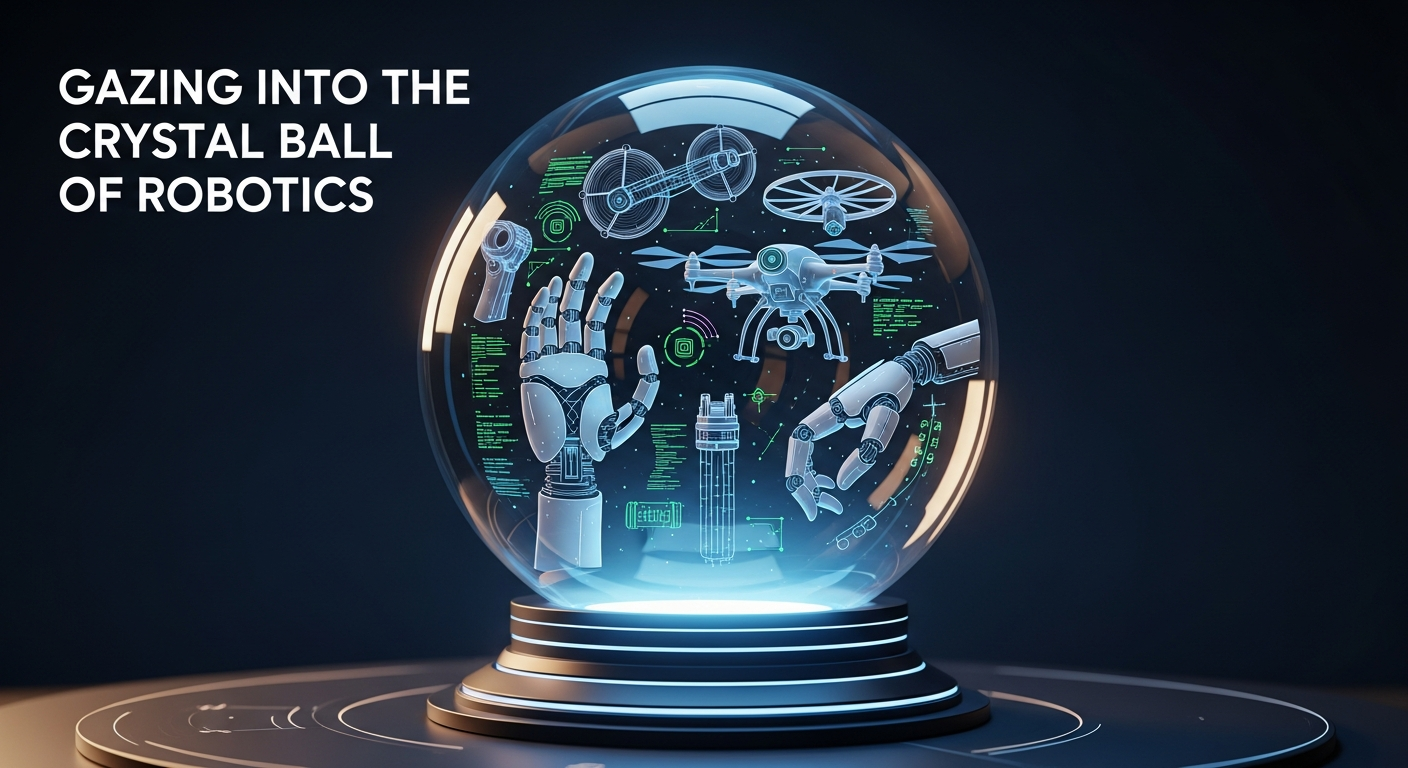
Indeed, the next three to five years are pregnant with possibilities, as trends and innovations evolve through the lens of time. Experts at IEEE predict an amplified role for personal assistant robots beyond their current functionality, moving toward empathetic interactions where robots understand human emotions and react accordingly.
In the longer horizon—two decades, perhaps—personal assistant robots might be so deeply integrated into society that they become an essential part of everyday life. Imagine a world where robots shop for groceries autonomously or maintain the infrastructure of entire cities without human intervention.
The fusion of AI, machine learning, and improved robotics could even bring about a new wave of personalized experiences—robots predicting needs before they’re articulated, akin to a trusted friend preempting which movie you’d like to watch next. Futurists predict that as we iron out quirks, the symbiosis between man and machine will lead us toward unparalleled societal advancements.
Strategic Insights for Stakeholders

As we stand at the dawn of this robotic renaissance, stakeholders must arm themselves with strategic insights. For businesses, embracing automation in a gradual transition will ensure smoother integration and employee adaptation. Developers should focus on crafting interoperability between devices, creating a harmonious relationship in a multi-brand ecosystem.
Consumers should remain open-minded—embracing a learning curve and harnessing the potential of these robots in making life more efficient. Early adoption can offer unique insights into everyday use-case scenarios, massive consumer feedback loops improving designs at a rapid pace.
As for regulators and policymakers, now is the time to develop frameworks and standards, ensuring personal assistant robots operate within ethical and privacy-compliant boundaries. After all, the future we craft today will shape the legacy we leave for tomorrow.
So what comes next? The rise of personal assistant robots signifies a conceptual shift, from machines as mere tools to trusted companions in our sprawling digital landscape. A future beckoning with possibilities—where science fiction might just become the staple of everyday reality—is not very far away. As we navigate this tide of innovation, we must stay vigilant, shaping technology to serve humanity and not the reverse. With personal assistant robots poised at the frontier, the question isn’t if we’re ready, but how we prepare for the journey ahead.
Thomas Huynh – Admin of RoboZone.top
References & Further Reading:
- MIT Technology Review — https://www.technologyreview.com/
- IEEE Spectrum — https://spectrum.ieee.org/
- McKinsey & Company — https://www.mckinsey.com/
- Stanford AI Lab — https://ai.stanford.edu/
- Harvard Business Review — https://hbr.org/
- NVIDIA Blogs — https://blogs.nvidia.com/
- International Federation of Robotics — https://ifr.org/
- World Economic Forum — https://www.weforum.org/