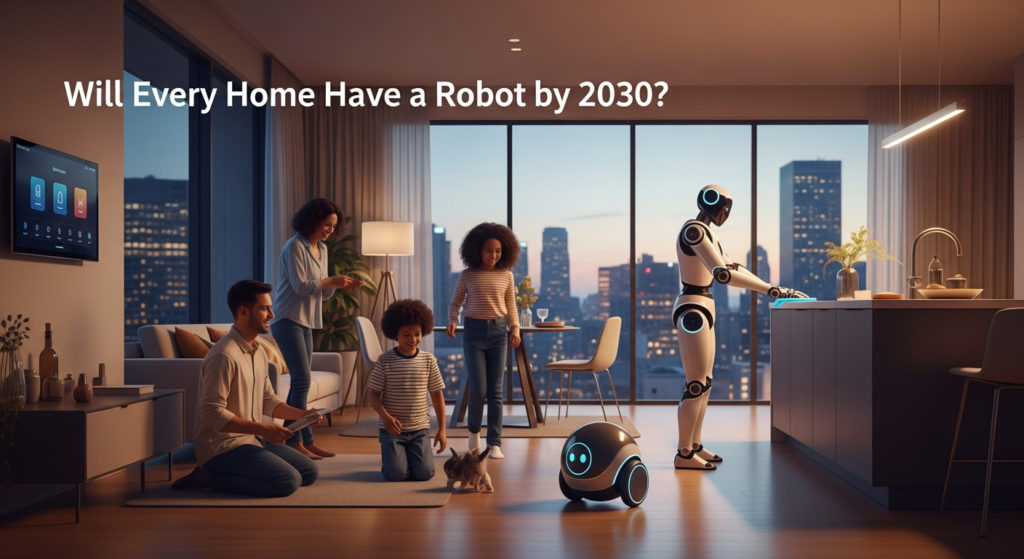
It’s the year 2030. The average home has more computing power in its kitchen than most research labs had at the turn of the century. Children are being tutored by digital instructors with personalized lesson plans, and grandma’s mechanical assistant ensures she never misses her medication. Could the invasion of home robots by 2030 become a reality, or are these mechanized helpers still the stuff of science fiction? As I sit down to pen this article for RoboZone.top, managed by the ever-insightful Thomas Huynh, let’s unravel this intriguing future prospect.
Understanding the Core Concept: Home Robots
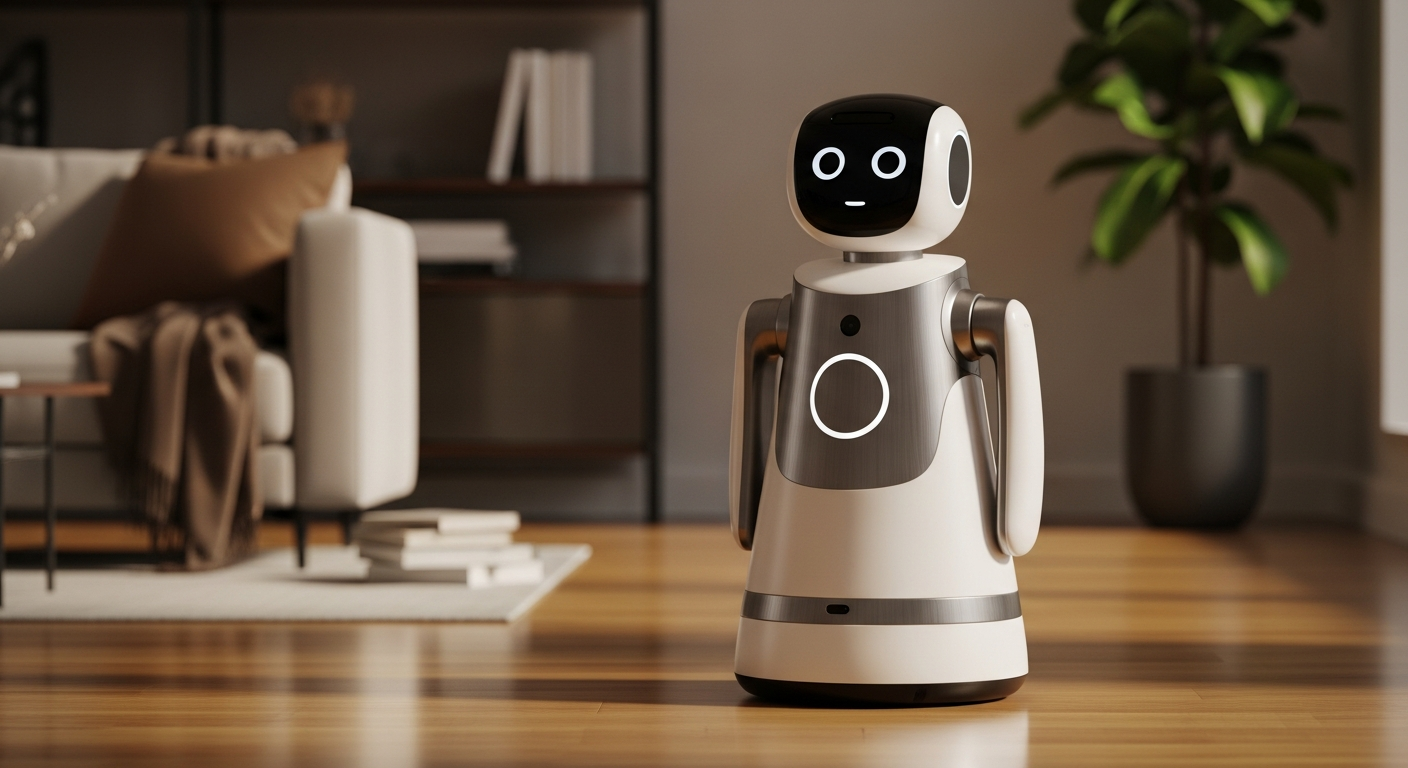
The concept of a home robot is not new. From Rosie in ‘The Jetsons’ to more realistic portrayals in modern films, the idea of robots performing mundane tasks around our homes has been a recurring motif. But what exactly are modern home robots? Primarily, these are autonomous or semi-autonomous machines designed to assist with everyday tasks like cleaning, grocery shopping, education, and even companionship. Powered by AI, equipped with sensors, and made possible through breakthroughs in materials and electronics, these robots are becoming increasingly sophisticated.
Today’s cutting-edge robots are akin to the Swiss Army knives of technology. Consider a robot like Tesla’s Optimus, which is currently in development stages, designed to perform wide-ranging tasks, from navigating the aisles of a grocery store to sorting laundry. It uses advanced artificial intelligence to adapt to environments that are less predictable than a factory floor, thanks to machine learning algorithms that allow it to ‘learn’ from experience.
Behind these possibilities lies a mix of technology including advanced AI models that enable perception, decision-making, and action, similar to how human cognition operates. The neural networks in use borrow heavily from research conducted at institutes like Stanford AI Lab and developments by AI leaders such as Google DeepMind. Additionally, sensors play a vital role, acting as the eyes, ears, and even sense of touch for these robots.
Real-world Applications Across Industries

In the realm of home robotics, vacuum bots like iRobot’s Roomba have paved the way. But today’s robots aim to extend far beyond cleaning. In healthcare, for instance, robots assist with everything from surgery to elderly care. These robots carry out tasks that range from the mundane, such as medication reminders, to the complex, such as assisting in physical therapy. Companies like Boston Dynamics have developed robots armed with the dexterity and precision required in complex medical settings, further broadening their scope of use.
Industrial applications have been the proving ground for much of this technology, setting the stage for household integration. Consider the use of robots in automated manufacturing and their adaptation in logistics, such as Amazon’s use of robotics to streamline warehouse operations. The challenges overcome in these industries set valuable precedents for household adoption.
Education too has become a front for robotics. Educational robots offer interactive learning experiences, tailoring instruction to students’ individual learning speeds and styles. Moxi, developed by Diligent Robotics, is another example, designed to assist hospital staff with logistics and supply tasks, showcasing how robots can alleviate workloads by handling repetitive chores and allowing human workers to focus on more specialized tasks.
Technical Insights: AI Models and Robotics Systems
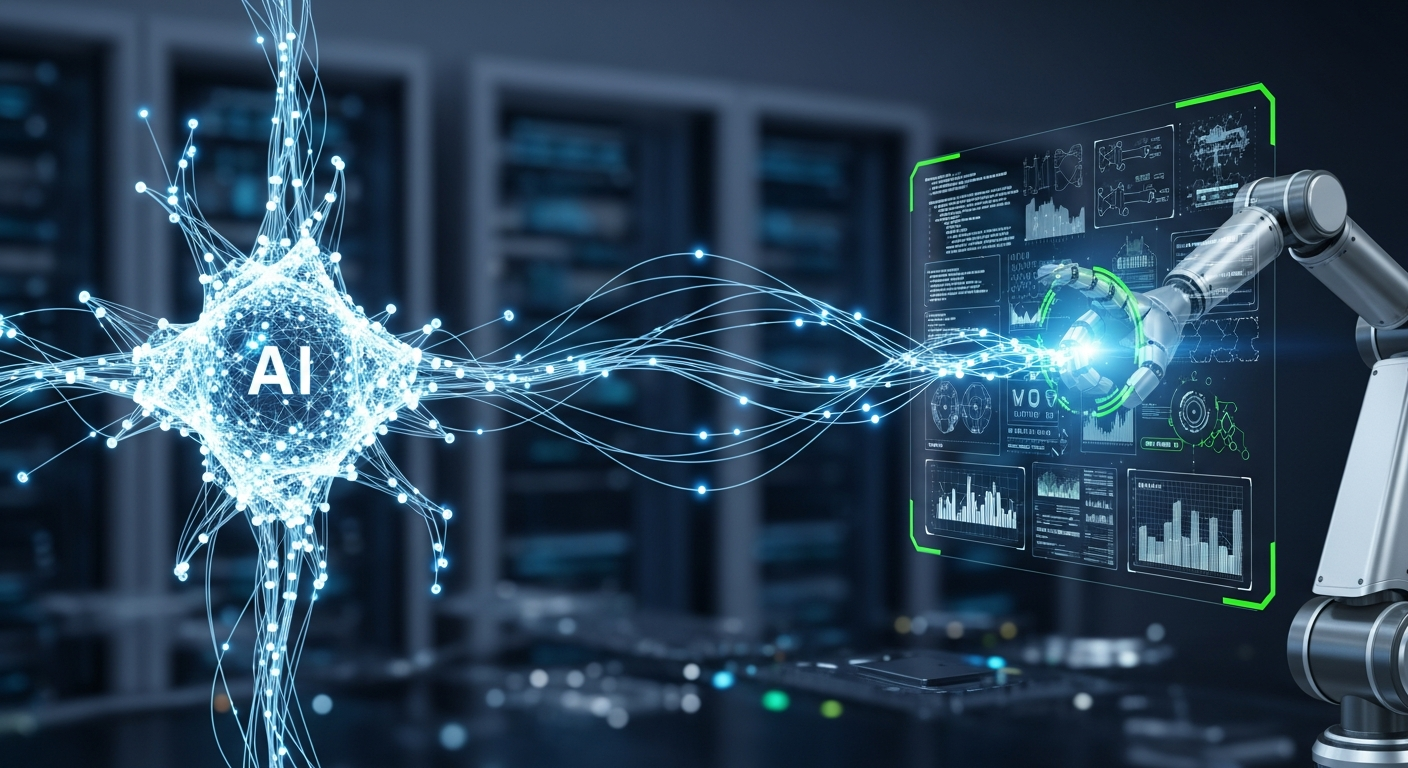
A deeper dive into the technology reveals a rapidly advancing field. Robotics systems are buoyed by breakthroughs in AI. New learning models allow robots to learn from fewer examples or even refine their tasks through trial and error—a process known as reinforcement learning. One exciting development involves NVIDIA’s cutting-edge chips. Their latest processors are optimized for AI workloads, enhancing a robot’s ability to process large datasets more efficiently, a crucial factor in real-time responsiveness and adaptability.
Adding to this is the sophistication of machine vision systems. Through computer vision, robots are capable of interpreting and analyzing visual data. They can differentiate between objects, recognize faces, and even read emotional cues—a capability that has potential applications in everything from security to personalized service. Research at IEEE Spectrum highlights improvements in haptic feedback technologies, equipping robots with a sense of touch, further refining their interaction capabilities.
Market Analysis: Growth, Investments, and Economic Impact

The market for robots is on a trajectory of significant growth. McKinsey & Company’s recent reports project a surge in global robotics investments, driven by a growing demand for automation. The economic impact is also profound, with the potential to reshape labor markets and redefine job roles. As the demand for skilled labor in robotics bites, sectors are responding with new training programs and educational initiatives to equip a generation for this robotic revolution.
The International Federation of Robotics notes a steady increase in robot density, especially in nations like Japan and South Korea, where demographics demand alternative solutions to a shrinking workforce. The home robotics market is gaining traction, attracting investments from tech giants and startups alike, eager to lead the charge in this futuristic landscape.
Moreover, the economics of scale are beginning to favor consumer adoption. As production techniques improve and component costs decrease, home robots are becoming more affordable, making them accessible to everyday consumers.
Challenges and Limitations
Yet, as promising as this field is, challenges abound. Autonomy in unpredictable environments remains a significant hurdle. Home robots must navigate and function efficiently amidst dynamic and cluttered settings, a task more challenging than the orderly environment of a factory. Moreover, energy efficiency presents a constraint. Robots need to operate for extended periods without frequent recharging, necessitating advances in battery technology.
In addition, ethical concerns are a focal point of debate. Data privacy, autonomy, and the ethical framework of decision-making in AI-driven robots pose questions we are only beginning to wrestle with. As Thomas Huynh would say, “This is where things get interesting,”—how society addresses these issues will shape the adoption trajectory of household robots.
Lastly, cultural acceptance and the societal transition towards cohabitation with robots present psychological and social challenges. Acceptance varies drastically across cultures, influencing how the technology is integrated and utilized.
Future Predictions and Strategic Insights

Looking forward to 2030, the integration of robots into our daily lives paints a picture of potential convenience and improved quality of life. The strategic utilization of robotic technology could revolutionize home operations, from simple caregiving roles to more complex problem-solving tasks. It’s an exciting time for developers who will need to focus on enhancing interface designs to make robots more intuitive for users. Businesses, on the other hand, should look towards partnerships with AI and robotics firms to stay ahead of the curve.
As developers, the focus should be on creating user-friendly interfaces and seamless integration with existing smart home ecosystems. This not only enhances functionality but makes it easier for users to interact with these technologies. Furthermore, understanding consumer behavior and pinpointing unmet needs will be critical points of emphasis.
With all this potential comes responsibility. It’s important for legislative bodies to craft comprehensive regulations that safeguard against misuse while encouraging innovation and growth.
For those in the robotics industry, anticipating future consumer needs and pioneering solutions that integrate seamlessly into human life will be crucial. The road to 2030 is filled with potential, but challenges must be addressed strategically to realize the full promise of home robots.
So where does this leave us? The journey towards fully realizing home robotics is as complex as it is thrilling. Each technological vanguard and every ethical challenge presents us with opportunities to reshape our everyday lives. Robots, indeed, have the potential to redefine the concept of home, offering services that were the stuff of dreams just a few years ago.
For those of us who anticipate walking into a kitchen where mechanical assistants are as common as microwaves, the dream remains vivid. The prospect of what robots could achieve by 2030 is exciting, but the story is still very much in progress. The steps we take now—from innovation to regulation—will dictate the outcome. As Thomas Huynh would remind us, ‘What we achieve is less about the technology itself and more about the vision guiding it.’
As we ponder these possibilities, let’s keep our eyes on the horizon and our minds open to the multitude of possibilities this technological evolution could bring.
Thomas Huynh – Admin of RoboZone.top