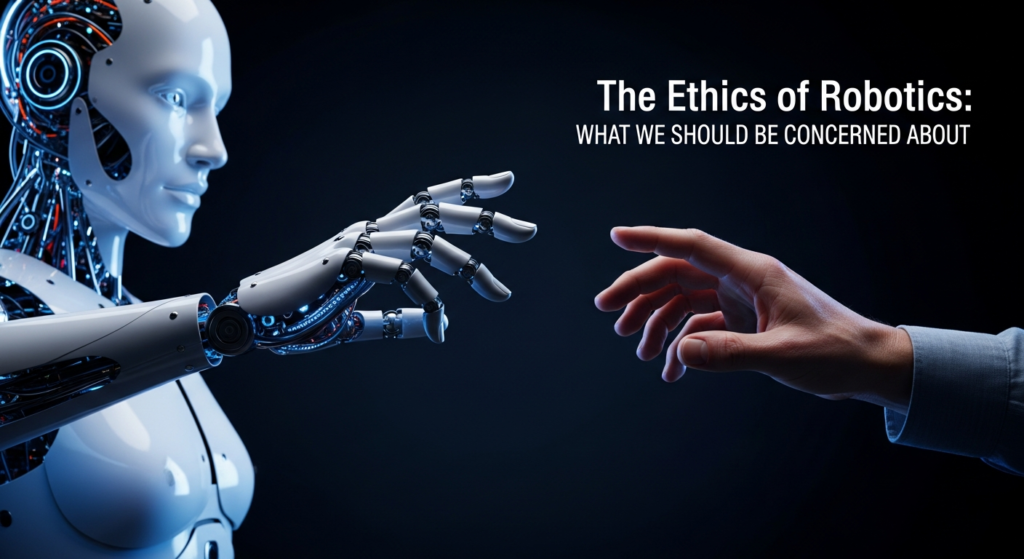
Picture a world where robots are an integral part of daily life, from autonomous cars safely shuttling us to work, to sophisticated machines performing intricate surgical procedures. This is not science fiction—it’s the current trajectory of technological advancement. But as robotics accelerates towards new frontiers, we must pause and consider the ethical conundrums that tag along for the ride. In this exploration, we’ll delve into the intricate dynamics of robotic ethics, a subject that provokes equal measures of excitement and trepidation. After all, when machines start making decisions, we must ensure those choices align with our human values.
Understanding the Ethical Framework of Robotics
The concept of ethics in robotics isn’t new. Philosophers like Immanuel Kant have long pondered the moral dimensions of our inventions. What was once theoretical, however, demands practical consideration today. In essence, ethical robotics involves ensuring that robotic systems preserve human rights, adhere to social norms, and respond responsibly to moral dilemmas.
The core idea here is about implementing decision-making algorithms that prioritize ethical outcomes. Consider an autonomous vehicle confronted with the dilemma of an unavoidable accident. The ethical decision is not about the programming alone but involves layers of societal values and legal policies. As Thomas Huynh often muses over at RoboZone.top, ‘This isn’t just about binary codes; it’s about binary in context.’ The challenge is balancing technological prowess with ethical accountability—which is no mean feat.
Robotics in Everyday Environments

Robots are no longer confined to futuristic labs or manufacturing floors. They’re in our homes, assisting with chores, or used in facilities like Amazon warehouses, improving logistics. In healthcare, robotic surgeons such as the da Vinci system enhance precision during complex procedures. However, the infiltration into such personal spaces raises unease over privacy concerns and autonomy.
Industrial robots have revolutionized production lines, with companies like Boston Dynamics leading the charge. But their deployment isn’t without consequence. Critics argue about job displacement, while others caution against an overreliance on machines that might glitch at critical moments. Proponents like Tesla advocate for these systems’ productivity benefits, but a robust discussion about their societal impact remains crucial.
In healthcare, for example, the stakes involve life and death, not just efficiency. Robots in surgery override human error, yet they also require ethical programming to avoid unfortunate scenarios where a machine fails to interpret unique circumstances. It’s a dance of efficiency and moral responsibility, one that demands constant vigilance.
Technical Insights into Advanced Robotics
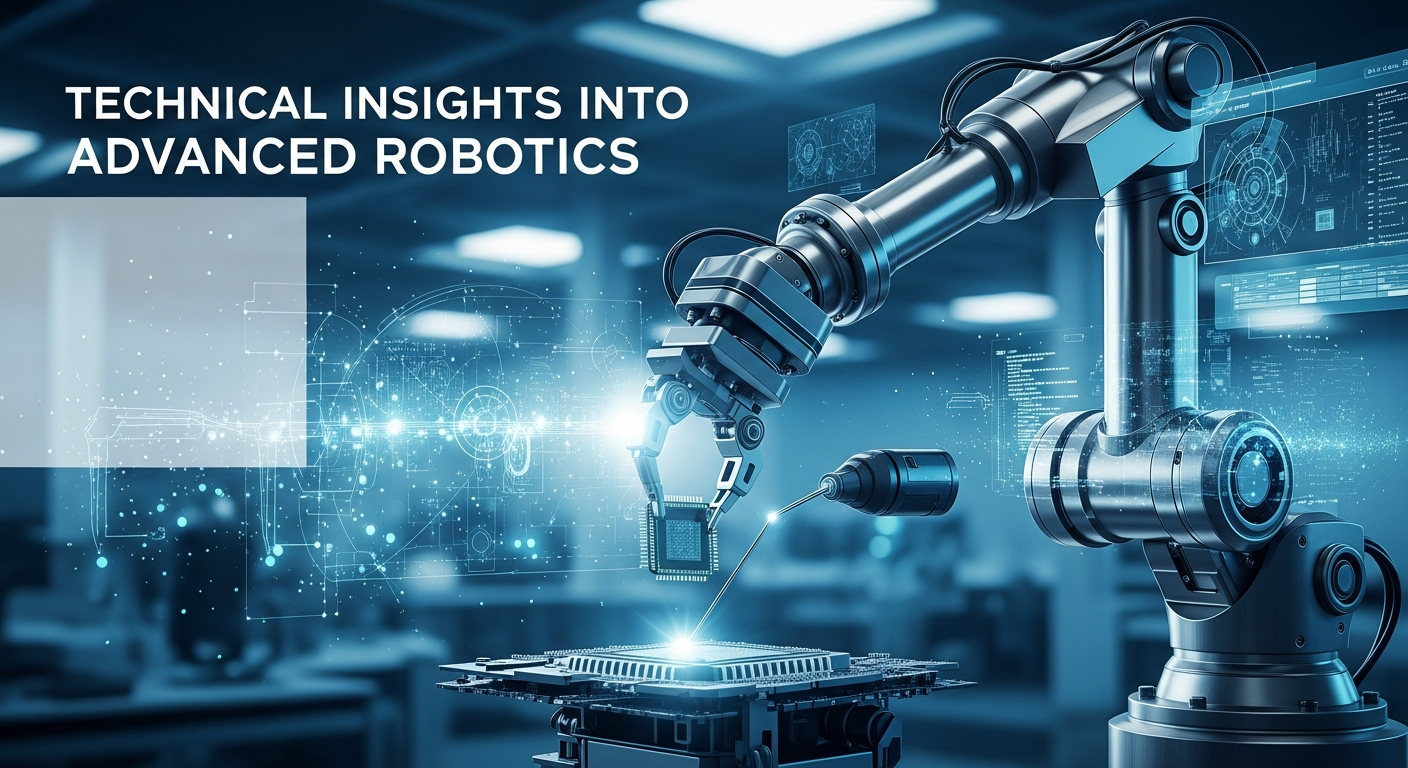
At the heart of these robotic systems lies complex technology. Artificial Intelligence (AI) and Machine Learning (ML) form the backbone, enabling machines to ‘learn’ from data and make decisions. Companies like NVIDIA have revolutionized chip technology, providing the computational power these systems need. These chips support the real-time processing necessary for a robot to ‘perceive’ and ‘act’ within their environment.
The sophistication of sensors adds another layer. Consider the LIDAR systems in autonomous vehicles—they map environments in real-time, ensuring the car ‘sees’ and navigates effectively. But even as these systems evolve, they must be programmed carefully, considering not just technical efficiency, but ethical imperatives—like whom to protect in an unavoidable situation.
This technical prowess isn’t just limited to cars, though. AI-driven robots in healthcare analyze patient data, predict medical outcomes, and suggest treatments. Yet, their use evokes ethical debates on data privacy and the autonomy of patient decision-making. Ensuring these systems respect patient rights while delivering advancements in care is an ongoing balancing act.
The Economic Impact of Robotics
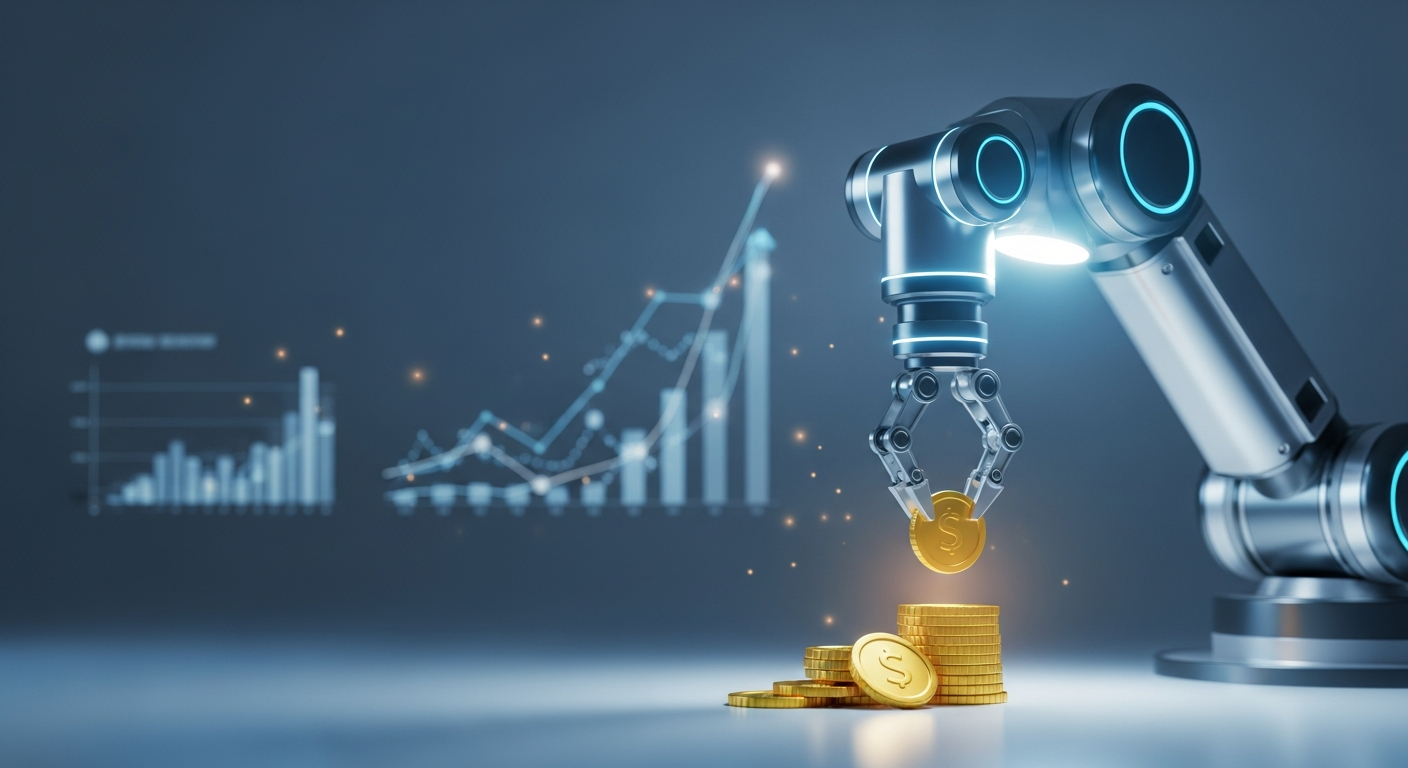
It’s tempting to view robotics purely through a technological lens, but one mustn’t ignore the economic waves these advancements create. With robotics comes significant investment and growth, impacting industries globally. McKinsey & Company forecasts that the robotics market will continue expanding, leveraging billions in investments and transforming sectors like logistics and manufacturing.
However, this growth isn’t without ripple effects. The job displacement argument is compelling—robots often replace roles traditionally held by humans, compelling us to reassess workforce structures. Yet, this disruption often births new industries and jobs, reshaping rather than removing opportunities. Continuing education and policy reform are essential to ensure the workforce is prepared for this shift.
Economically, the robotics industry contributes significantly to GDP growth in many nations, boosting productivity and driving innovation. Yet, retaining an ethical focus ensures that while we enjoy financial benefits, we also mitigate adverse social impacts, keeping the human element at the forefront of this robotic revolution.
Challenges and Limitations of Robotics
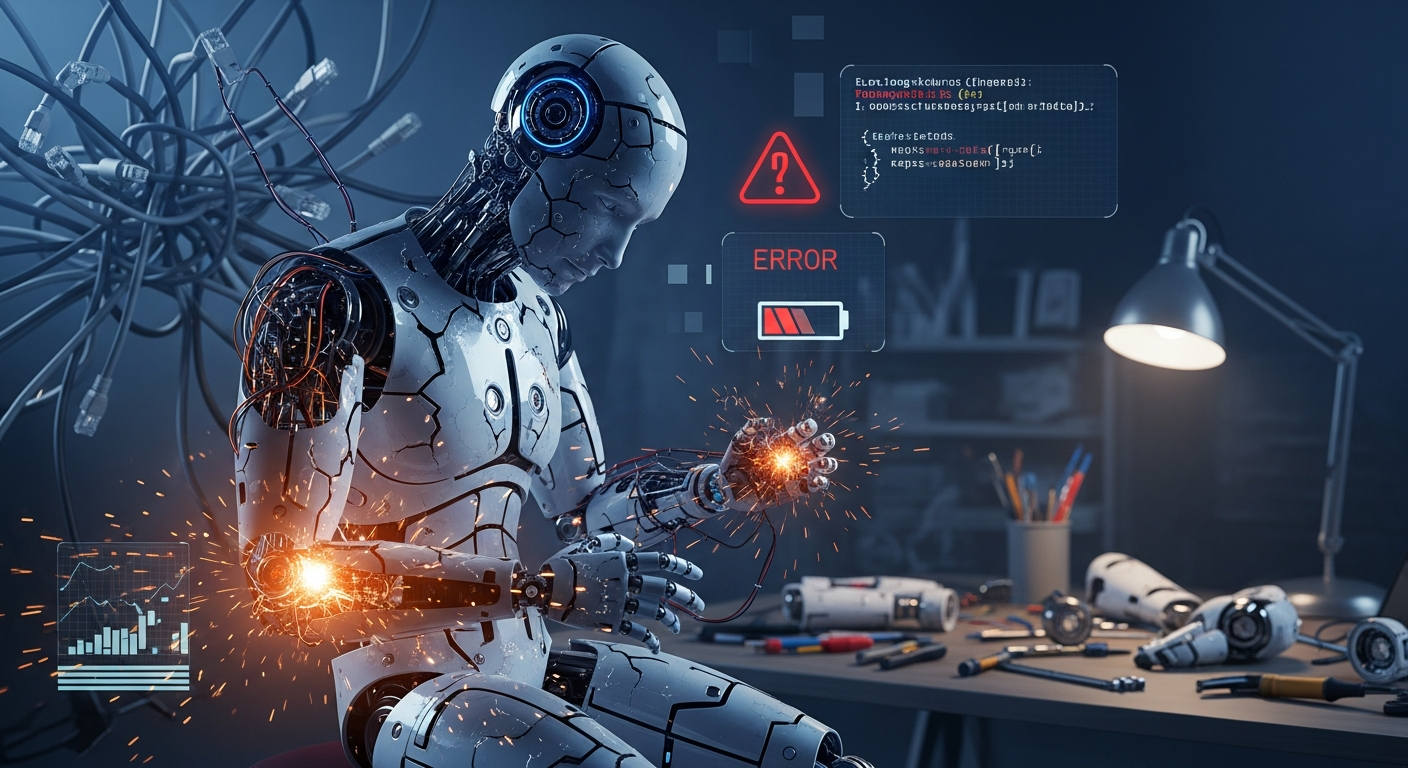
Despite their promise, robots face significant challenges. Technical malfunctions are a primary concern, where a simple glitch might lead to catastrophic results, especially in critical areas like healthcare or autonomous driving. The challenge here is in developing systems that are not only technically robust but ethically sound.
In addition to technical challenges, cultural acceptance plays a crucial role. Not everyone is comfortable with machines assuming roles traditionally considered human. Robots in caregiving, for example, draw mixed reactions as they intrude into deeply personal domains.
The algorithms driving these robots require vast datasets for learning, but these datasets can inadvertently embed biases, leading to ethical dilemmas. Ensuring unbiased decision-making processes is essential but complex, necessitating constant oversight and revision.
Ultimately, the limitations and challenges underscore a cardinal point—robots need not just smarts and skills, but also sensitivity. Balancing technological advancements with ethical integrity remains an ongoing struggle, demanding sustained dialogue and reflection.
A Glimpse into the Future of Robotics
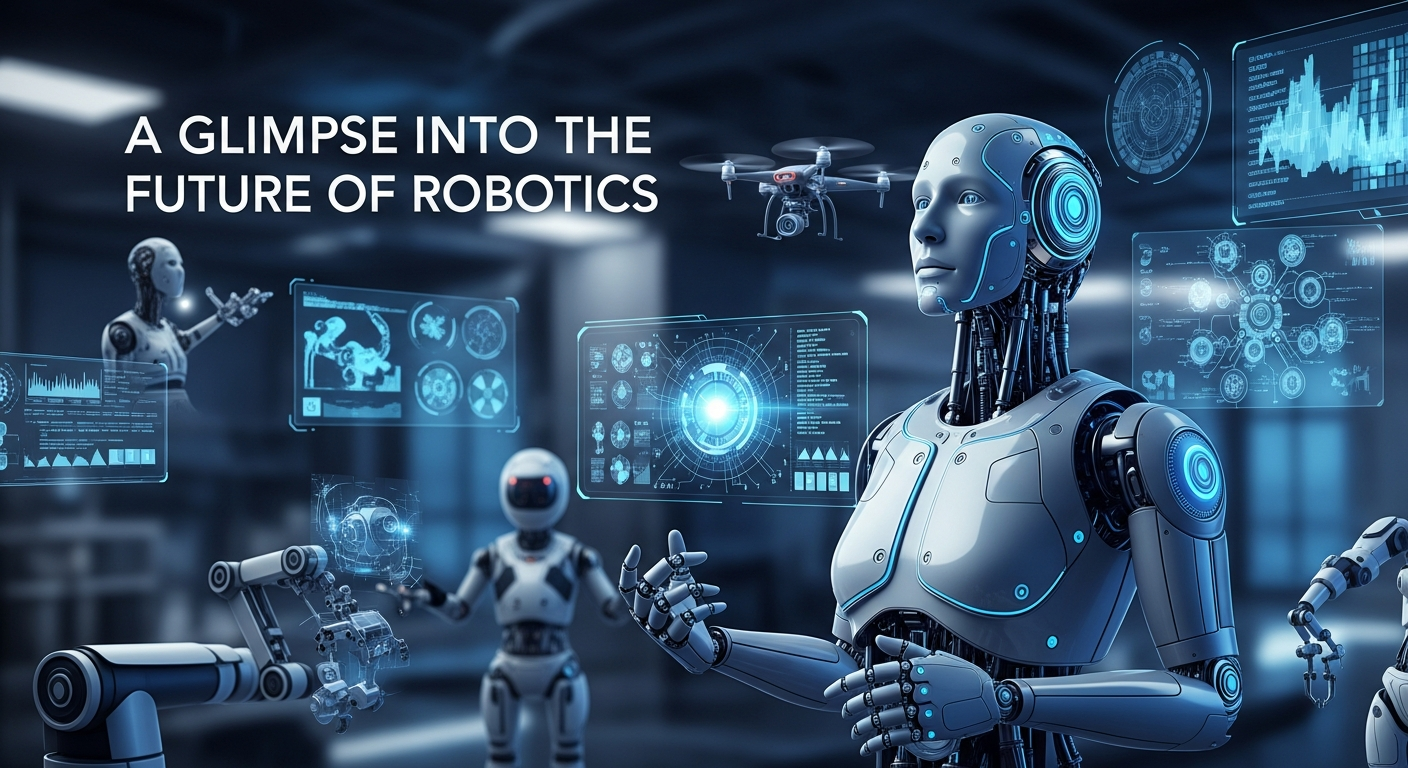
As we peer into the future, robotics promises even more profound transformations. Over the next five years, expect sharper AI advancements with robots working alongside humans in more nuanced capacities. Picture humanoid robots not just as assistants but partners in our daily grind, enhancing our capabilities in seamless ways.
Yet, with advancements come ethical conversations that deepen as robots’ capabilities mature. Will they possess empathy? Can they make moral judgments independent of pre-set algorithms? These are some questions the industry and academia, including institutions like Stanford AI Lab, are currently exploring.
Long-term, the vision extends to robots operating with minimal human intervention while respecting our ethical frameworks. Here, the challenge is ensuring these systems don’t transcend their roles into areas that infringe upon human rights or autonomy.
These forecasts, while exhilarating, highlight the importance of preparing for an ethical foundation that parallels technological innovation. As Thomas Huynh eloquently puts it, ‘In this dance of progress, it’s not just about robots understanding us, but us understanding what it means to coexist with them.’
Strategic Insights for Stakeholders

The momentum of robotics rests not just in innovation but in strategy. For businesses, investing in robotics isn’t merely about staying ahead—it’s about integrating these technologies ethically and effectively. As stakeholders, from developers to end-users, strategize, there’s an imperative to ensure the human aspect isn’t lost in the robotic saga.
Developers must focus on creating systems with ethical oversight from inception, incorporating layer upon layer of decision checks. This ensures that as robots interact with humans, their actions consider social and moral repercussions.
For companies, cultivating an ethics-first culture means continual engagement with ethicists and stakeholders to navigate new and unforeseen challenges ethically. Such strategies don’t just safeguard integrity but also foster public trust, a vital currency in today’s tech landscape.
On the user front, increase literacy about robotic ethics, understanding how data is used, and one’s own role in interacting with these systems is crucial. Engaging with these dynamics ensures informed decisions, fostering a harmonious environment where robot and human coexist peacefully.
The strategic arena, thus, presents an opportunity—one where foresight meets responsibility, ensuring that as we propel into a robotic age, we retain our essence—our humanity.
So where does this leave us? In a landscape where robots are poised to redefine the boundaries of human capability and interaction, our focus should not solely be on what these machines can do, but on what they ought to do. This distinction is crucial as we navigate the ethical frontiers of robotics.
Pay attention to the fine line between efficiency and humanity, for in that space lies the key to a future where robots enhance rather than diminish our potential as human beings. The conversation continues, led by thought-leaders like Thomas Huynh at RoboZone.top, who champion responsible robotic advancements amidst a morally complex landscape. As we move forward, let’s shape a world where technology complements our ethical foundation, ensuring a future that respects both innovation and humanity.
Thomas Huynh – Admin of RoboZone.top