In the evolving landscape of technology, few things capture the imagination quite like the fusion of artificial intelligence and robotics. This captivating duo is not just an artifact of science fiction anymore; it is a transformative force reshaping industries, economies, and daily lives globally. But what makes the combination of AI and robotics the most critical technological convergence of this decade? Let’s dive deep into the realm where artificial intuition meets mechanical prowess.
Understanding the Core Concepts: What Makes AI and Robotics Tick?
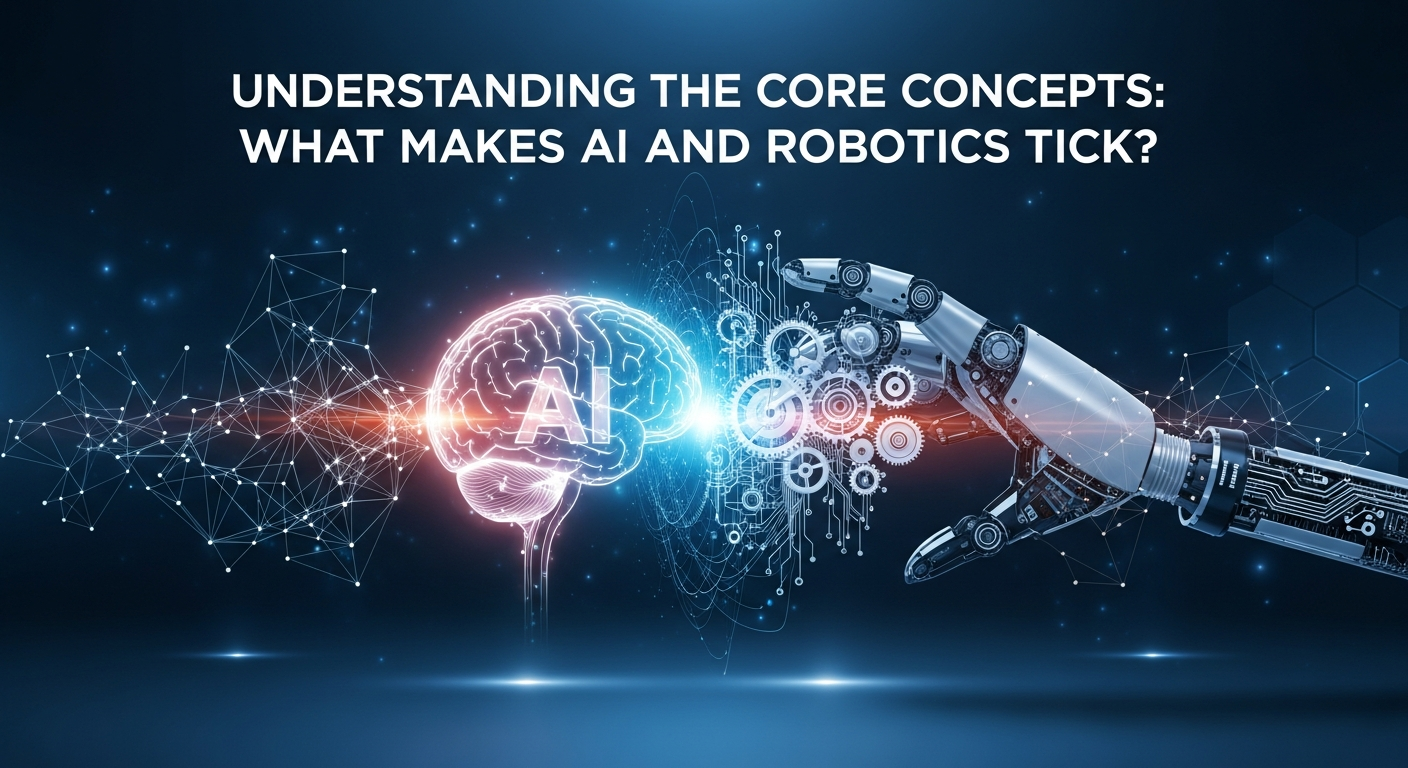
Artificial Intelligence, more familiarly known as AI, refers to the simulation of human intelligence processes by machines, especially computer systems. Key functions of AI include learning, reasoning, and self-correction. Robotics, on the other hand, is a branch of technology concerned with the design, construction, operation, and application of robots. These are programmable machines designed to carry out a series of tasks autonomously or semi-autonomously.
When combined, AI and robotics create systems that can perceive their environment, make decisions, and adapt to new situations. Think of it as putting a brain inside a body capable of performing complex tasks. This combination allows robots to function with a level of autonomy and intelligence unparalleled in history. For example, consider a surgical robot in an operating room—it analyzes real-time data to assist or even perform surgeries with precision unmatched by human hands.
Thomas Huynh, the visionary behind RoboZone.top, often emphasizes the sheer potential of these intelligent machines. In his words, “It’s like watching the future unfold before our eyes—only better and smarter.” This analogy sheds light on how AI acts as the cognitive engine driving robotic systems, bringing together sensory perception, data analysis, and decision-making capabilities.
Real-World Applications Across Diverse Industries
The intersection of AI and robotics isn’t confined to one sector—it’s revolutionizing multiple industries. In healthcare, robotic-assisted surgeries and AI diagnostic systems are reducing human error and improving patient outcomes. In the industrial sector, robots with AI can optimize manufacturing processes, thereby increasing productivity and reducing costs.
At home, AI-enabled robotic vacuum cleaners like iRobot’s Roomba analyze room layouts to ensure efficient cleaning. Similarly, autonomous vehicles, backed by companies like Tesla, use AI for navigation and obstacle detection, promising a future where road safety and driving efficiency are exponentially enhanced. In agriculture, drones equipped with AI analyze crop conditions more swiftly and precisely than any farmer ever could.
Here’s where Thomas might chuckle and say, “Even the cows will thank us one day!” In a world where smart robotics manage everything from milking cows to planting crops, it’s not so hard to imagine.
Technical Insights: Delving Deeper into the Mechanisms
At the heart of AI and robotics are sophisticated models and systems—Machine Learning (ML), Neural Networks, and Natural Language Processing, to name just a few. These systems empower robots to process and analyze large datasets at speeds that bog down traditional computer processing. Companies like NVIDIA have made significant advancements in AI chips that support these processes, providing the computational muscle required to bring these brainy robots to life.
Sensors play a crucial role, too. They allow robots to interact with the physical world, providing data points that AI systems can analyze to make informed decisions. For instance, LIDAR technology enables self-driving cars to build a 3D map of their surroundings, facilitating safe navigation.
Behind these technological marvels are research labs like Stanford AI Lab and corporations like Google DeepMind, which continuously push the boundaries of artificial intelligence and robotics. Their projects, like humanoid robots capable of learning complex tasks or AI systems that beat human champions at games, illustrate the sheer potential of this tech fusion.
Following the Money: Market Analysis and Economic Impacts

The AI and robotics market is booming, and it’s only expected to grow. According to McKinsey & Company, investments in AI-related technologies nearly doubled from 2020 to 2025, reflecting their potential to drive economic growth. Tech behemoths are vying for dominance in this space, channeling billions into research and development to forge the future.
The economic implications are profound. As industries adopt AI-driven robotics, productivity soars and operational costs dwindle. Yet, it’s not just about efficiency. The ripple effects cascade into job creation in tech roles, even as traditional sectors adapt to this disruptive wave. As Thomas Huynh aptly puts it, “Robots in factories don’t mean less work; it means different work—and lots of it!” The challenge lies in balancing this transformation with equitable job opportunities for existing workers.
Challenges and Limitations: What’s Holding Us Back?
Despite immense potential, challenges remain. Autonomy and decision-making, especially in unpredictable environments, still confront limitations. AI algorithms require large datasets and time to train—they’re prone to biases based on this input. Additionally, the ethical implications of replacing human labor with machines stir societal debates.
There are also technical hurdles. AI systems consume incredible amounts of power, demanding infrastructure that many are yet ill-prepared for. Privacy concerns, particularly regarding data collected by AI systems, need more stringent controls.
But perhaps the greatest barrier is trust. Trust in AI-driven systems to act safely and fairly must be earned—an endeavor crucial to their wide acceptance. “Remember, a little skepticism goes a long way,” says Thomas with a knowing smile.
Future Predictions: Gazing into the Tech Crystal Ball
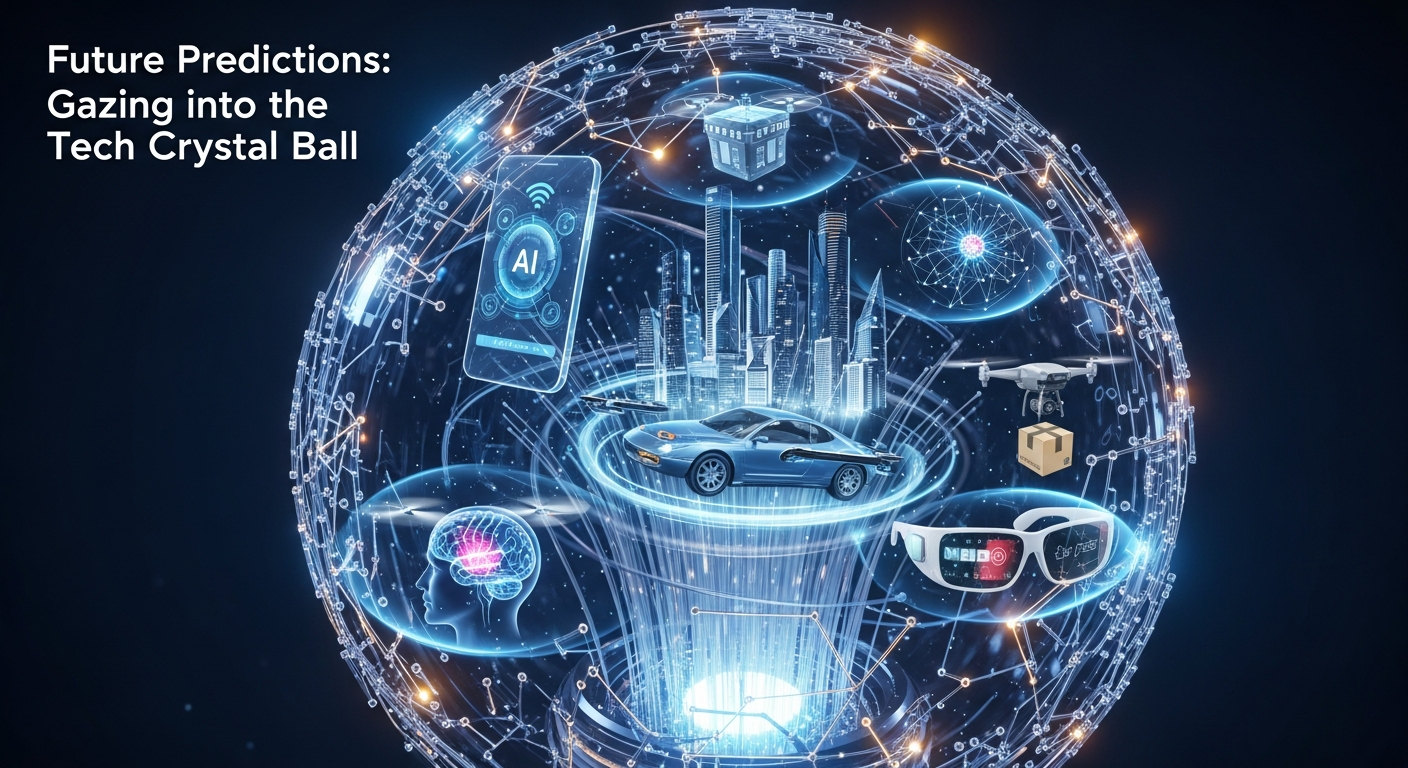
The coming years promise to deepen the symbiosis between AI and robotics, embedding them even more resolutely into the fabric of daily life. Advances in AI are likely to result in robots with enhanced decision-making abilities and emotional intelligence, allowing deeper integration in service-oriented sectors.
In 3–5 years, expect to see a surge in personalized robotic assistants at home, smarter urban infrastructure, and industry shifts towards robotics-driven standard operations. Long-term visions envisage fully autonomous systems tackling tasks humans have yet to envision.
As Thomas Huynh joyfully anticipates, “With robots cooking dinner, who needs delivery?” That tongue-in-cheek observation might just predict the exciting yet practical future ahead.
Strategic Insights for the Pioneers and Users

For businesses, staying ahead means investing in AI skills and infrastructure today. Developing synergies between human intuition and robotic efficiency will be key. Developers should prioritize building AI with ethical considerations at the forefront, ensuring transparency and reliability in all interactions. Users, meanwhile, must adapt to an ever-interconnected world, balancing convenience with potential privacy concerns.
Unlocking the potential of AI and robotics requires courage—courage to innovate, to break norms, and to envision a future not too far-fetched from science fiction. Companies, creators, and consumers alike play roles in steering this evolution responsibly.
So where does this leave us? AI and robotics, as a combined force, are propelling society into realms once reserved for dreamers and futurists. They’re driving fundamental changes across industries, with promises yet to unfold. This technological duet stands on the brink of redefining life as we know it. The real question is, how will we harness this power for the greater good?
In a world hurtling towards an AI-powered future, the ability to adapt, embrace, and perhaps even guide this transition will define the pioneers of tomorrow. And as the advent of robot chefs looms, one might muse—if they cook as well as they compute, we’ll be in for quite the treat!
Thomas Huynh – Admin of RoboZone.top