
The idea of robots in healthcare might sound like something out of a futuristic movie, but it’s a reality that we’re living today. As we move deeper into the 21st century, the role of robotics in healthcare has evolved beyond simple automation to become a crucial component in surgery, patient care, and much more. Who would have thought that the stiff, metallic creatures of sci-fi lore would find their bedside manner, ready to transform the medical landscape?
Understanding the Core Concept of Robotics in Healthcare
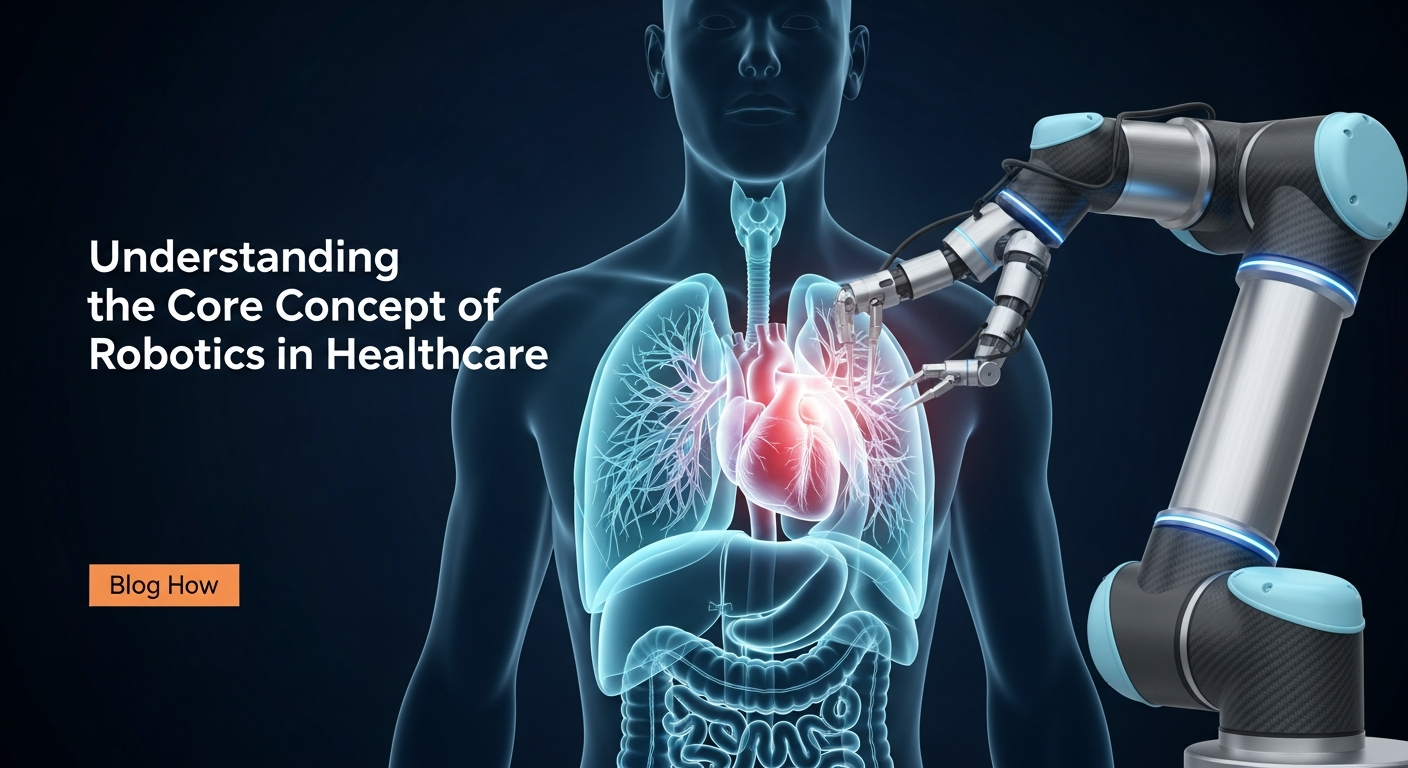
At its heart, the integration of robotics into healthcare is about enhancing human capabilities and efficiency. This complex interplay of robotics and medicine revolves around sophisticated machinery, often coupled with cutting-edge AI technologies and intricate sensors. These systems are not merely about replacing human jobs but augmenting the human touch in caregiving and surgical precision.
Take, for example, the da Vinci Surgical System, a robotic platform that translates a surgeon’s hand movements into smaller, precise actions within the body, minimizing surgical trauma and leading to faster recovery times for patients. It’s a world where a blend of skill and technology invites a new era of minimally invasive procedures.
According to the World Economic Forum, the robotics industry is seeing a significant boom, with healthcare being one of the primary sectors spearheading this shift. The advent of these technologies isn’t about developing cold machinery; rather, it’s about developing adaptive systems that learn and understand human needs.
Real-World Applications in Healthcare and Beyond
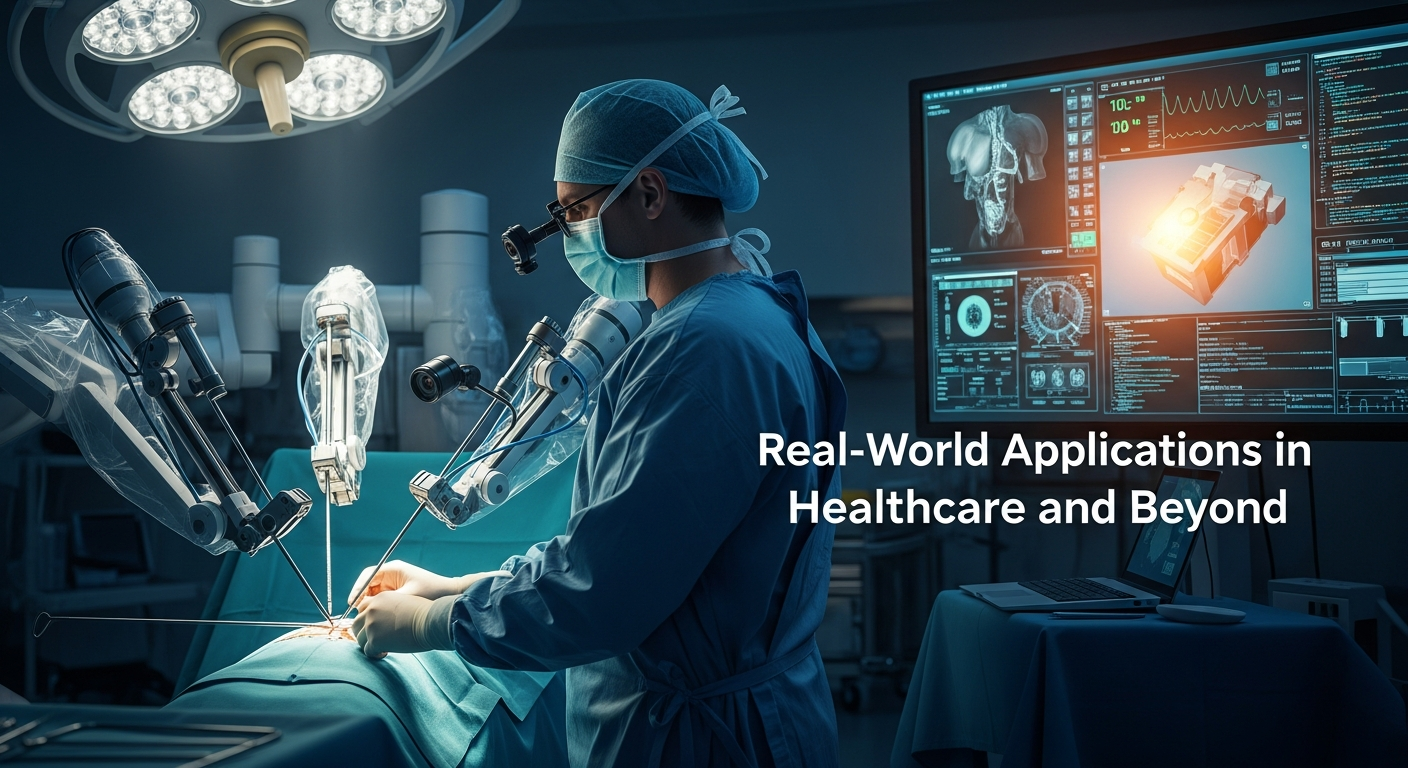
It’s fascinating to observe how robotics is reshaping the healthcare environment. From smart mattresses that monitor patient vitals to robotic exoskeletons that aid in physical rehabilitation, every facet of patient care is being touched by these advances.
Nurses in Japan are using robotic assistants to ease their workload, attending to demanding manual tasks and allowing professionals more time to focus on patient-centered tasks. This application of robotics is akin to having one’s cake and eating it too—enhancing efficiency without sacrificing the quality of care.
Outside hospitals, robotics is making waves in home healthcare too. Companies like Intuition Robotics are developing companion robots for the elderly, combining artificial intelligence with intuitive designs that offer companionship, daily reminders, and more. If you ever doubted a robot’s ability to enhance emotional well-being, think again. These innovations are redefining the “care” in healthcare.
Technical Insights: AI Models, Robotics Systems, and More
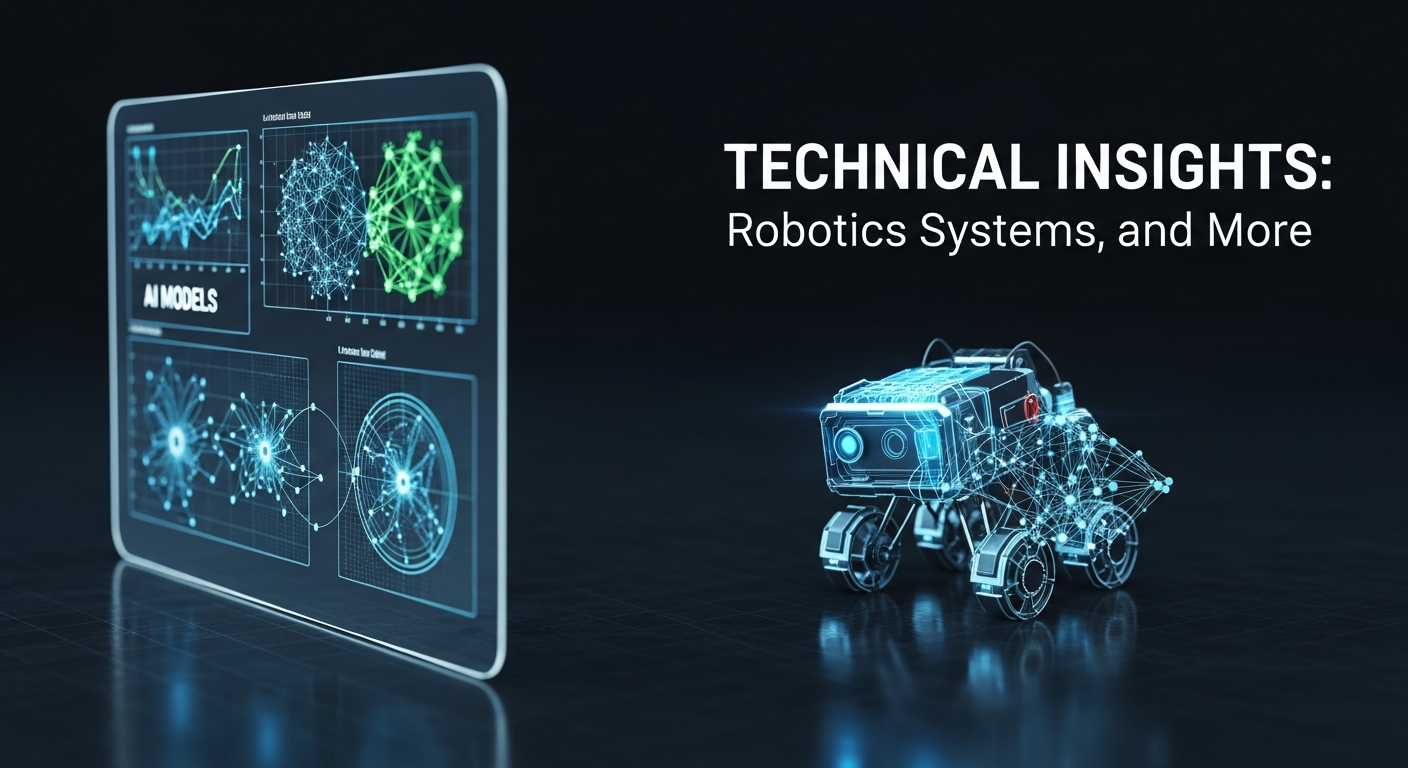
At the technical core of these robotic systems are complex AI models and sophisticated robotics platforms powered by advanced chips. NVIDIA, for one, continues to push the boundaries of what’s possible in machine learning, with its groundbreaking Tensor Cores enabling unprecedented speed in AI computations.
AI systems, such as those developed by Google DeepMind, make predictive analytics possible, allowing healthcare systems to forecast patient needs and optimize resource allocation. These advancements are no magic tricks with chips—complex algorithms work tirelessly, drawing from massive datasets to make informed decisions in real-time.
The synergy between sensors and robotics is almost poetic. State-of-the-art sensors enable robots to perceive their environment with remarkable precision, akin to a human’s sense of touch and vision. It’s like giving the Tin Man both a heart and a CPU.
Market Analysis: Growth and Economic Impact

If you were to follow the money, you’d find robotics in healthcare drawing bullish investments. With an expected compound annual growth rate of over 20% in the coming years, as reported by McKinsey & Company, it’s not just about innovation; it’s about strong returns.
Healthcare providers are increasingly allocating budgets toward robotic technologies, recognizing the long-term savings and improved patient outcomes as a compelling business case. The ripple effects on the economy include job creation in new tech sectors and innovation ecosystems that bolster local economies and regional competitiveness.
Market leaders like Boston Dynamics are redefining healthcare robotics, not just in terms of technology but strategic market positioning, driving new partnerships and collaborations across the industry.
Challenges and Limitations: What’s Still a Work in Progress?

Despite the strides made, robotics in healthcare isn’t without its challenges. These are no mere bumps in the road; they represent intricate hurdles that researchers and engineers grapple with daily.
For starters, integrating robotic systems with legacy healthcare infrastructure can be problematic. Healthcare facilities must ensure compatibility and interoperability with existing technologies, which is easier said than done. It’s like trying to make a cassette tape player work with a streaming service.
Another limitation lies in the acceptability and trust from patients and healthcare professionals. Trusting a machine with your health is a big ask for both doctors and patients. Therefore, companies are continually researching human-robot interaction, which might someday make robotic surgeons as personable as your neighborly family doctor.
There’s also the high cost of developing and deploying these technologies, a barrier that can’t be ignored. It’s a far cry from what Thomas Huynh would call ‘plug and play.’
Future Predictions: What Lies on the Horizon?

Looking ahead, the next few years promise an upward trajectory for robotics in healthcare. AI and robotics will become even more integrated into day-to-day healthcare, with systems not just assisting but becoming learning collaborators with doctors and nurses.
One prediction involves an uptick in personalized medicine, with AI and robotic systems tailoring healthcare solutions based on individual genetic information. It’s healthcare that knows you almost better than you know yourself—minus the awkward family secrets!
The continued evolution of machine learning models will pave the way for autonomous decision-making processes, enabling faster responses to critical health issues, potentially saving more lives in emergency situations.
Moreover, as global connectivity improves, telehealth will incorporate robotic systems, allowing for remote surgeries and care that transcend geographical limitations. These developments could forever alter the landscape of access to quality healthcare.
Strategic Insights: Preparing for an Automated Healthcare Future

Businesses, developers, and healthcare providers must prepare for a future where robotics is intrinsic to success in healthcare. They should focus on upskilling their workforce, aligning training programs that encompass robotics and AI to keep pace with technological advancements.
It’s crucial for strategic planners to evaluate the cost-benefit ratio of adopting robotic systems, taking into account long-term gains in efficiency and care improvements against the upfront investment costs.
For developers, creating user-friendly interfaces that facilitate seamless integration with existing systems will be a key to adoption. Simplifying complex processes will drive broader acceptance and realization of the benefits that these technologies entail.
As Thomas Huynh often mentions, staying adaptable and proactive in learning from these technologies can transform challenges into opportunities. It’s about planting seeds today for the advancements of tomorrow.
And finally, an invitation to stay informed and engaged with ongoing trends and research. Being in the loop is not only beneficial; it’s necessary for anyone who wants to stay ahead in this rapidly evolving landscape.
So what comes next in our journey with robotics in healthcare? We’ve seen the initial strides, the interplay of AI with human skill, and the roadblocks that persist. The domain is rich with promise, an amalgamation of what machines can do and how humans can guide them. It’s a dialogue between man and machine, constantly evolving and redefining how we perceive care and quality health services.
The coming years will undoubtedly see shifts in regulatory landscapes, more ethical discussions on the role of robotics, and ever-present debate on privacy and data security. As stakeholders in this healthcare revolution, it’s upon us to pioneer responsibly, ensuring that the augmentation only enhances the irreplaceable human touch.
Robotics in healthcare isn’t just an unfolding narrative; it’s a mission shaping the future of how we heal, nurture, and care. Now more than ever, staying informed and adaptable is essential, ensuring we prepare today for the advancements of tomorrow. As Thomas Huynh of RoboZone.top frequently advocates, technology is here to aid us—but it’s up to us to make it count.
Thomas Huynh – Admin of RoboZone.top