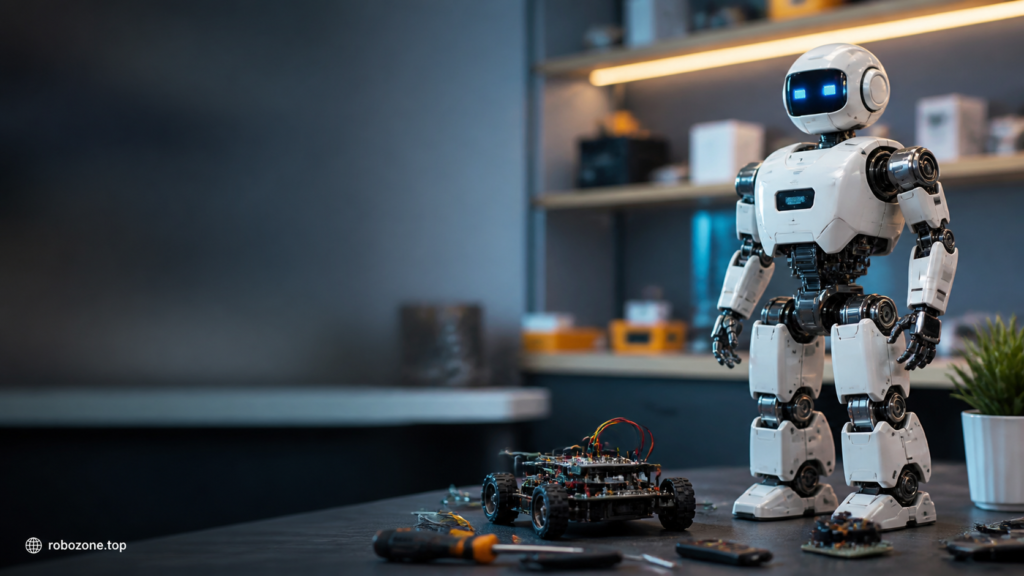
Robotics holds the key to a future where automation seamlessly integrates into our daily lives, transcending sci-fi imagination to tangible reality. In 2026, as we stand on the brink of a technological renaissance driven by intelligent systems and autonomous machines, understanding the fundamentals of robotics has never been more crucial. This guide aims to unravel the complexities of robotics for beginners and provide insights into the evolving dynamics of this fascinating field.
Understanding Robotics: The Core Concept
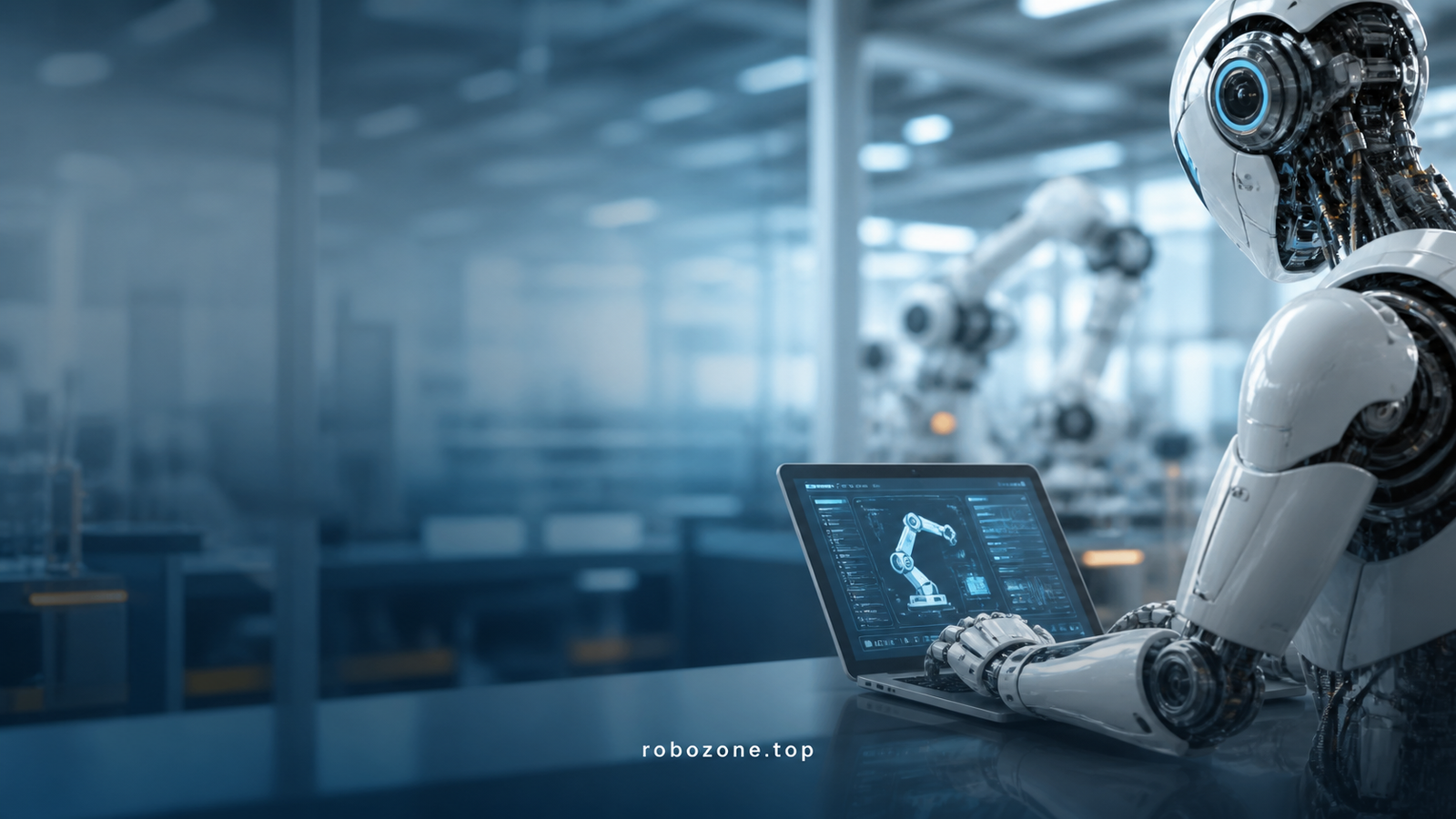
Imagine a world where machines not only perform tasks but learn, adapt, and improve over time. Robotics is not just about mechanical devices performing actions; it’s a symbiosis of artificial intelligence, mechanical engineering, and data processing systems. At its core, robotics involves designing, constructing, and operating robots in tandem with computer-based systems for control and information processing. These machines can range from autonomous drones surveying challenging terrains to robotic arms assembling intricate devices on a production line.
Drawing upon advancements in artificial intelligence, robotics has progressed from simple programmable repetitive tasks to sophisticated autonomous decision-making processes. Thanks to pioneers like Google DeepMind, whose AI algorithms have become more adaptive, robots today exhibit a semblance of human-like learning. This blend of hardware components and software programming forms the backbone of modern robotics, laying the groundwork for intelligent systems capable of performing complex tasks.
Applications of Robotics Across Industries
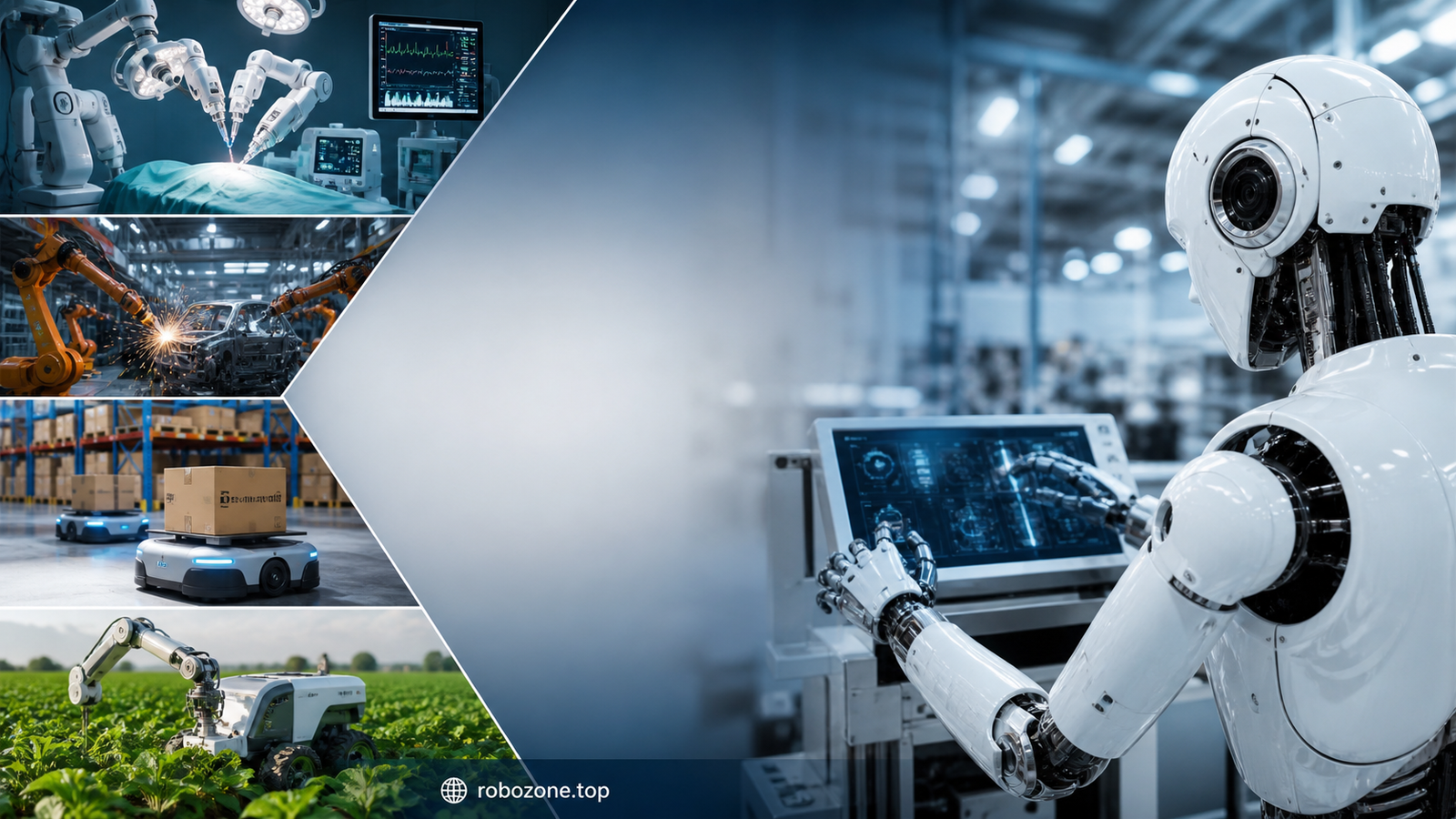
As the industry evolves, the application of robotics stretches across various sectors, significantly redefining efficiency and productivity. Take healthcare, for instance, where surgical robots like those developed by Intuitive Surgical’s da Vinci Systems have transformed the precision and outcomes of complex surgeries. The integration of robots in hospitals extends beyond the operating room – service robots now assist with nursing duties, medication delivery, and patient interaction, augmenting healthcare delivery.
In the industrial sector, robotics leads to unprecedented levels of production efficiency. Companies like Tesla are leveraging automation in their factories, using robotic systems to boost production rates, reduce human error, and maintain high-quality standards. These advancements depict how industrial robots are conditioned to work alongside human counterparts, fostering a collaborative environment known as a ‘cobot’ workspace.
At home, robotic vacuum cleaners, personal assistants like Alexa, and kitchen robotics are growing common, enhancing daily living and catering to individual needs. These advancements underpin a shift towards smart homes, where interconnected devices use AI to optimize daily routines efficiently.
[this image – a humanoid robot assisting a human in a modern kitchen, realistic lighting, showing human-robot collaboration]
Technical Insights: The Heart of Smart Robotics
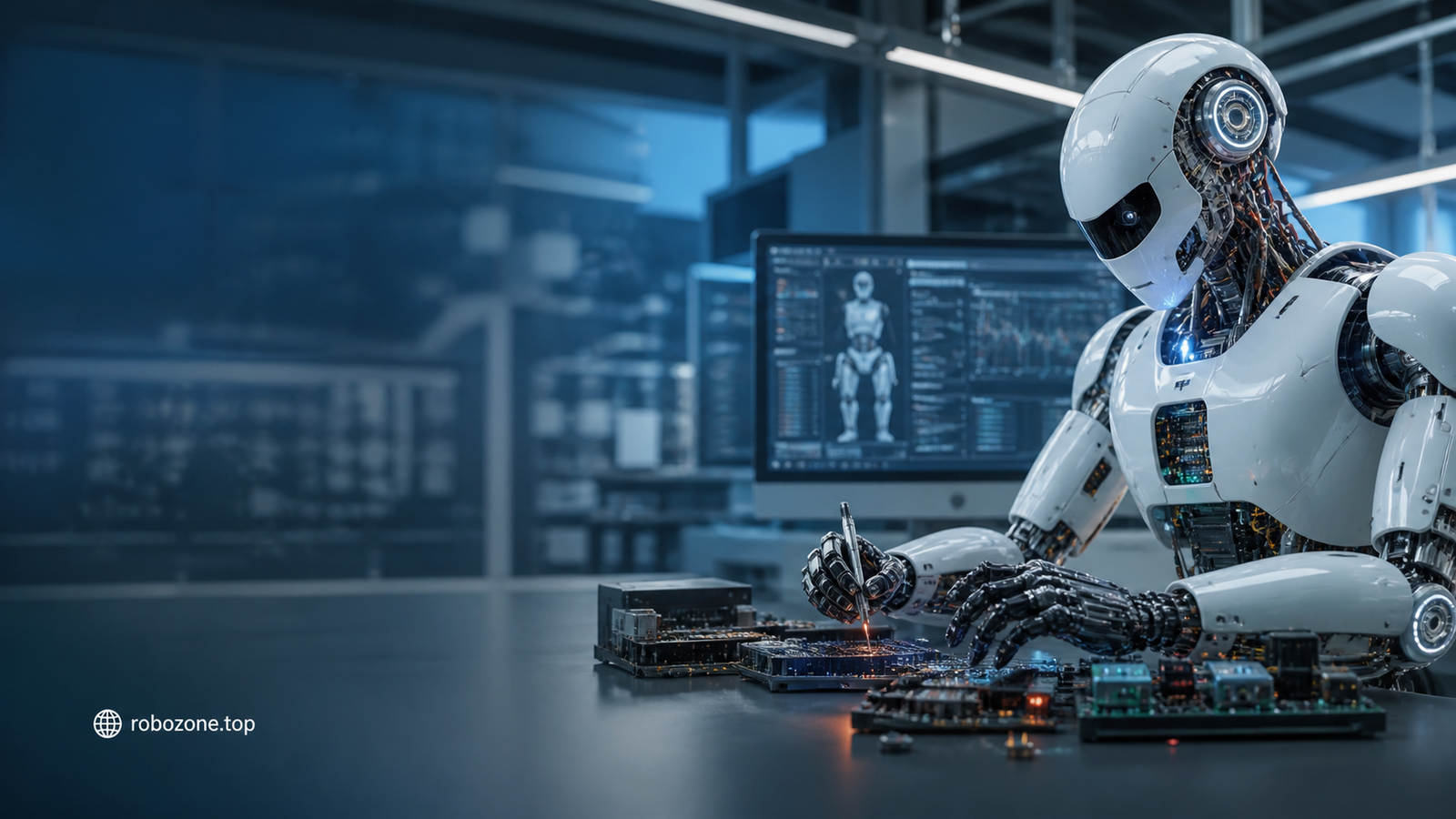
Behind the marvel of robots lie cutting-edge technologies continuously surging forward. With AI models becoming increasingly complex, robots are learning to interpret vast datasets effectively, thanks to advances in machine learning algorithms. Stanford AI Lab’s research is at the forefront, continually refining these models to better mimic human cognitive processes.
Moreover, the role of sensors cannot be overstated. Equipped with an array of sensors, modern robots possess enhanced perception abilities, allowing them to understand and navigate their environment more intuitively. Innovations from companies like Boston Dynamics showcase robots that dynamically adjust to terrain changes, demonstrating a level of agility previously reserved for living creatures.
When discussing robotics technology, it would be remiss to overlook the contributions of semiconductor leaders such as NVIDIA. Their state-of-the-art chips have exponentially increased computation power, directly impacting how robots process information and execute tasks. By leveraging NVIDIA’s AI-driven platforms, robots are not only smarter but more energy-efficient, a boon for both end-users and manufacturers.
The Economic Impact and Market Growth

The robotics industry is a powerhouse of economic potential. According to a report from the International Federation of Robotics, global spending in robotics and drones is projected to surpass $250 billion by 2026. This marks a significant rise fueled by investments from tech giants like Google and developments in industries spanning automotive, healthcare, and logistics.
Challenges and Limitations: Navigating Uncharted Waters

Not all robotic tales are without hiccups. Many challenges still exist, ones that researchers and developers grapple with today. Primary among these is the ethical implications of robotics in society. As machines become more intelligent, the question of moral and legal accountability surfaces—who bears responsibility for AI decisions?
Technical issues such as limited battery life, restricted mobility in unpredictable terrains, and high costs of research and development hinder rapid growth and adoption. While AI is evolving rapidly, ensuring contextual understanding and appropriate emotional intelligence remains a lofty aspiration.
Security is an ever-present concern. With more devices connected to the Internet, vulnerabilities arise that can potentially lead to unauthorized access or remote manipulation. Building robust and secure systems is indispensable as these technologies become more enmeshed in society.
Predictions for the Future: Robotics in the Next Decade
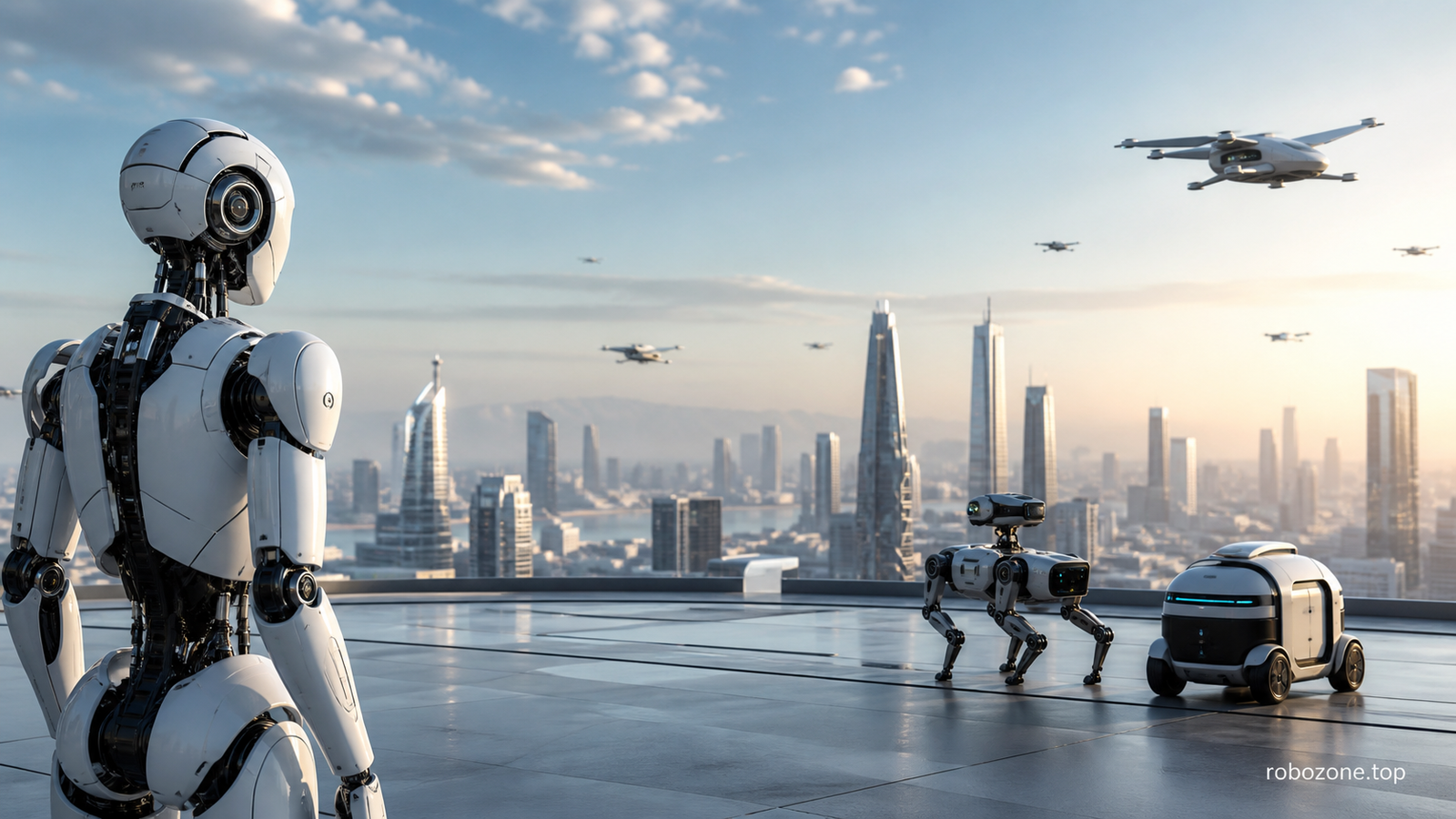
Predicting the future trajectory of robotics hinges on evaluating current technological trends and projecting their influence. In the short term, expect robots to become more pervasive in our everyday lives. As AI becomes more refined, personal robots could take on more complex tasks, like caregiving or routine household management, with increasing efficiency.
On a broader spectrum, collaboration between human and robot workforce—enabled by cobots—is expected to blaze new trails. Factories of the future will likely witness humans and machines working side by side, capitalizing on each other’s strengths.
In the longer term, visionary thinkers like Elon Musk envision a future where AI not only assists humanity but intermingles with human consciousness itself. Although this may seem a distant reality, incremental advancements in neural network programming and human-robot interfaces hint at possibilities that might redefine human existence.
Strategic Insights for Businesses and Developers

For businesses and developers looking to harness the power of robotics, the key lies in proactive adaptation and anticipation of emerging trends. Understanding the nuances of AI integration across verticals is central to making informed decisions. Companies should invest in robust R&D initiatives to stay ahead of technological advancements, partnering with thought leaders and cultivating a workforce adept at AI problem-solving.
Moreover, flexibility in embracing evolving standards and practices, setting up adaptable infrastructures, and fostering ethical practices throughout development processes will be crucial. As Thomas Huynh would say, ‘The future isn’t crafted solely in labs or boardrooms; it’s molded by insights into customer experience and societal impact,’ reminding us that the human aspect remains integral to technological progress.
So, where does this leave us? As we approach an era where robotics shapes not only industries but everyday lives, the key will be balance — integrating these powerful tools with our world while preserving human values and ethics. The journey involves a collective effort among scientists, policymakers, and societies to ensure these technological advancements remain beneficial and sustainable.
For those embarking on a journey into robotics, the road ahead is both challenging and exhilarating, full of potential breakthroughs that promise a transformation into an interconnected, intelligent world.
As we keep our eyes on reality and our dreams beyond, let’s hold intelligent, ethical craftsmanship at the core of innovation.
Thomas Huynh – Admin of RoboZone.top
References & Further Reading:
- MIT Technology Review — https://www.technologyreview.com/
- IEEE Spectrum — https://spectrum.ieee.org/
- McKinsey & Company — https://www.mckinsey.com/
- Stanford AI Lab — https://ai.stanford.edu/
- Harvard Business Review — https://hbr.org/
- NVIDIA research — https://www.nvidia.com/en-us/research/
- International Federation of Robotics — https://ifr.org/
- World Economic Forum — https://www.weforum.org/