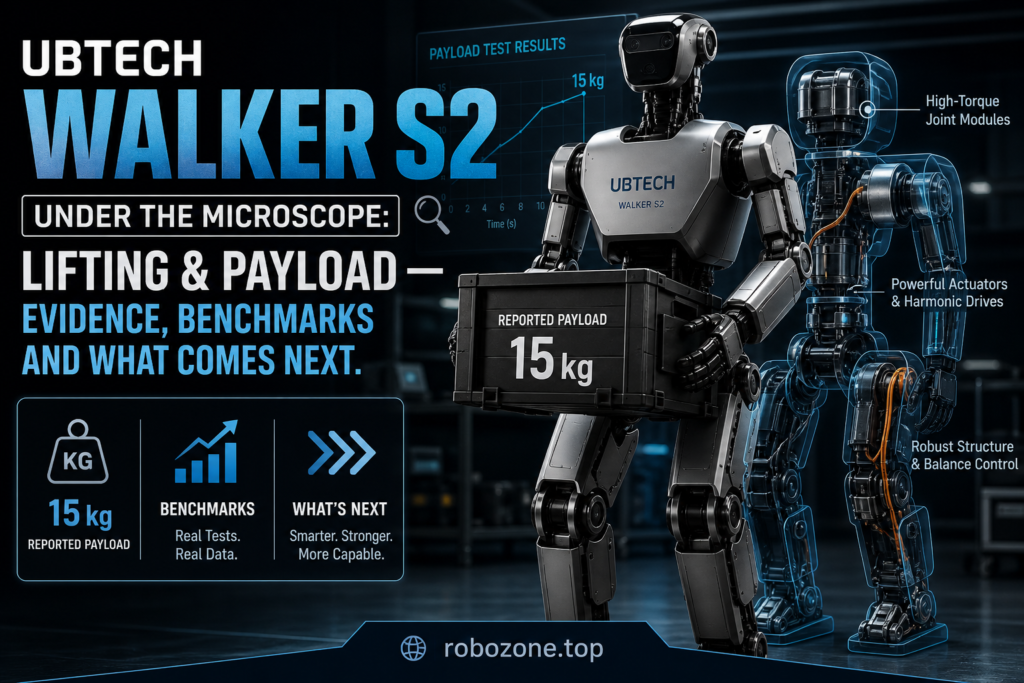
In the ever-evolving world of robotics, the UBTECH Walker S2 stands out as a towering figure — quite literally. As technological advancements continue to sweep through every industry, the Walker S2 has made significant waves, particularly with its lifting capabilities and payload management. But what lies beneath the sleek design of this humanoid robot? What benchmarks does it reach, and how do these compare to the soaring promises made by UBTECH? Under the scrutiny of real-world testing and future predictions, we delve into the heart of the Walker S2 to uncover its true potential and set expectations for what’s next on the horizon. As our curious expedition begins, let us arm ourselves not just with technical insights but with a dash of curiosity and a sprinkle of humor — because this journey promises both the sophisticated and the surprising.
Unveiling the UBTECH Walker S2: The Core Concept
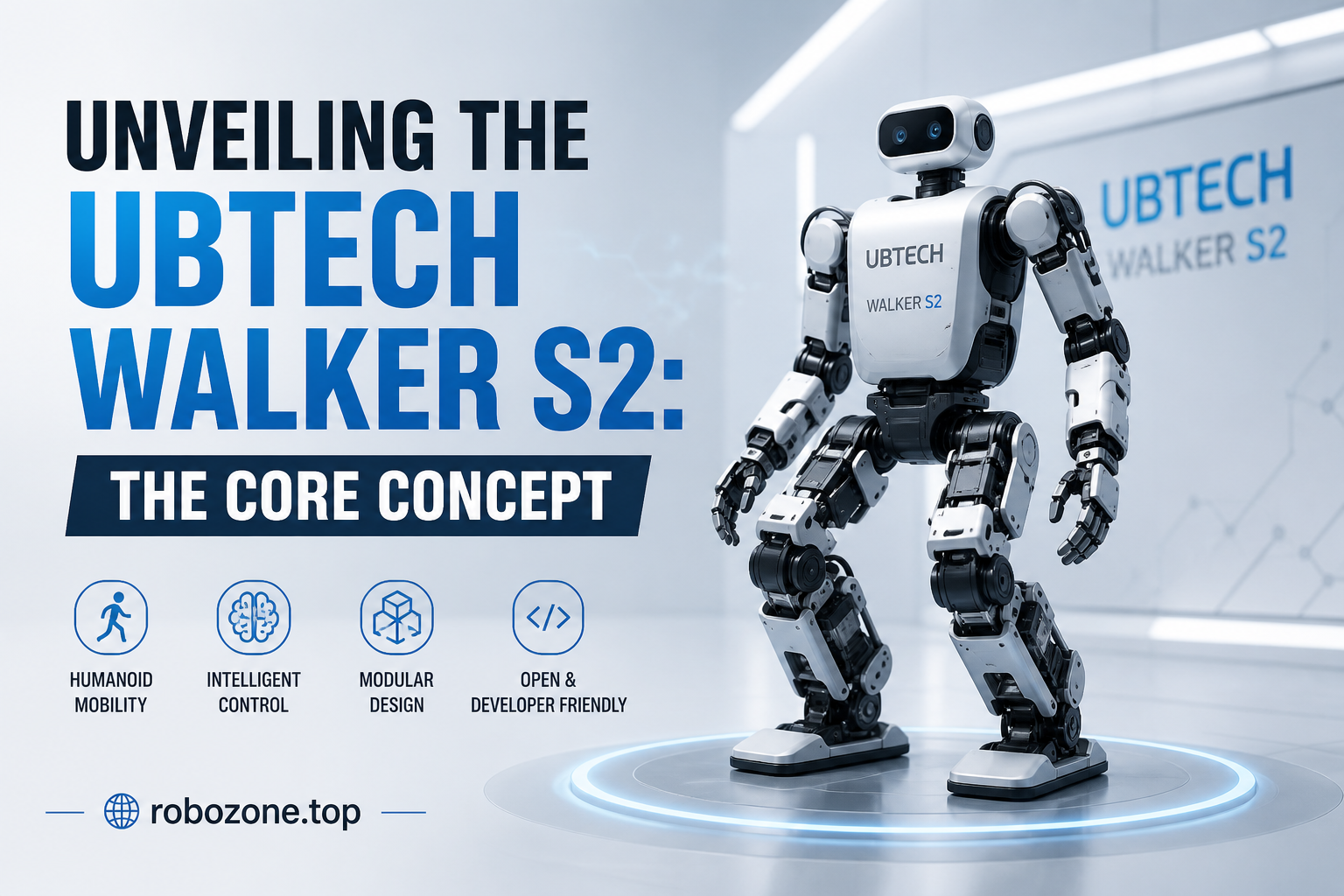
At first glance, the UBTECH Walker S2 might seem like something straight out of a sci-fi novel, standing tall with its humanoid form, ready to tackle the tasks of today’s smart world. But beyond its impressive exterior, how does this sophisticated machine tick? The Walker S2 is engineered to serve as a multi-functional humanoid assistant, equipped with cutting-edge AI algorithms and robust robotic systems.
The core concept revolves around its ability to perform complex tasks with ease, ranging from simple household chores to more intricate actions in an industrial setting. Its strength lies in a combination of advanced AI models — think beyond mere automation to a realm where learning and adaptation are key. With proprietary algorithms fine-tuned for understanding and interaction, the Walker S2 promises to not just perform tasks but learn and evolve over time, making it a dynamic addition to any environment.
And let’s not forget the humorously named ‘handy’ features, literally; it’s designed with versatile appendages capable of handling a wide array of objects and weights. ‘This is where things get interesting,’ as Thomas Huynh, the esteemed steward of RoboZone.top, might say, emphasizing the robot’s capability to navigate nuanced human environments with grace.
Real-World Applications: Beyond the Hype
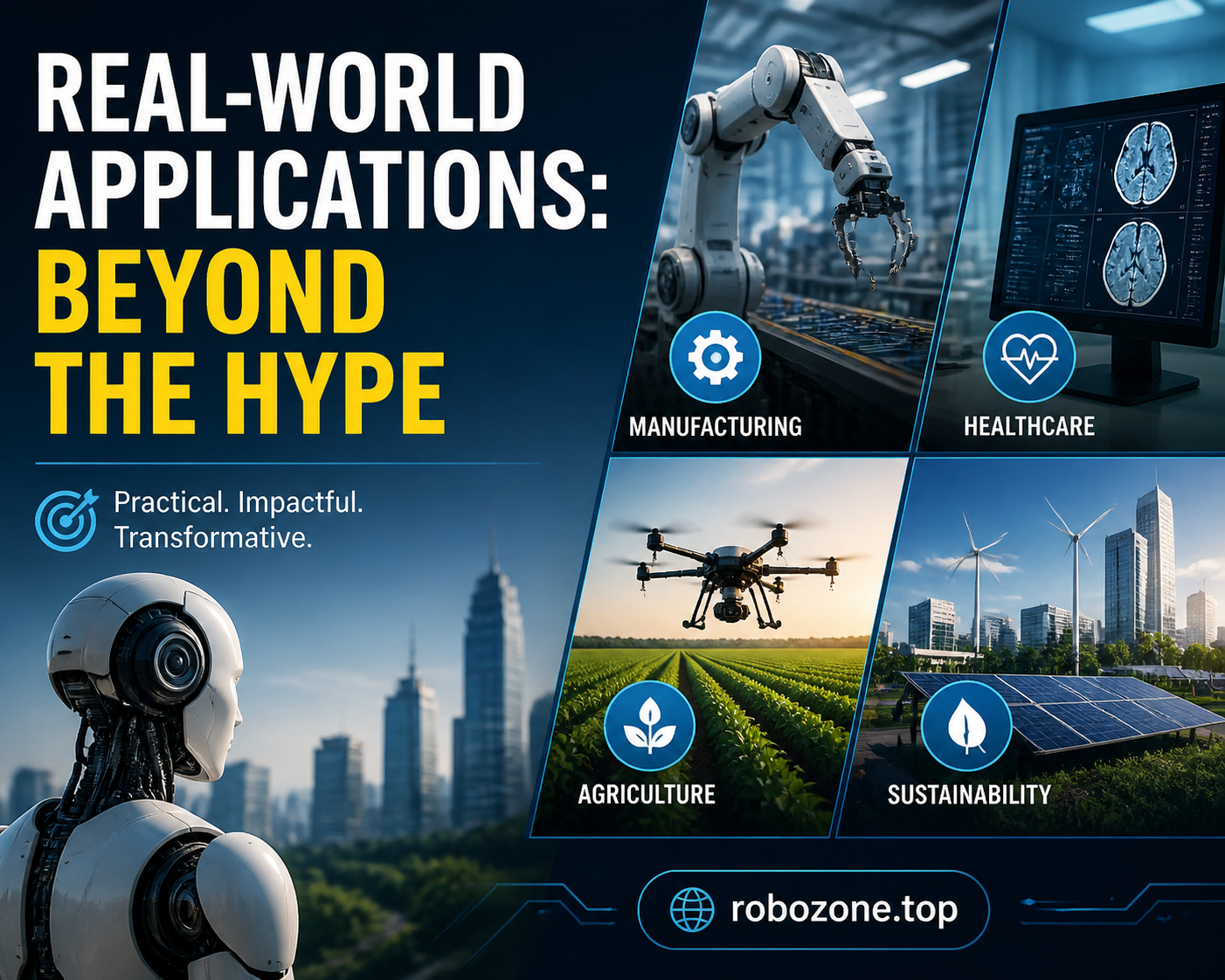
When assessing the practicality of a technology like the Walker S2, one must ask, ‘But where can it fit into my world?’ Luckily, the real-world applications of this robotic marvel span across various industries. In our homes, the ideas of Jetsons-esque robots are slowly turning into reality. Imagine an extra pair of hands to sort out the groceries, assist with laundry, or even engage with elders and children for improved safety and companionship. These are not dreams of tomorrow but possibilities of today thanks to the Walker S2’s versatile capabilities.
In the world of healthcare, the Walker S2 steps into the shoes of an assistant, capable of providing support for patients with limited mobility, or managing medical supplies with precision unheard of in traditional settings. Its data integration capabilities mean real-time updates and tasks can be executed with minimal human oversight, which frees up valuable time for healthcare professionals.
Industrial sectors are also eyeing this robot with keen interest. With the surge in interest for automation and efficiency, the Walker S2 is poised to perform repetitive, labor-intensive tasks, bringing down operational costs while simultaneously enhancing workplace safety. Picture the Walker S2 in an industrial warehouse, meticulously picking, sorting, and managing inventory — it’s not just about replacing manpower but augmenting it to achieve greater heights of productivity.
Deep Dive into Technical Insights: AI and Robotics Systems
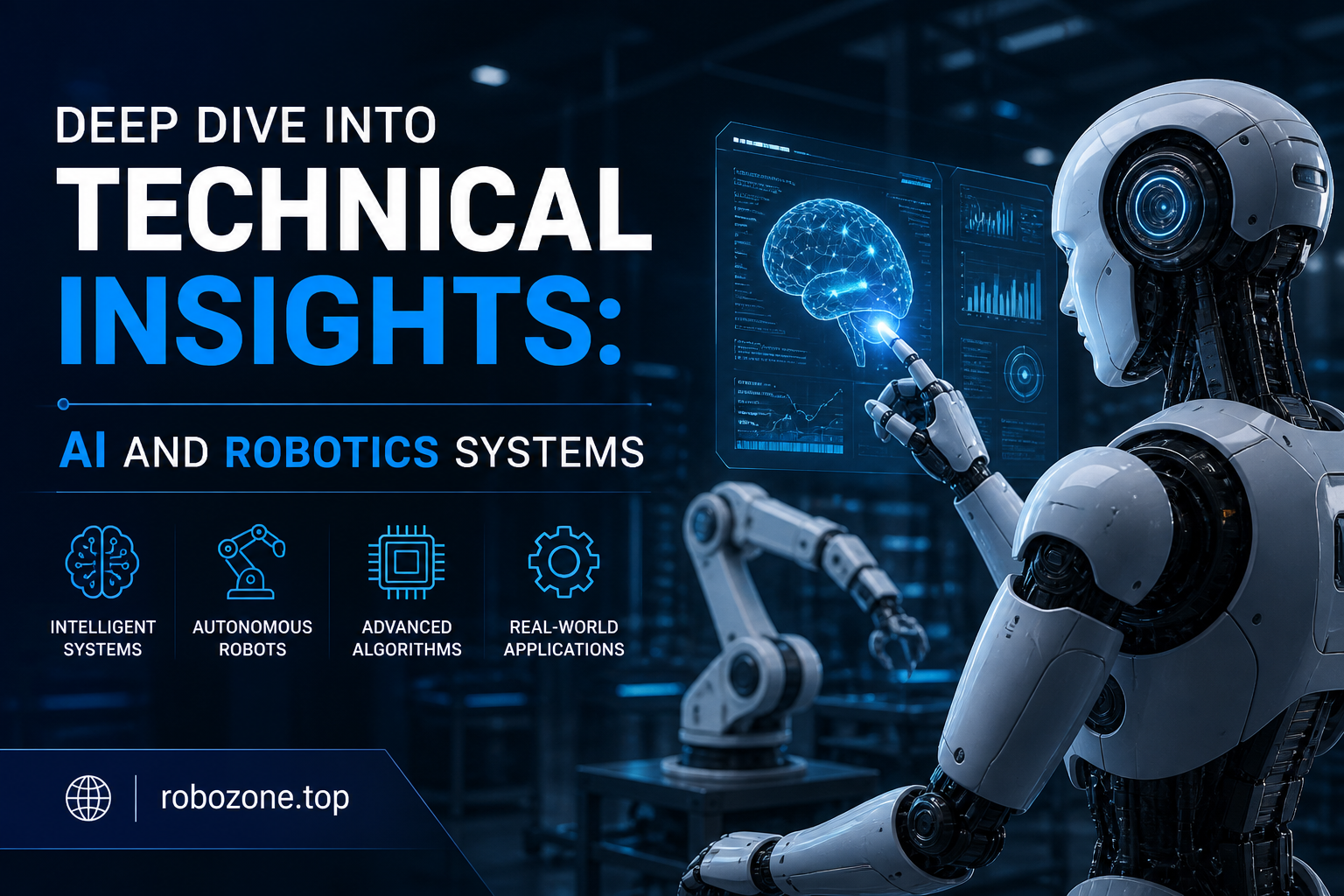
Diving deeper under the proverbial hood, we encounter an amalgamation of the latest in AI technology and robotics engineering prowess that powers the Walker S2. Its neural network-driven cortex is designed to process information with lightning speed, adapting to new environments with remarkable agility.
The integration of sensors and chips, like the agile ones designed by NVIDIA, enhances these abilities. These components work in harmony to facilitate object recognition and decision-making that’s both rapid and accurate. Through a series of smart sensors, including LIDAR and 3D cameras, the Walker S2 is capable of creating detailed spatial maps that it uses to ‘see’ and ‘understand’ its surroundings. This is instrumental in enabling seamless navigation across varied terrain, whether it’s the carpeted hallways of a home or the concrete floors of a factory.
The AI driving the Walker S2 is built on robust machine learning frameworks that not only automate repetitive tasks but learn user preferences to create customized user experiences. It’s part of the ongoing tech race to build machines that are not just tools but companions in our bustling lives.
A Market Analysis: Current Trends and Economic Implications

The robotics market, with an increasing emphasis on enhanced capabilities such as those exhibited by the Walker S2, is witnessing unprecedented growth. As per reports from the International Federation of Robotics, the global market is anticipated to surpass the $200 billion mark by 2026, approximately when the current trends are projected forward.
Investments are pouring in from both public and private sectors around the globe. Companies like Boston Dynamics and Tesla are trailblazing paths in this sector, contributing substantially to economic ramifications of automation across industries.
Yet, with growth come challenges — ensuring that such advanced robotics doesn’t lead to workforce disruptions is a major concern. With more than $100 billion invested in AI-driven technologies, the ripple effect on job markets and economies is evident; hence, navigating these waters requires strategic foresight and coordinated policymaking.
Challenges and Limitations: The Roadblocks Ahead

For all its wizardry, the Walker S2 faces its share of stumbling blocks. The initial cost of sophisticated robots such as these may be prohibitive for small to medium-scale industries, despite the promise of long-term savings. The technology is new and, like any pioneering development, still ironing out bugs and inefficiencies.
There’s a challenge in attaining seamless integration into existing human-centric environments without significant overhauls. Moreover, as UBTECH touts the lifting and payload prowess of the Walker S2, verifying such claims against singular use cases continues to be a complex endeavor.
Certain tasks that involve intricate nuanced human touch remain challenging, as current AI models still lack the finesse of human instinct and empathy. It’s a reminder that the intersection of technology and humanity is a delicate dance, one that Thomas Huynh keeps in mind as we march boldly into the future.
Looking Forward to Future Innovations and Postulations
As we gaze into the future, the narrative of humanoid robots such as the Walker S2 promises continuous evolution. With AI research making meaningful strides and investment in robotics surging ahead, it wouldn’t be too outlandish to anticipate capabilities that might seem magical today appearing mundane tomorrow.
The next few years could witness these robots stepping into more personal domains, with enhanced interactivity and emotional intelligence, tackling jobs with an intuitive grasp of human emotions and cultures. This brave new world beckons a fusion of technology and the human touch — a synergy that could redefine our very homes and workspaces.
Furthermore, businesses and developers must prepare for a paradigm shift towards sustainable robotics, environmentally responsible production, and ethically aligned AI that ensures technology grows not as an isolated entity, but as part of a holistic societal framework. As we tread on this path, Thomas Huynh would probably muse, ‘The robot uprising might just bring down house chores instead of the house,’ reminding us to embrace humor as part of this remarkable journey.
So what comes next in this captivating dance with technology? As the Walker S2 stands ready to stride into new territories, stakeholders across industries are summoned to chart strategies that harness these innovations while addressing economic and ethical concerns.
Attuned to the winds of change, we must remain vigilant and participative in this unfolding saga, ensuring that the robotic solutions of today cultivate a brighter, more inclusive tomorrow. After all, as Thomas Huynh often reminds us, ‘the future is but a canvas for innovators to paint upon,’ and the UBTECH Walker S2 appears poised to hold a prominent palette.
Order HIWONDER Humanoid Robot
Thomas Huynh – Admin of RoboZone.top
References & Further Reading:
- MIT Technology Review — https://www.technologyreview.com
- IEEE Spectrum — https://spectrum.ieee.org
- McKinsey & Company — https://www.mckinsey.com
- Stanford AI Lab — https://ai.stanford.edu
- NVIDIA blog — https://blogs.nvidia.com
- International Federation of Robotics — https://ifr.org
- World Economic Forum — https://www.weforum.org