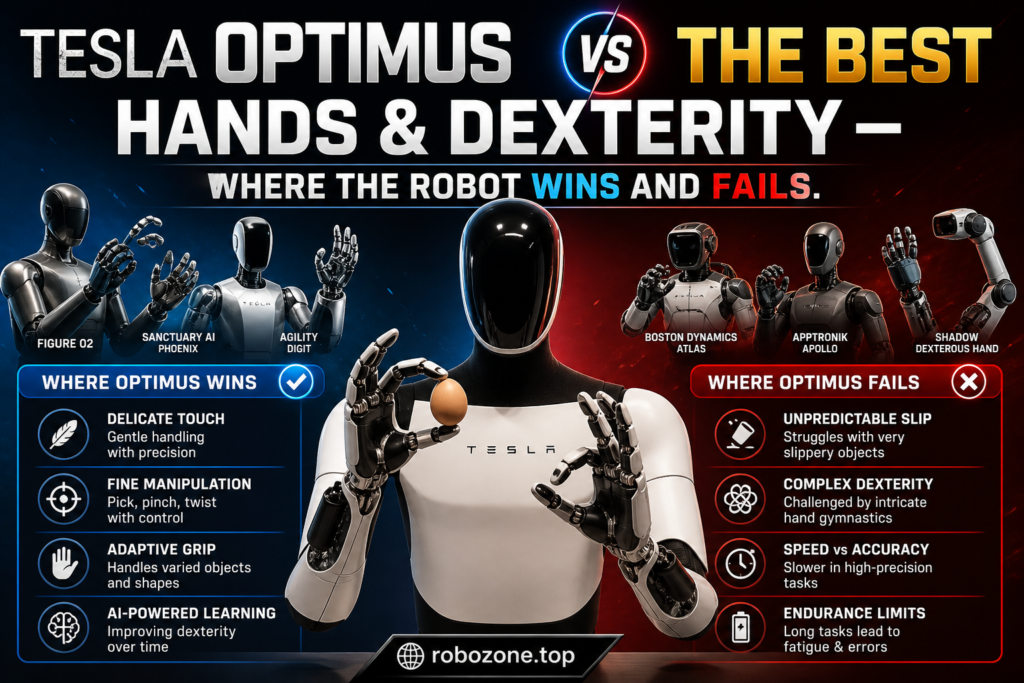
In a world rapidly evolving with technological advancements, the race to create the most dexterous robot is akin to the space race of the 1960s. This is not just about building better robots; it’s about crafting machines capable of performing intricate tasks once deemed impossible for non-human hands. Tesla’s Optimus is at the forefront of this revolution, boasting impressive capabilities yet facing stiff competition and significant challenges. So, what’s the real score in the saga of Tesla Optimus versus other robotic contenders in the domain of manual dexterity?
Understanding Dexterity in Robotics
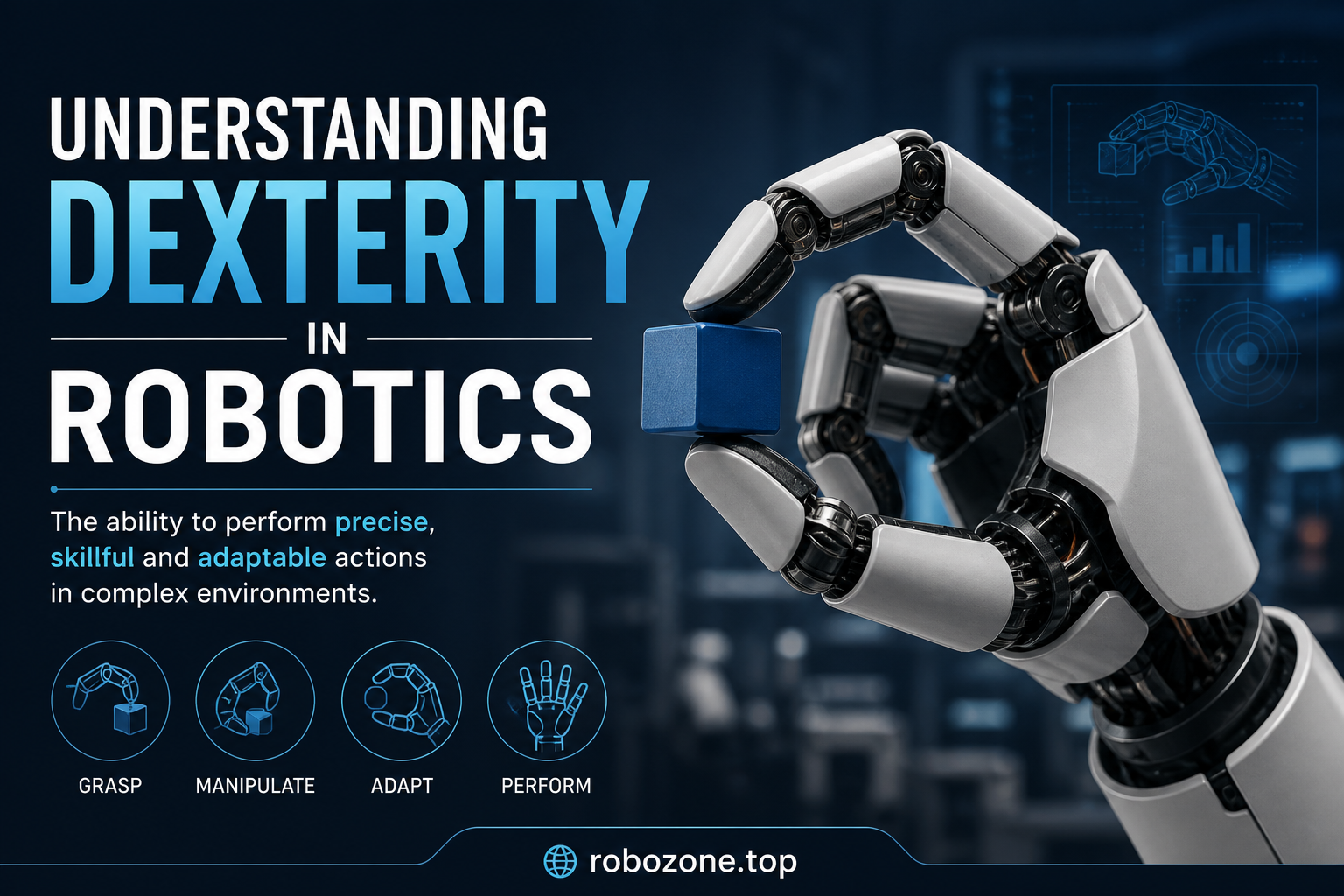
The concept of dexterity in robotics refers to the ability of a machine to perform complex manipulations and tasks that require precise, coordinated movements. Imagine a robotic hand delicately handling a wine glass, threading a needle, or even playing a piano. These tasks, simple for humans, pose significant challenges to robots, which is why dexterity is often viewed as the holy grail in the realm of advanced robotics. At the core of this lies sophisticated hardware and complex algorithms, often leveraging advancements in artificial intelligence.
Recent strides in AI and machine learning have enabled dramatic progress. Tesla Optimus, for example, incorporates cutting-edge AI models to enhance its hand movements, learning from millions of simulations to perfect tasks akin to real-world operations. However, dexterity isn’t merely about trial and error; it requires a blend of sensory feedback, mechanical precision, and intuitive response. That’s the balancing act manufacturers like Tesla, Boston Dynamics, and ABB Robotics are performing today.
The Real-World Applications of Dexterous Robots
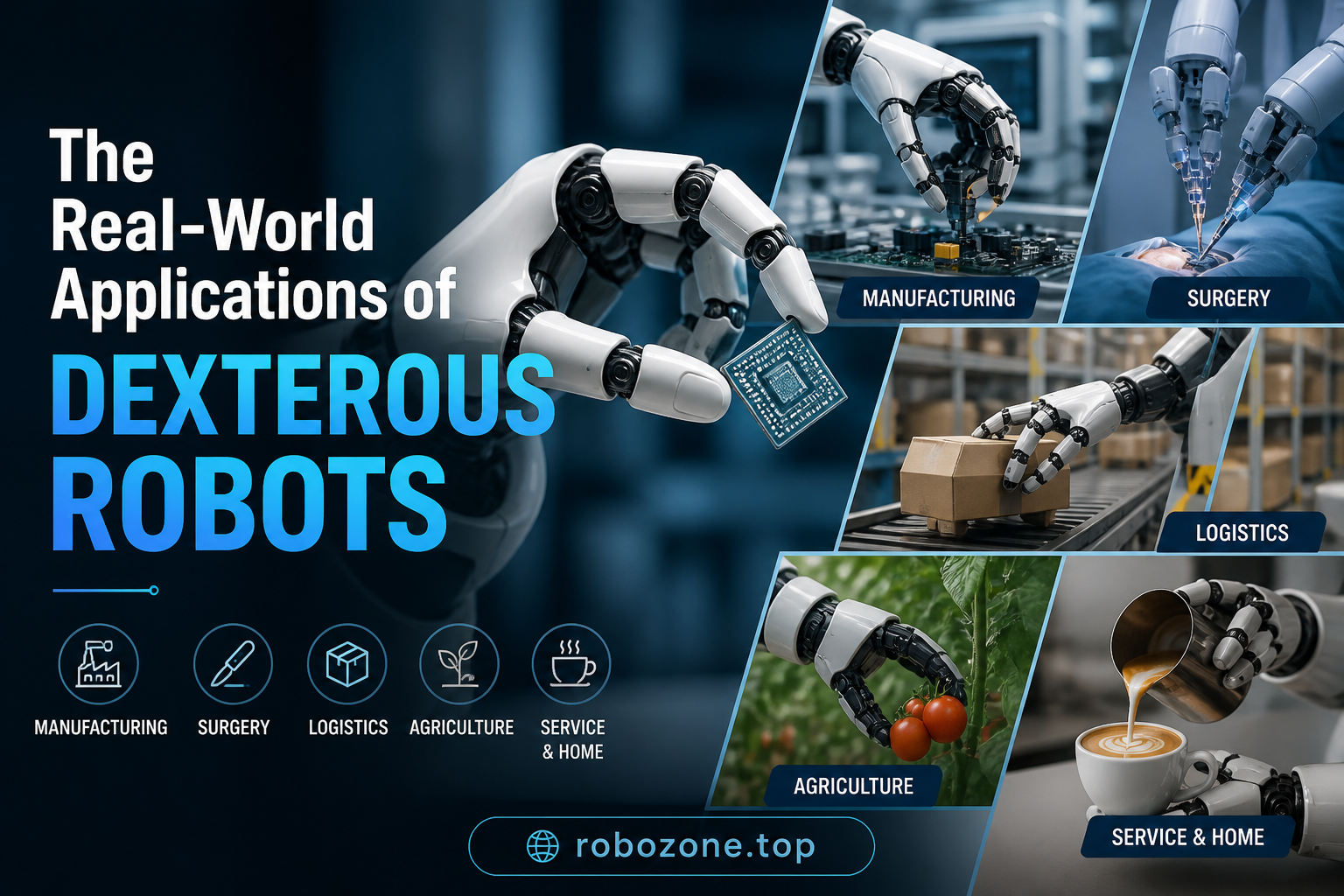
What happens when robotics meshes with dexterity? The applications span across a myriad of industries. In the healthcare sector, robots with advanced dexterity are assisting in surgeries, offering precision beyond human capability. For example, think of surgical robots capable of inserting tiny needles or stitching delicate tissues with unparalleled precision. Tesla’s Optimus may not yet have entered this specialized field, but its potential branches out to diverse areas like elderly care, where the gentle handling of patients is crucial.
In the industrial landscape, dexterous robots are revolutionizing manufacturing processes. Companies are deploying robots to assemble intricate machinery parts, minimizing human error and maximizing efficiency. Take automotive assembly lines; robots with precision similar to a watchmaker assembling Swiss watches are redefining quality control standards.
Even in the home, we are catching glimpses of this robotic future. We’ve seen smart vacuum cleaners, but envision a robot that tidies up your entire living room or even cooks complex recipes with the flair of a gourmet chef. With Optimus in development, Tesla hints heavily at such advancements becoming commonplace, eventually replacing many household tasks.
Technical Insights: Under the Hood of Tesla Optimus
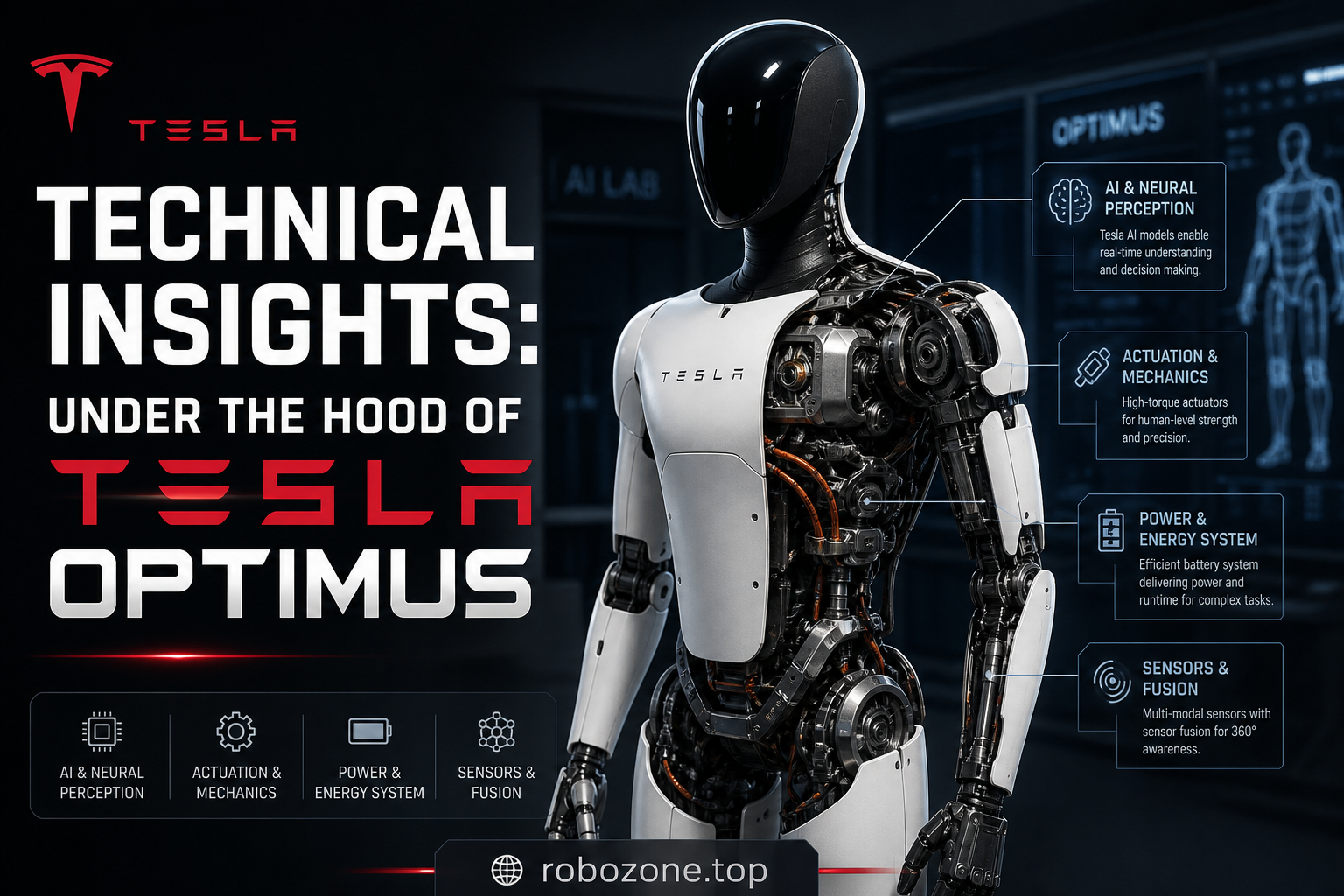
Technical prowess distinguishes the remarkable from the ordinary, and Tesla’s Optimus does not shy away from flaunting its hardware and software capabilities. The heart of Optimus lies in its AI-driven control systems. According to a recent feature on MIT Technology Review, Tesla’s deep learning models, previously deployed in their autopilot systems, have been adapted to refine Optimus’s physical interactions with its environment.
Furthermore, a key component of its success is the use of NVIDIA’s powerful chips, providing the computational capacity needed for real-time decision-making and adaptability. These chips, complimented by intricate sensor arrays, enable Optimus to ‘see’ its surroundings in high-definition, a feat evident in its accurate depth perception capabilities—critical for executing complex tasks.
Yet, the road isn’t without bumps. The robotics systems in Optimus must balance power and fine motor skills, a conundrum akin to weightlifting a feather—having the strength but requiring gentle touch. This is where research from the Harvard Robotics Lab provides insights, exploring soft robotics as a potential resolution, although Tesla’s journey seems more inclined towards refining existing technologies.
Market Analysis: Where the Money Flows

Robotic innovation is synonymous with economic transformation. Market analysts see a bright future, with the robotics industry expected to grow exponentially, particularly in fields that favor dexterous automation. McKinsey & Company projects this sector will experience a compound annual growth rate of more than 25% over the next five years, with significant investments flowing into AI and machine learning technologies that enable dexterous movement.
Tesla’s foray into robotics with Optimus marks its expansion beyond automotive excellence. As documented by IEEE Spectrum, Tesla’s investments are part of a larger strategic pivot towards a technologically-advanced service sector, potentially resulting in groundbreaking collaborations and innovations.
However, Tesla is not alone. Companies like Boston Dynamics are aggressively staking claims, capitalizing on more than two decades of research backed by Google’s brainpower and financial muscle. This competitive landscape necessitates agility and foresight—qualities that define industry movers.
Challenges and Limitations: The Unresolved Puzzles
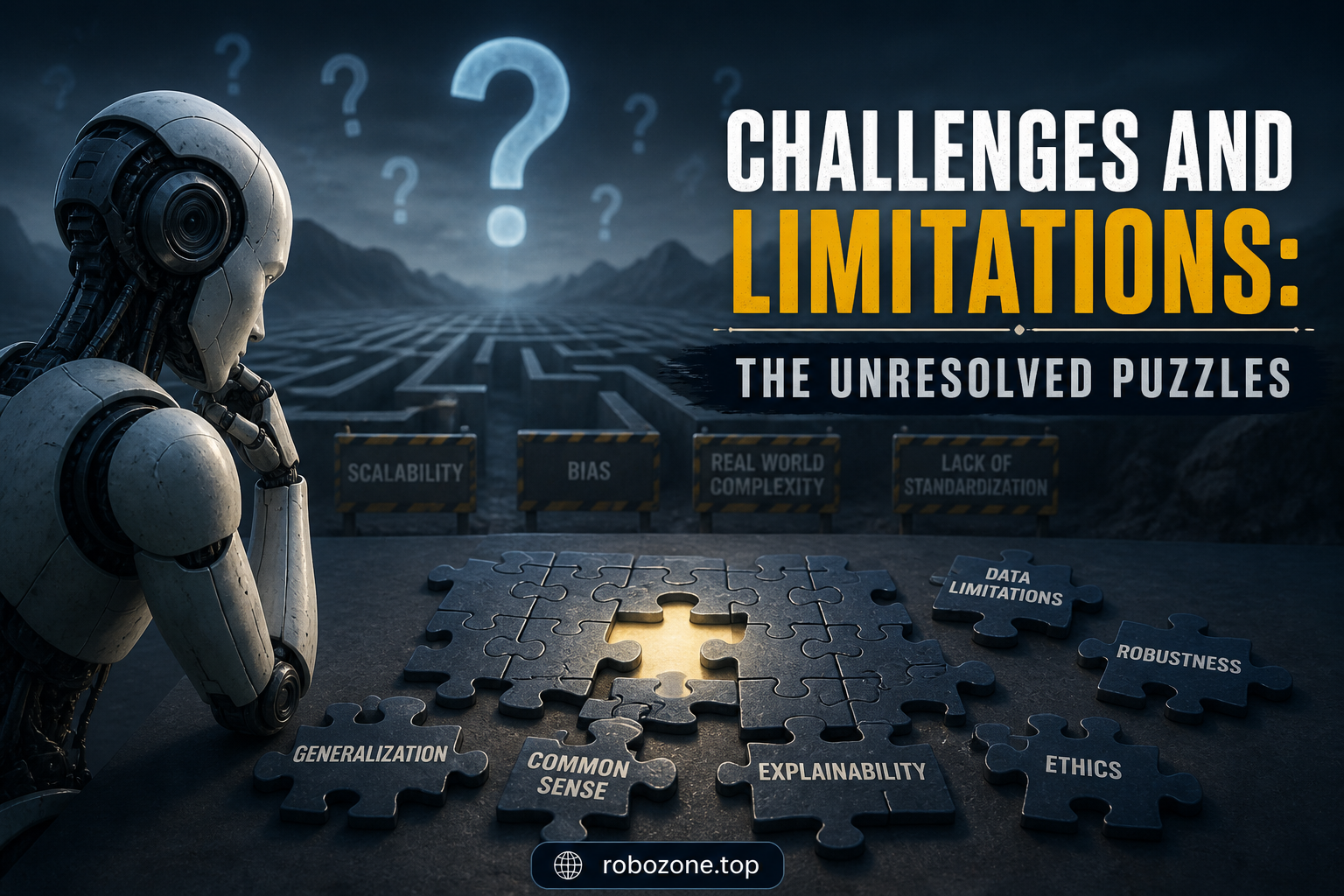
While the prospect of dexterous robots firing on all cylinders is tantalizing, stark challenges remain. The intricate combination of mechanical design and AI necessary to achieve human-like dexterity is daunting, underlined by substantial R&D costs. As highlighted by the International Federation of Robotics, current robots fall short of the nuanced touch and adaptability humans naturally possess.
Technical limitations are not the only hurdles. Ethical and safety concerns present significant barriers. The question remains—how do we ensure accountability when machines malfunction? There’s also the looming specter of job displacement, presenting societal challenges about how to integrate robots into the workforce ethically and sustainably.
What the Future Holds: Predictions and Visions
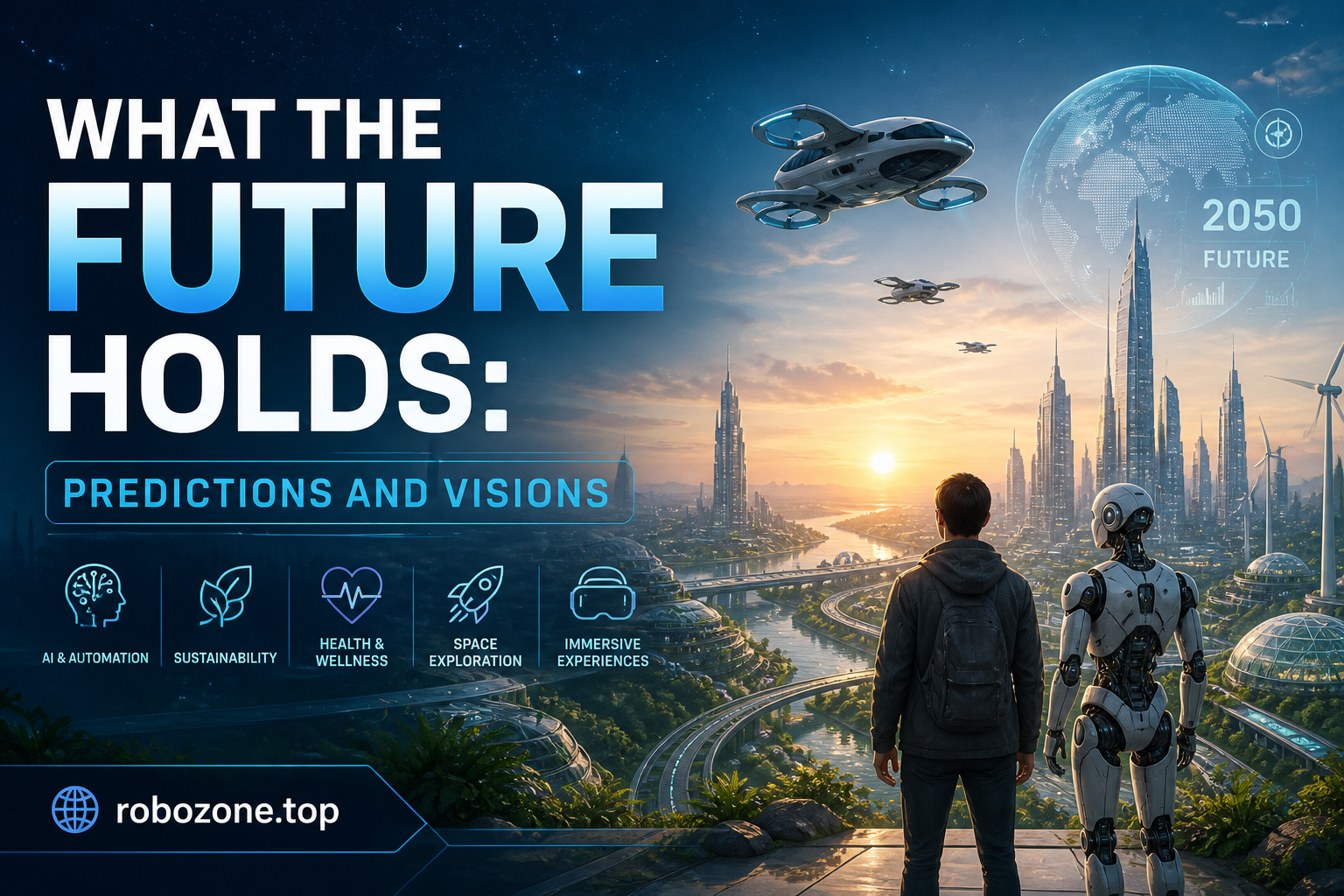
Despite these challenges, experts, including Thomas Huynh here at RoboZone.top, remain optimistic about what lies ahead. Over the next decade, we anticipate an even greater fusion of AI and robotics, catalyzing industries and redefining everyday life. In the short term, expect improvements in AI models, making robots like Tesla’s Optimus more adept at precision tasks and adaptive responses.
Long-term visions suggest a society where dexterous robots are commonplace, reshaping everything from labor markets to healthcare solutions. Yet, as with any emerging technology, the emphasis must be on how these tools are utilized, ensuring they enhance rather than hinder human experience. In the words of a robotics engineer I spoke to, ‘We’re building the future, one robotic hand at a time.’
So, what comes next in the battle for robotic dexterity? The evolution of robotics is a thrilling odyssey as companies like Tesla and Boston Dynamics lead the charge into uncharted territories. What’s crucial as we move forward is how stakeholders—developers, manufacturers, and policymakers—navigate the convergence of opportunity and responsibility. For those like Thomas Huynh and myself who revel in technological transformation, the journey is as important as the destination. Remember this: the robotic future is not a question of if, but when.
Thomas Huynh – Admin of RoboZone.top
References & Further Reading:
- MIT Technology Review — technologyreview.com
- IEEE Spectrum — spectrum.ieee.org
- McKinsey & Company — mckinsey.com
- Harvard Business Review — hbr.org
- NVIDIA blogs — blogs.nvidia.com
- International Federation of Robotics — ifr.org