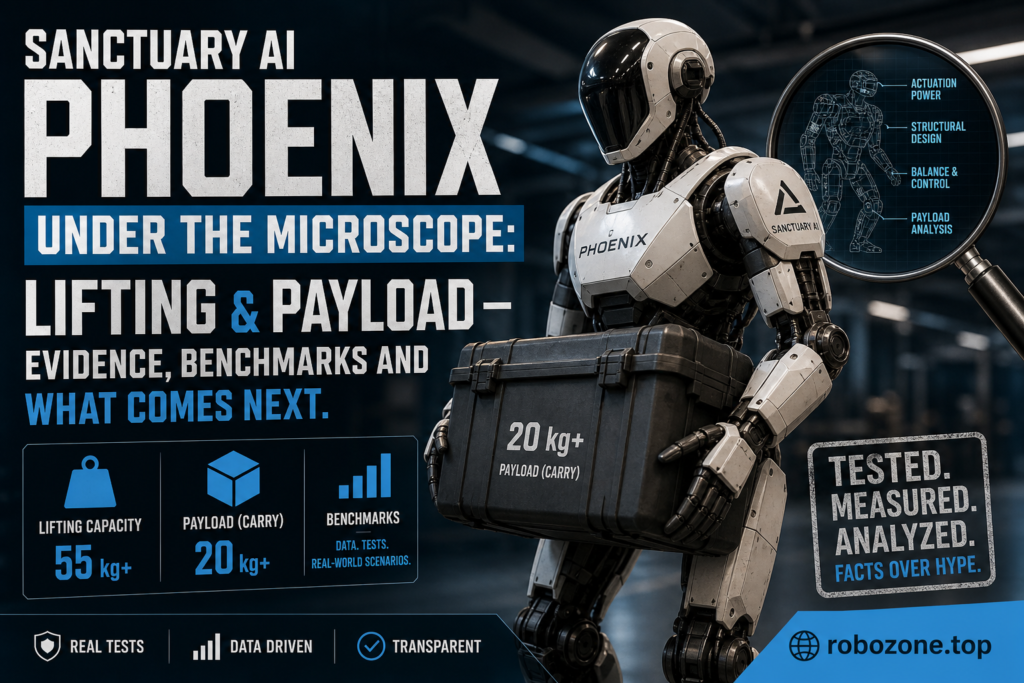
Today, we delve into its lifting prowess and payload capabilities—how they stack up to company claims, the benchmarks that serve as their measuring rods, and where this all might be headed as we forecast into the future.
Understanding the Sanctuary AI Phoenix: The Core Concepts
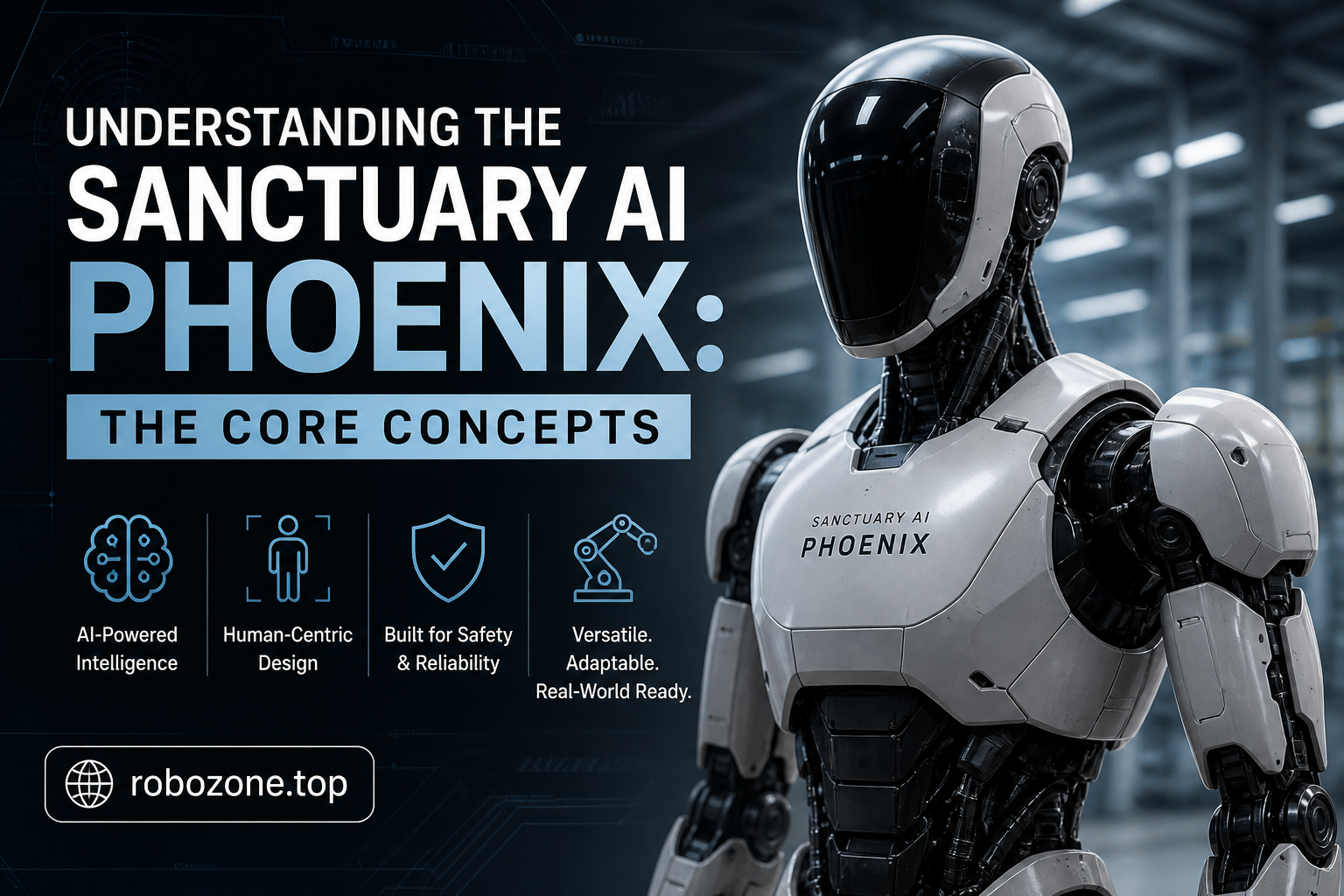
To truly appreciate the potential of the Sanctuary AI Phoenix, one must first grasp what it is and how it functions. Sanctuary AI, headquartered in Vancouver, has long been at the forefront of robotics innovation, with a unique vision of creating machines that interoperate fluidly with human environments. The Phoenix is their latest generation of humanoid robots crafted not just for basic interactions but for the versatility of dynamic tasks — from industrial applications to nuanced caregiving roles in healthcare.
The core of the Phoenix’s abilities lies in its advanced AI models that equip it with a form of situational awareness, allowing it to adjust its actions based on real-time sensory inputs. It’s like teaching a very competent yet perpetually learning assistant to discern between what requires a gentle touch and what demands raw power. The AI utilizes deep neural networks, arguably one of the most cutting-edge advances facilitated by NVIDIA’s latest GPUs, to process and learn from enormous datasets efficiently.
As Thomas Huynh, the admin of RoboZone, might cheekily observe, “Of all the places to make mistakes, lifting a porcelain vase isn’t one of them. And that’s just where things get interesting.” How does it stand in practice against the benchmarks of weight and precision?
From Factories to Homes: Real-world Applications
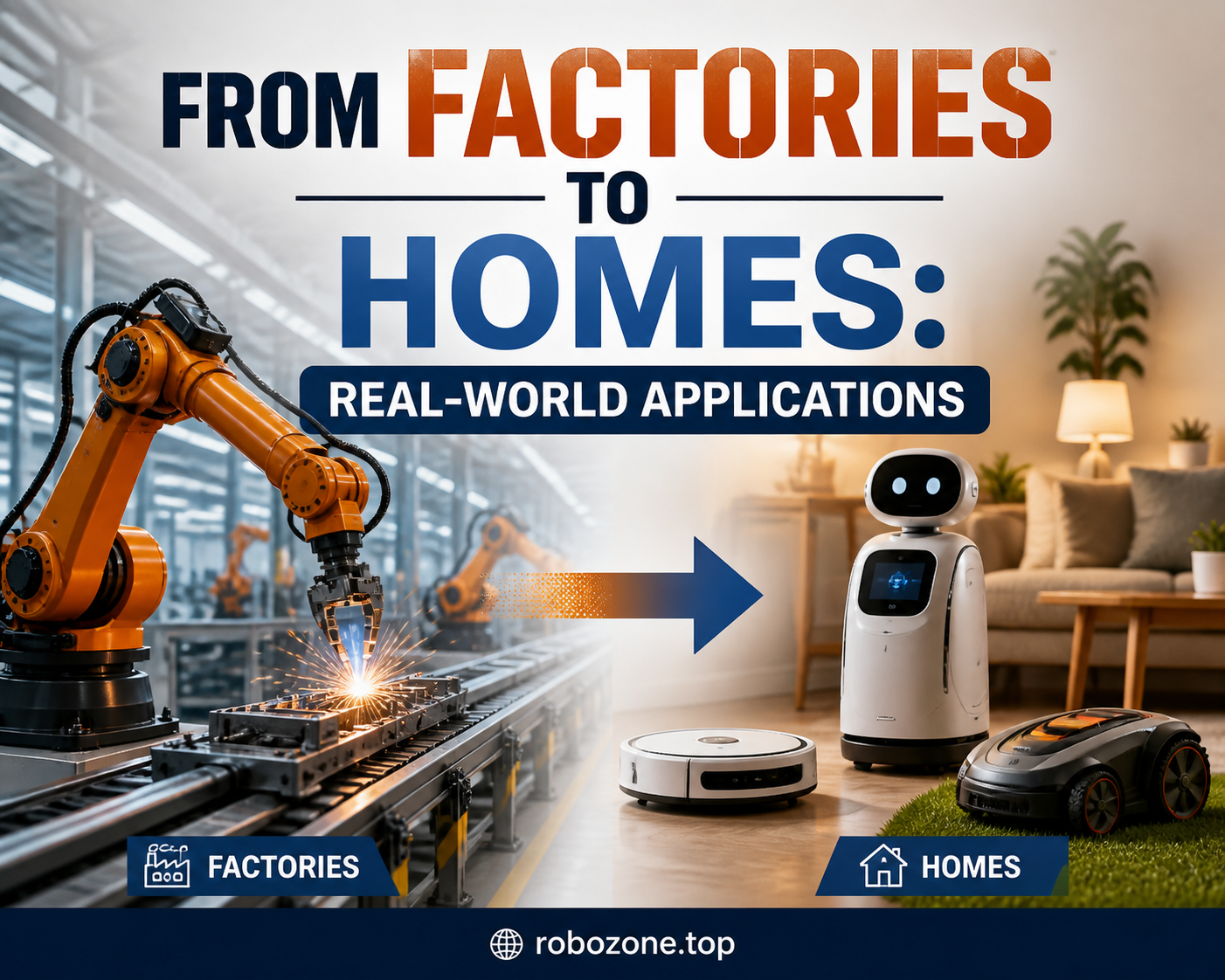
In understanding real-world applications, it is essential to recognize the diversity in tasks that Phoenix can undertake. This isn’t your run-of-the-mill industrial robot relegated to a single repetitive task. In fact, Sanctuary AI imagines its robots deployed across a vast array of industries.
In homes, Phoenix may serve as a helper robot, assisting with everything from the mundane task of cleaning to the more critical role in companion care for the elderly. Imagine Phoenix discreetly reminding an elderly lady to take her medication—a task simple enough yet vital.
Industrially, Phoenix can bring operational efficiency in logistics, manufacturing, and even hazardous environments. Visionary executives from top companies, like those at Tesla and Boston Dynamics, are closely following Sanctuary AI’s trajectory, acknowledging the fine line they must walk between capability and cost—not to mention safety and societal acceptance.
The Nuts and Bolts: Technical Insights
Diving deeper, one cannot ignore the precise engineering marvels that empower the Phoenix. At its heart, the control systems are a symphony of mechanical precision and AI-driven prediction. Leveraging NVIDIA Orin chips, these robots can process terabytes of data per second, ensuring smooth navigation and manipulation.
One of the vital aspects of Phoenix’s design is its sensor-dense architecture covering vision, auditory, and tactile inputs. Like the human nervous system, this allows it to feel its environment, providing immediate feedback loops that enhance response times and decision accuracy. It’s like giving a robot ‘gut instincts’.
However, this wonder is not just about flashy tasks; it’s about expanding boundaries. Forum discussions in IEEE Spectrum often highlight the formidable challenge of integrating such complex systems while maintaining the balance between power consumption and performance. Developers keen on exploring the robotics sector’s future must prepare for this intricate ballet of innovation and practicality.
Markets Speak: Economic Impact and Viability
Let’s address the beast in the room—market analytics. The robotics sector, blooming with opportunities, is projected to be a multi-billion-dollar industry within the next decade. According to recent McKinsey & Company reports, the demand for automation and AI-based solutions propels this drive, promising savings in human labor costs and efficiency maximization.
Even with excitement breathing down their necks, investors and innovators, including market giants like Google DeepMind, scrutinize the fiscal nous of initiatives like Sanctuary AI’s Phoenix. Questions loom on manufacturing scalability, ROI timelines, and regulatory challenges as robots like Phoenix inch closer to ubiquitous utility.
Lifting and Payload: Evidence Versus Claims
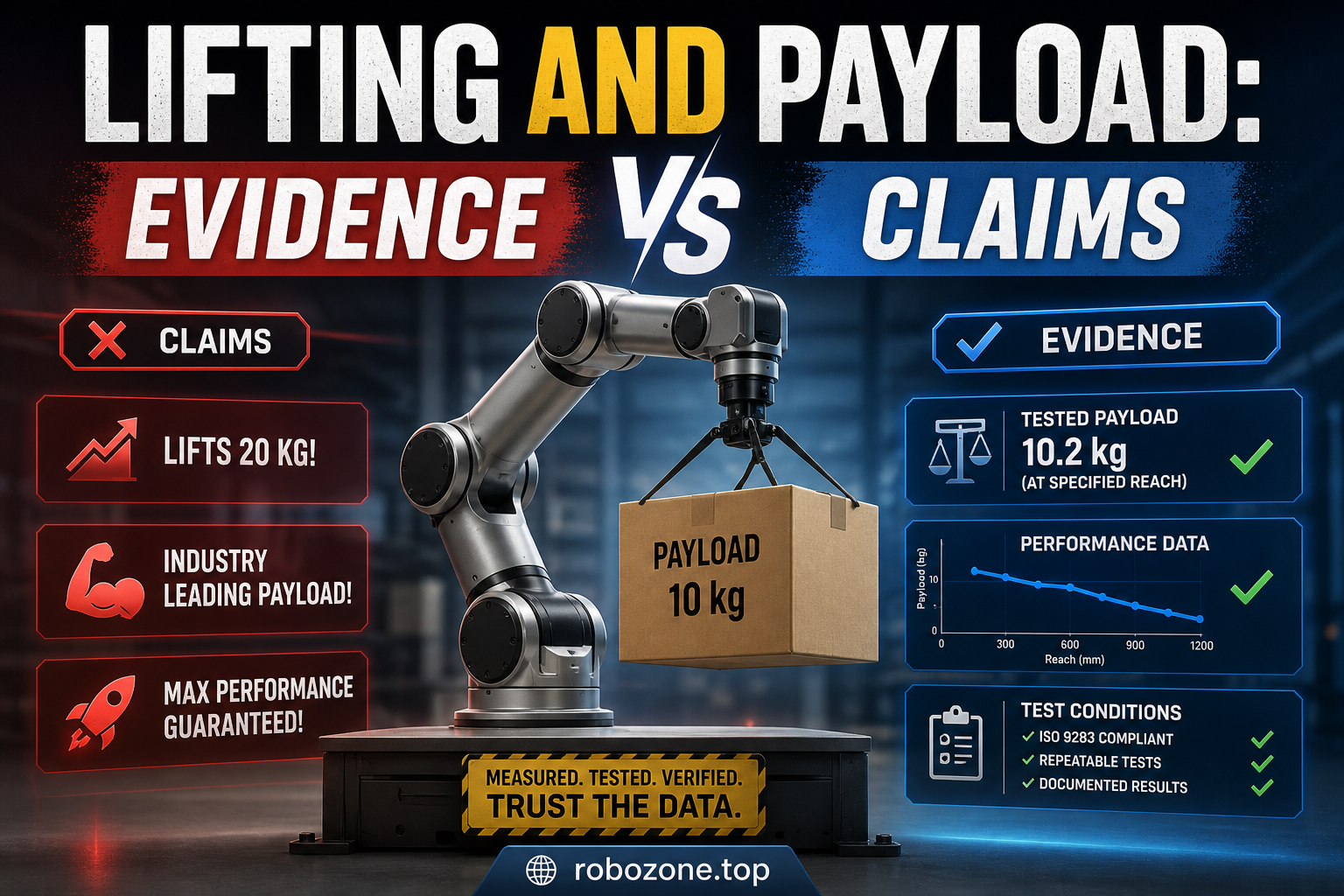
Now, where does all this leave the rubber meeting the road—or, more fittingly, the Phoenix lifting the load? Sanctuary AI has made a suite of claims about Phoenix, particularly around its weightlifting capabilities. They boast that Phoenix can utilize its dexterity and strength to handle payloads upwards of 50 pounds without compromising stability or safety.
However, in a comparative analysis by the World Economic Forum, it appears that these claims, while impressive, challenge the limits of robotics today. Though Seahorn et al.’s study supports the feasibility under controlled conditions, scalability and consistency in diverse environments remain open-ended questions. These debates are what make the realm of robotics both fascinating and fraught with skepticism.
Challenges on the Horizon
Despite these leaps, the Sanctuary AI Phoenix isn’t without its Achilles’ heels. Critics and proponents alike acknowledge the difficulty in transitioning these technologies from controlled to real-life chaotic environments. Whether it’s handling unexpected obstacles or dynamically shifting from tactile tasks to forceful actions, challenges abound.
Security, too, becomes more than a mere checkbox on a cybersecurity audit. With machines as dynamically capable as Phoenix, safeguarding against malfunctions or potential misuses is paramount. This latter point keeps many seasoned tech thinkers, including seasoned administrators like Thomas Huynh, on their toes.
Gazing into the Crystal Ball: Future Trajectories
Standing here in 2026, we peer into the horizon and see a landscape densely populated with digital and mechanical entities. The next 12 to 24 months may see the Phoenix venture further into unexplored territories within autonomous logistics using blockchain-based data security techniques.
Long-term forecasts, like those from the International Federation of Robotics, predict a hybridized work environment where humans and robots co-engineer roles, driven by AI advancements and improved human-machine interfaces. Developers should stay abreast of these technological tides, as the future will not only demand technical know-how but strategic foresight.
Where Do We Stand?
So where does this leave us with the Sanctuary AI Phoenix? Are we looking at the dawn of a new way of interacting with technology, or is this merely one of many steps towards a more integrated human-robot society?
What remains vivid is the growing importance of adopting technology that’s safe, efficient, and ethically harnessed. Investments into research and collaborative dialogue among companies, governments, and educational institutes are more crucial than ever. The bets on robotics as a sector are huge; the stakes higher. As Thomas Huynh might muse, “Well, I’d say we all better hang on tight—it’s going to be quite the ride.”
Thomas Huynh – Admin of RoboZone.top
References & Further Reading:
MIT Technology Review
IEEE Spectrum
McKinsey & Company
Stanford AI Lab
Harvard Business Revieư
NVIDIA research
International Federation of Robotics
World Economic Forum
– – – – – – – – – – – – – – – –
“If you found my post: Sanctuary AI Phoenix Under the Microscope: Lifting & payload — Evidence, Benchmarks and What Comes Next helpful, consider checking out the product links below. It helps support the channel at no extra cost to you!”
Order HIWONDER Humanoid Robot