Understanding the Kepler Forerunner K2
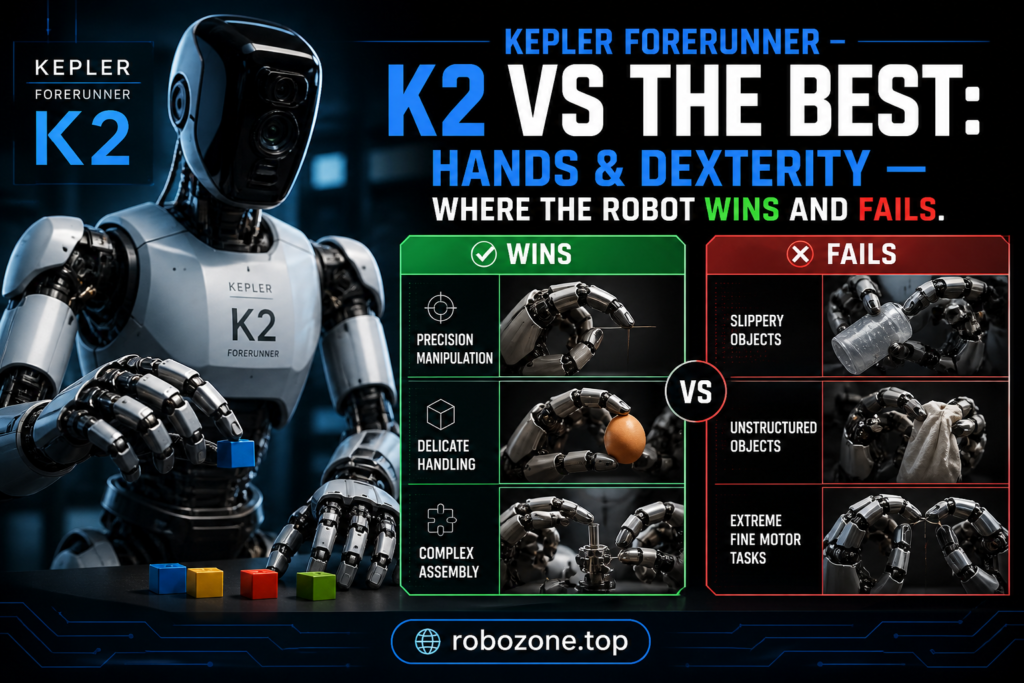
The Kepler Forerunner K2 stands at the forefront of robotic dexterity with its advanced hand and grip mechanics. But what sets it apart? The core of this marvel lies in its mimicry of human hand articulation, allowing it to achieve a range of motion and tactile sensitivity that rivals even the most adept human operators. Suppose you’re conjuring an image of an orchestra conductor’s deft hand movements — that’s the level of precision we’re talking about.
Engineered by a team that includes veteran minds from various high-caliber institutions, the K2 stands on the shoulders of breakthroughs in contemporary AI and machine learning. It integrates a suite of sensors that capture and process environmental data in real-time, allowing for incredibly adaptive responses to complex scenarios. This makes it not just a tool but a versatile partner in myriad tasks — from assembling delicate components in aerospace to offering supportive roles in personal healthcare.
Robotic Hands Across Industries
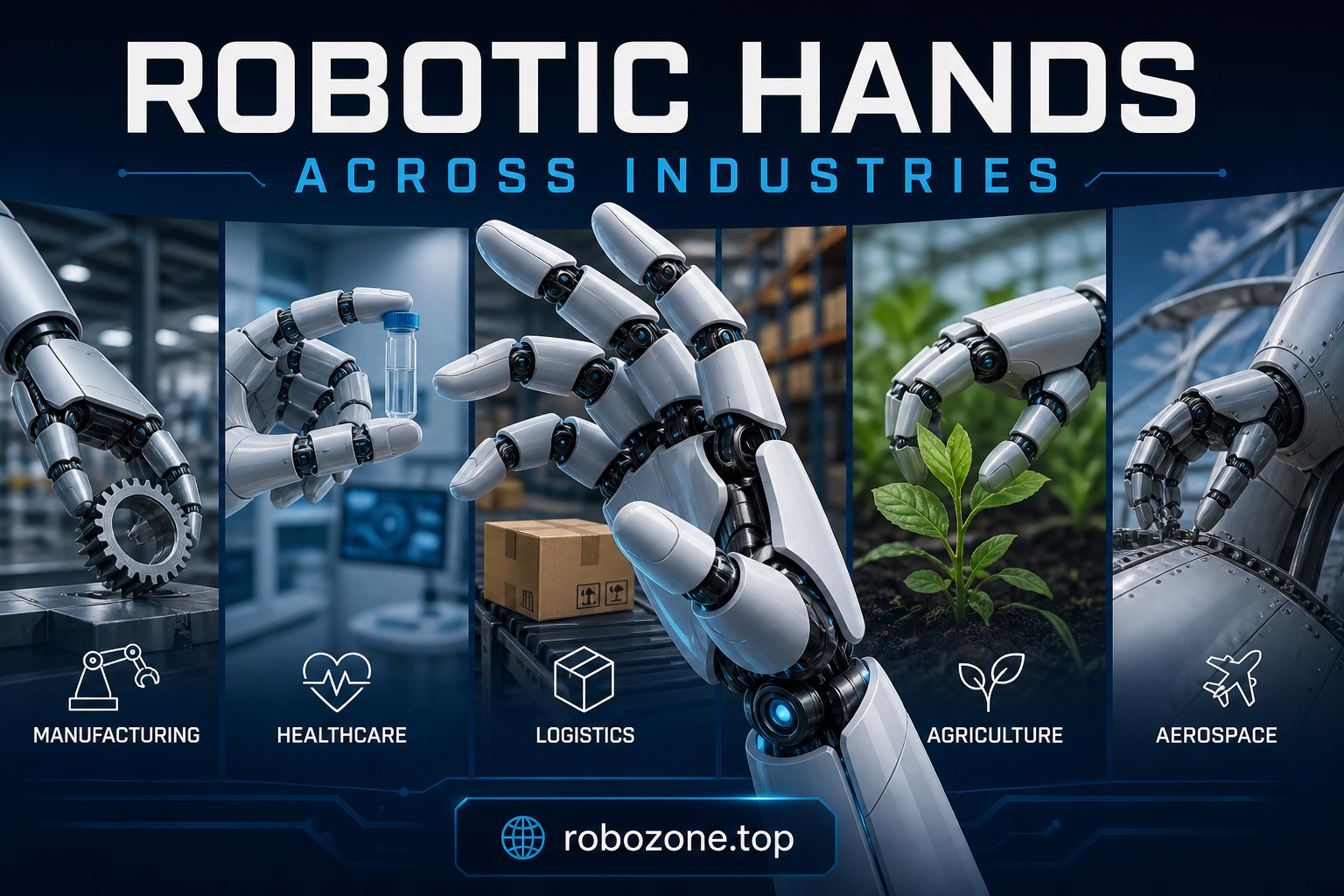
Real-world applications of the K2 span several industries, heralding a new age of operational efficiency and effectiveness. In the realm of industrial automation, the K2 brings to life the vision of workforce augmentation rather than replacement. Imagine a seamless collaboration in a smart factory where both human and robot work side-by-side creating the next generation of consumer electronics — here is where the K2 shines with its blend of technological prowess and intuitive functionality.
Advance to the medical field, and the capabilities of robotic dexterity become even more crucial. Robots like the K2 are being employed for surgeries where precision is paramount. However, it is in rehabilitation therapies where the adjunct possibilities of AI and robotics merge beautifully. Patients receive customized assistance that responds dynamically to their rehabilitation needs, tracking progress and adapting the level of physical assistance in real-time.
Technical Insights: What Powers the K2
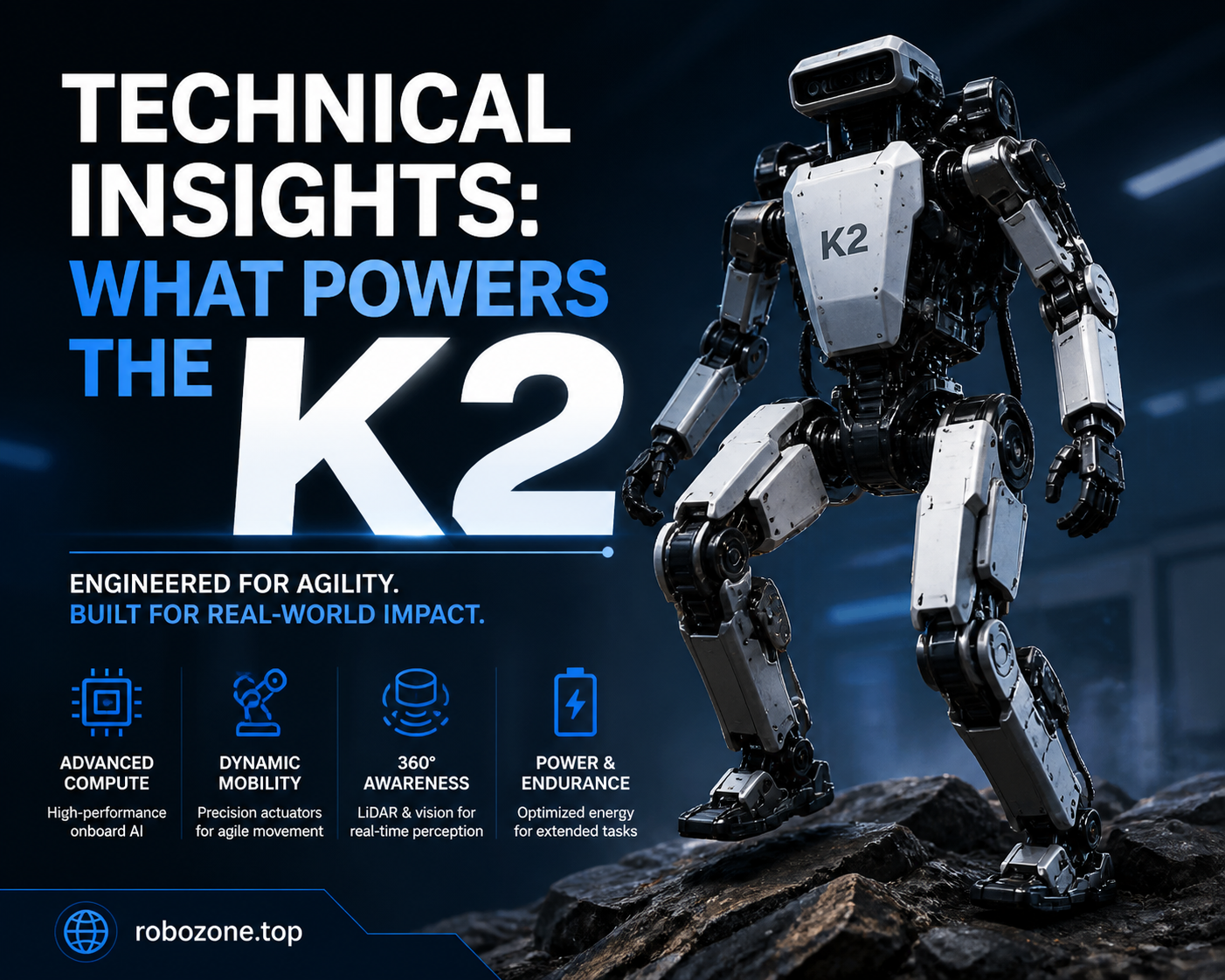
The backbone of the K2’s prowess is steeped in innovative robotics systems and AI models. Its underlying structure is fortified with a series of chips, most notably the cutting-edge NVIDIA Jetson platforms that provide the raw computational power required for seamless AI processing. Data gathered from a myriad of sensors is continuously processed to provide the K2 with a comprehensive understanding of its environment.
Dr. Thomas Huynh often notes, ‘It’s like giving a robot not just eyes but a mind to truly see and understand.’ At the heart of this technology lies sophisticated deep learning algorithms facilitated by neural networks that enable the K2 to learn hand movements through observation and practice, resulting in a level of dexterity not seen before.
A Market Poised for Transformation
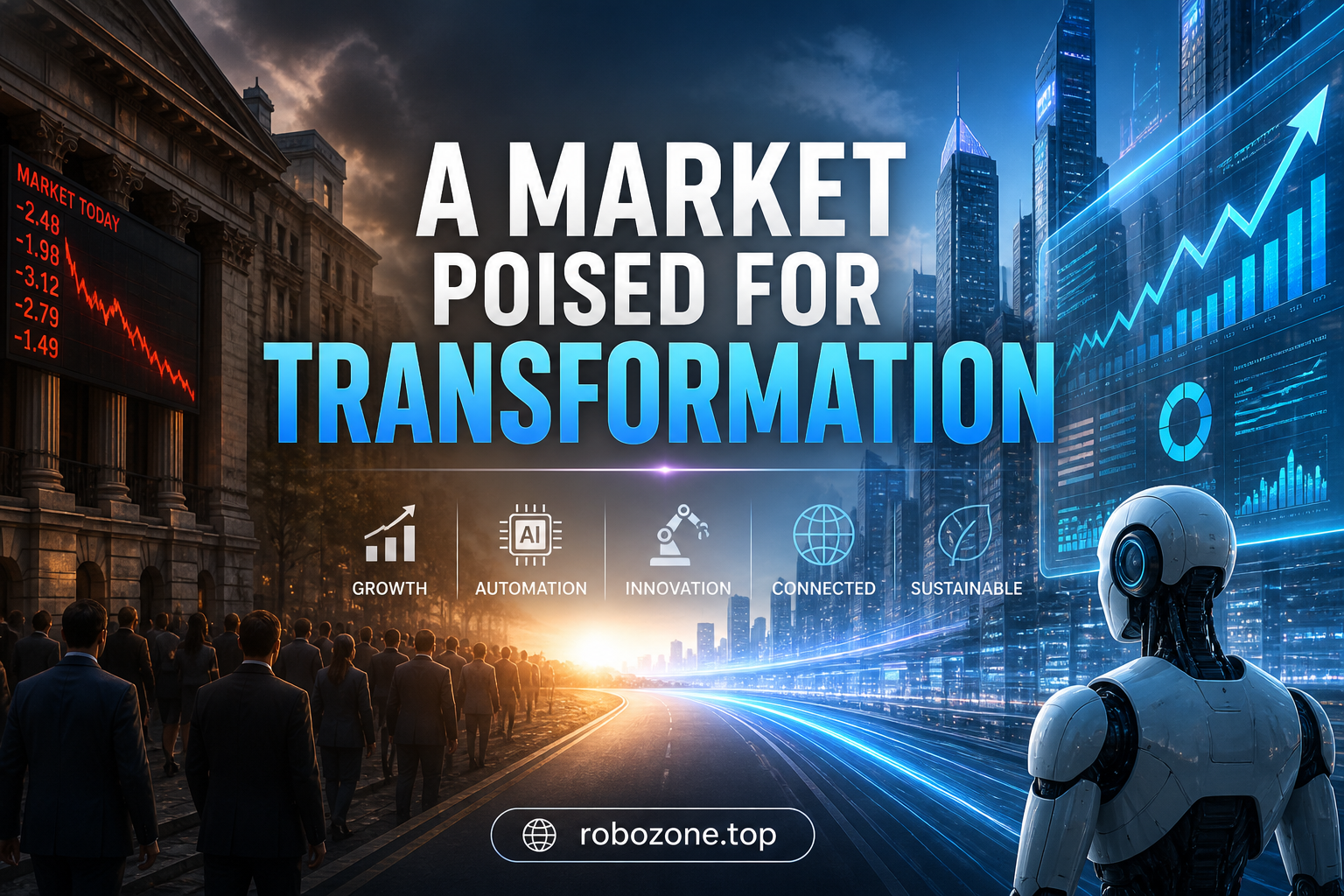
As observed by recent reports from the International Federation of Robotics and McKinsey & Company, the market for robotic dexterity tools is poised for unprecedented growth. Current estimates suggest an annual growth rate exceeding 20% over the next few years. Companies are investing heavily in research and development to capitalize on these advancements, with industries from logistics to customer service eager to deploy robotics as a complement to human activity.
This economic upsurge presents a double-edged sword. On the one hand, the promise of increased efficiency and lower operational costs is too appealing to ignore. On the other hand, it necessitates a robust framework to manage the transition of human labor roles and ensure ethical deployment of robotic technology.
Where the Kepler K2 Stumbles
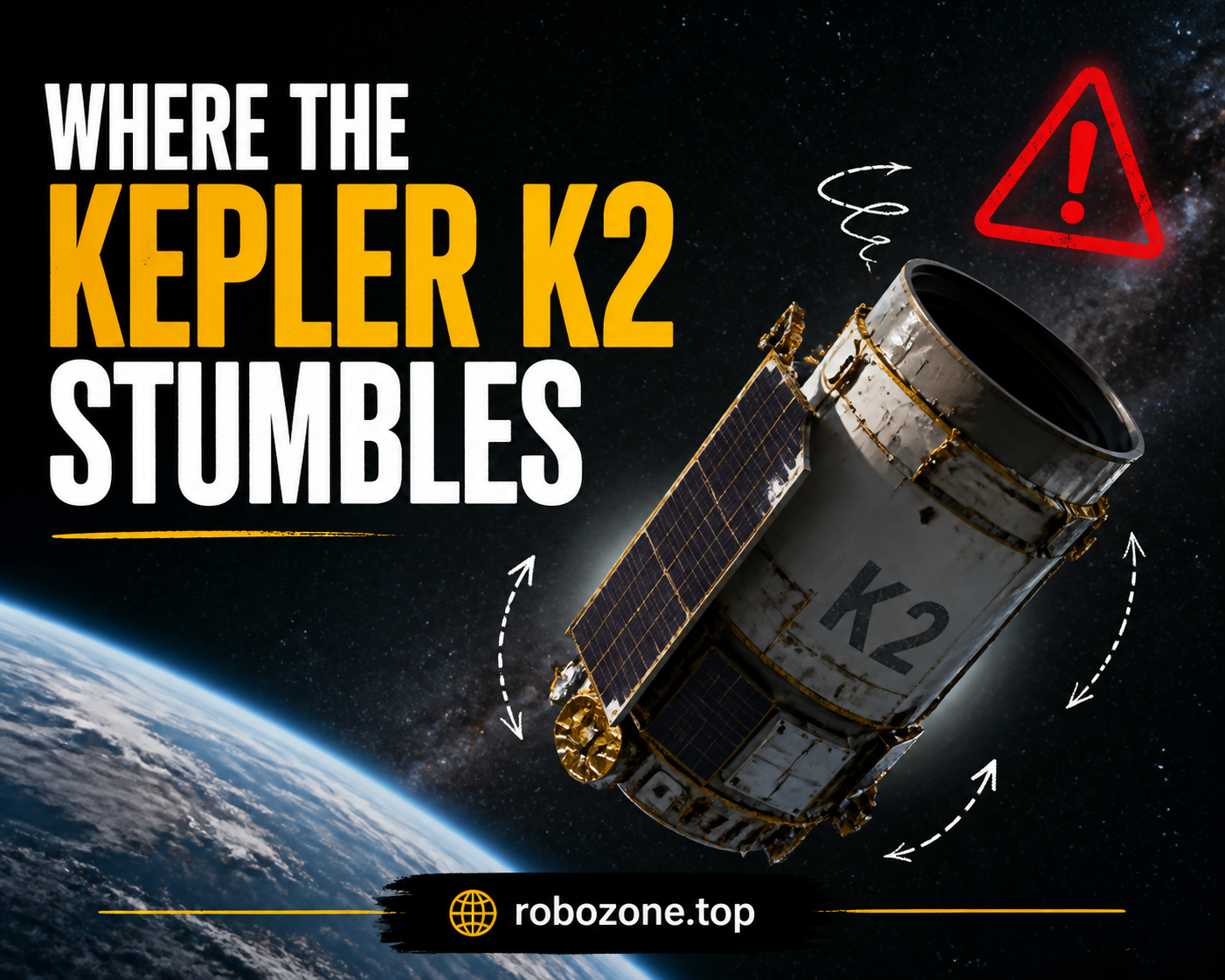
Despite its cutting-edge design, the Kepler Forerunner K2, like any pioneering technology, faces its share of challenges. One ironic pitfall is its attempt to emulate a full range of human hand functions — something even the most sophisticated AI finds daunting. For example, tasks that require soft touches coupled with a strong grip, like cracking an egg (without a mess), underscore the difficulties in achieving true finesse.
Another major challenge lies in the consistency of performance in varied environmental conditions. While the K2 is stellar in controlled environments, its susceptibility to variables — like changes in weight distribution or unexpected physical interference — can affect its operational accuracy.
Gazing into the Future
As we look towards the horizon, it’s evident that the integration of AI with robotics will continue to push boundaries. Within the next five years, anticipate a deeper fusion between adaptability and intelligence in systems like the K2 as machine learning models evolve to assimilate unexpected patterns swiftly.
Pioneers in AI technology, including MIT’s AI lab and Google DeepMind, predict a future where these robots will handle complex decision-making in unpredictable environments with as much ease as responding to a pre-designed command. This ushers in a world where robots learn much like humans; through experience, trial, and error.
Strategic Insights: Preparing for Tomorrow

For businesses and developers, the need to align strategically with the evolution of robotic dexterity is clear. Those who find ways to integrate these advanced robots effectively into their operations are likely to outpace competitors in the marketplace.
For developers, continuous alignment with AI research is paramount. Understanding the technical limitations and prospective enhancements is key to spearheading innovations that bring greater value to end-users.
As for users? Knowing how to leverage these tools to complement human efforts will redefine productivity, and possibly open avenues for entirely new kinds of work previously deemed unachievable.
So where does this leave us in our understanding of hands and dexterity in robotics? At a crossroads, teeming with potential and cautionary tales. As the Kepler Forerunner K2 continues to drive the conversation around what’s achievable with robotic hands, the compelling narrative of where robots win and fail unfolds. It’s a story that will redefine how we perceive the future of collaboration between man and machine. Until then, it’s an exciting frontier, shared not just by engineers and technologists, but by all of us.
Thomas Huynh – Admin of RoboZone.top
References & Further Reading
- MIT Technology Review — https://www.technologyreview.com/
- IEEE Spectrum — https://spectrum.ieee.org/
- McKinsey & Company — https://www.mckinsey.com/
- Stanford AI Lab — https://ai.stanford.edu/
- NVIDIA research / blogs — https://blogs.nvidia.com/