Understanding the Kepler Forerunner
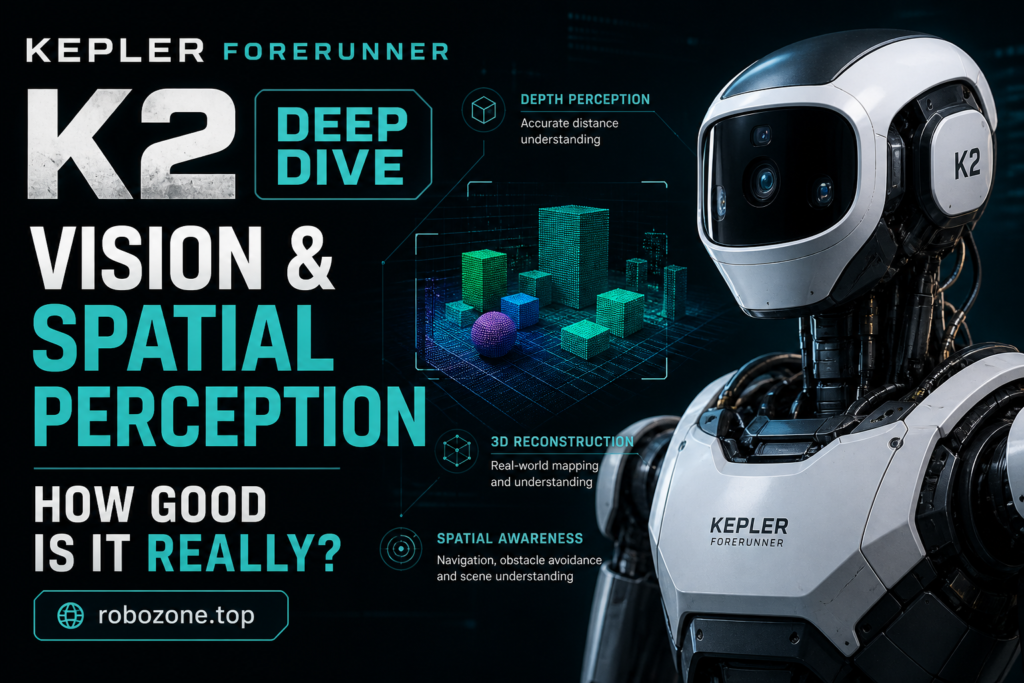
At its core, the Kepler Forerunner K2 is a marvel of modern robotics, meticulously crafted to understand and interact with the world. This sophisticated piece of technology is designed to perceive its surroundings with a complexity that echoes human sight. By utilizing a combination of cutting-edge sensors and neural models, the K2 is engineered to analyze environments and make split-second decisions, much like a skilled pilot guiding a jet through turbulent skies.
What sets the Kepler Forerunner apart is its integration of stereoscopic cameras and depth sensors. These components work in harmony to construct a three-dimensional map of the robot’s immediate vicinity, processing data with remarkable precision. To put it in simpler terms, imagine wearing virtual reality goggles that not only depict the world as is but enhance your perception with more context and detail. This is the world seen through the lens of the K2.
Real-World Applications
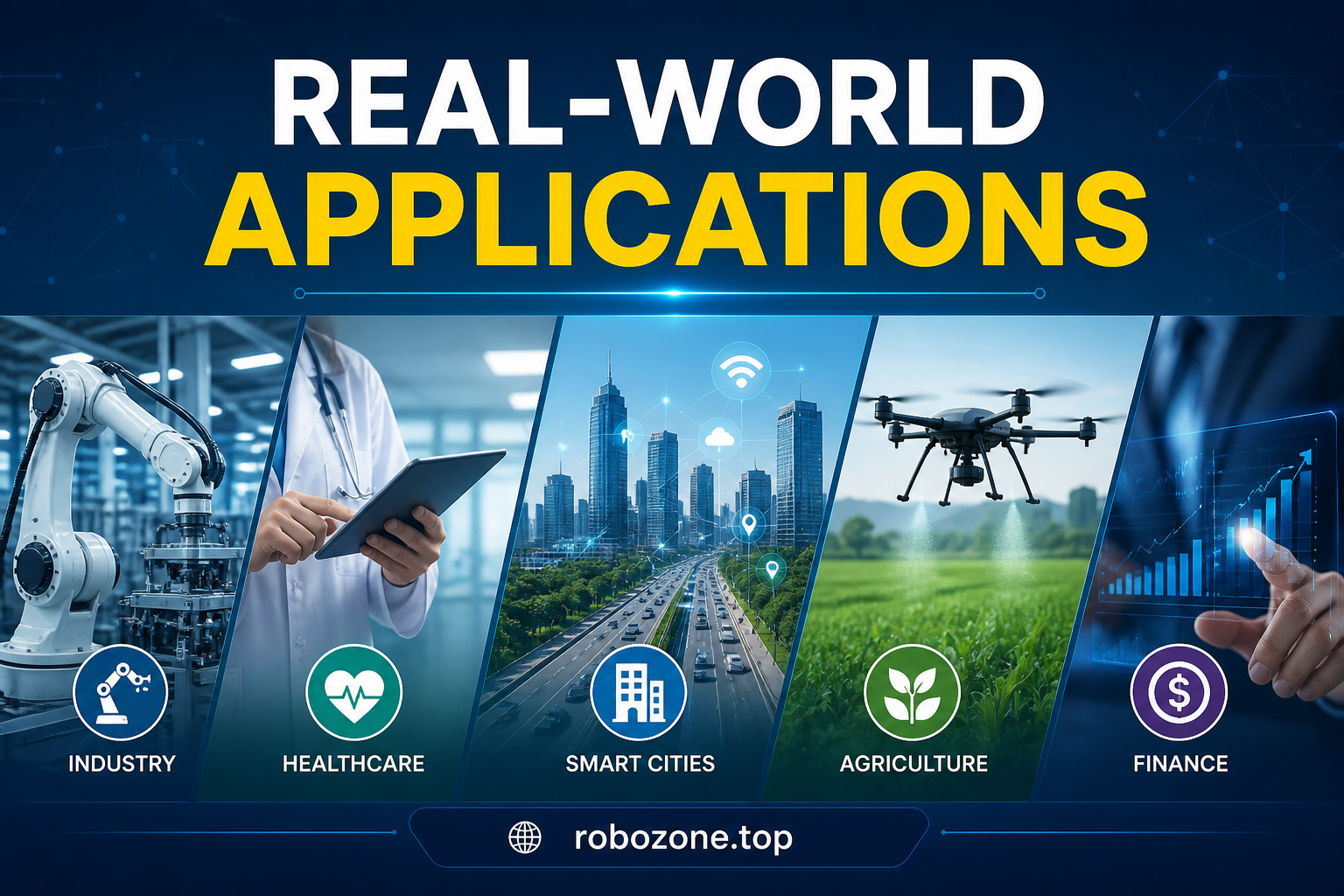
The capabilities of the Kepler Forerunner’s vision aren’t just confined to laboratories or exhibition floors. They venture well into our everyday lives, blurring the line between science fiction and mundane reality. In China, where technology adoption rates soar, the K2 is poised to redefine various sectors from healthcare to manufacturing.
Consider its application in the industrial sector, where it assists factory operations with flawless precision. Robots equipped with the K2 system could undertake complex assembly tasks by monitoring components down to the micrometer — a feat that outstrips human capabilities. The healthcare industry is another frontier, as K2-enabled robots could potentially undertake delicate surgeries, leveraging their superior spatial perception to avoid errors that human hands might typically make.
Technical Insights: The Heart of K2
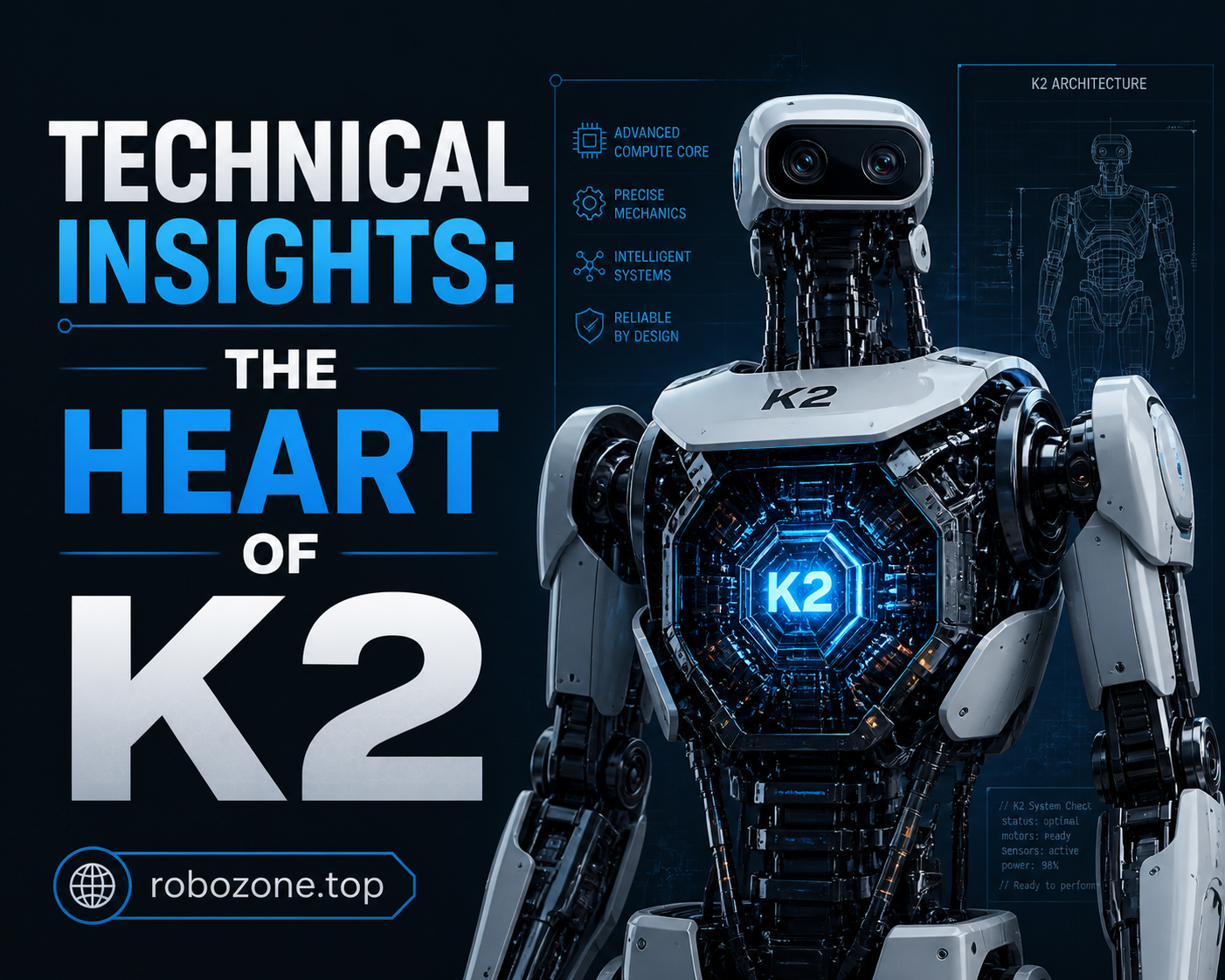
Diving into the technical fabric of the Kepler Forerunner reveals an intricate tapestry of artificial intelligence and robotics systems. At the core of K2’s vision lies the integration of machine learning models that interpret data in real-time. Using neural networks akin to those developed at places like the Stanford AI Lab, the K2 learns and improves with every interaction.
The processing power behind this is equally impressive. The K2 is powered by NVIDIA’s latest chips, designed to handle immense volumes of data at blistering speeds. This gives the robot an edge, allowing it to process complex visual scenes faster than the blink of an eye. And all of this happens while maintaining minimal latency in decision-making processes — a critical factor when operating in dynamic environments.
Market Dynamics and Economic Impact

The keystrokes driving the future of robotics are not just technological but economic. The investment in technologies like the Kepler Forerunner is indicative of a broader market trend gravitating towards automation and artificial intelligence. According to reports from McKinsey & Company, the robotics industry is expected to grow exponentially, with the market potentially reaching trillions by the early 2030s.
This explosive growth isn’t just numbers on a spreadsheet — it’s reflective of a shift in the global economic engine. For nations like China, which are aggressively pushing for technological superiority, the economic implications are profound. Industry sectors incorporating K2 technology can reduce operational costs, increase efficiency, and even redefine job roles, leading to a transformative impact on employment and economic output.
Challenges and Limitations
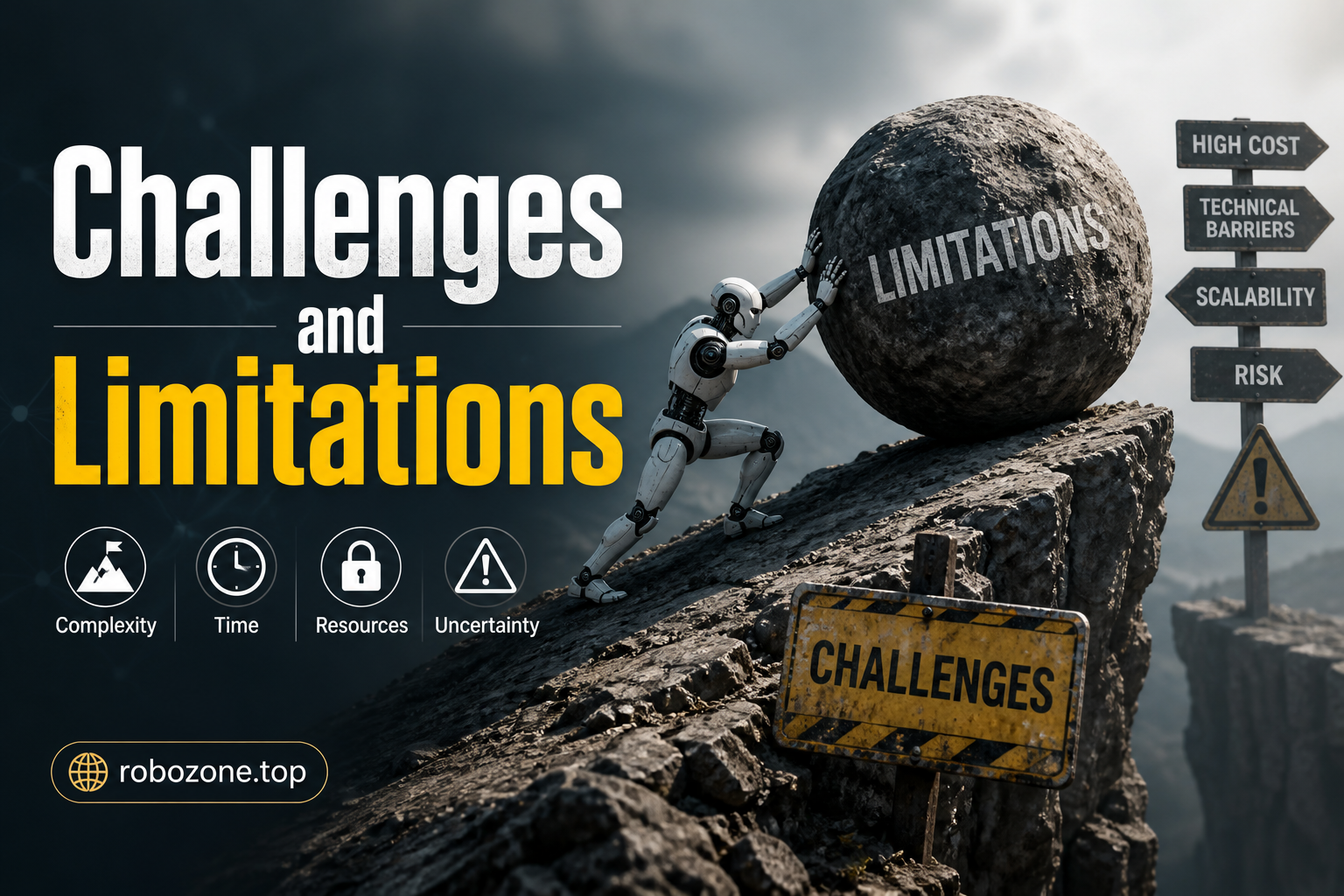
Yet, as with all technological advancements, there are shadows looming over the horizon. The Kepler Forerunner, despite its groundbreaking capabilities, is not without flaws. High complexity comes with high vulnerability to the unexpected.
Beyond the hardware reliability, the K2’s real-time processing capabilities face challenges in unpredictable environments. For instance, while the K2 may excel in controlled settings, introducing variables such as erratic human behavior or complex weather conditions might stump its predictive models. Furthermore, the high cost of implementation and maintenance may prevent widespread adoption in some regions.
Future Trajectories: The Road Ahead
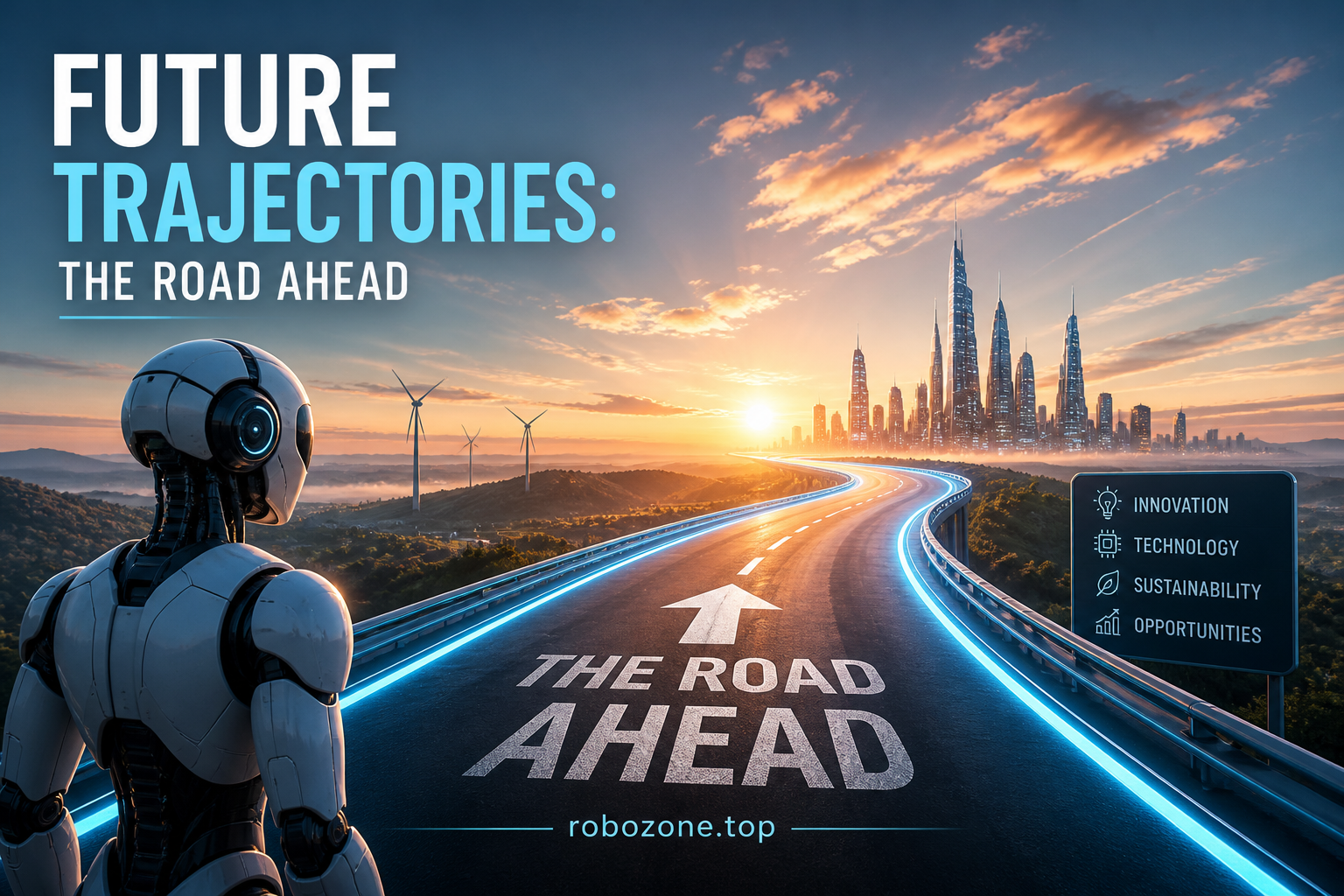
In contemplating the future, it’s clear the Kepler Forerunner K2 has set the bar high. Within the next three to five years, we can expect dramatic improvements in both hardware and software, with an increased focus on scaling and cost reduction.
There will likely be a push towards more seamless integration in consumer technologies, perhaps with K2 derivatives finding their way into personal assistants or even autonomous vehicles. The vision is clear — a world where precision robotics become as ubiquitous as smartphones.
Strategic Insights: Preparing for a Robotic Future
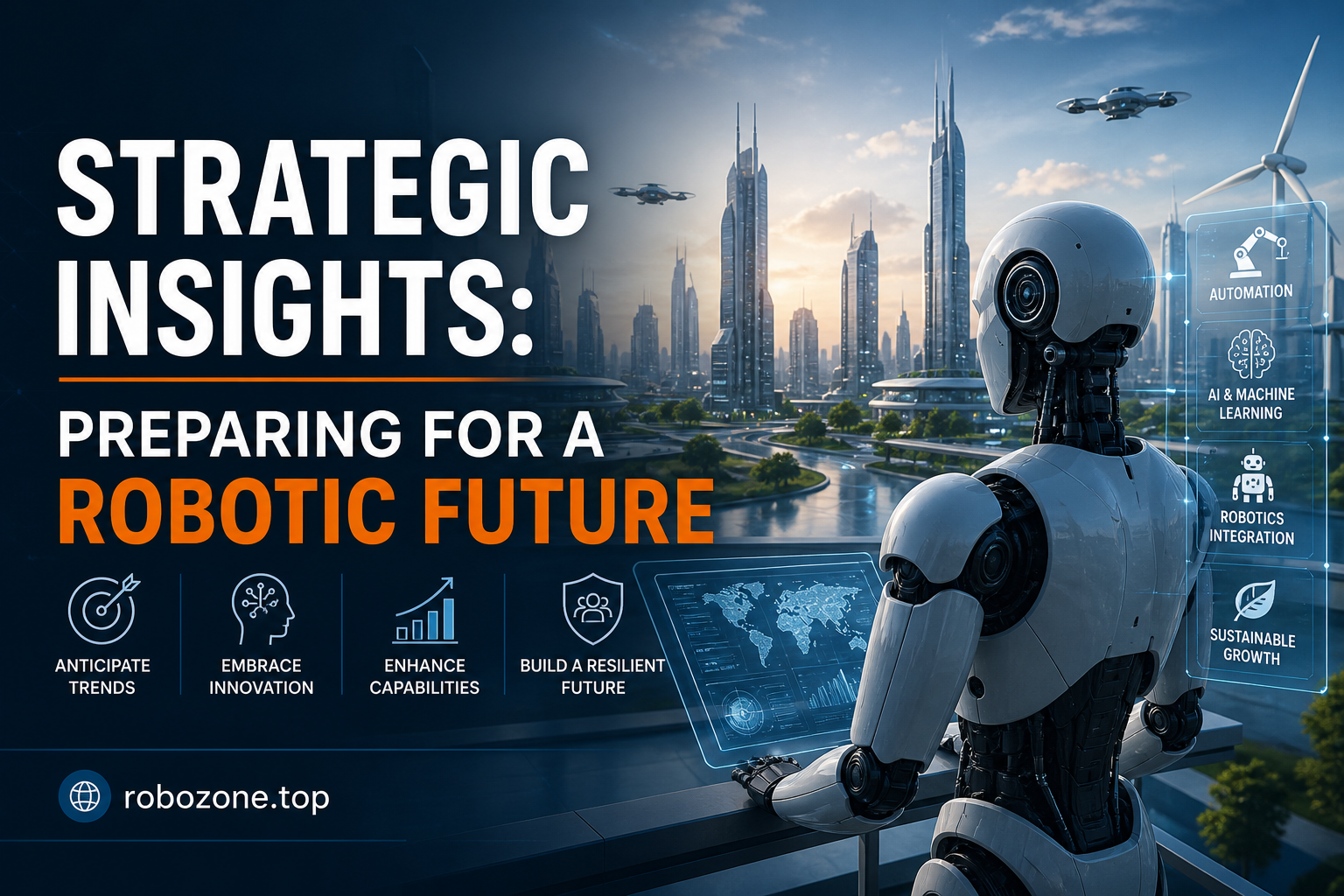
For businesses, developers, and everyday users, the emergence of robotics like the K2 denotes both an opportunity and a challenge. Entrepreneurs should prioritize ecosystems that will leverage this technology to its fullest, while developers should hone their skills in AI and machine learning to remain relevant.
Users, meanwhile, may need a shift in mindset — one that embraces technological partnership, understanding the potential for robotics to enhance rather than replace human capabilities. Thomas Huynh, in his insightful discussions, often mentions that ‘preparing for a future with robots is as much about understanding them as it is about embracing change.’
What should we really pay attention to? As robotics technology propels us into the future, the Kepler Forerunner stands as a beacon of what’s possible when innovation grips the imagination. The journey from here promises to be nothing short of transformative, with vision and spatial perception evolving at a pace once thought unreachable. For those poised at the edge of this technological revolution, the message is clear: the future is AI-driven, and it is one we must navigate with both caution and optimism.
Thomas Huynh – Admin of RoboZone.top
References & Further Reading: