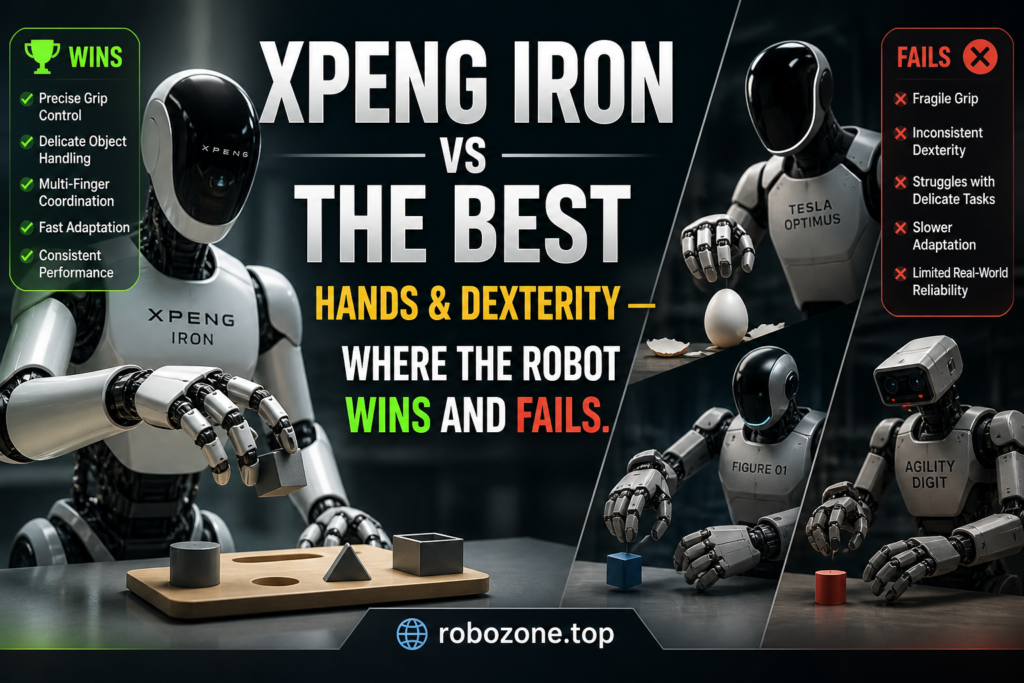
Understanding the Core Concept of XPeng Iron
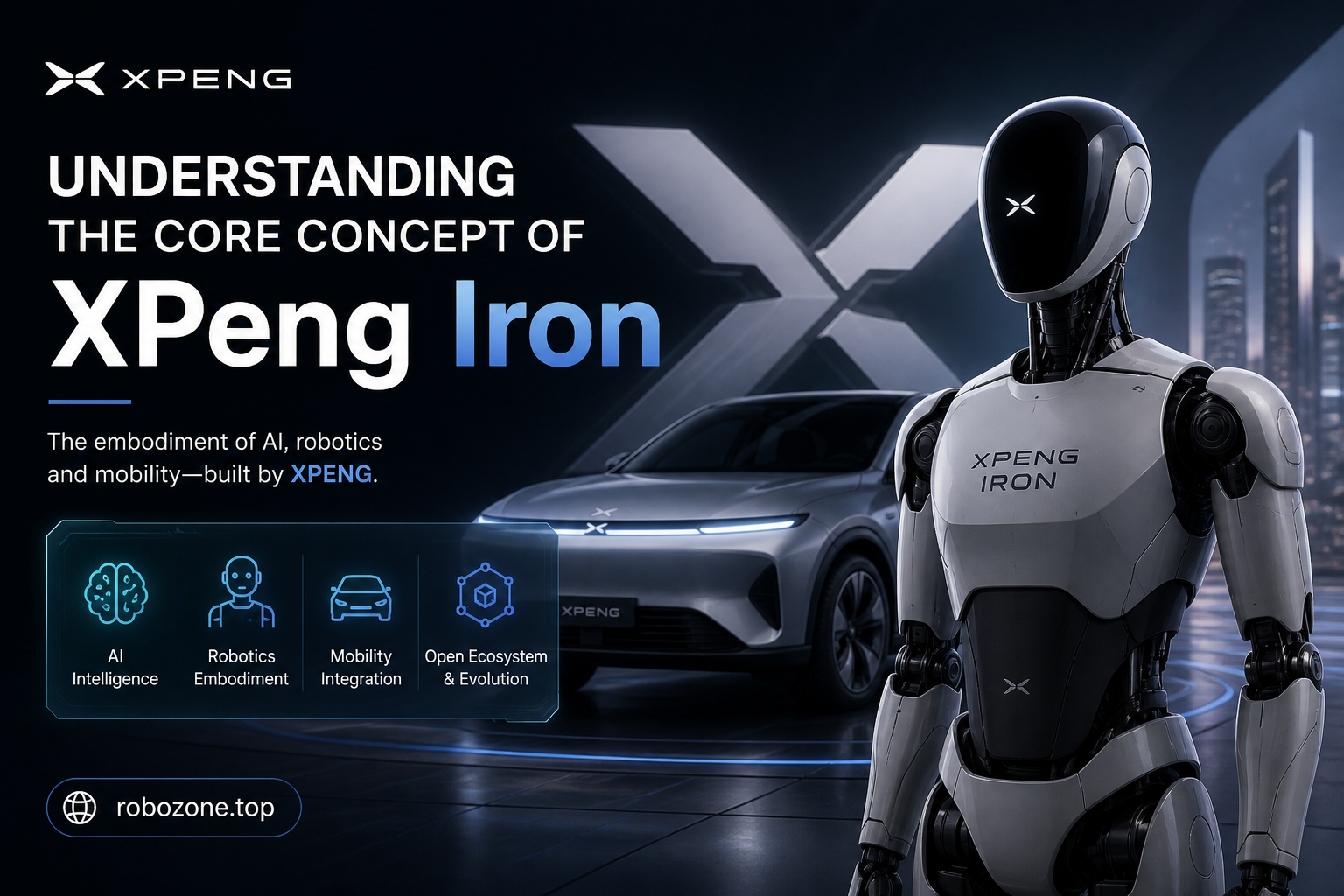
The XPeng Iron is not your conventional robot. It overcomes simple mechanics, employing advanced AI models to tackle tasks that demand the utmost in dexterity and precision. At first glance, one might liken XPeng Iron to a mechanical rendition of Michelangelo’s ‘David’, elegant and poised, designed to handle tasks with an artist’s touch. Here, automation meets artistry, utilizing state-of-the-art sensors and perception systems crafted by industry leaders such as NVIDIA to solve the longstanding ‘human hands’ quandary.
Boasting a dexterity previously witnessed only by human limbs, XPeng Iron stands as a testament to years of meticulous engineering and robotic design thought. The intricate algorithms guiding its hands are akin to a seasoned chess player anticipating moves and adjusting in real-time. Featuring AI models that adapt through machine learning, this robot propels the concept of dexterity beyond static programs and into the realm of adaptive behavior and contextual operation.
XPeng Iron in the Real World — Applications Across Various Industries
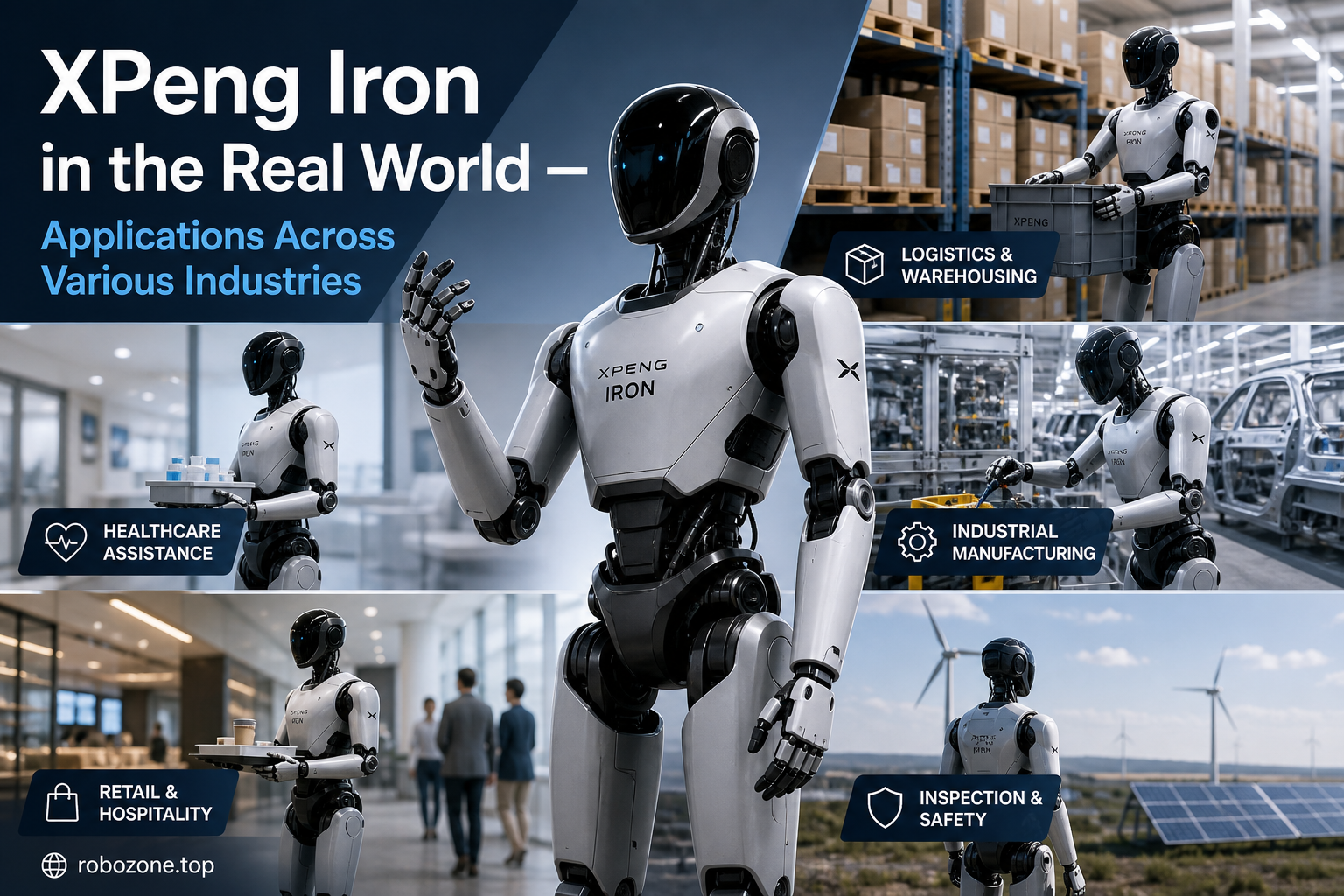
Put simply, XPeng Iron is shaking up sectors far and wide. Whether it’s in your kitchen or on the assembly line, this robot is buttering its bread on both sides. Start with the home sector, where Iron’s dexterous hands can easily manage tasks from slicing vegetables to folding delicate garments. It’s the modern domestic assistant most of us can only dream about while wrangling unruly laundry piles!
In the industrial sphere, Iron outshines with precision assembly tasks that demand a gentle touch, such as electronics miniaturization. Here, XPeng flexes its artificial ‘muscles’, assembling intricate circuits with precision, minimizing human errors, and saving companies both time and resources.
Healthcare offers a glimpse at this robot’s potential to alter the very fabric of patient care. Imagine surgical settings where Iron’s hands assist with procedures requiring impeccable precision. While still mostly a concept on paper, envisioning a future where robots conduct parts of surgery is no longer a flight of fancy but a burgeoning reality.
Technical Insights — The Gears Behind the Dexterity
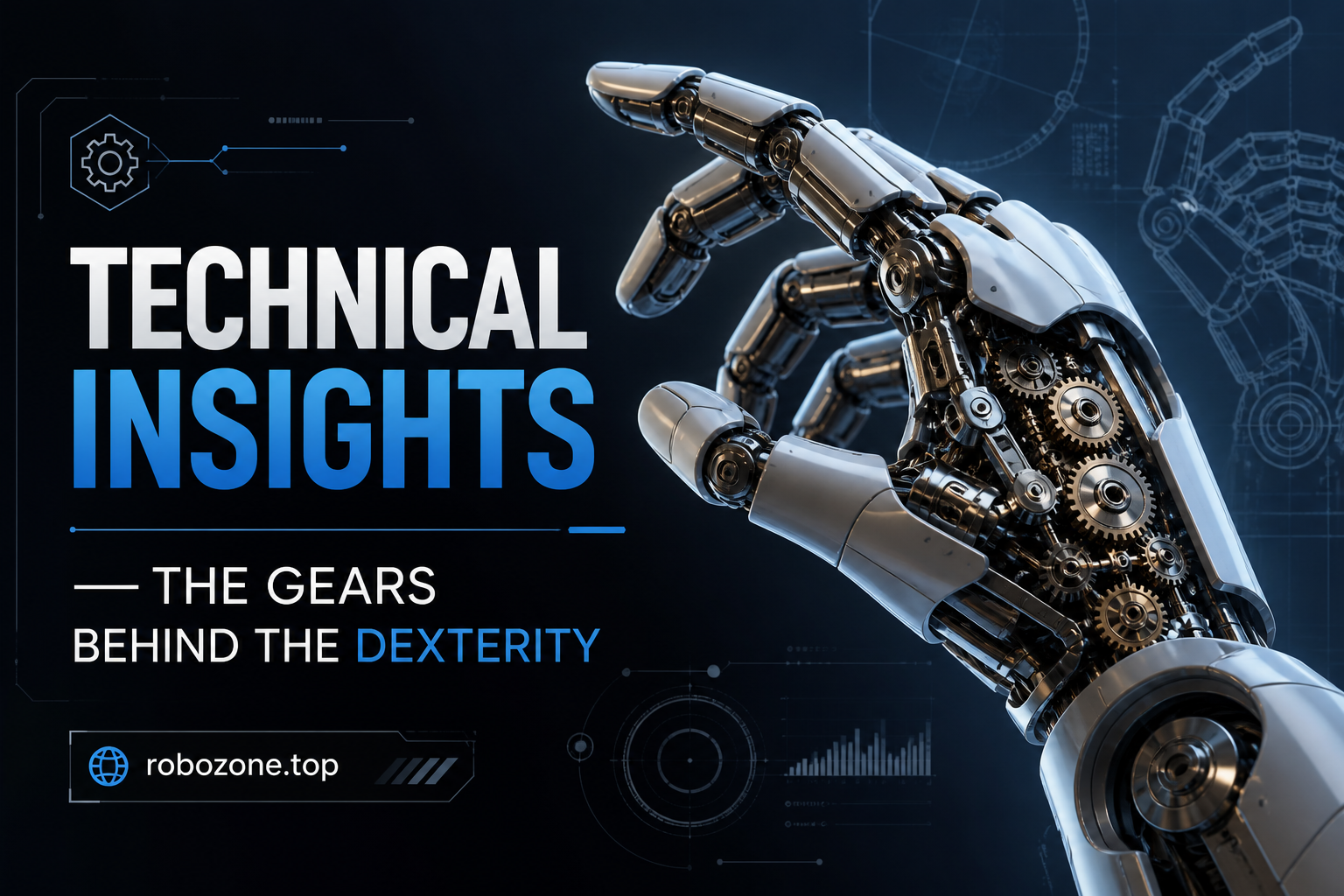
Peek under the hood of XPeng Iron and you’ll find a technological marvel. Starting with silicon giants like NVIDIA, chips power intelligent processing, facilitating quick decisions vital for mimicking human dexterity. Sensors provide XPeng with spatial awareness, not unlike a seasoned catcher gauging a spinning fastball; they measure pressure, spatial context, and motion with minute precision.
Additionally, these robotic hands come equipped with a robust network of actuators working in symphony, akin to a well-rehearsed orchestra delivering a flawless performance. The onboard AI models are finely tuned, drawing from vast and continually growing repositories of data (courtesy of learning algorithms) that adapt XPeng to both repeated and novel tasks. If this sounds like science fiction turned reality, that’s because: it is! XPeng’s robotic coordination has shifted from theory into practice, making it both an engineer’s dream and a competitive market staple.
Market Momentum — Growth, Investments, and Economic Impact
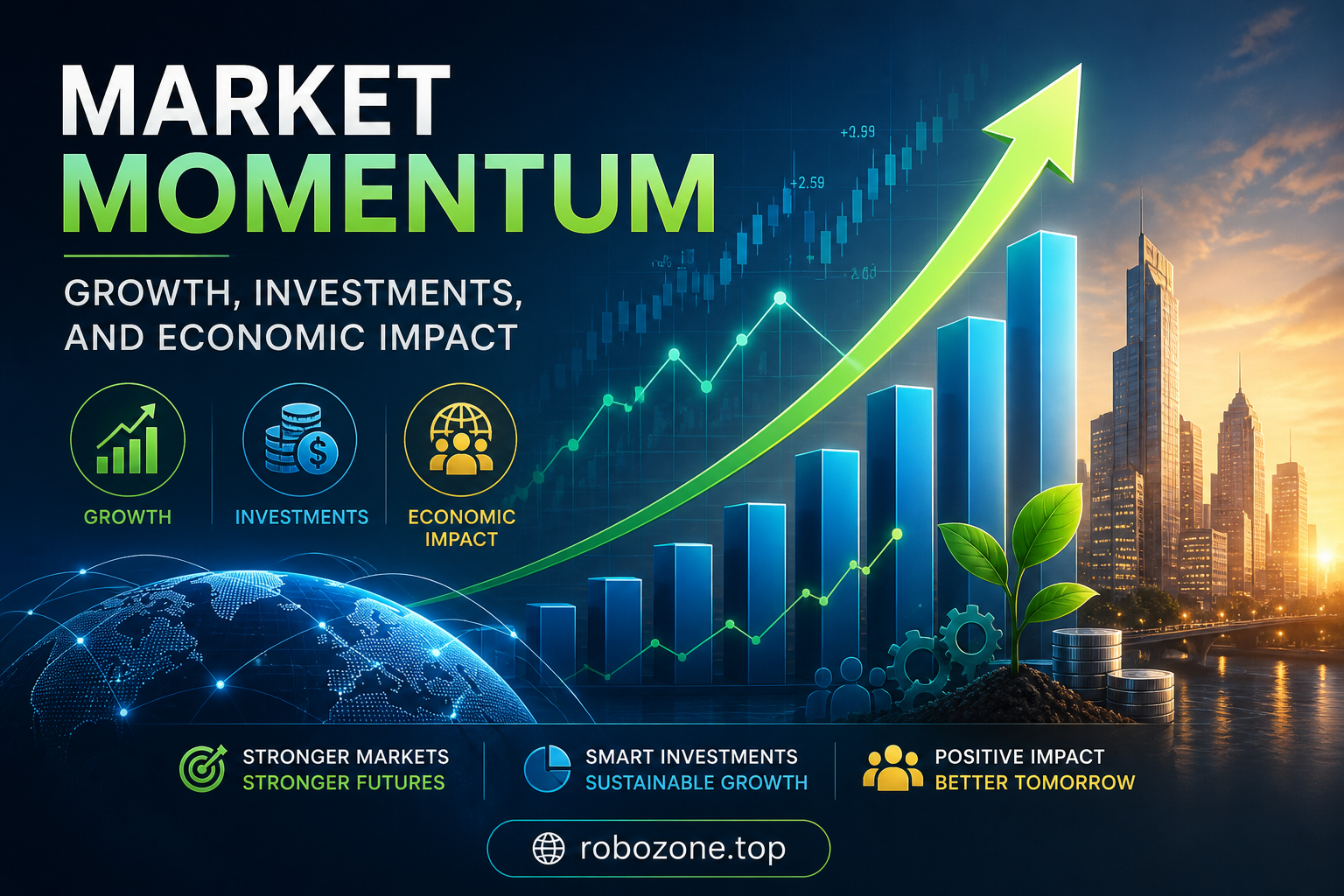
With robotics technology skyrocketing, XPeng Iron represents a new phase in robotics capitalism. Markets are shifting, and investments are flooding as companies recognize the sweeping efficiencies. Globally, robotics has blossomed into a multi-billion-dollar industry, a movement where XPeng Iron could potentially redefine productivity metrics.
Pioneering companies and investors turn to robotics with vision and capital, seeing XPeng Iron not just as a technological feat but a strategic asset. Data from 2025 suggests that robotics-centric sectors are poised for a 20 to 30 percent growth within this decade, according to reports from the International Federation of Robotics and corroborated by MIT Technology Review, attracting technology buffs and pragmatic entrepreneurs alike.
The Robot’s Limitation — Where XPeng Iron Still Faces Challenges
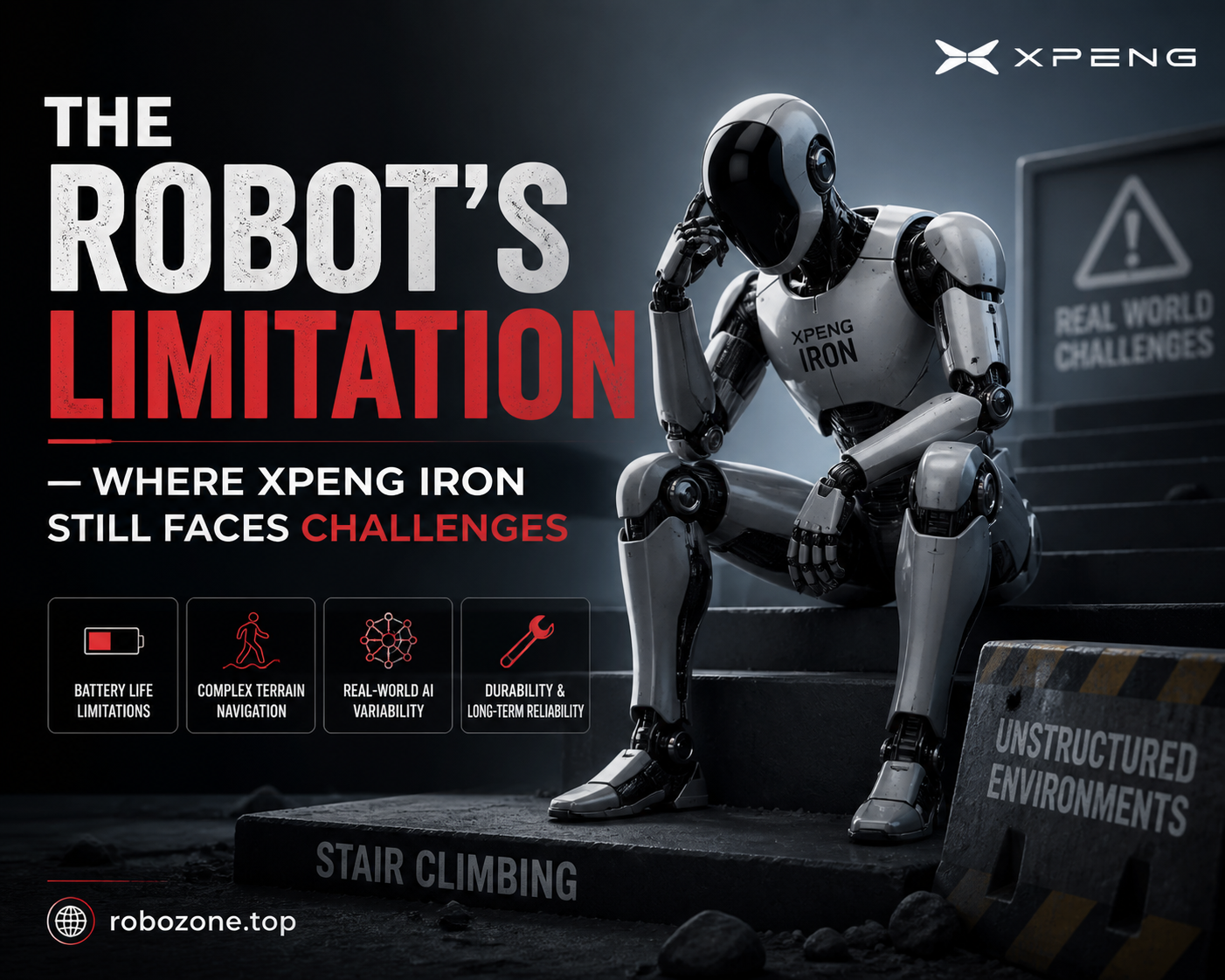
Yet with triumph, there is reality. Where XPeng’s Iron strives, it still stumbles. A peculiar paradox exists between ultimate power and dexterity precision. The sensor arrays and AI models are occasionally flummoxed by unanticipated quirks inherent in complex, chaotic environments like bustling kitchens or intricately-tensioned manufacturing lines.
Further, the delicate balance of dexterity often leads to sizeable development costs. Many budding entrepreneurs shudder at the prospect of scale and integration. Thomas Huynh might say the project is like dressing up an elephant in a tutu — there’s something conceptually beautiful about it, but the logistics are maddening!
The Road Ahead — Predictions and Prospects

Looking toward the horizon, one can only savor what lies ahead for XPeng Iron amidst other dexterous robotics contenders. As R&D costs eventually fall and adoption becomes wide-spread, both industry use and home applications might experience an extensive rise. Within 3 to 5 years, experts forecast that robots like XPeng Iron will transition from modern marvels to ‘essential clipboard holders’. And looking at a longer vision, the concepts drawn by these dexterous robots shall continue to defy our collective imaginations, much like the possibilities of robotic surgery today.
Strategic Insights for Stakeholders

So, what’s next for the shrewd investor or developer? Businesses contemplating a venture into robotic operations must equip themselves for rampant growth and ensure fluency in machine-human collaboration. Developers should capitalize on existing AI frameworks, driving the development cost-efficiency frontier, establishing compatibility across platforms, and keeping a keen eye on silicon technology trends led by firms like NVIDIA.
Meanwhile, consumers should prepare to integrate these robotics marvels into everyday life. Much like the arrival of the internet and smartphones that left prior generations wide-eyed, expect this trend to transit similarly — as robotic dexterity becomes seamlessly interwoven into facets conventionally held by ‘jobs for humans’. Thomas Huynh might add it’s the kind of evolution that will leave no industry untouched, from resting lunches to dynamic innovation disruptions.
So where does this leave us? As technological advances unfold, XPeng Iron stands as a flagbearer in the race for robotic mastery in hands and dexterity. While we are indeed witnessing extensive development, it is crucial to remember that these advancements come with challenges demanding precise navigation and strategic thinking. As XPeng Iron and similar competitors advance, stakeholders stand before a landscape full of promise and potential, ready to guide the next chapter of robotic innovation into unforeseeable yet fascinating terrains.
Thomas Huynh – Admin of RoboZone.top
References & Further Reading:
- MIT Technology Review — technologyreview.com
- IEEE Spectrum — spectrum.ieee.org
- McKinsey & Company — mckinsey.com
- Stanford AI Lab — ai.stanford.edu
- NVIDIA Research — research.nvidia.com
- International Federation of Robotics — ifr.org
- World Economic Forum — weforum.org