The Core Concept: Vision and Spatial Perception
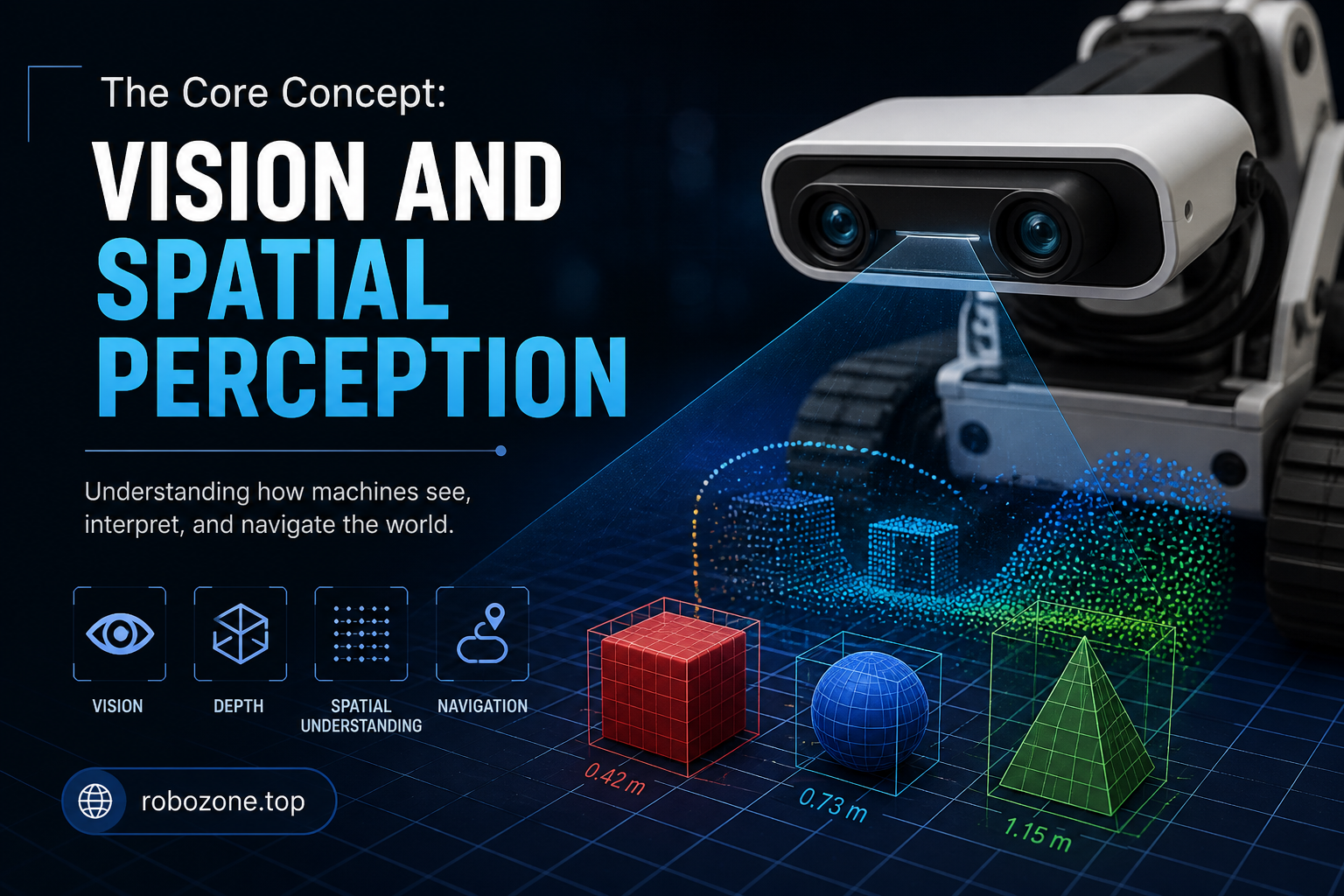
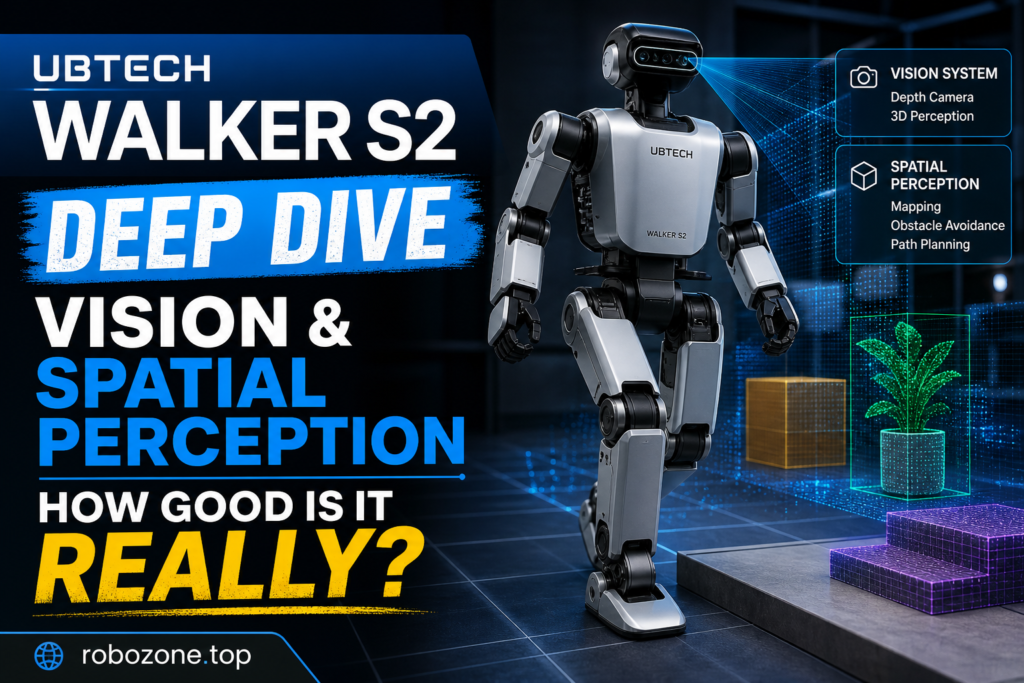
At its core, the UBTECH Walker S2 is a humanoid robot endowed with sophisticated vision and spatial perception abilities. It utilizes a combination of sensors, high-performance hardware, and cutting-edge AI models to perceive its environment and interact seamlessly. The robot’s ‘eyes’ consist of cameras and LiDAR systems that feed real-time data to neural networks, enabling the kind of spatial awareness us mere humans take for granted.
Imagine this: just like how a skilled chess player anticipates future moves, the Walker S2 anticipates the positioning and movement of objects around it. This capability allows it to navigate spaces as dynamically changing as a bustling household or a cluttered warehouse.
Real-World Applications Across Industries
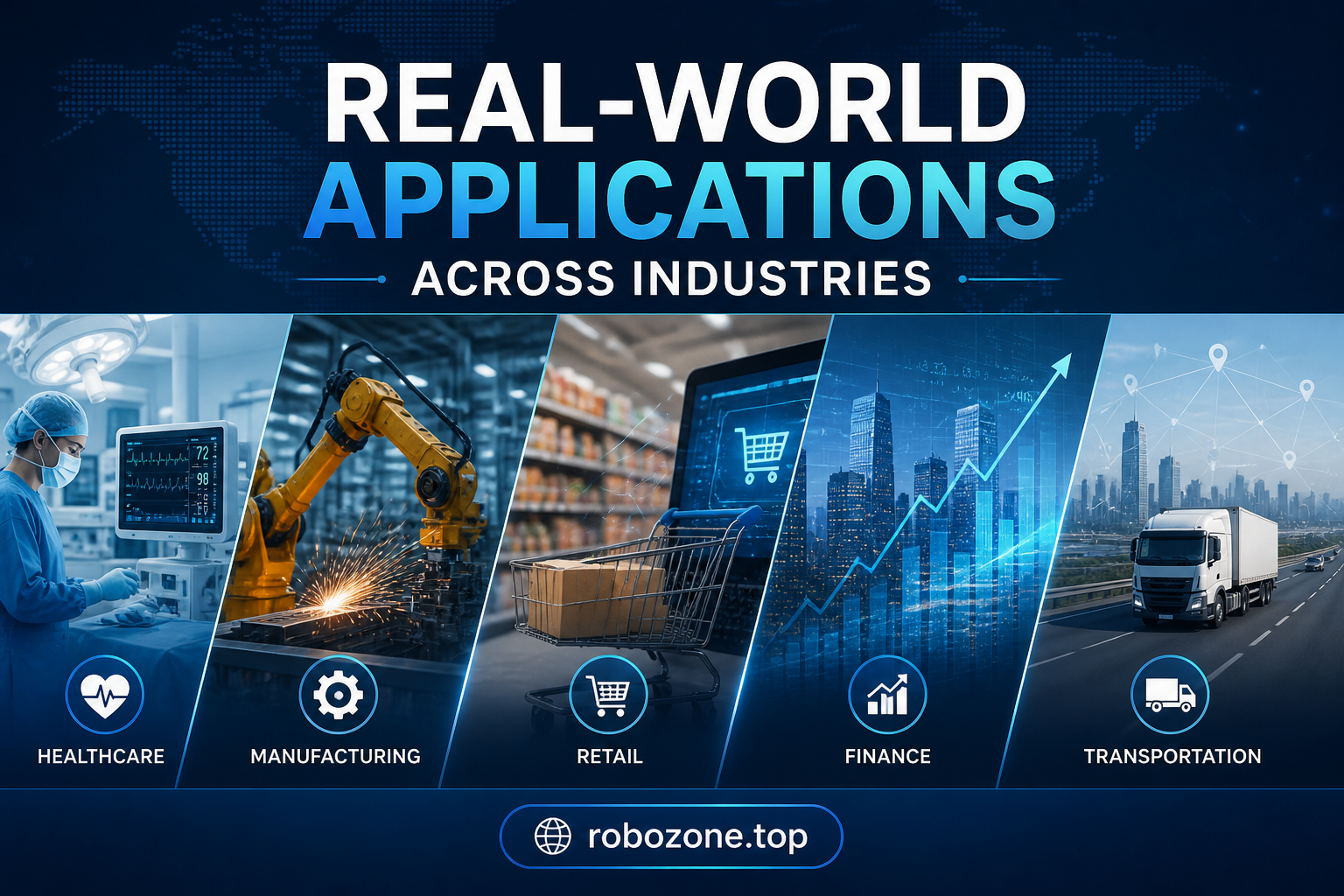
UBTECH has designed the Walker S2 to be versatile, with applications spanning various industries. In homes, the robot assists with daily chores, mimicking the kind of assistance one might get from a helpful neighbor. In industrial settings, it performs repetitive tasks, enhancing efficiency and safety by reducing human error. Walker S2 also has potential roles in healthcare, where it could offer support to older adults or patients requiring assistance with mobility.
In each of these scenarios, the Walker S2’s ability to perceive and interpret spatial data plays a crucial role. For instance, in a healthcare setting, avoiding obstacles while carrying out tasks ensures patient safety and comfort, echoing the kind of careful navigation you’d expect from a nurse wheeling equipment in a busy corridor.
Deep Dive into Technical Insights

Inside the Walker S2’s sleek exterior lies a veritable powerhouse of technology. At the heart of its vision system are camera arrays and 3D LiDAR sensors, which create a detailed map of the robot’s surroundings. NVIDIA chips process this data using convolutional neural networks (CNNs), allowing the robot to interpret depth, motion, and object classification with impressive accuracy.
Moreover, the control loop that manages these functions runs with millisecond precision. This tight integration between hardware and software is what grants the Walker S2 its nimble movements and reliable performance.
Market Analysis: Growth, Investments, and Economic Impact

The robotics market is poised for exponential growth, driven by advances in AI and sensor technology akin to those seen in the Walker S2. McKinsey & Company predicts that the robotics industry could reach over $200 billion by 2030, a testament to the vast economic potential of robots like Walker S2.
The real-world implications of such growth are immense, reshaping job landscapes, and creating new opportunities. Importantly, continued investment in robotics technology will likely spur further innovation, driving efficiencies that ripple across industries. As Thomas Huynh often notes, ‘we’re witnessing the dawn of a new era where robots complement human work in unprecedented ways.’
Challenges and Limitations of Current Technologies
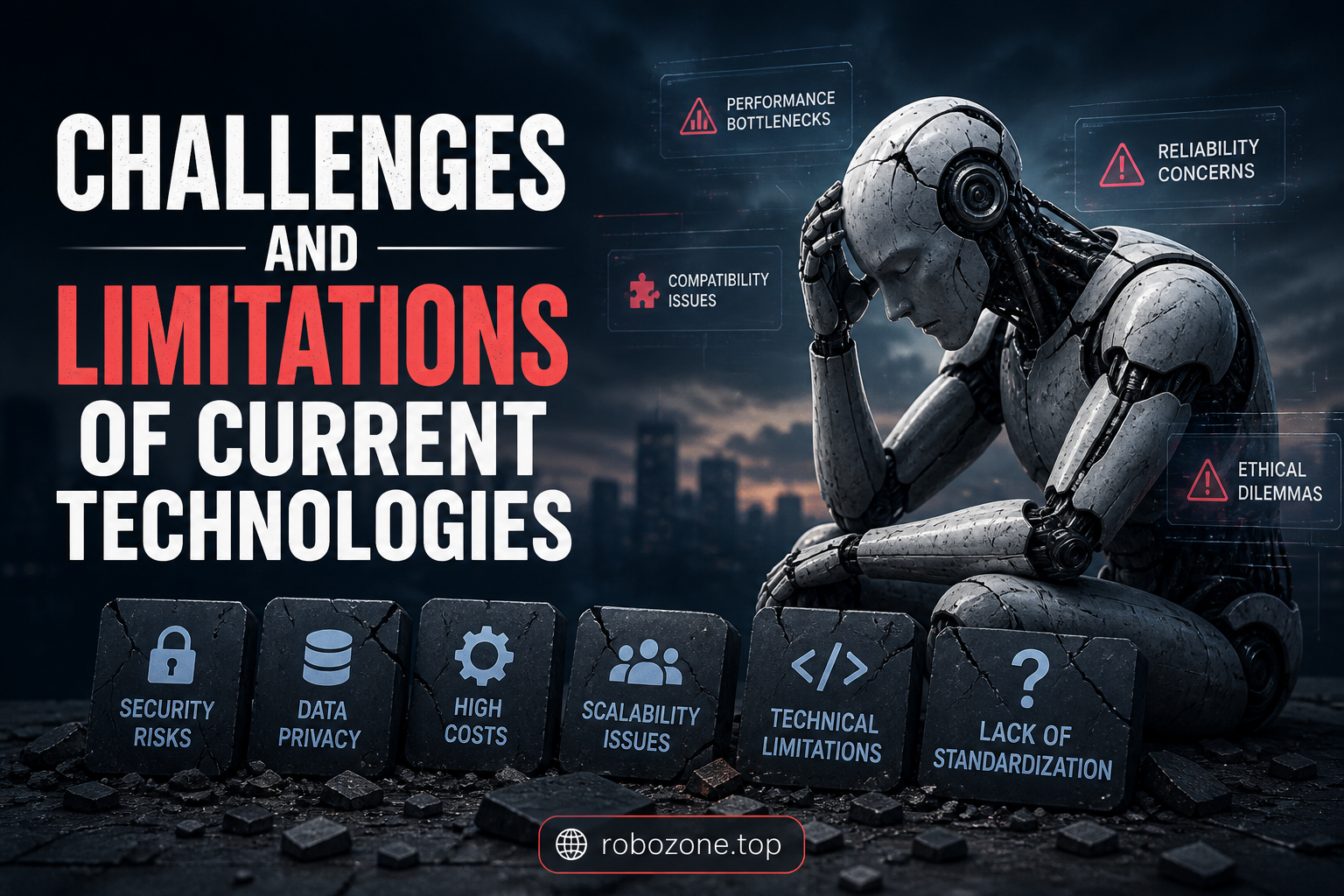
Despite its impressive capabilities, the Walker S2 is not without its limitations. The current technology still struggles with environments that present unique challenges, such as extreme weather conditions or highly unpredictable human behavior. The sensors, while advanced, have limitations in accuracy under certain lighting conditions or when faced with rapidly moving objects.
These challenges highlight the ongoing need for research and development. As experts at the Stanford AI Lab have pointed out, the key to overcoming these hurdles lies in refining the robot’s neural models to improve adaptability and resilience.
Future Predictions: A Glimpse at the Next 5 Years
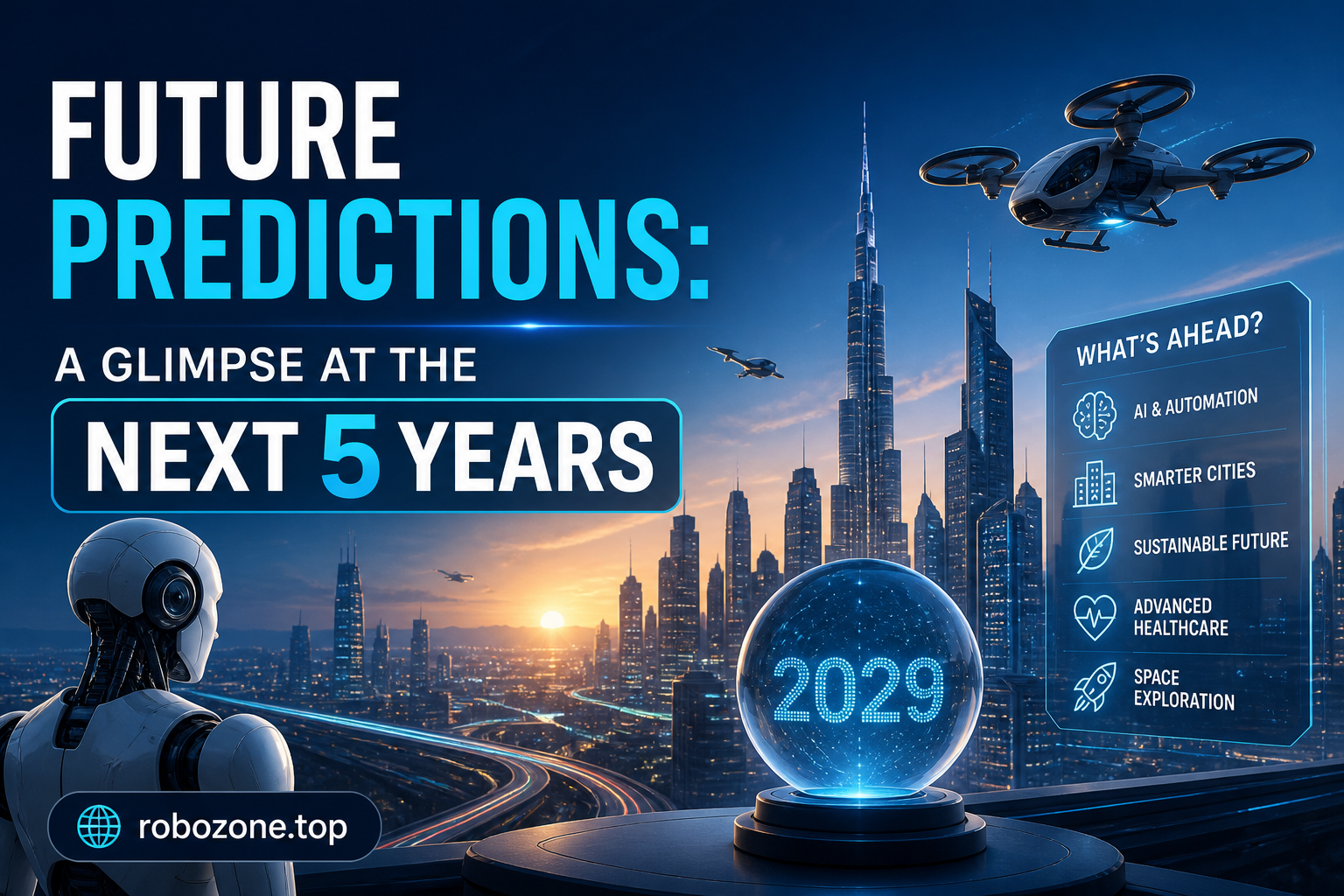
Looking ahead, the Walker S2 and its successors are expected to become even more integrated into daily life, performing tasks with greater dexterity and intelligence. Industry experts at IEEE Spectrum suggest improvements in AI and machine learning models will result in more autonomous robots capable of decision-making with minimal human intervention.
Furthermore, as sensors become more advanced and affordable, the deployment of robots in advanced roles in logistics and human care roles becomes more feasible. It’s this kind of foresight that inspires Thomas Huynh to predict that, ‘in the near future, seeing robots like the Walker S2 in our homes will be as common as we see smartphones today.’
Strategic Insights for Businesses and Developers

For businesses, the rise of robots like the Walker S2 presents both opportunities and challenges. Developers and engineers must prepare to integrate more advanced robotics solutions into their processes while remaining agile in the face of rapid technological shifts. Businesses should consider investing in research and upskilling employees to leverage these new tools effectively.
Developers, on the other hand, can tap into this growing field by enhancing their skills in AI and robotics, particularly focusing on improving the cognitive models that drive these machines. By doing so, they not only meet the current market demand but also push the envelope in what robots can achieve.
So where does this leave us? The UBTECH Walker S2, with its cutting-edge vision and spatial perception capabilities, is a harbinger of the future of robotics. While challenges remain, the pathway is being paved for a world where these intelligent machines become invaluable partners in our daily lives and industries. We must stay attuned to these developments and adapt strategically to harness their full potential effectively.
Thomas Huynh – Admin of RoboZone.top
References & Further Reading:
- MIT Technology Review — https://www.technologyreview.com/
- IEEE Spectrum — https://spectrum.ieee.org/
- Stanford AI Lab — https://ai.stanford.edu/
- Harvard Business Review — https://hbr.org/
- McKinsey & Company — https://www.mckinsey.com/
- NVIDIA research / blogs — https://blogs.nvidia.com/
- International Federation of Robotics — https://ifr.org/