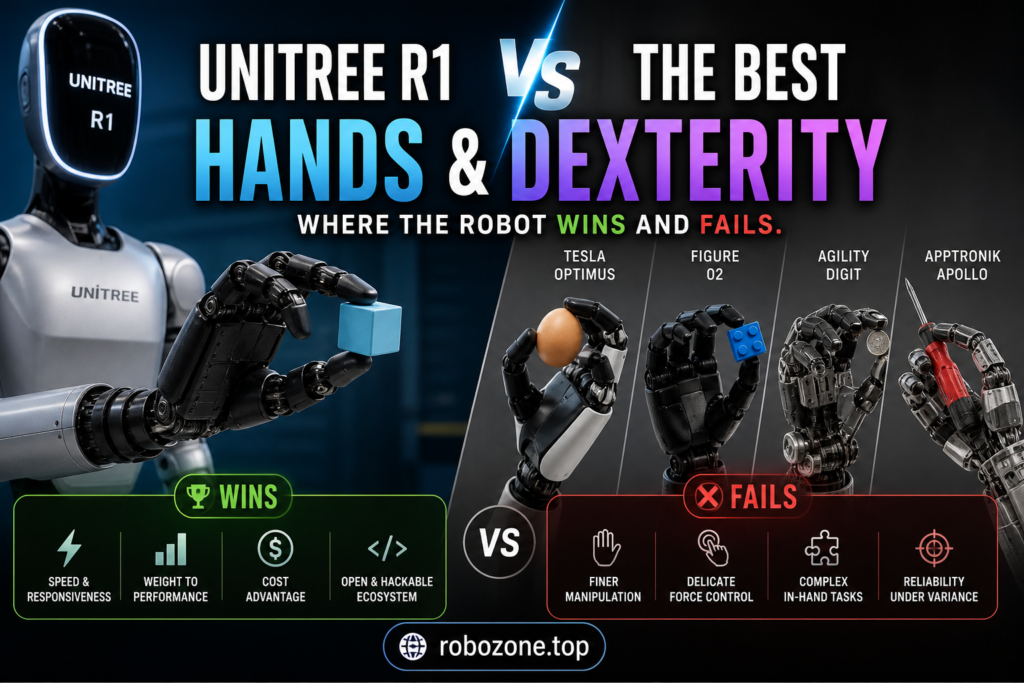
In the burgeoning world of robotics, where mechanical minds meet pragmatic purposes, Unitree R1 stands as a remarkable beacon of what we envision as the future of dexterity in robots. Thomas Huynh, a seasoned overseer of RoboZone.top, would tell you that if robots are destined to replace human hands in complex environments, they better start honing their handshake first. Let’s delve into how the Unitree R1 compares with its leading counterparts in the realm of hands and dexterity.
The Core Concept: Understanding Dexterity in Robotics
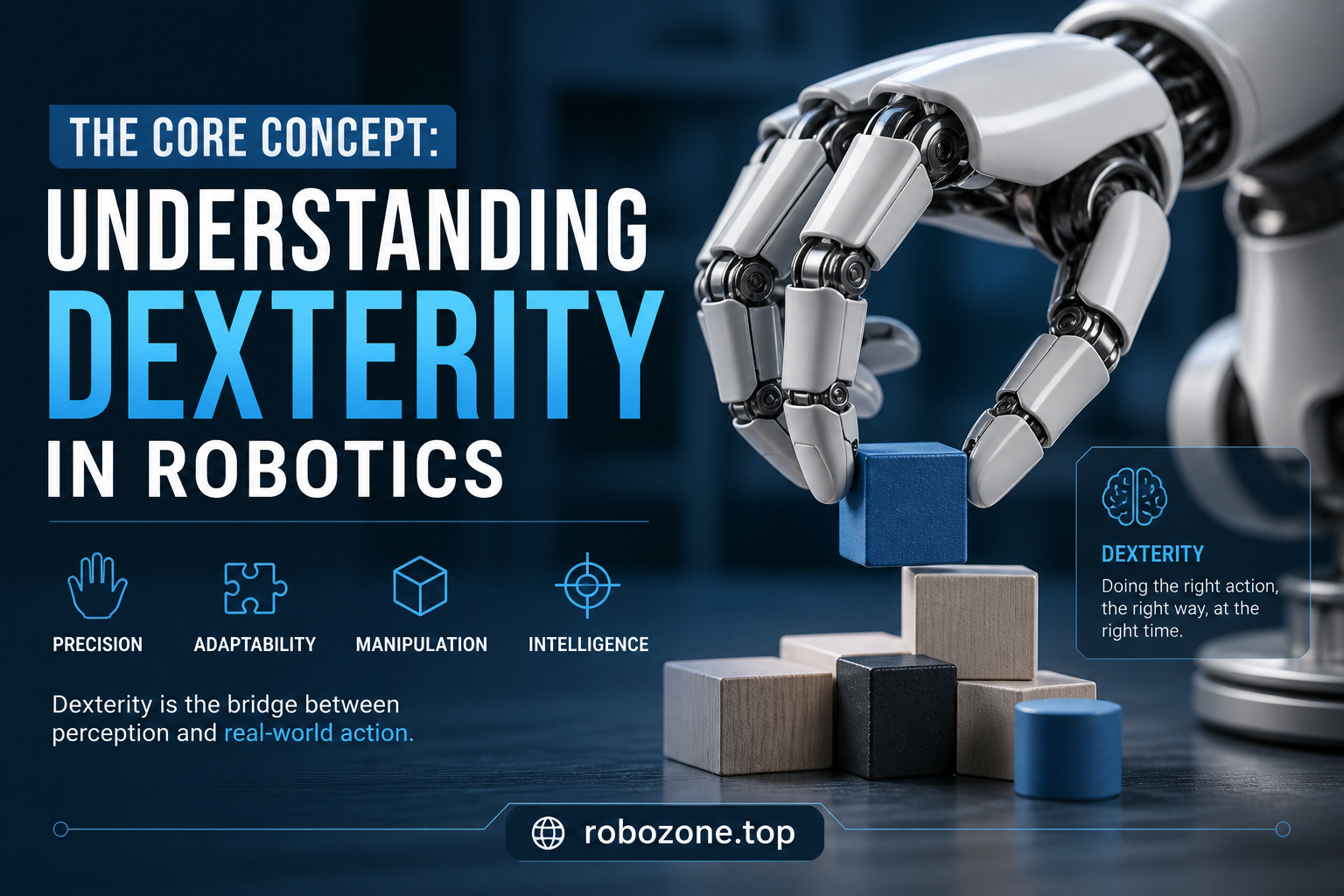
In robotic terms, dexterity isn’t just about picking up a pencil or wielding a spatula. It’s about replicating the human hand’s complex interactions with objects — an intricate dance involving precision, sensitivity, and adaptability. The Unitree R1, like many of its contemporaries, aims to bring human-like dexterity to robotics, employing state-of-the-art AI models and sensor technologies to mimic biological nuance.
When we talk about robotic dexterity, the conversation frequently drifts to industries where robots handle tasks too dull, dirty, or dangerous for humans. But the crux of this advancement lies in subtler implications. Just imagine a robot capable of flipping through ancient manuscripts without a tear or of performing surgery with more precision than a well-skilled human surgeon. At its heart, the Unitree R1 embodies these ambitions, leveraging its advanced grip technology which, according to IEEE Spectrum, rivals some of the best proprietary systems from global tech giants.
Real-World Applications: Across Every Industry
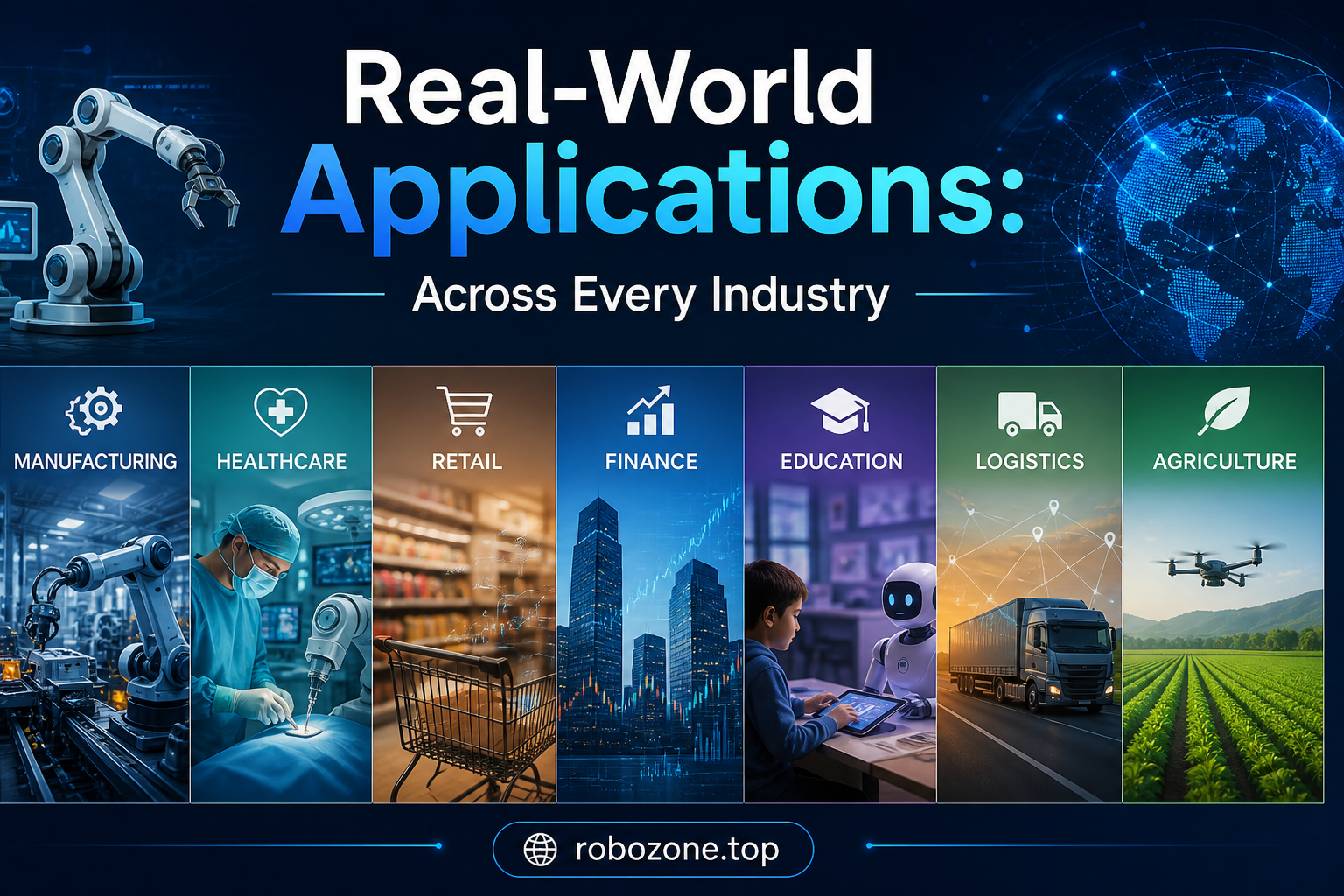
The Unitree R1 isn’t just a science project turned public-market sensation; it’s a hardworking automaton cropping up in unexpected environments. From domestic settings, where it might sort recycling or even fetch your coffee (without spilling a drop), to high-stakes arenas like healthcare, where precision might mean life or death, Unitree R1 and its brethren are transforming norms.
In industrial settings, where the challenge is not just about the touch but the trust, robots like Unitree R1 make their mark. They undertake repetitive tasks with unflagging endurance and standardized perfection. Then we have the healthcare sector, where dexterity translates into gentleness — essential for anything ranging from caregiving to precision surgery. In each of these fields, the ability of a robot to maneuver its ‘hands’ effectively plays a pivotal role.
Researchers at the Stanford AI Lab are excited about the R1’s capacity to learn from its experiences, adapting to new tasks without additional programming. Such adaptability is crucial in healthcare settings and underlines a market trend toward AI-driven dexterity. Surprisingly, even retail giants are exploring dexterous robots to automate customer service and inventory management.
Technical Insights: What Makes the Unitree R1 Tick
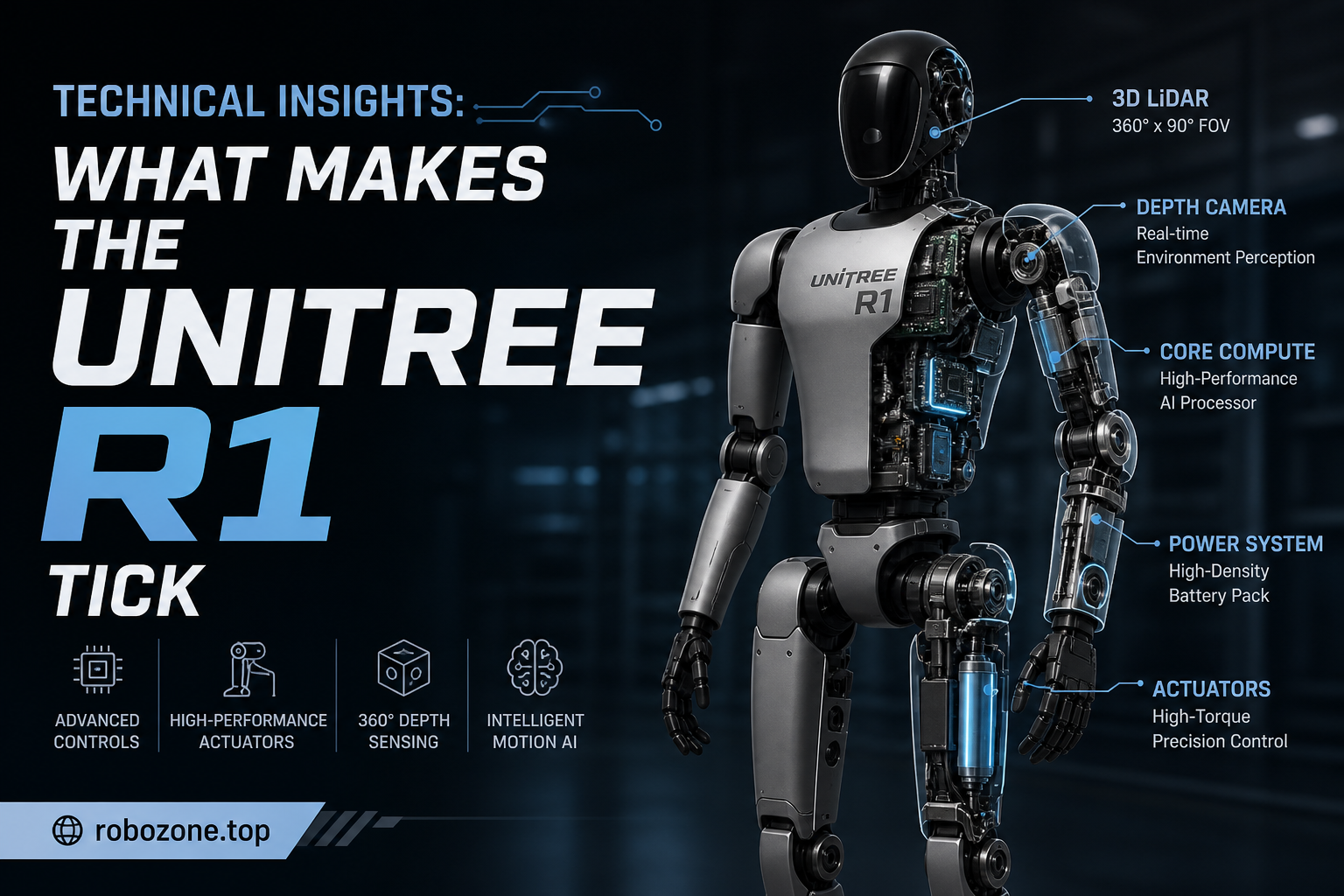
Behind every swift robotic motion lies a delicate interplay of AI, mechanics, and silicon wizardry. The Unitree R1 runs on an AI model finely tuned to handle a wide array of dexterous tasks, using feedback from a suite of sensors to adjust its movements in real-time. Reflecting upon the recent advancements in robotic autonomy, Thomas Huynh notes, ‘it’s akin to watching your toddler grow — one firmware update at a time.’
At its core, the Unitree R1 incorporates NVIDIA’s latest GPU technology to process its learning algorithms rapidly. This enables the robot to understand and mimic human hand movements with impressive accuracy. The sensory data from haptic sensors informs decisions usually taken for granted by human operators but are utterly novel in machine terms. Boston Dynamics offered similar insights when they showcased their grappling tech earlier this year, emphasizing the role that high-powered chipsets play in achieving seamless integration of AI and mechanics.
Market Analysis: The Rise of Dexterous Robotics
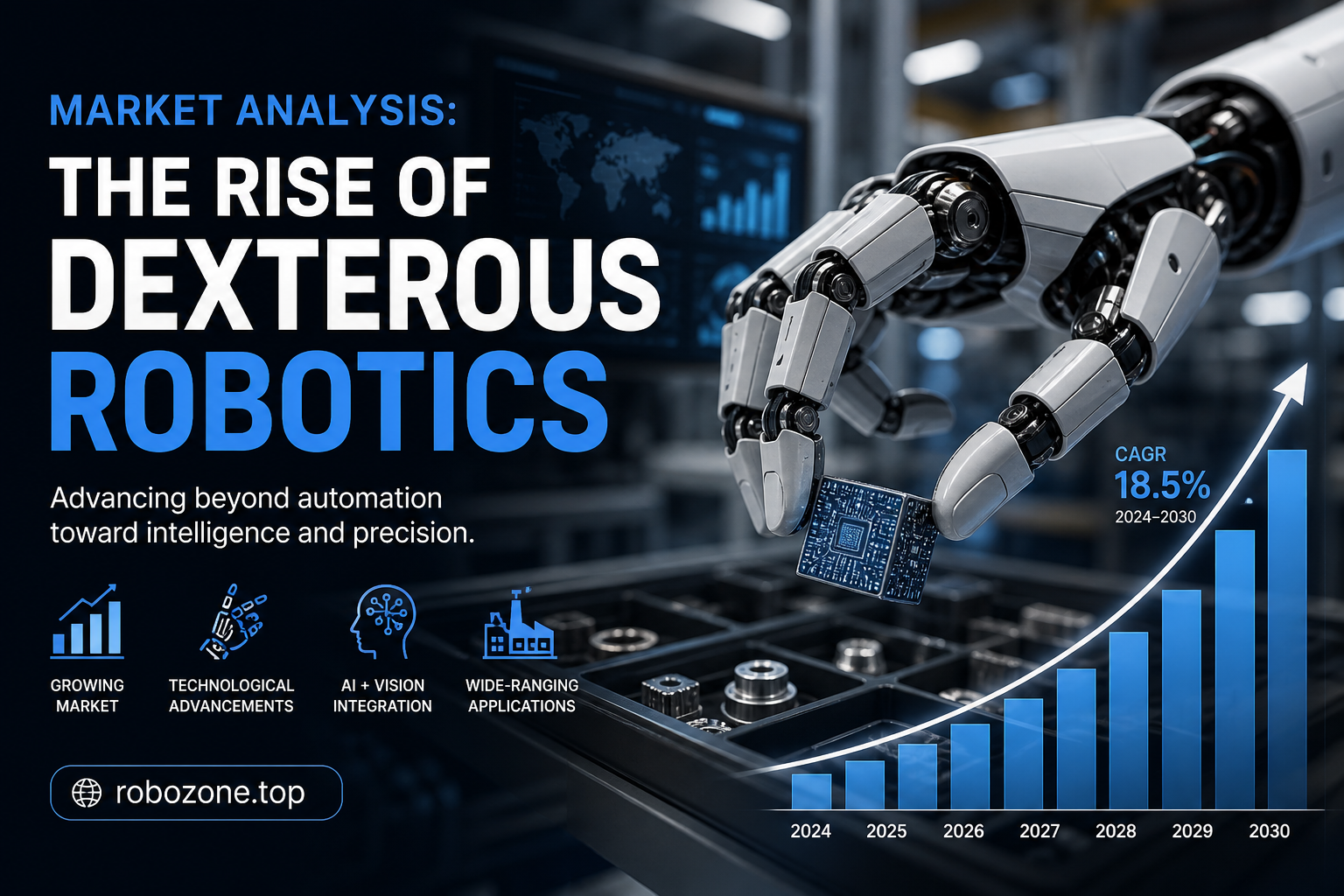
Investment in robotic technology, spurred by demand for automation and innovation, underpins a burgeoning market for dexterous machines like the Unitree R1. According to the International Federation of Robotics, the robotic market is projected to reach unprecedented heights by 2027, driven by continuous advancements in AI and machine learning.
Leading players like Google DeepMind and Tesla’s AI department are challenging incumbents with cutting-edge research that integrates deep learning and robotics. Yet, Unitree’s targeted focus on practical applications over years of iterative engineering has led it to catch up swiftly with stalwarts. Recent strategic partnerships, as reported by McKinsey & Company, further bolster Unitree’s commercial outreach across different sectors.
Challenges & Limitations: What Remains a Hurdle

No journey of technological advancement is free from its set of obstacles, and the robotics landscape is no different. While Unitree R1 shines admirably in controlled environments, its struggles become palpable when faced with uneven terrains or unpredictable human interactions. Similar challenges are encountered by competitors aiming to seamlessly blend robotics with environments teeming with variables.
The sensitivity required for truly human-like dexterity remains elusive. The complexities of touch—pressure calibration and texture discernment—often resemble a tightrope walk. Meanwhile, market surveys conducted by Harvard Business Review reveal continued apprehension over initial costs and long-term maintenance of sophisticated machineries like the R1.
Future Predictions: What Lies Ahead for Dexterous Robots

The future appears lush with possibilities for dexterous robotics, a world wherein machines like Unitree R1 will become commonplace. The synergy between innovations in AI and materials science portends a future where robots undertake higher-level cognitive tasks. Economists anticipate unconventional job roles created around robot maintenance and AI-facilitated task monitoring.
Advancements expected over the next decade will likely push dexterity, precision, and learning capabilities to new heights, altering how industries strategize and function. It’s a vision where humanoid collaboration feels not just possible but inevitable. The World Economic Forum emphasizes the need for agile policy frameworks to accompany this growth.
Strategic Insights: Preparing for a Robotic Future
As we prepare to welcome greater sophistication in the robotics arena, it’s crucial for businesses, developers, and users to brace for rapid transformations. Increasing employee adaptability, revisiting business models, and emphasizing collaborative technological development are strategies companies should incorporate.
For developers, focusing on interdisciplinary skill sets—bridging AI, mechanical engineering, and customer-centric design—becomes an asset. For users, meanwhile, it’s about being open to engaging closely with these machines, thereby deriving maximum utility in both personal and professional domains.
As Thomas Huynh might quip, ‘these robots aren’t just shaking our hands—they’re ready to lend a hand.’ As they do so, a proactive approach will ensure their seamless integration into our everyday lives.
So what comes next in this exciting race? As robots like the Unitree R1 continue to conquer new challenges, it’s imperative for all of us—tech enthusiasts, stakeholders, visionaries—to anticipate where this technological tide will carry us. The road is fraught with questions, but with each articulated motion of a mechanical hand, the future indeed seems to be crafting itself, one tactile insight at a time.
Thomas Huynh – Admin of RoboZone.top
References & Further Reading:
- IEEE Spectrum — http://www.ieee.org
- MIT Technology Review — http://www.technologyreview.com
- International Federation of Robotics — http://www.ifr.org
- McKinsey & Company — http://www.mckinsey.com
- NVIDIA Research — http://research.nvidia.com
- World Economic Forum — http://www.weforum.org
- Harvard Business Review — http://www.hbr.org
- Stanford AI Lab — http://ai.stanford.edu