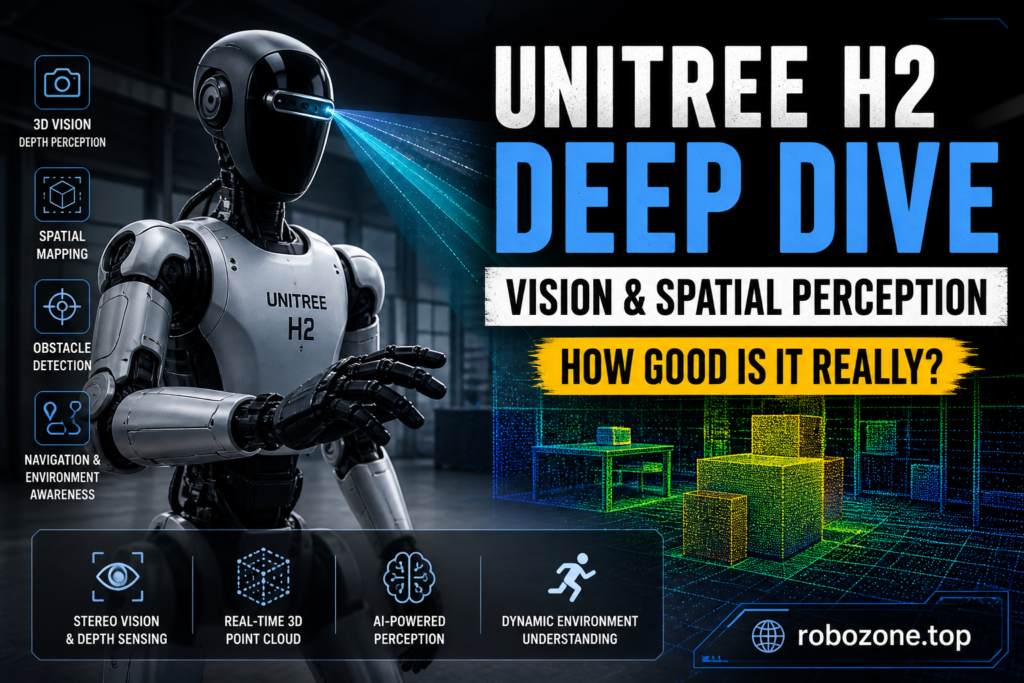
The Unitree H2, lauded for its sophisticated vision and spatial perception capabilities, prompts an intriguing question: How good is it, really? This exploration will peel back the layers of what lies beneath the sleek exterior of the Unitree H2, venturing into the realm of sensors, neural models, and beyond. Spoiler alert: this is where things get interesting.
The Core of Vision and Spatial Perception: What It Is and How It Works
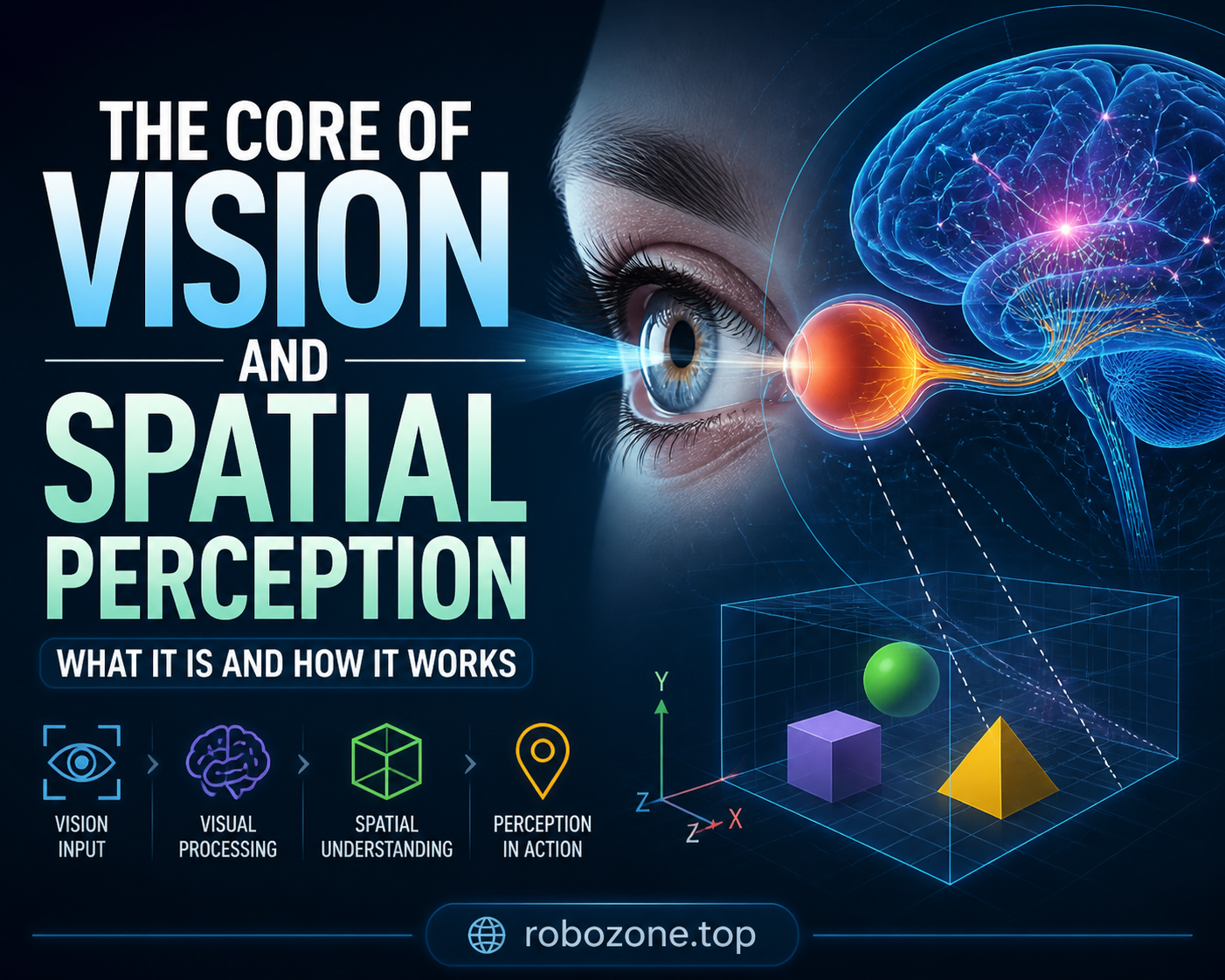
The world as perceived by a robot is vastly different from ours. Imagine trying to navigate a complex maze blindfolded — that’s what it would feel like for a robot without sophisticated vision systems. The Unitree H2, stepping into the scene with a promise of advanced vision and spatial perception, changes this narrative. Vision perception in robots involves several layers of technical wizardry, primarily centered around sensors and algorithms.
At the heart of the Unitree H2 is a suite of state-of-the-art sensors that meticulously capture the environment. These include stereo cameras and LiDAR systems, indispensable for depth sensing and environment mapping. The data harvested from these sensors is then processed by neural networks, models trained to interpret the cacophony of visual data into meaningful insights — think of them as the brain that decodes the eyes.
Technical Insights: Under the Hood of Unitree H2
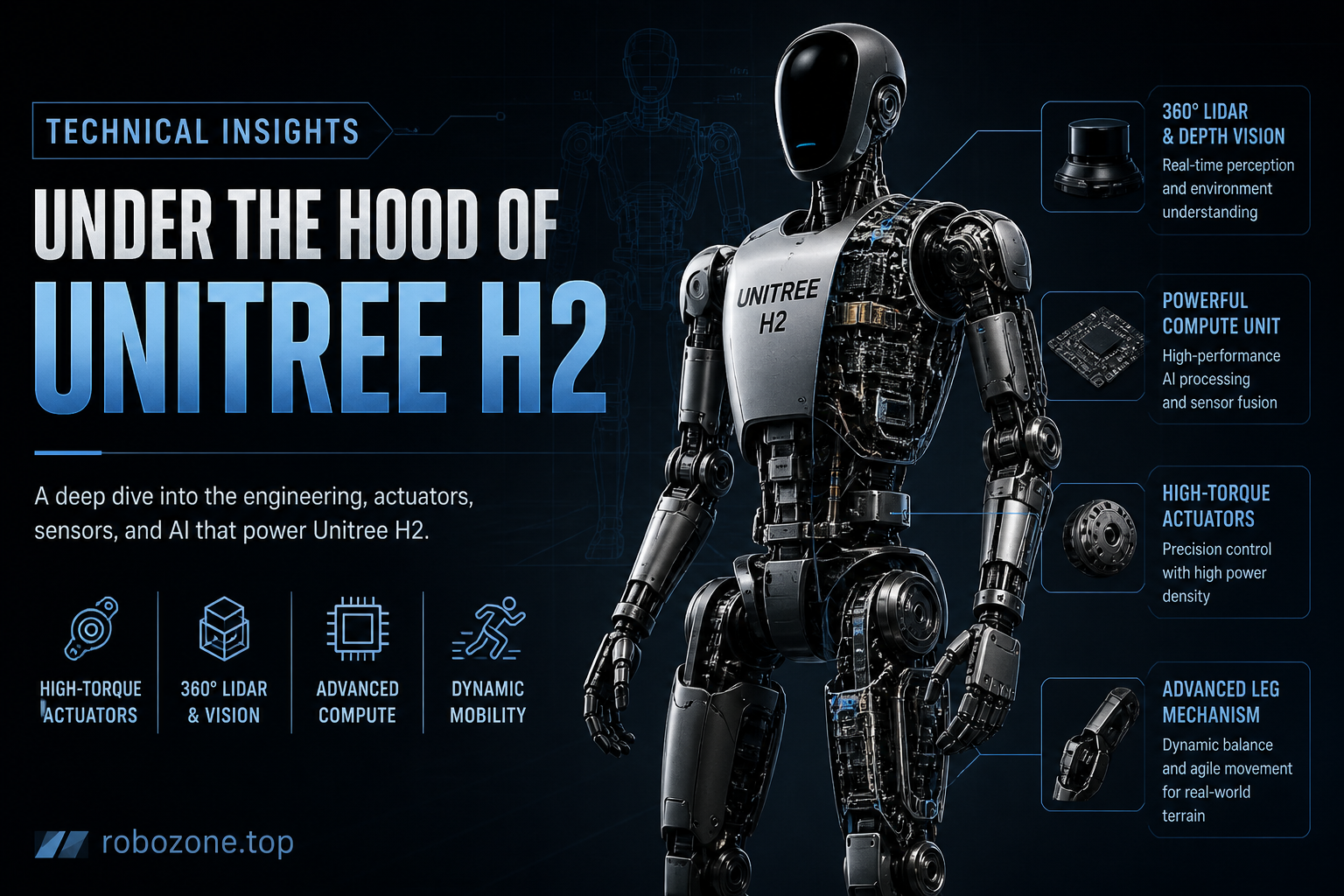
Let’s delve deeper into the technical sorcery that powers the Unitree H2. At its core are neural models akin to those found in NVIDIA’s leading AI platforms. These models operate on several layers, each adding a piece to the jigsaw puzzle of spatial awareness. Unitree has utilized models that learn from countless examples, honing their ability to understand subtle cues in the environment. Imagine teaching a toddler to recognize objects around them, only this toddler processes data at lightning speed.
The control loop, an integral component, ensures that the robot’s actions are dynamically adjusted based on real-time feedback. It is akin to the reflexive processes in our nervous system, allowing for quick adjustments to unforeseen obstacles. For robotics enthusiasts like Thomas Huynh at RoboZone.top, the fascination here lies in the robot’s ability to mimic aspects of human awareness with mechanical precision.
Real-World Applications Across Industries
The real star quality of the Unitree H2 emerges when we look at its applications across various sectors. In industrial settings, its vision system allows for precise navigation in cluttered spaces, a task traditionally reserved for human supervisors. Imagine a busy warehouse where the robot deftly maneuvers through a labyrinth of shelves.
Healthcare is another domain poised for transformation. Picture the Unitree H2 assisting in patient monitoring, where its spatial awareness aids in identifying when patients require assistance, a capability that could redefine patient care protocols.
Even in our homes, the Unitree H2 begins to make its mark. Simple tasks such as vacuuming or carrying groceries can be revolutionized with robots that understand and interpret visual data to perform activities safely and efficiently.
Market Analysis and the Economic Impact

The robotics market is in the throes of a significant metamorphosis, catalyzed by innovations such as the Unitree H2. Market analysts at IEEE Spectrum predict a burgeoning industry valued at hundreds of billions by 2026, fueled by advancements in AI and robotics. It’s an economic ripple effect that touches diverse sectors, making robotics indispensable to future economies.
Investments from tech giants like Tesla and Google DeepMind underscore the financial potential perceived in robotics. Companies are cognizant of this shift, aligning their strategic focus towards integrating robotics to streamline operations and cut costs.
Challenges and Limitations: What Still Doesn’t Work Well
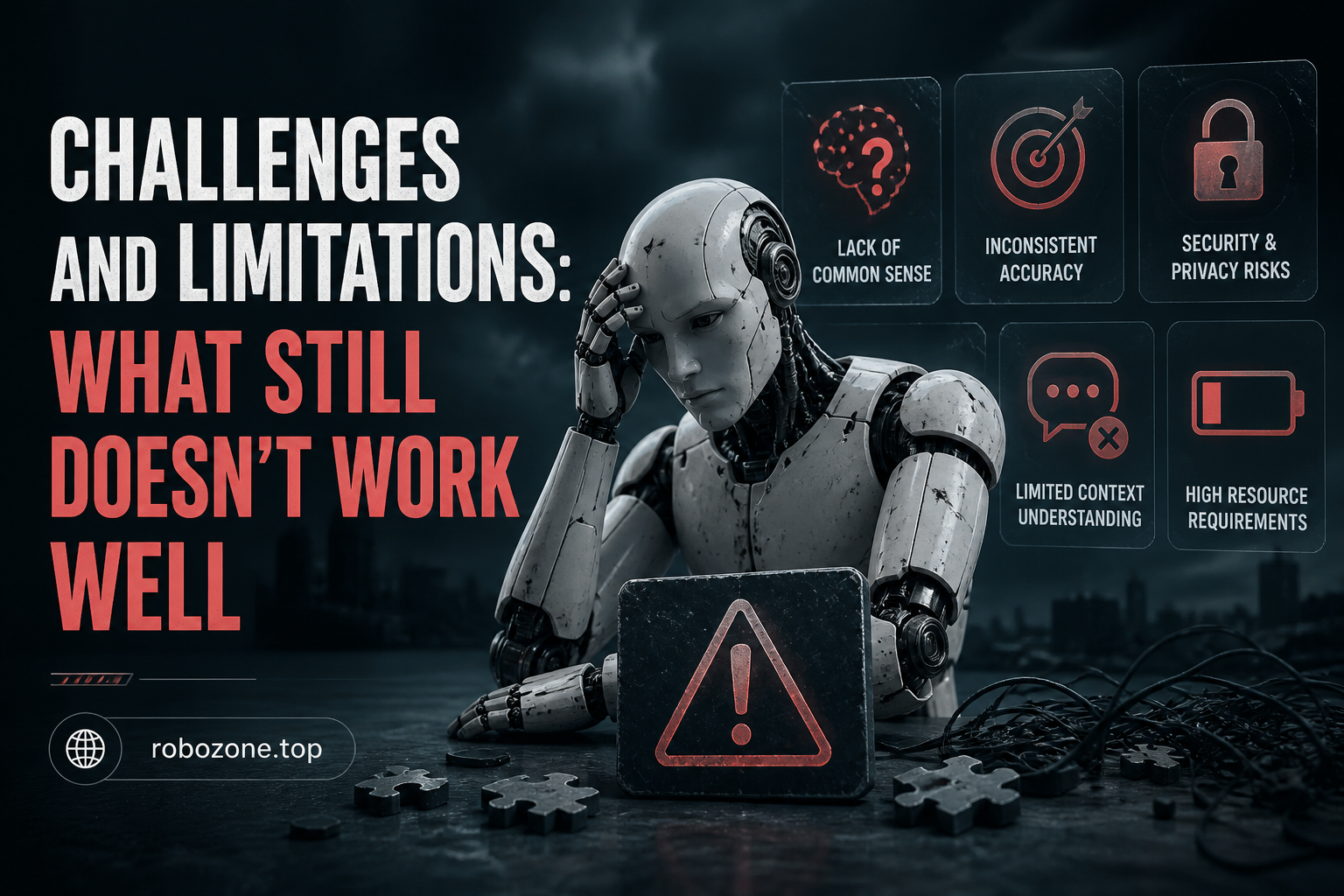
No technology is without its hiccups, and the Unitree H2 is not immune. While its spatial perception is technologically advanced, the system’s dependence on sensor data can be a double-edged sword. Poor lighting or obstructive environments can lead to difficulties in navigation, akin to wearing sunglasses in pitch darkness.
Furthermore, the variables of unpredictability and complexity in human environments pose ongoing challenges. The robots often require tailored settings to perform optimally, limiting their adaptability in ‘wild’ scenarios. Engineers and developers need to continually refine these systems to enhance their resilience in less controlled settings.
Future Predictions: The Next 3–5 Years and Beyond
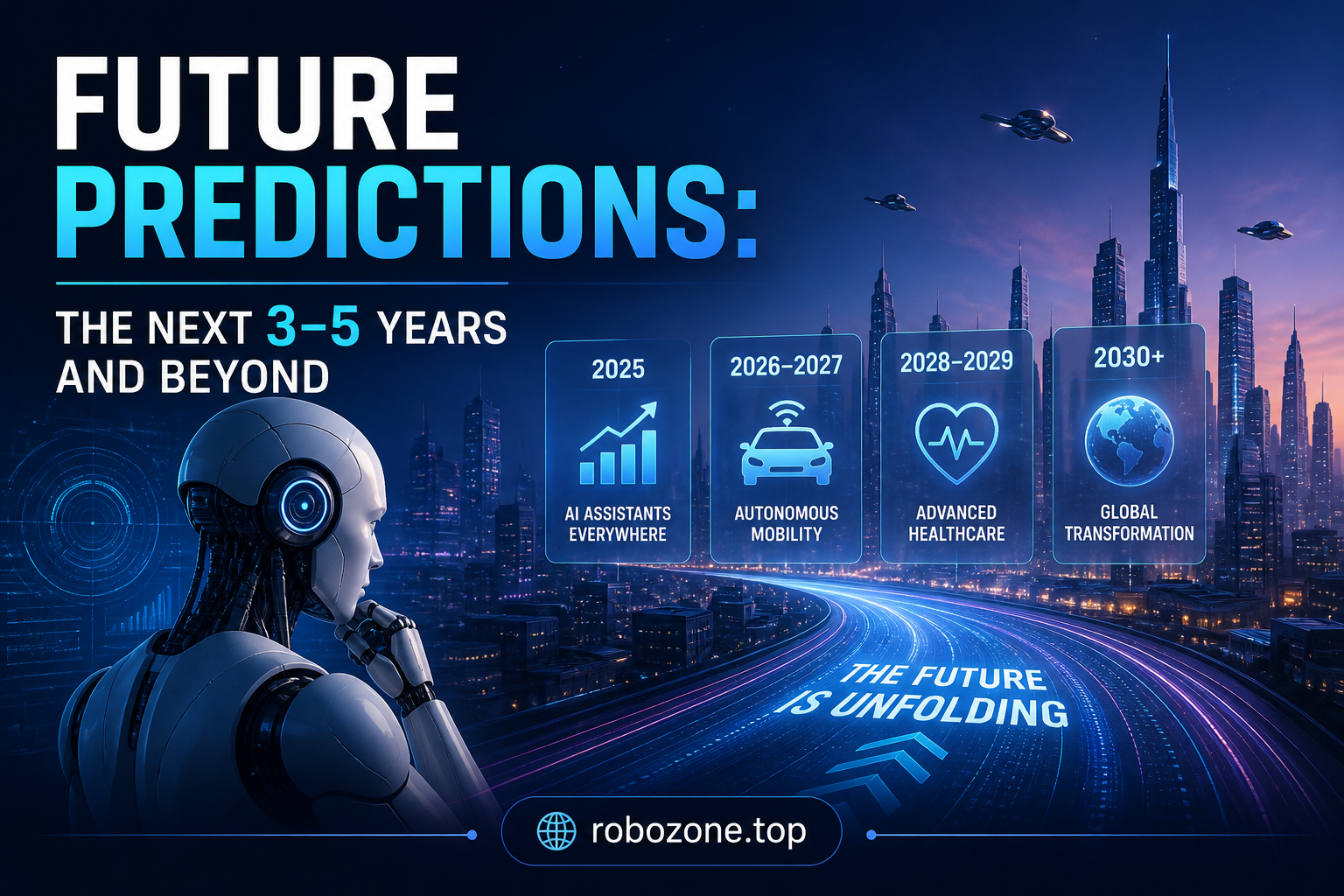
So, what lies ahead for the Unitree H2 and its kin in robotics? Within the next few years, expect an explosion in the adoption of autonomous machines, driven by the integration of cutting-edge AI and evolving perception technologies. Harvard Business Review suggests advancements in machine learning will further refine decision-making in robots, bringing us closer to seamless cohabitation with our automated counterparts.
In the long term, as Thomas Huynh might envisage, robotics will transcend their current roles, initiating new paradigms in how industries operate. From smart cities to personalized elder care, robotics is set to redefine our societal structure.
Strategic Insights: Preparing for Tomorrow’s Robotics Landscape
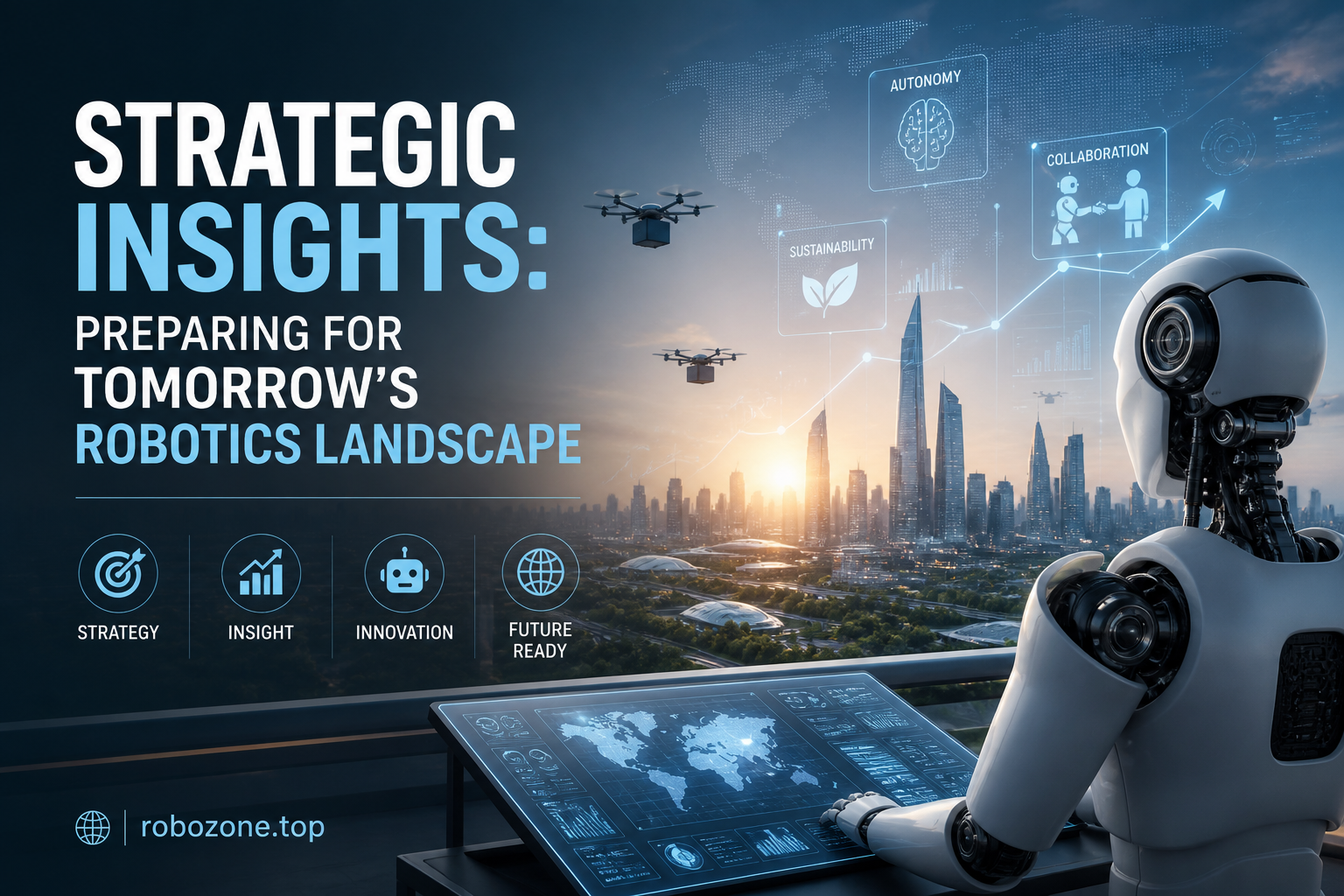
For those invested in this technological epoch, strategic foresight is indispensable. Businesses must prepare for increased automation by investing in robotics literacy among their workforce. Developers should focus on creating adaptable, user-friendly platforms that can evolve alongside technological advancements.
Equally, users need to acclimate to living alongside autonomous companions. Embracing robotics not as a replacement but as an enhancement to human capability will define successful integration into everyday life. Navigating a future where robots like the Unitree H2 become a staple presence requires both optimism and preparedness.
What should we really pay attention to in this grand unveiling of the Unitree H2? The true potential of its vision and spatial perception lies not only in what it can do today but in how it will inspire future innovations. As it stands, the Unitree H2 epitomizes a step towards a smarter future — a future needing keen observers like Thomas Huynh and the readers of RoboZone.top to continually probe and question the boundaries of what these machines can achieve.
We remain poised at the edge of an era where robots will become essential threads in the fabric of daily life, redefining our interactions with technology — not just as tools, but as partners in progress.
– – – – – – – – – – – – – – – –
“If you found my post: Unitree H2 Deep Dive: Vision & spatial perception — How Good Is It Really? helpful, consider checking out the product links below. It helps support the channel at no extra cost to you!”
Order HIWONDER Humanoid Robot