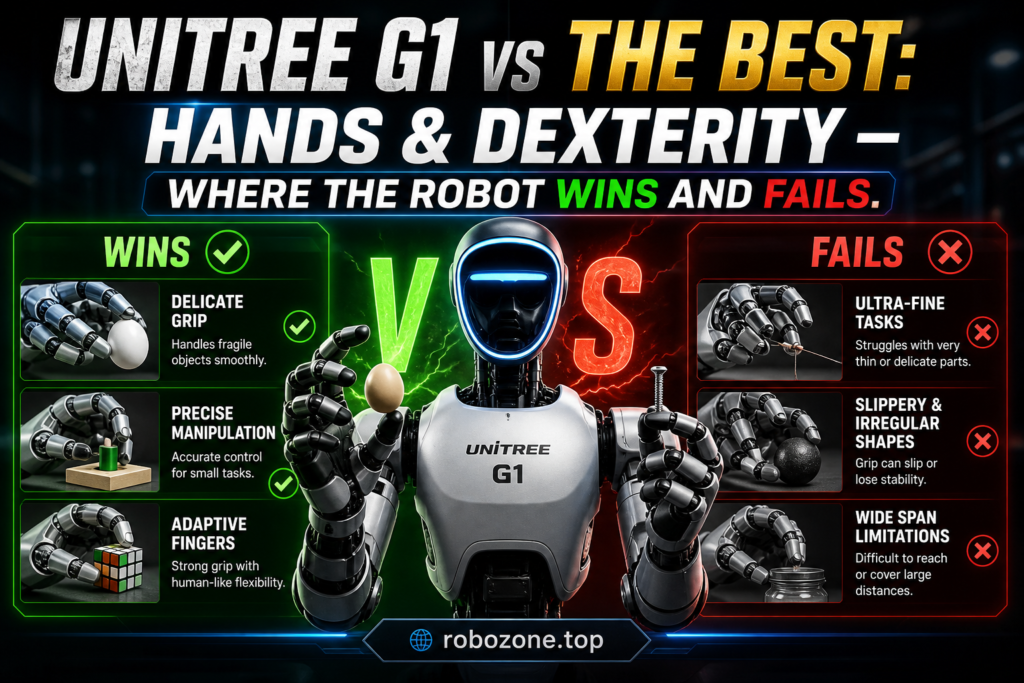
The dynamic world of humanoid robots is evolving faster than we can keep up, largely driven by advancements in AI, machine learning, and sensor technologies. Among these marvels of modern engineering stands the Unitree G1, a robot lauded for its capabilities in hands and dexterity. But how does it truly measure against its contemporaries? With robot hands reaching new levels of sophistication, the debate often centers on where the Unitree G1 excels and where it sees room for improvement.
Thomas Huynh, our esteemed administrator at RoboZone.top, insists on a deep dive into this topic, exploring the finer details of hand functionality, dexterity, and what separates the Unitree G1 from its peers. With insights from leading academic and industry sources, we set out to navigate this complex yet exciting landscape.
Understanding Robot Dexterity
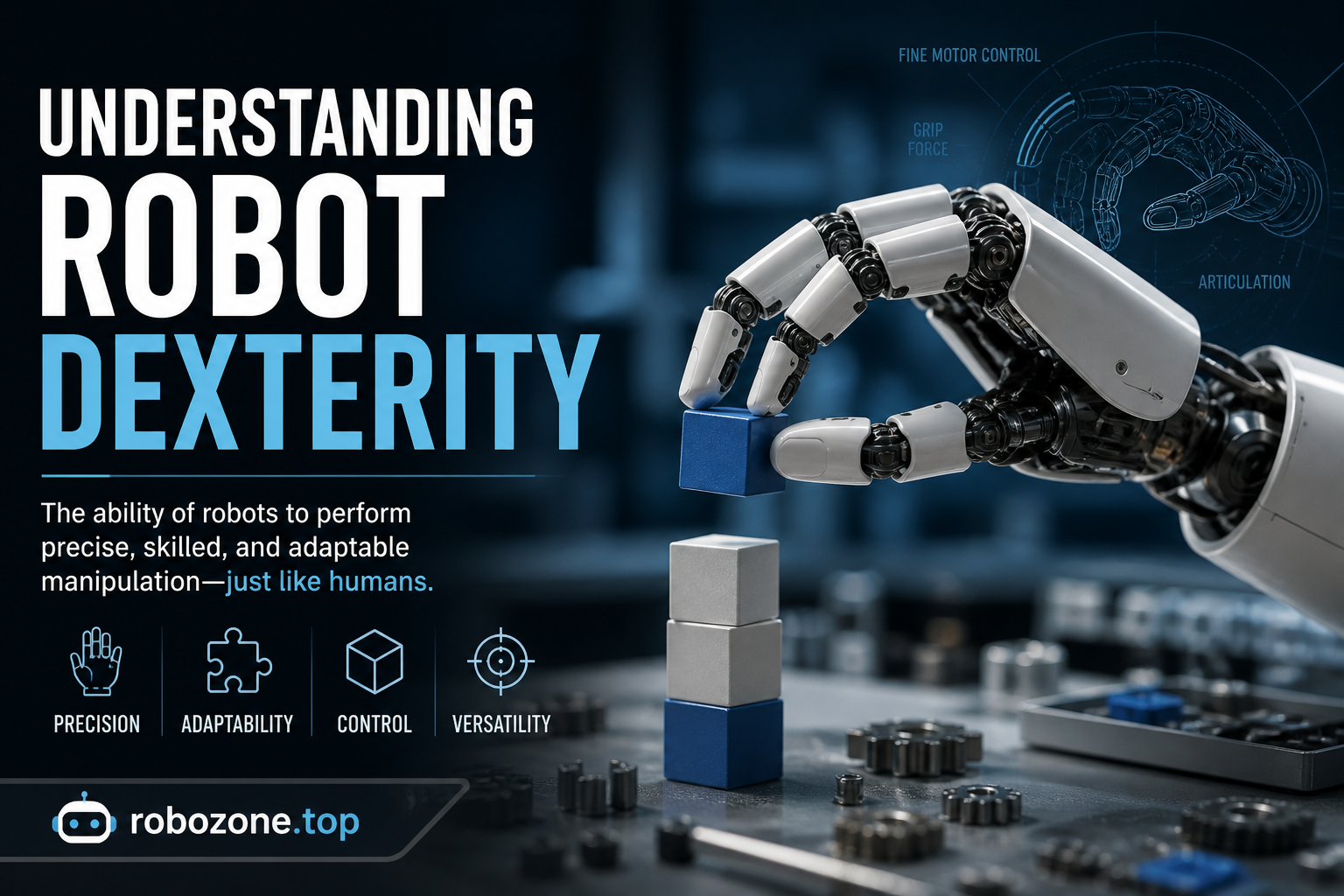
Let’s start with a simple analogy: think of robot dexterity as the difference between a novice tying their shoes and a skilled surgeon performing a delicate operation. Robot hands have come a long way, much like an artist beginning to master the paintbrush. The Unitree G1, boasting impressive flexibility and precision in its fingers, stands as a testament to recent engineering breakthroughs.
At its core, dexterity in robotics involves a blend of fine motor skills, haptic feedback, and a touch of artificial intuition. Much like a child learning to grip and grasp, the building blocks of dexterity lie in repeated practice and learning from each interaction. It’s no secret that AI models such as reinforcement learning play a critical role. As noted by research from Stanford AI Lab, these models train robots to perform tasks with an ever-increasing level of accuracy and efficiency.
When it comes to sensory technology, the chips powering these machines are as vital as the brain is to human hands. The Unitree G1 employs advanced sensors and NVIDIA processors to interpret touch and pressure, enabling nuanced manipulation tasks that would have been unthinkable just a decade ago.
Real-World Applications of the Unitree G1
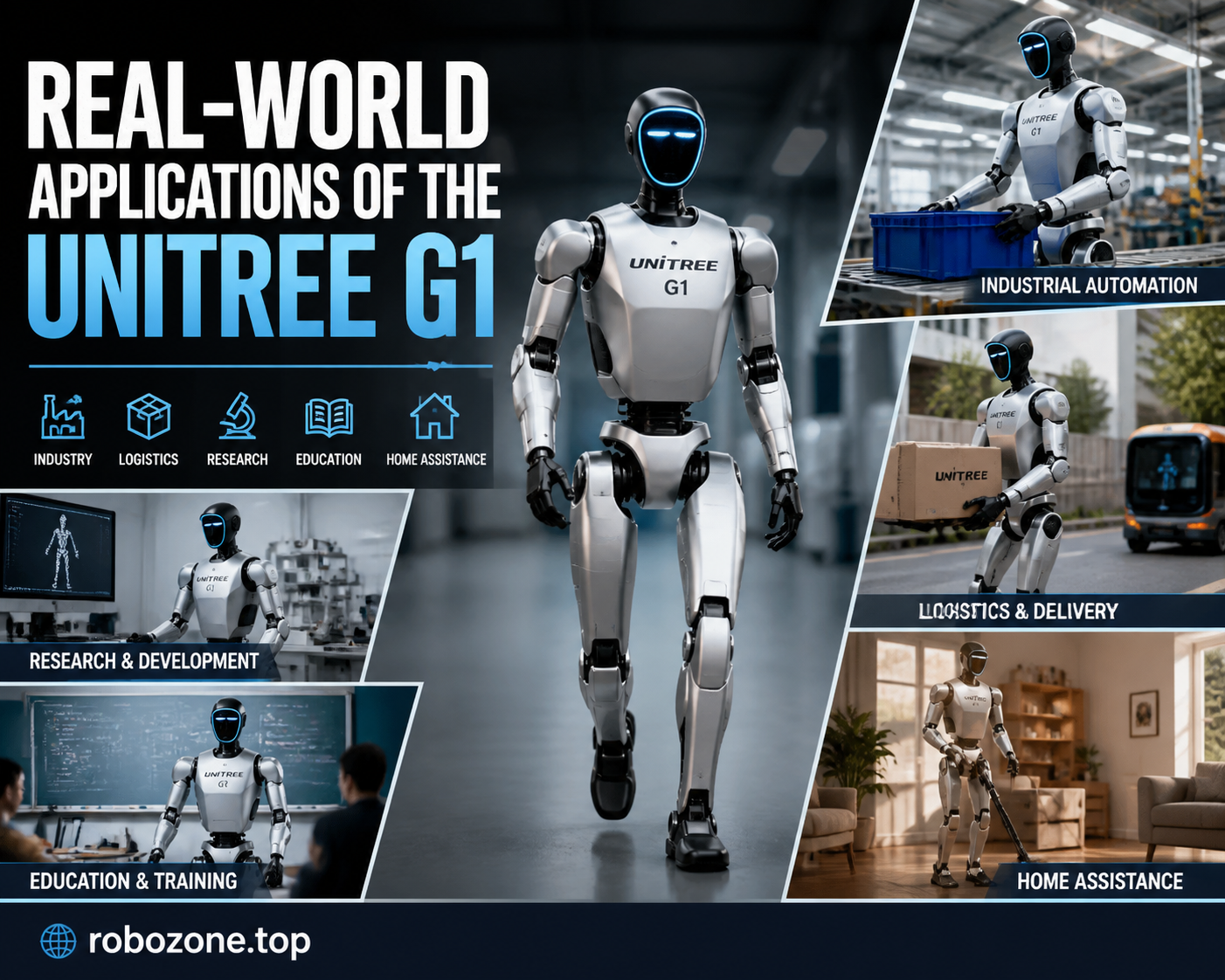
In our everyday lives, robots are no longer confined to the pages of science fiction. From healthcare to home chores, the Unitree G1’s hands and fingers are now tangible partners. Imagine a robot assisting with surgery, or even opening a pickle jar—mundane, yet essential tasks that demand both delicacy and strength.
The industrial sector benefits tremendously from these robotic capabilities. According to the International Federation of Robotics, efficiency and safety in factory settings have seen significant improvements with robotic intervention. The G1 multitasks like an adept factory worker: assembling intricate components, conducting precise measurements, and even packing products with care.
Home use is another exciting frontier. Picture a Unitree G1 placing dishes into the dishwasher or sorting recyclables—a level of assistance that frees humans to focus on more complex activities. In healthcare, the potential for robotic assistance in rehabilitation therapy also looms large, aiding patients in exercises that require specific hand movements.
Technical Insights: The Heartbeat of Robotics
The Unitree G1 robot is a sophisticated assembly of sensors, actuators, and processors, which together orchestrate a symphony of functionality. At the backbone of this technology are its AI models and complex algorithms that enable fine-tuned hand movements and tactile sensitivity.
At the center of the G1’s capabilities lies its use of NVIDIA AI chips, renowned for their processing power and efficiency. As robots increasingly rely on real-time decision-making, these chips execute the neural networks that drive learning and adaptation. The haptic feedback provided by the G1’s sensors allows it to ‘feel’ its environment akin to human touch, translating sensory data into mechanical action.
According to IEEE Spectrum, the advancement in dexterity also stems from innovations in materials science. The soft, adaptive materials employed within the G1’s hands mimic the pliability and dexterity of human skin, expanding the robot’s functional repertoire.
Market Dynamics: Investment and Growth

The robotics market is expected to surge over the next few years, buoyed by rising demand across sectors. McKinsey & Company forecasts a dramatic increase in investments, driven by both consumer interest and industrial necessity. As businesses seek automation to cope with labor shortages, the adoption of robots like the Unitree G1 becomes more pronounced.
Economically, the rise of such technology is a double-edged sword. While it promises higher productivity and efficiency, there are fears about displacement of jobs. Yet, in the bigger picture, these trends signify an evolution of roles rather than outright replacement. Humans and robots can, and likely will, coexist and complement each other’s strengths.
The G1 is increasingly viewed not just as a tool, but as a potential partner—a notion shifting the paradigm of how industries approach technology integration.
Challenges & Limitations
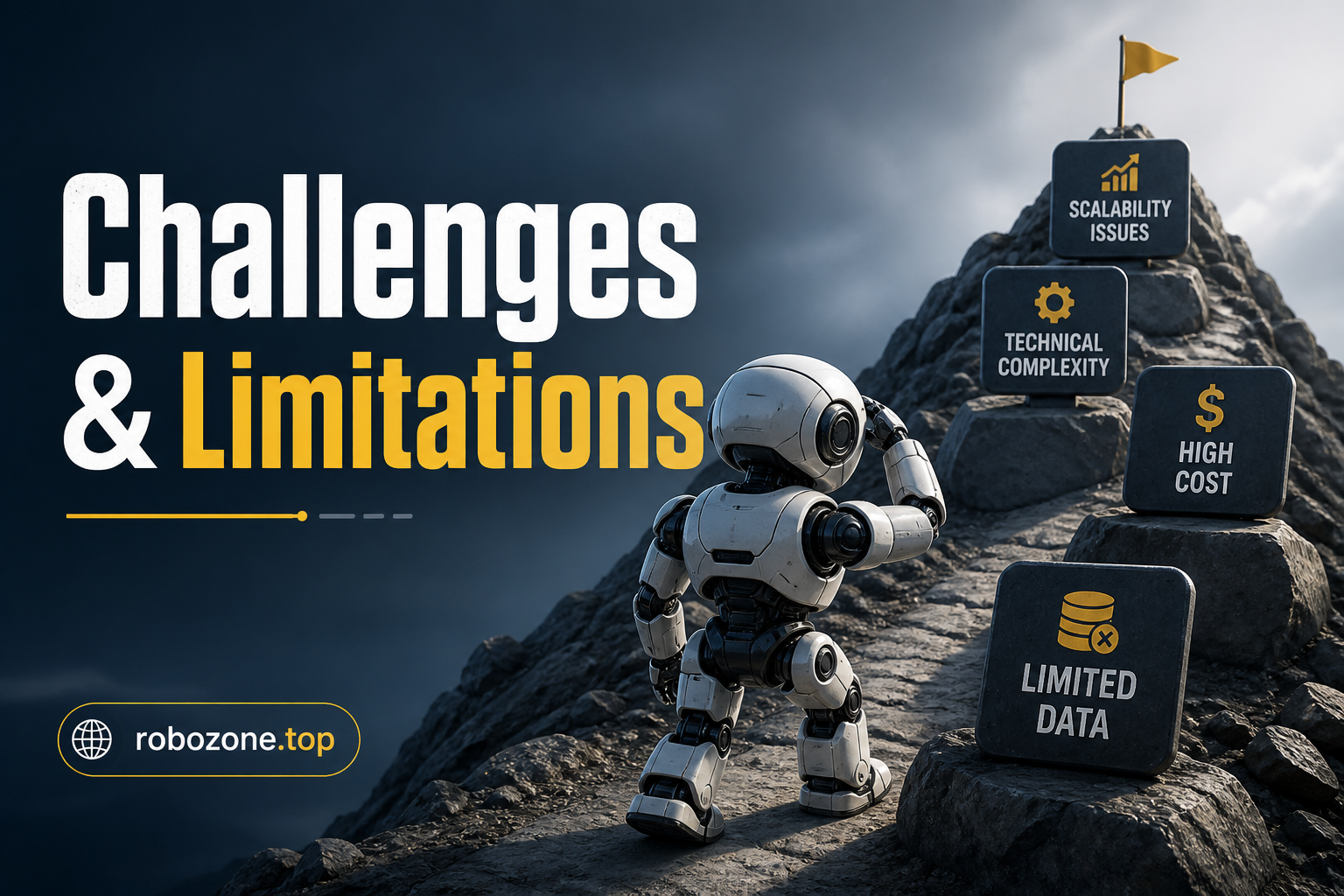
No discussion about robotic dexterity is complete without acknowledging its limitations. While the Unitree G1 is at the forefront, it is not without faults. Ironically, some of these limitations rest in the very sphere that grants it its strengths: AI.
A report from Harvard Business Review highlights that unforeseen scenarios—ones not typically encountered during training—can flummox even the most advanced systems. Further, while the hardware technology is advancing, the challenge remains in creating software sophisticated enough to ‘understand’ new environments with little prior experience.
Hardware constraints also present ongoing challenges. Despite all improvements, the energy efficiency of robotic hands remains an area needing innovation. Batteries and power sources still limit continuous operation, making it a balancing act between capability and sustainability.
Peering into the Future: The Next Chapter
Looking ahead, what awaits the landscape of robotic dexterity? As we dissect the current trajectory, a few forecasts emerge. For one, Thomas Huynh often reminds us that the magic of innovation is in its surprises. So let’s brace for a future where the unexpected becomes normalized.
In the coming years, we anticipate significant leaps in AI, with neural networks becoming even more intuitive. As Google DeepMind and similar research entities push the boundaries, we could see robots tackling tasks that currently elude their grasp.
Integration into everyday life will likely accelerate, with artificial intelligence seamlessly blending into workflows and routines, minimizing the ‘clunky’ human-robot interactions of today. Developers and businesses should prepare for a landscape where customization and user-friendly interfaces become key differentiators.
Furthermore, with sustainable innovation becoming a focal point, energy-efficient models are likely to take center stage. The Unitree G1 will evolve as part of a broader wave, one that harmonizes technological progress with environmental imperatives.
So where does this leave us? The Unitree G1, with its hands and dexterity, sits at an exciting crossroads in the world of robotics. It embodies the advancements we’ve made and highlights the challenges yet to overcome. For businesses, developers, or even the curious onlookers, the journey promises not just technological refinement but a redefinition of what it means to interact with machines.
As we stand on the brink of this robotic age, one thing is certain: the role of dexterity and nuanced interaction in robotics will uprise, leaving a lasting imprint on various industries—prompting us, as Thomas Huynh aptly puts, to ‘stay curious’ and be ready to embrace a collaborative future with our robotic counterparts.
Thomas Huynh – Admin of RoboZone.top
References & Further Reading:
- MIT Technology Review — https://www.technologyreview.com
- IEEE Spectrum — https://spectrum.ieee.org
- McKinsey & Company — https://www.mckinsey.com
- Stanford AI Lab — https://ai.stanford.edu
- Harvard Business Review — https://hbr.org
- NVIDIA Blog — https://blogs.nvidia.com
- International Federation of Robotics — https://ifr.org
- World Economic Forum — https://www.weforum.org
– – – – – – – – – – – – – – – –
“If you found my post: Unitree G1 vs the Best: Hands & dexterity — Where the Robot Wins and Fails helpful, consider checking out the product links below. It helps support the channel at no extra cost to you!”
Order HIWONDER Humanoid Robot