But what underlies this technological prowess, and how is it being harnessed across various sectors? More importantly, what does the future hold for robotics in an ever-dynamic world?
Understanding Robotics: The Core Concept
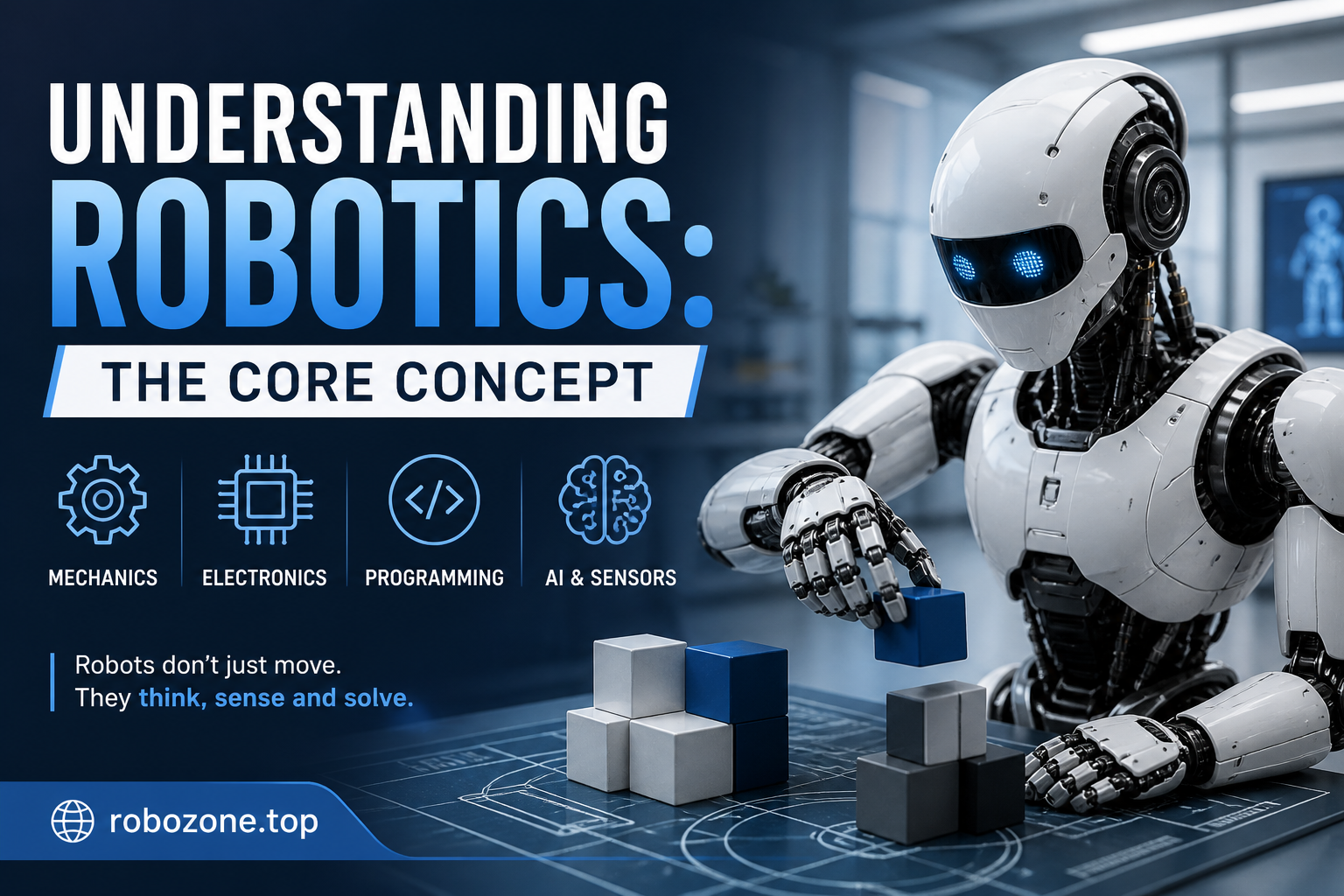
At its core, robotics is the interdisciplinary branch of engineering and science encompassing mechanical engineering, electrical engineering, computer science, and others. The primary objective of robotics is to design and build machines (robots) that can help and assist humans. The sophistication of these robots varies, from static machines performing repetitive tasks to dynamic humanoid robots capable of analyzing their surroundings—a capability that has grown exponentially thanks to advancements in Artificial Intelligence (AI) and machine learning.
Today, robotics isn’t merely about mimicking human actions but enhancing efficiency, productivity, and safety across industries. This is a frontier where sensors, AI algorithms, and sophisticated mechanical architectures converge, promising a future where robots provide unprecedented levels of service and utility.
Real-World Applications: From Factories to Living Rooms
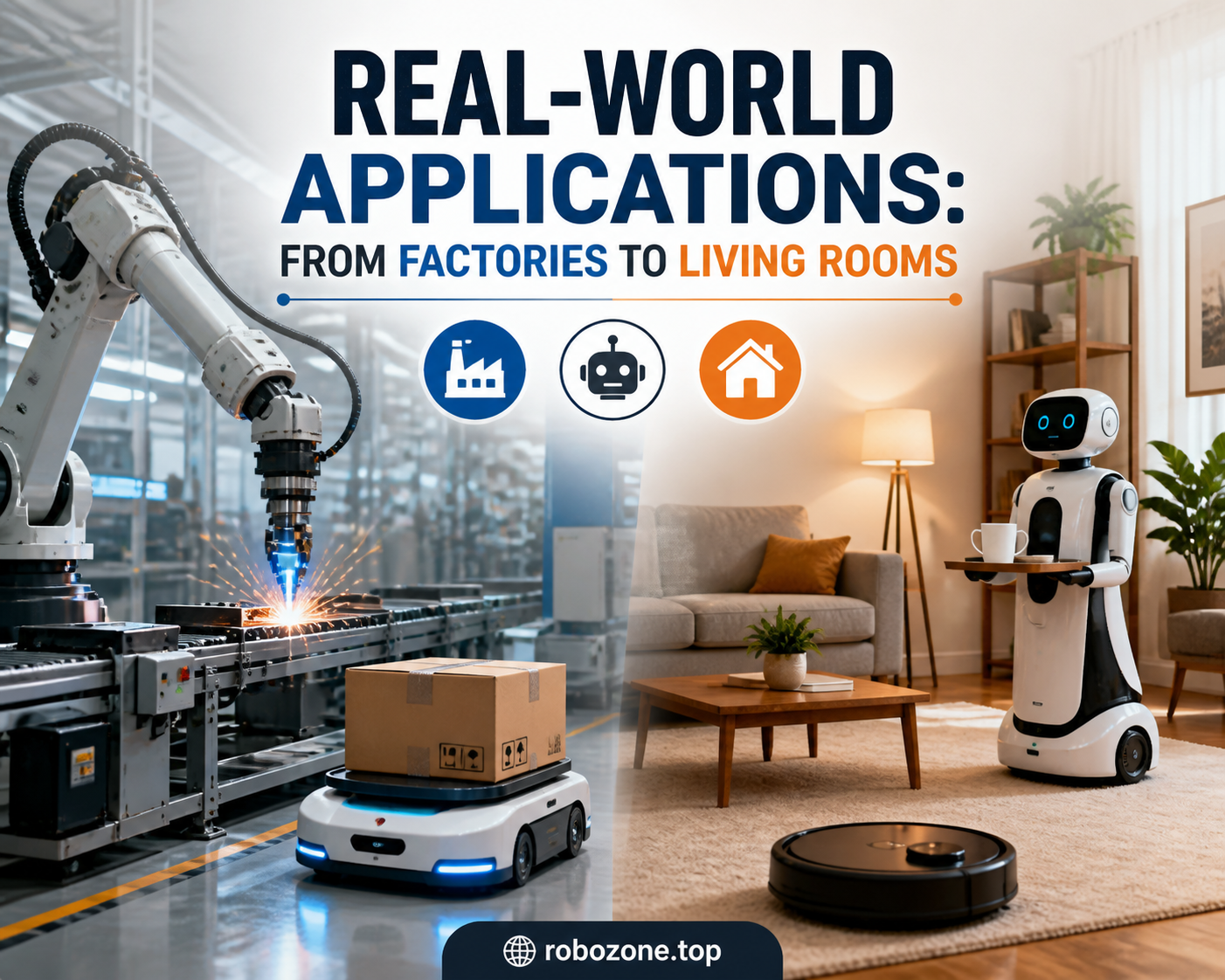
Many often wonder if robots are mainly a futuristic fantasy, confined to factory floors or research labs. However, the truth is far more expansive. Let’s take a stroll through the myriad real-world applications of robotics, and you’ll soon see they’re far more common than you might think.
Industrial Automation
Industrial automation perhaps remains the most prominent application of robotics. Companies like Tesla utilize robots for precision welding and component placement, activities demanding high accuracy and reliability. Similarly, Boston Dynamics has developed robots like Spot, which navigates complex environments autonomously, collecting environmental data to enhance operational efficiency.
Healthcare
The healthcare industry has warmly embraced robotics for various tasks, ranging from minimally invasive surgeries to patient rehabilitation. Surgical robots, often termed ‘robot-assisted surgeries,’ support surgeons in performing complex operations with precision. A 2021 report by Stanford AI Lab underscored the growing reliability of these machines, noting that over 5,000 robotic surgeries are performed daily worldwide.
Consumer Robotics
In the consumer sector, robots are becoming household companions. Robotic vacuum cleaners, like the celebrated Roomba, and even cooking companions have begun to make their presence felt. The goal here is simple yet effective: to ease the everyday burden by performing routine chores, allowing us more time for things we love.
[this image – a robotic arm at work in an assembly line, demonstrating speed and precision with mixed ambient lighting]
The Technology Behind: AI Models, Sensors, and More
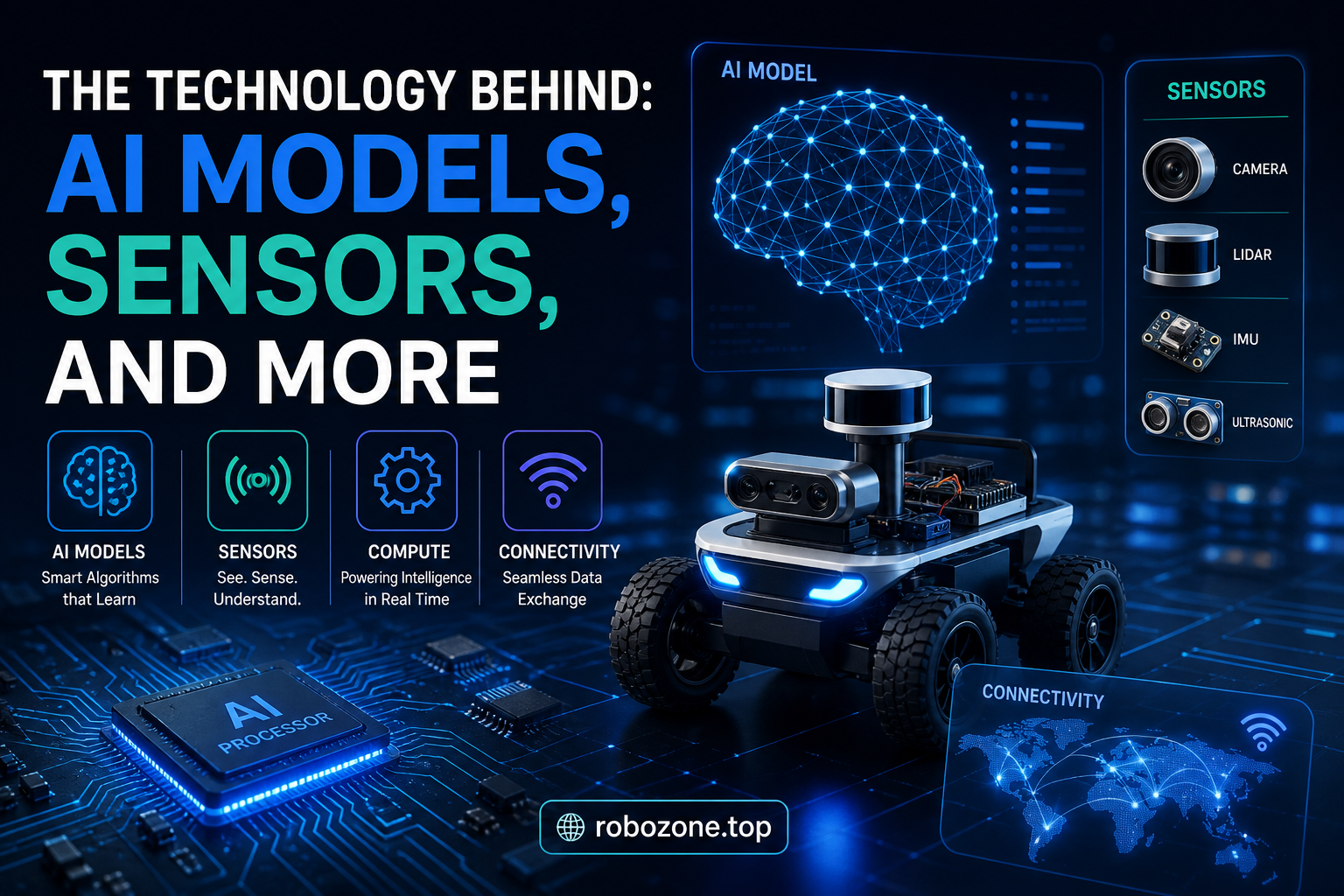
What makes these robots tick? It’s a combination of innovative hardware and cutting-edge software. Many robots today are powered by sophisticated AI models capable of learning and adapting to new tasks. Interestingly, a lot of this brainpower is thanks to chips like those made by NVIDIA, which provide the computational muscle for processing complex data.
AI Models: Modern AI models, such as deep learning and reinforcement learning, allow robots to ‘understand’ their tasks and environments. This capability is crucial as the industry shifts towards more generalized service robots that can tackle a diverse range of tasks.
Sensors: Whether it’s capturing images through LiDAR or interpreting audio via advanced microphones, sensors provide vital input that helps robots interact with their surroundings. These sensors are often complemented by tactile and force sensors that grant robots the sensitivity needed for delicate operations.
Market Analysis: Assessing Growth and Economic Impact

With increased interest and investment, the robotics sector is witnessing remarkable growth. The International Federation of Robotics reported that the robotic market is projected to grow to $210 billion by 2026, a hefty increase from its $145 billion valuation in 2020. Such statistics echo repeated investments by major companies eager to incorporate robotics into their workflows.
The impact on the labor market, while significant, presents a dual opportunity. On one side, robots are anticipated to take over repetitive and hazardous jobs. On the other, they are expected to foster the creation of new job categories centered around robot maintenance, AI software development, and more.
Challenges and Limitations
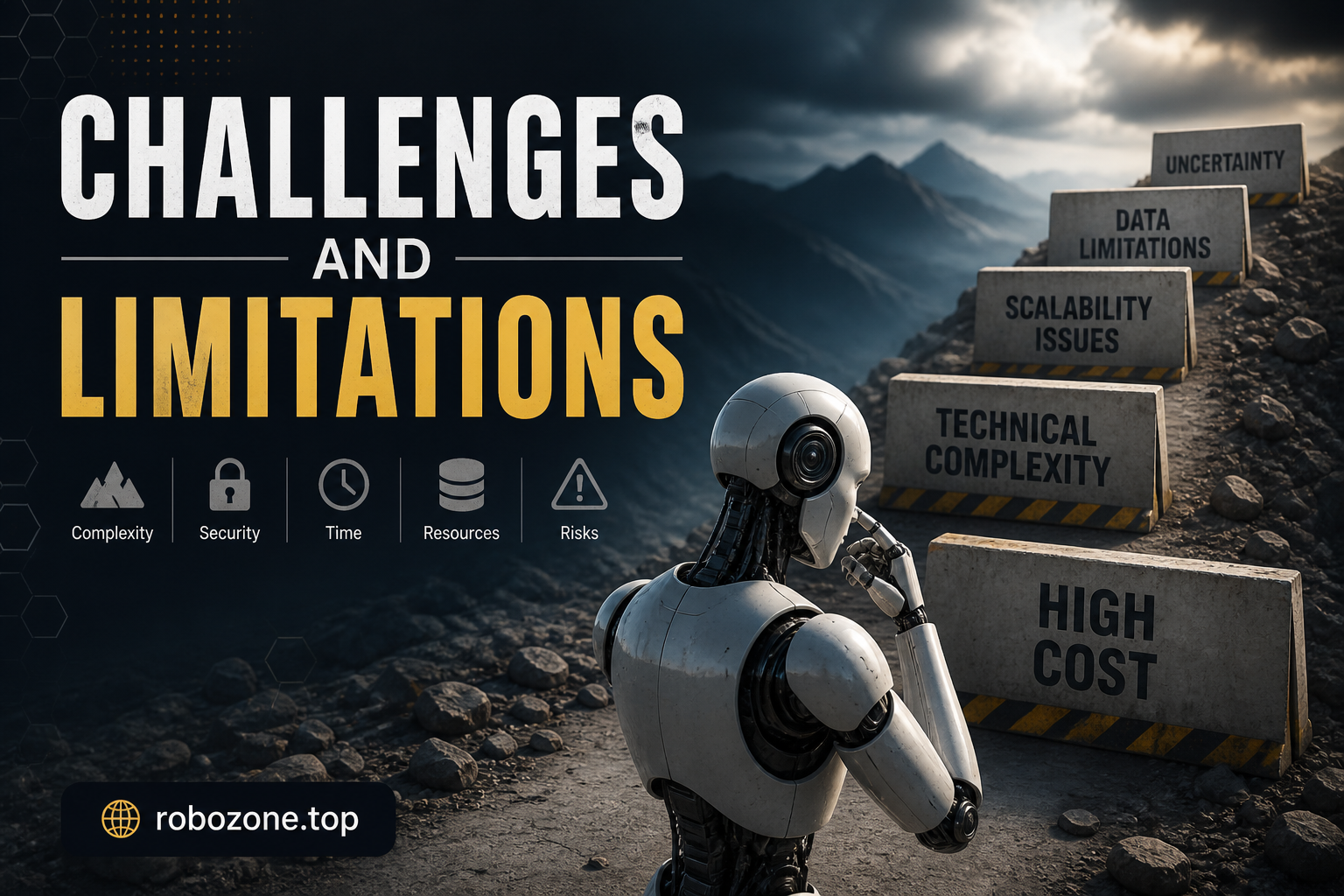
Despite their allure, robotics isn’t without its challenges. One of the primary obstacles is the high-cost barrier, which restricts smaller enterprises from adopting robotics solutions. Also, robots frequently require extensive setup and human oversight to ensure error-free operation, cutting into their efficiency gains.
Moreover, the current AI capabilities, while impressive, are limited to specific modes of task learning. There is still a long way to go before robots can intuitively adapt to new environments without prior data—a hurdle that the robotics field must overcome to unlock its full potential.
Looking Ahead: Future Predictions

As we gaze towards the future, the potential developments in robotics appear boundless. Current trends suggest an evolution from fixed function automation to context-aware robots capable of general-purpose tasks. Industry leaders project that within the next half-decade, the line between robots and ‘intelligent assistants’ will blur further, contributing to smarter homes and more interactive workspaces.
Long-term predictions envision robots becoming co-workers rather than mere tools. Experts speculate a future landscape where robots could potentially learn directly from humans, a concept known as imitation learning, which would adapt robotic behavior dynamically in real-time.
Strategic Insights for Businesses and Developers

For businesses, the advent of robotics signifies a critical shift. Those who best leverage these technologies can expect superior efficiency and innovation. Companies are advised to stay ahead by investing in AI integration and staff training to coexist with robotic infrastructures. Developers, on the other hand, should focus on crafting user-centered designs to ease the transition between human and machine interfaces.
Interestingly, Thomas Huynh, admin of RoboZone.top, aptly said, “The future is not about humans versus robots but about how the two can work together in harmony.” His words underscore the direction in which robotics is heading—a collaboration-driven future.
So where does this leave us? As the boundaries of robotics continue to expand, both excitement and apprehension abound. While there are many challenges ahead, the potential benefits afforded by these machines make the journey worthwhile. For those of us at RoboZone.top, keeping an eye on realistic applications and proven advancements, rather than mere speculations, will ensure that we stay not just informed, but prepared.
Thomas Huynh – Admin of RoboZone.top
– – – – – – – – – – – – – – – –
“If you found my review helpful, consider checking out the product links below. It helps support the channel at no extra cost to you!”