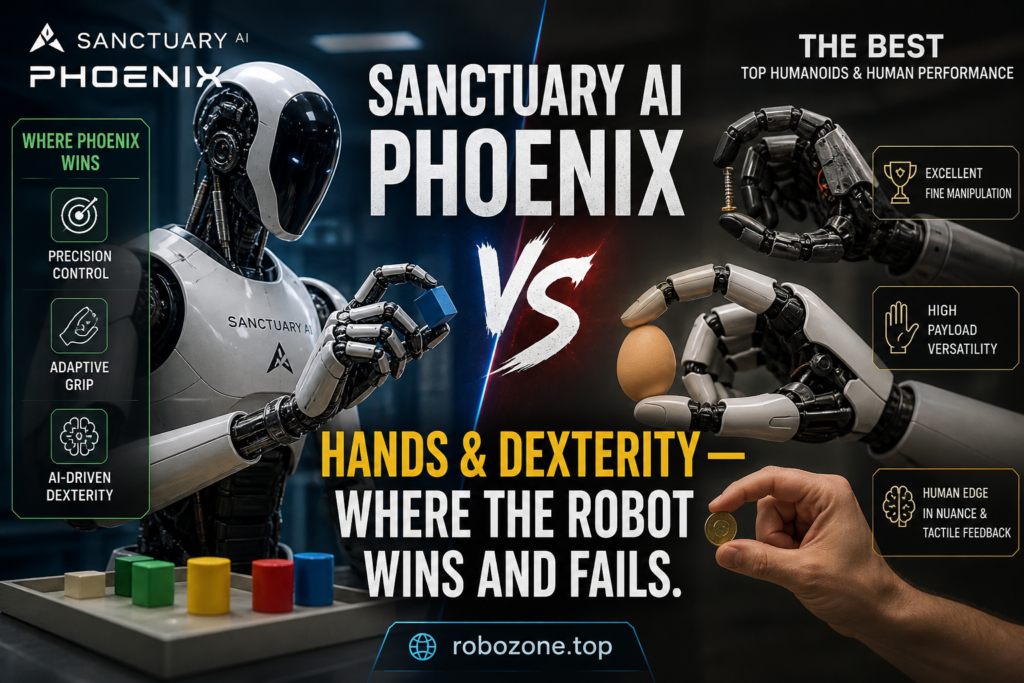
In the bustling frontier of robotics, Sanctuary AI’s Phoenix has made a grand entrance with promises of dexterity and proficiency. But as with all cutting-edge technology, the question persists: does it truly outshine the competition, or do the hype and reality part ways at the intersection of expectations? Welcome to an in-depth exploration where we dissect the capabilities of Phoenix’s robotic hands against other leading performers in the market. With Thomas Huynh at the helm of RoboZone.top, we’re diving into the world where mechanized digits meet formidable challenges and surprising victories.
Peeling Back the Layers: Core Concepts of Robotic Dexterity
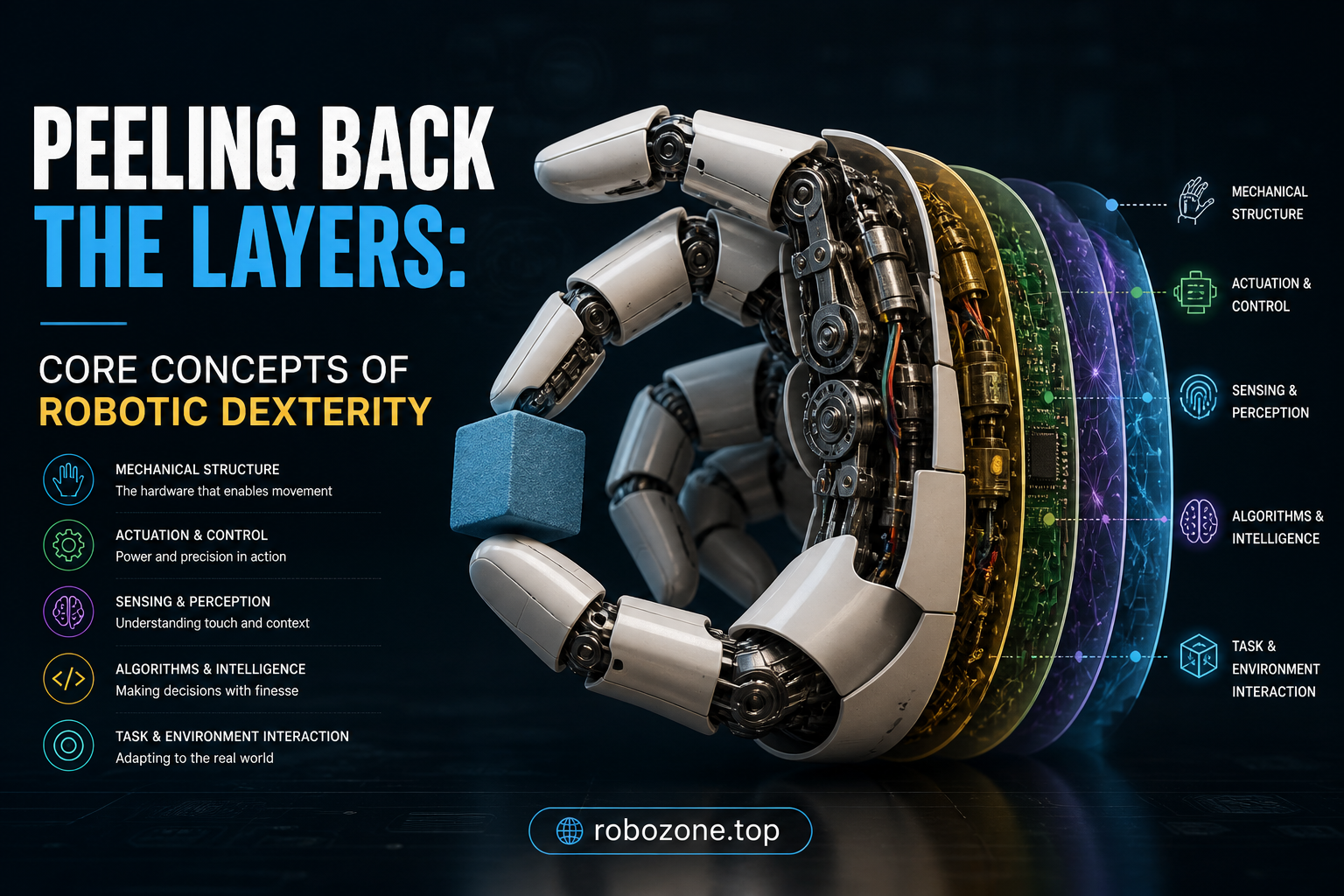
Robotic dexterity is the silent symphony in automation—a complex dance between brain-like algorithms and precise mechanical execution. At its core, it goes beyond simple joint movement; it’s about achieving human-like maneuverability and adaptability. The Sanctuary AI Phoenix emerges as a promising conductor of this symphony. Powered by advanced AI models, including deep learning networks akin to those developed at Stanford AI Lab, Phoenix aims to mimic human-hand versatility through articulate mechanisms and nuanced control over each finger joint.
Supporting this digital orchestra are high-precision sensors and controllers, antennas to both the tactile and proprioceptive faculties that define human dexterity. Imagine these sensors as tiny neuropathways feeding the Phoenix with a constant stream of data, deciphering the physical properties of objects—texture, weight, and even slippage. Much like an octopus mastering the fluid dynamics of water currents, these components form a feedback loop, adjusting grip strength and repositioning digits in real-time.
Real-world Applications Shaping Our Future
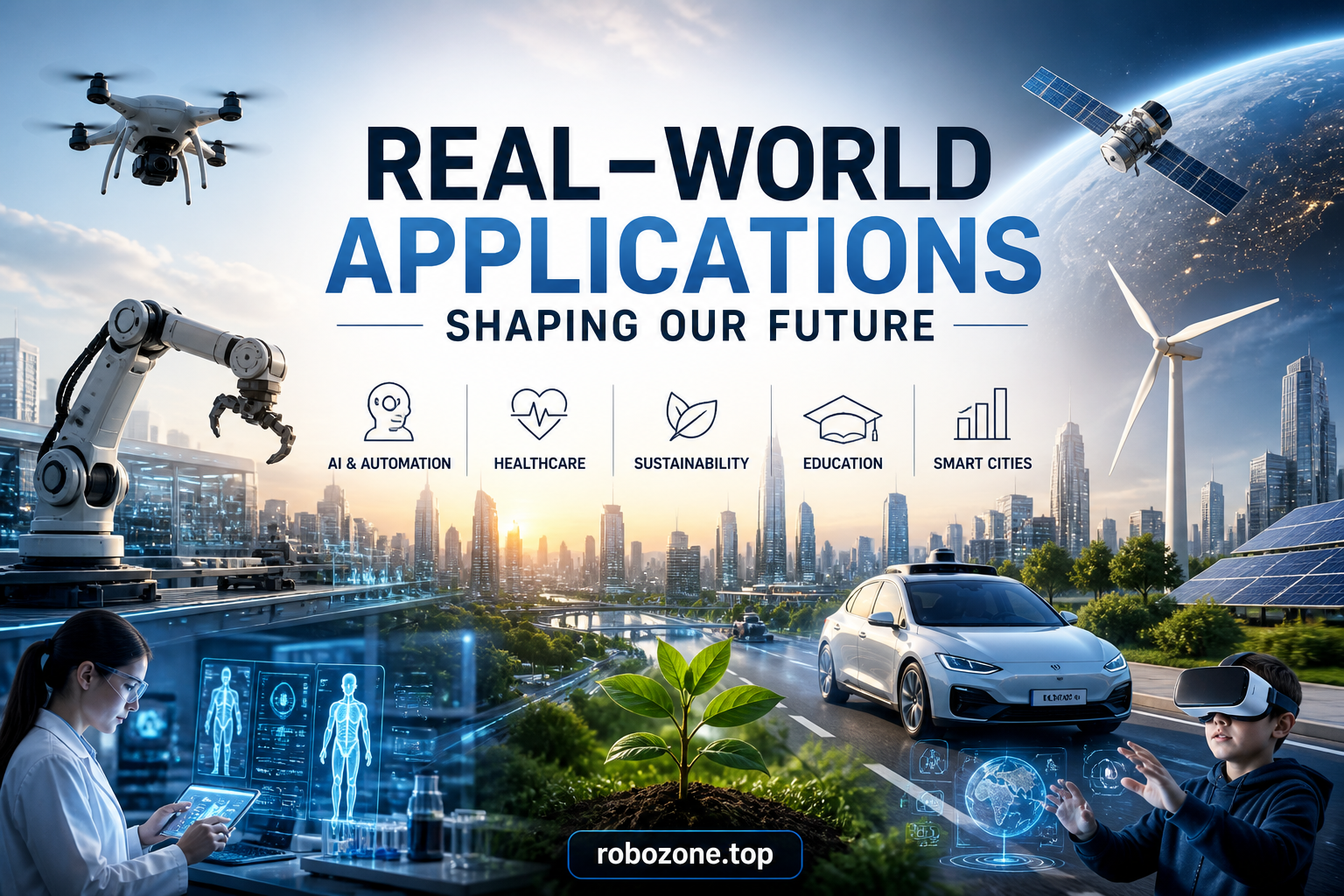
The question isn’t just about how dexterous our robots are but rather, how they can impact our daily lives. Across industries, the applications of such advanced robotics are varied and transformative. For instance, in the healthcare sector, robots like Phoenix can perform intricate surgical procedures or assist nurses by helping to lift patients gently, as seen in pilot programs at major hospitals.
In the industrial arena, imagine a factory where robots assemble electronics with the finesse previously reserved for skilled artisans—each component handled with care, reducing damage and increasing efficiency. This is not science fiction; it’s present-day Reality thanks to innovations powering robotics like NVIDIA’s cutting-edge chips, which grant Phoenix the processing might to handle complex tasks seamlessly.
Domestically, robotic dexterity opens doors to assistive technologies for the elderly, promising improved quality of life by taking over mundane tasks, from picking up dropped items to preparing meals. As robotics expert Thomas Huynh might say, “We’re not just creating gadgets; we’re crafting the future household companion.”
Diving into Technical Insights: AI Models, Robotics Systems and More
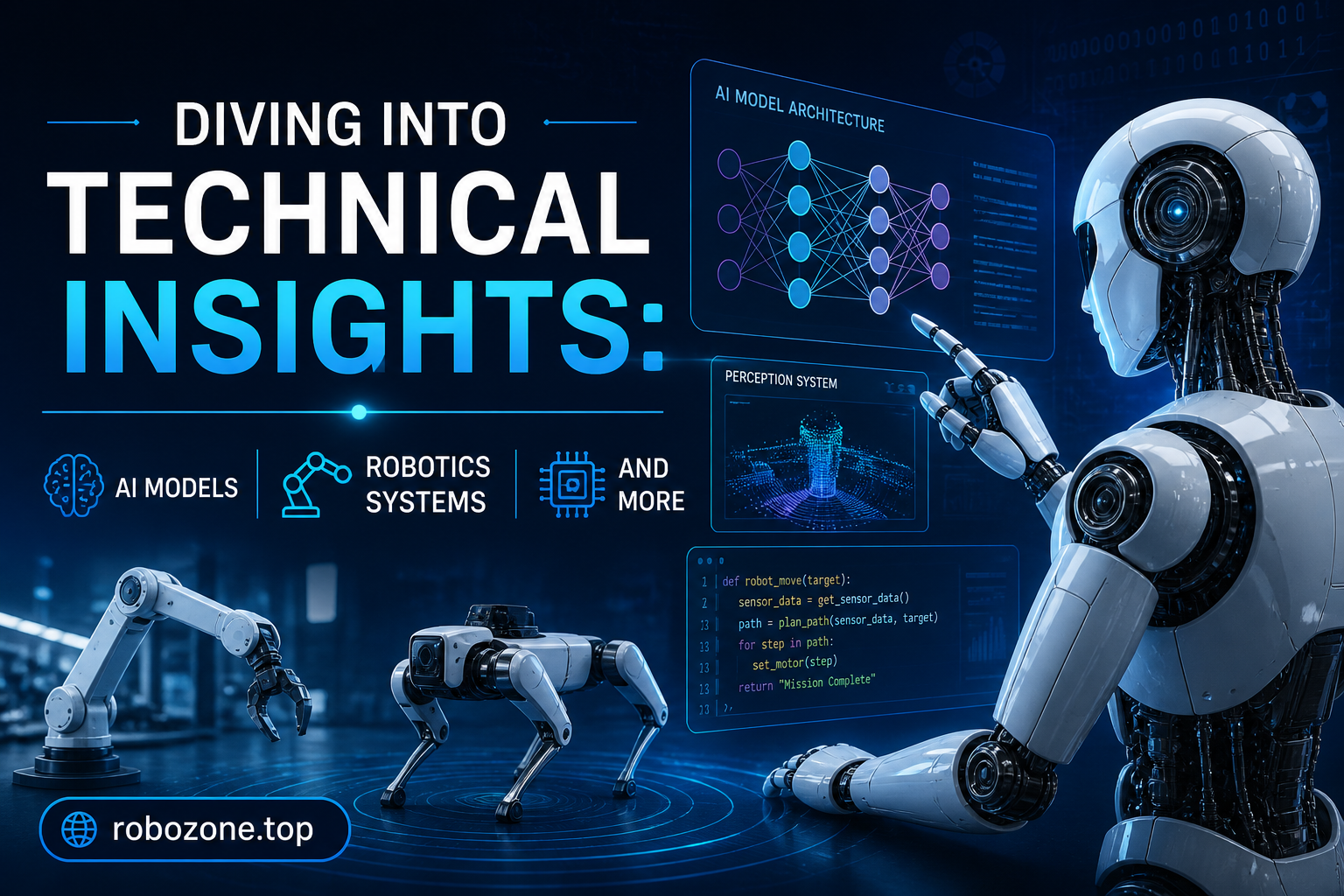
At the heart of Phoenix’s dexterous hands lies an amalgamation of technology, where robotics meet artificial intelligence in a marriage of unprecedented potential. Central to its functionality are AI models similar to those pioneering works published in the IEEE Spectrum. These models use deep learning algorithms that effectively ‘learn’ from past interactions and refine their approach, much like humans adjust based on feedback and experience.
Furthermore, the use of robotics systems designed not just for strength but for agility offers new avenues for automation. The hands, powered by actuators reminiscent of nerve filaments, adjust with precision rather than brute force. Integrated sensor arrays developed in collaboration with tech giants like Google DeepMind, offer a nuanced understanding of their environments.
The onboard computer systems are akin to the advanced setups found in autonomous vehicles, with real-time processing fueled by NVIDIA’s latest GPUs, rendering Phoenix capable of rapid adaptations that are crucial for real-world applications. These technical marvels coalesce to craft a robot hand with fingers capable of distinguishing a grape from a marble—a small testament to their complex understanding of dexterity.
Navigating the Market: Economic Impact and Investments

As the robotics industry powers through its explosive growth phase, the economic impact of dexterous robotics cannot be overstated. The International Federation of Robotics projects that robotic deployments are set to exponentially increase economic productivity, contributing billions to global GDP by 2030. With companies like Boston Dynamics and Tesla entering the arena, technological advancements are rapidly accelerating investment influx.
Investors are eyeing the robotics domain with increasing interest, forecasting it as a cornerstone of future industries. This market optimism propels startups like Sanctuary AI to achieve groundbreaking innovations, supported by venture capitalists keen on harnessing the potential of AI-driven automation. Such financial backing not only enhances the R&D endeavors of these companies but also democratizes access to this burgeoning technology.
Yet, amidst the optimism, challenges remain. The task of integrating these robots into traditional spaces will require significant infrastructure adjustments and skill modifications—a challenge that businesses and governments need to strategize for in the coming decade.
Unveiling Challenges and Limitations: Where Dexterity Meets Its Limits
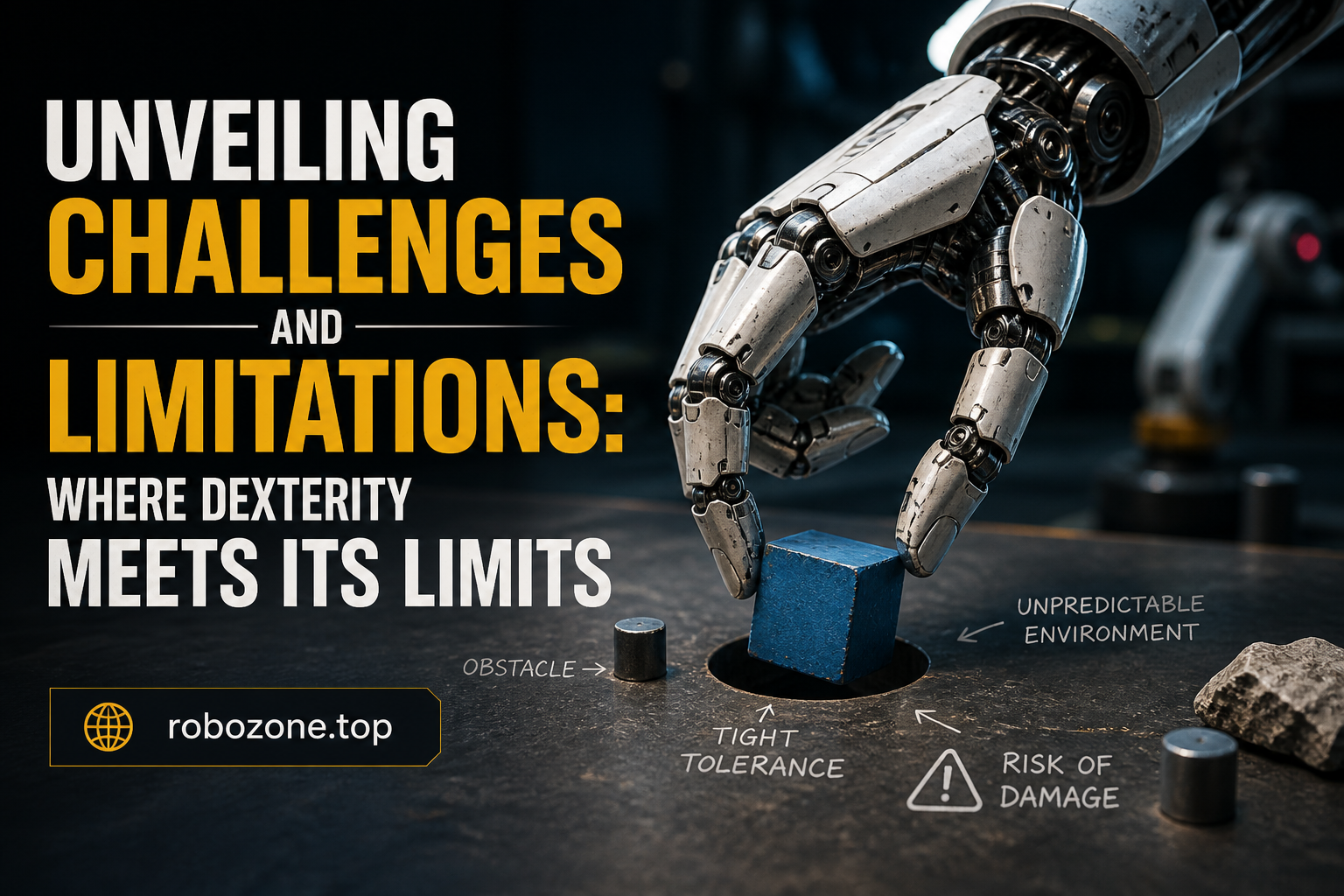
But let’s not get carried away by the fanfare of innovation without recognizing the hiccups along the way. Despite Phoenix’s sophisticated design, certain limitations are yet to be conquered. One of the primary constraints is tactile limitations. Robots still struggle with real-time adaptation to unexpected stimuli, a task humans handle with ease thanks to millions of years of evolution.
Furthermore, dexterous robots grapple with complex human-like tasks such as tying shoelaces or buttoning shirts—where minute adjustments and variable pressure application are non-negotiable. Engineering solutions for such nuanced tasks, particularly in cost-effective manners, present ongoing challenges for developers.
However, in the heart of these challenges lie opportunities for innovation. As Thomas Huynh aptly observed, “Failure just adds another menu item for the robots to chew on and digest. It’s how they learn.” Thus, developers remain undeterred, with fingers poised over keyboards, ready to turn each limitation into the next breakthrough.
Looking Ahead: The Future of Robotic Dexterity
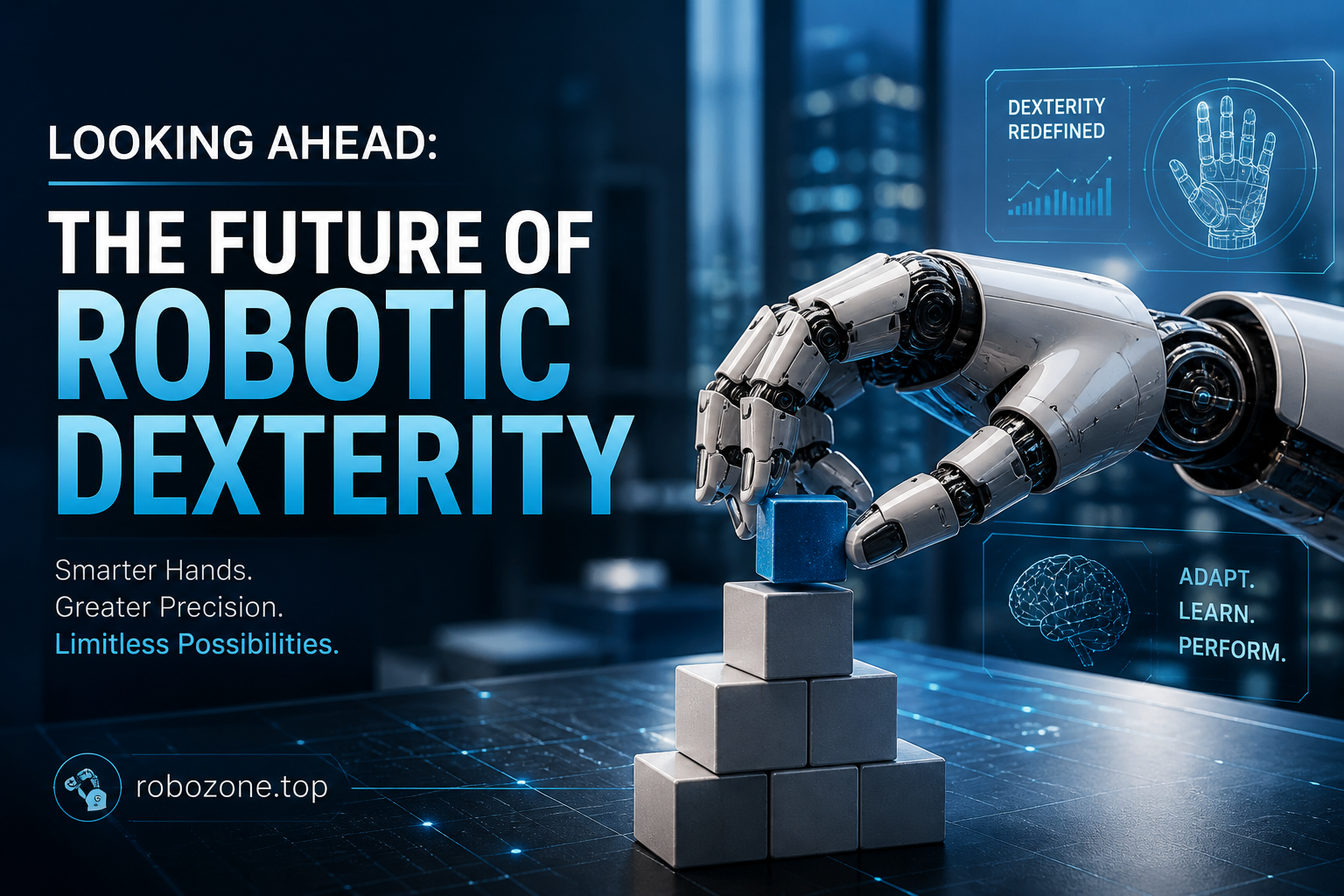
In the next few years, developments in AI and robotics are poised to transform dexterous robots from mere novelties to omnipresent staples across sectors. By 2026, advancements in neural networks and machine learning are expected to significantly enhance a robot’s ability to learn from diverse environments and autonomously refine their dexterous capabilities.
Envision robots with the capability to understand and react to emotional cues—transforming therapeutic settings by providing companionship to patients in need. In manufacturing, robots will not only assemble but inspect, package, and even deliver products autonomously. The vision for the future isn’t just robots that mimic humans but machines tailored to augment human capabilities.
While these predictions chart an exhilarating course, they also point businesses and developers toward ethical considerations and regulatory frameworks necessary to safely integrate such advanced robots into public and private spheres.
Strategic Insights: Preparing for the Next Robotic Era
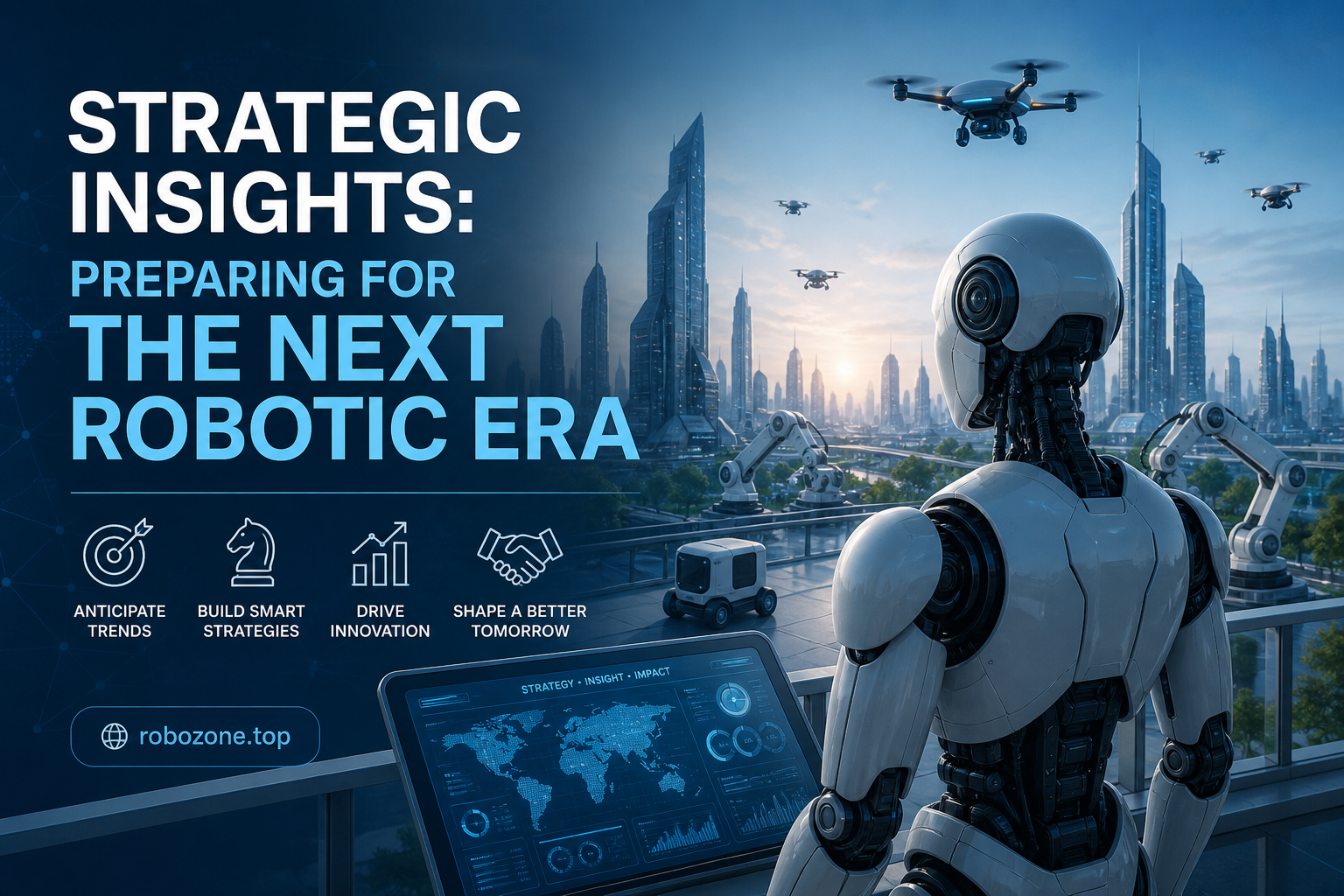
As we stand on the cusp of this robotic revolution, businesses, developers, and policymakers must brace for the opportunities and challenges that lie ahead. Emphasis must be placed on cybersecurity measures, ensuring these sophisticated systems are safeguarded against potential threats. Furthermore, education systems should pivot towards equipping future generations with skills necessary to work alongside and manage these robotic entities.
Developers are encouraged to maintain transparency in AI operations, fostering trust and understanding among users. Strategies that prioritize ethical designs and diverse workforce integration will catalyze further innovation. As Thomas Huynh would remind us, “In the realm of robotics, foresight equips you with hindsight’s advantage just in time.”
The era of dexterous robotics is upon us, and with it comes the promise of transformed industries and enhanced lives. For those who prepare today, the future holds limitless possibilities.
So what comes next? As we look forward to the evolution of robotics, it’s crucial to pay attention to the collision of technological advancement and societal readiness. The dialogue shaping this frontier will determine the harmony of our future realities. In time, robots like the Sanctuary AI Phoenix will redefine not only industries but also our understanding of what is possible when humanity collaborates with its creations. This symbiosis holds the key to unlocking a new paradigm of progress.
Thomas Huynh – Admin of RoboZone.top
– – – – – – – – – – – – – – – –
“If you found my post: Sanctuary AI Phoenix vs the Best: Hands & dexterity — Where the Robot Wins and Fails helpful, consider checking out the product links below. It helps support the channel at no extra cost to you!”
Order HIWONDER Humanoid Robot