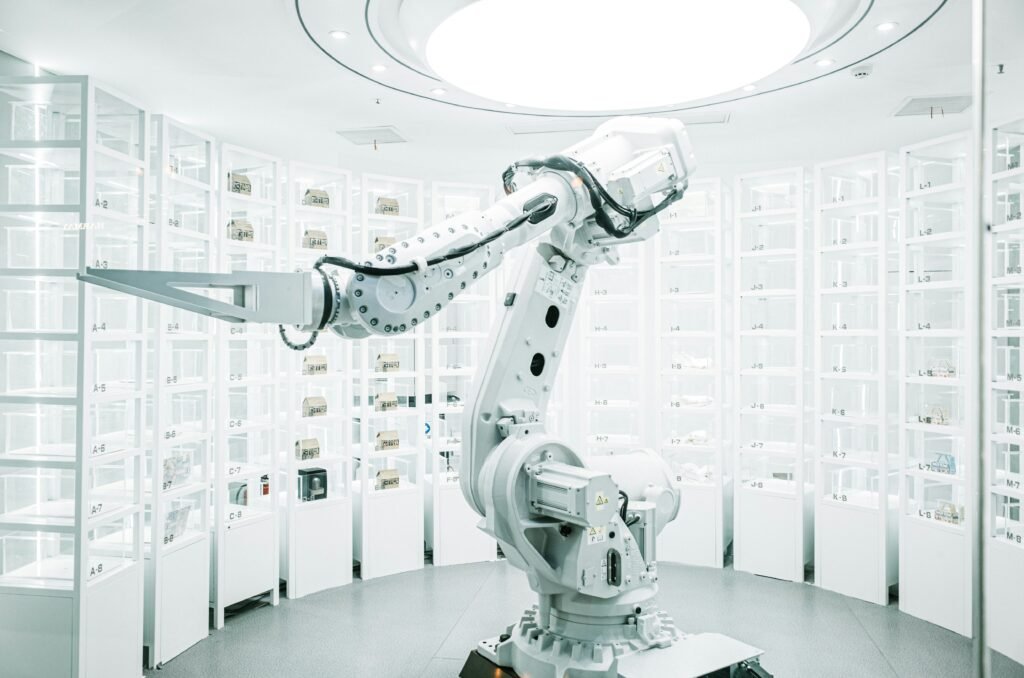
The Evolution of Robotics: Breakthrough Technologies at Play
The field of robotics has undergone significant transformations over the past few decades, driven largely by revolutionary technologies that enhance robotic systems’ capabilities. Central to this evolution is the integration of artificial intelligence (AI), which empowers robots to not only perform tasks but also to adapt to their environments intelligently. AI-driven robotics utilizes algorithms and computational models to enable machines to learn from their surroundings, making them more effective in executing complex functions.
Machine learning, a subset of AI, plays a pivotal role in the advancement of robotics. It allows robots to analyze vast amounts of data and recognize patterns without explicit programming. As a result, robots can improve their performance over time and respond dynamically to new challenges. This adaptability is particularly evident in applications such as autonomous vehicles, where various learning models help the system make split-second decisions, significantly increasing safety and efficiency.
Sensory perception is another cornerstone of modern robotics, enhancing how robots interact with the world. Equipped with advanced sensors, including cameras, LIDAR, and ultrasonic devices, robots can perceive their environment in real-time. This capability enables tasks ranging from basic navigation to intricate procedures like medical surgery, where precision is crucial. The combination of sensory input and machine learning allows robots to interpret complex signals, like detecting changes in their surroundings or identifying objects based on their shape and color.
The research and development landscape for robotics continues to grow, with substantial contributions from technology and engineering sectors. Industries are increasingly investing in innovation to refine robotic systems and develop new applications. Notable examples include bipedal robots capable of navigating uneven terrain and drone technology utilized for delivery services. Such advancements exemplify the ongoing drive towards highly functional and intelligent robotic systems that are set to revolutionize numerous sectors.
Real-World Applications: Enhancing Life Through Automation
Modern robotics has ushered in a new era of automation that significantly impacts various sectors of daily life and industry. In healthcare, the integration of medical robots has transformed surgical procedures, enabling greater precision and reduced recovery times for patients. Robotic systems assist surgeons by providing enhanced visualization and dexterity, allowing for minimally invasive techniques. This improvement in patient care reduces the likelihood of complications and accelerates healing, ultimately benefiting overall healthcare outcomes.
Additionally, smart home technologies exemplify how robotics enhance convenience and safety in residential environments. Devices such as robotic vacuum cleaners, smart security systems, and home automation assistants streamline everyday tasks, allowing individuals to devote more time to personal pursuits. These systems can monitor the home environment, manage energy usage, and even provide emergency alerts, contributing to a safer living space for families.
In industrial settings, robotics plays a critical role in transforming manufacturing and logistics. Automation has led to significant advancements in production efficiency, with robots performing repetitive tasks that would otherwise require substantial labor input. Case studies from leading manufacturers highlight robots’ ability to enhance productivity, reduce downtime, and minimize errors in assembly lines. Furthermore, the adaptation of robotics in logistics – including automated warehousing solutions and delivery drones – is reshaping supply chain dynamics, enabling faster and more reliable distribution of goods.
Moreover, the realm of education and research is also increasingly influenced by robotics. Educational institutions are integrating robotic systems into their curricula, providing students with hands-on experiences that foster innovation and technical skills. These initiatives not only equip the next generation of workers but also spur technological advancement, as interdisciplinary research projects involving robotics are paving the way for new discoveries and applications.