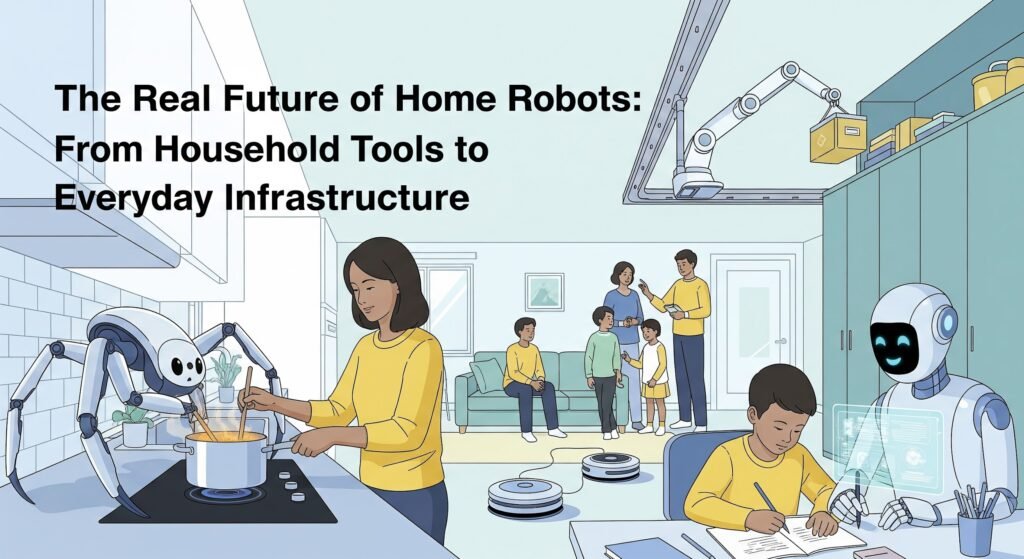
Hello everyone, today is Sunday, December 21, 2025.
Only four days left until Christmas.
I took a short walk around my neighborhood earlier this morning. Lights are everywhere. Music spills out from shops and living rooms. There’s a warmth in the air that only appears once a year. And as I stood there watching families move in and out of their homes, one thought crossed my mind almost naturally.
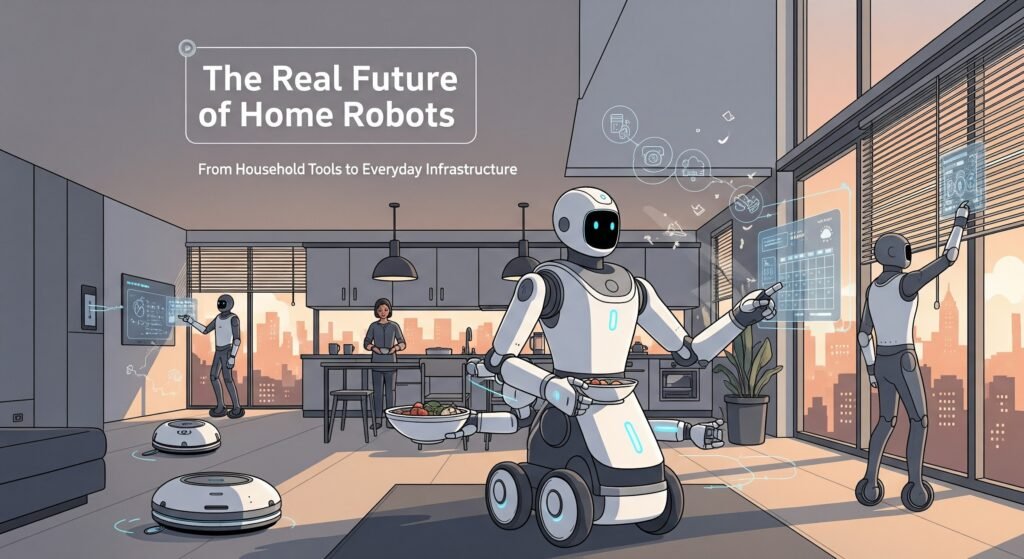
What happens when robots become just as common as these lights?
Not futuristic robots. Not humanoids walking down the street. But quiet, functional machines that live inside homes and slowly become part of daily life.
That question sits at the heart of everything RoboZone.top is trying to explore.
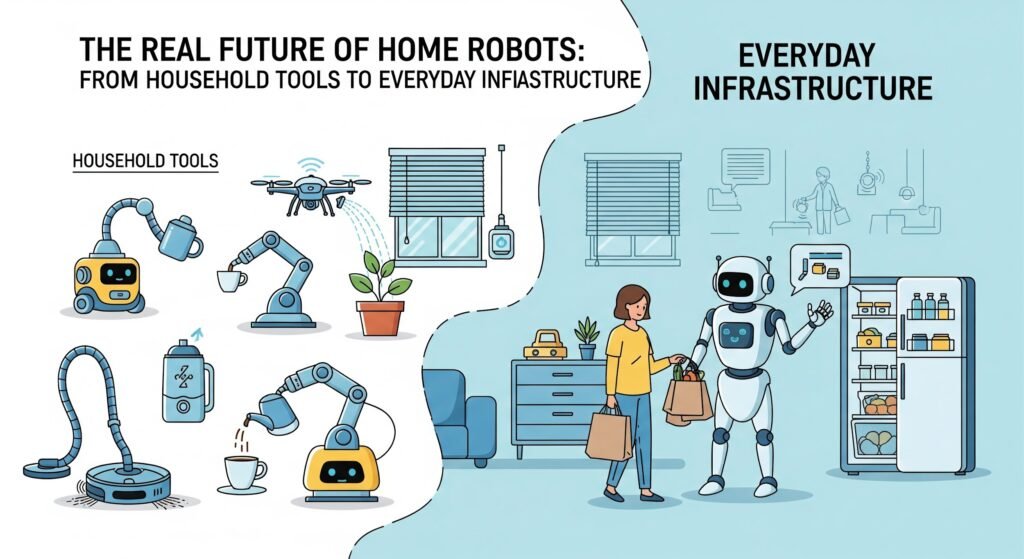
Why Home Robots Should Be Treated as Infrastructure, Not Products
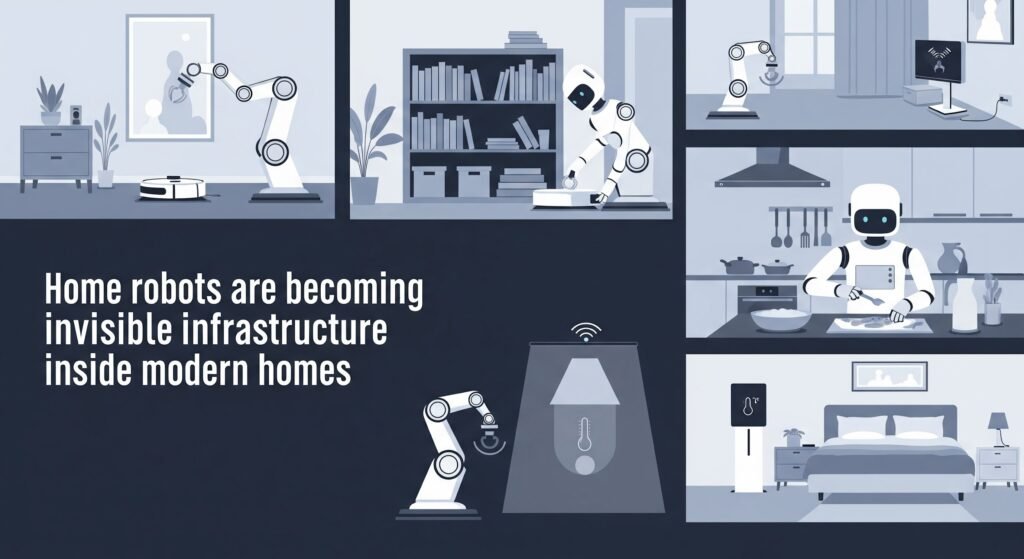
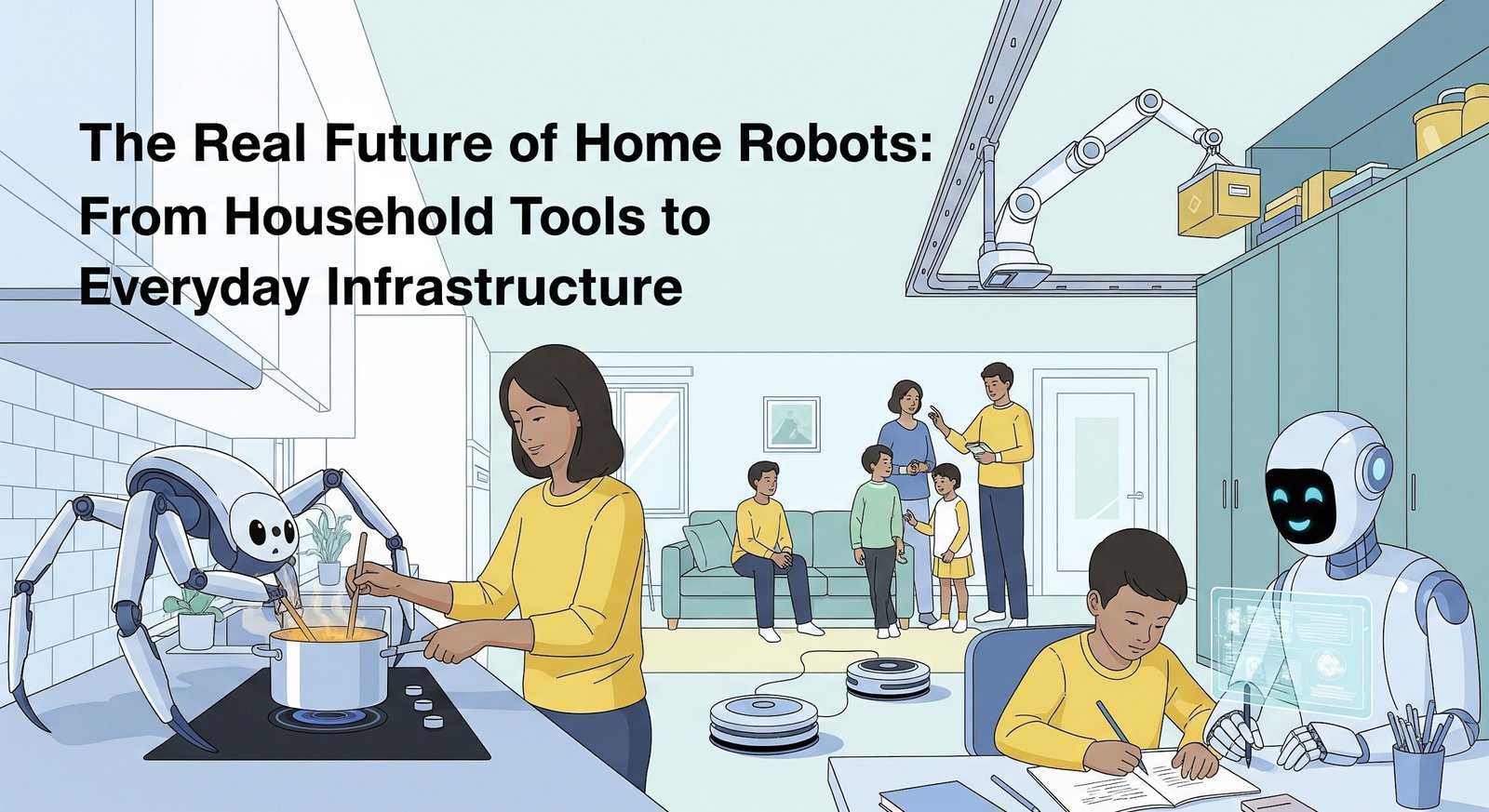
Most people still think of home robots as consumer electronics. Something you buy, evaluate, and maybe replace after a few years. But that framing is already outdated.
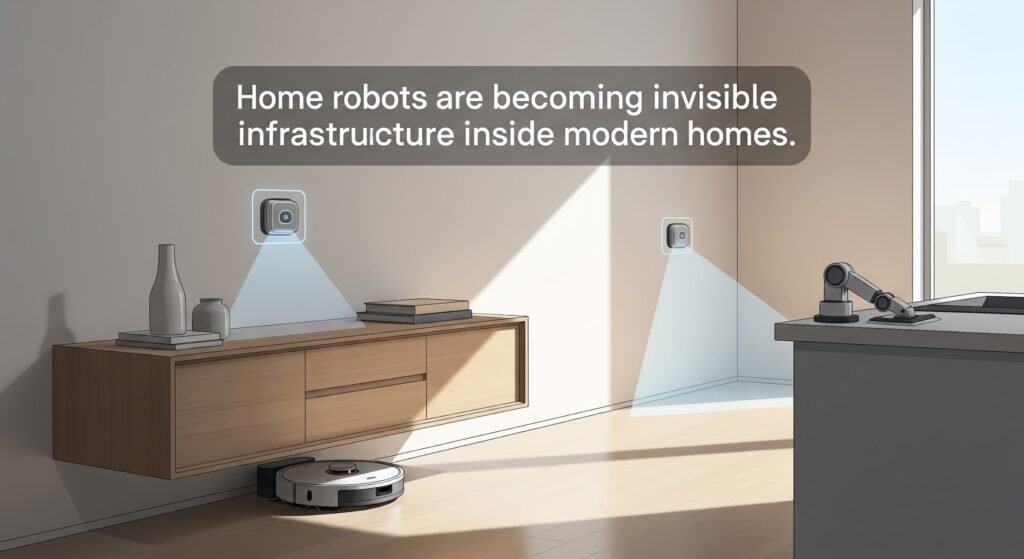
Infrastructure technologies are different. You don’t think about your plumbing every day. You don’t actively “use” electricity. They disappear into the background — and that’s precisely why they matter.
Home robots are moving in that direction.
According to long-term adoption data summarized by the International Federation of Robotics, once a household integrates a service robot into its routine, removal feels disruptive. Not inconvenient — disruptive. That emotional response is a signal that the technology has crossed a threshold.
It’s no longer a gadget. It’s part of the system.
The Technology Stack That Actually Makes Home Robots Work
To understand where home robots are heading, we need to strip away marketing language and look at the actual technology stack.
At the base level, there is hardware: motors, actuators, sensors, batteries. This is where robotics fundamentally differs from software. Physics does not scale like code. Every improvement costs weight, energy, or money.
Above that is perception. Cameras, lidar, depth sensors, tactile feedback. MIT Technology Review has repeatedly emphasized that perception, not intelligence, remains the primary bottleneck in home robotics. Homes are chaotic. Lighting changes. Objects move. Pets interfere. Children create unpredictability.
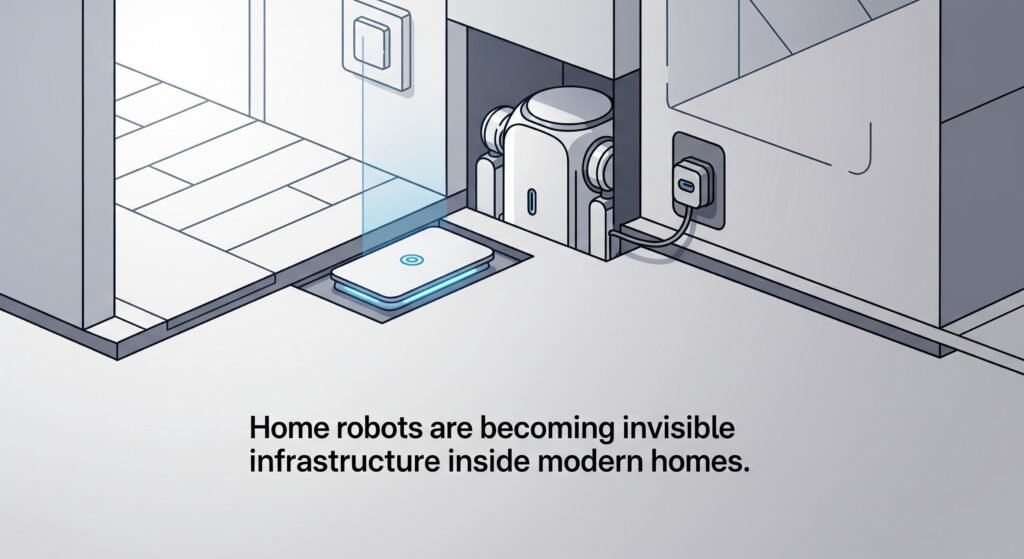
Then comes decision-making. AI models help robots interpret environments, but most consumer robots still rely on constrained autonomy. This is intentional. Full autonomy sounds impressive, but partial autonomy is safer, cheaper, and more reliable.
Understanding this layered structure explains why progress feels slow — and why it’s actually appropriate.
What Boston Dynamics Teaches Us About the Long Game
Boston Dynamics is often cited for viral videos, but the real lesson lies elsewhere. Their robots are engineered to recover, not to impress.
IEEE Spectrum has pointed out that the most valuable capability in physical robots is not task completion, but failure recovery. Slipping. Dropping objects. Losing balance. The real intelligence is in knowing how to continue.
This philosophy is gradually influencing consumer robotics. The next wave of home robots will not market “new abilities.” They will market fewer errors.
And that’s a quiet revolution.
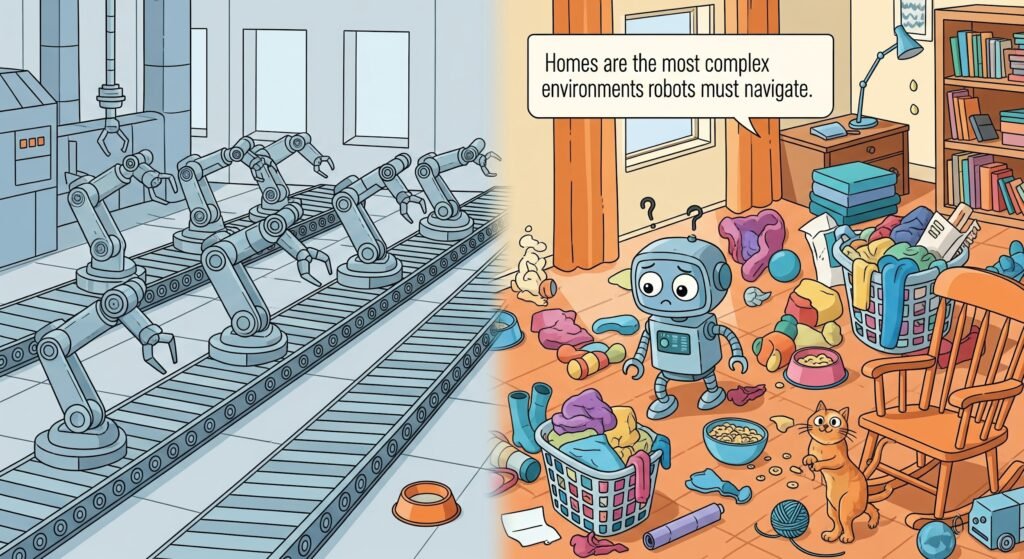
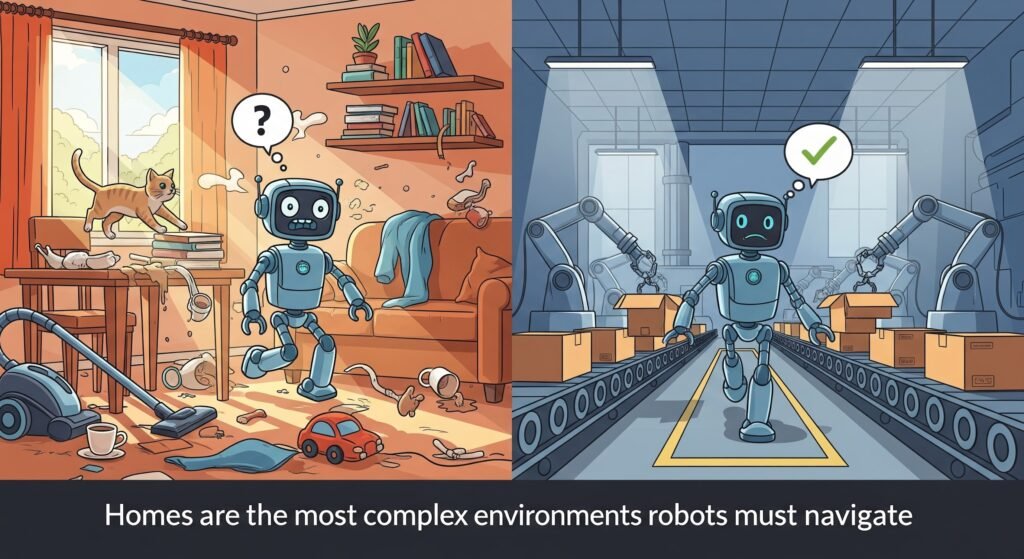
Why Homes Are the Hardest Environment for Robots
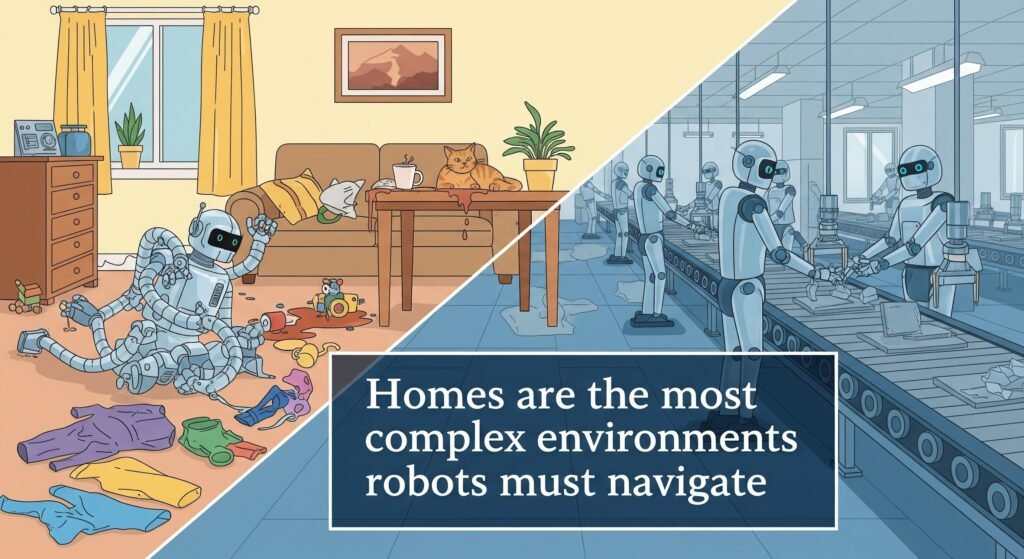
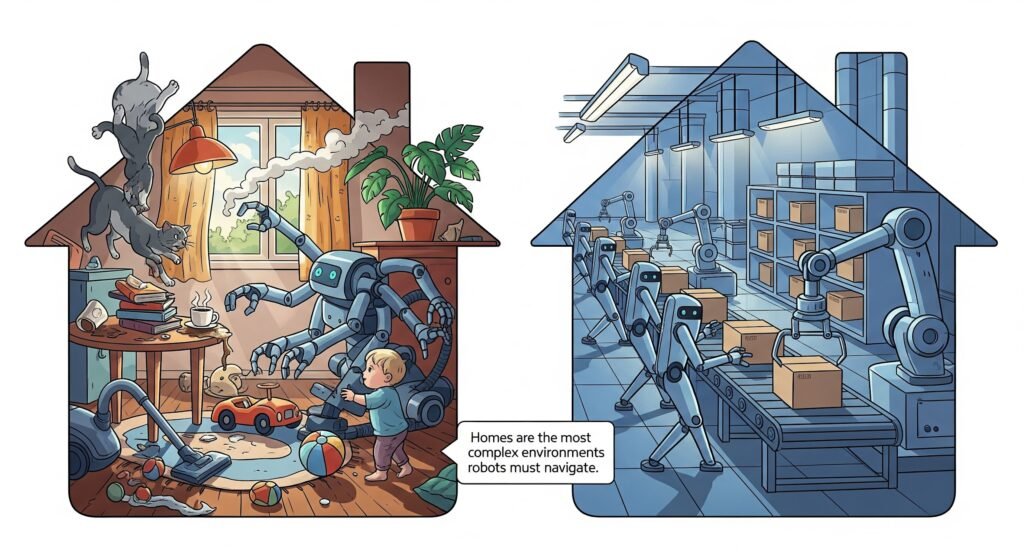
Factories are controlled. Warehouses are optimized. Homes are personal.
Furniture moves. Floor plans change. Objects appear without warning. Every home is a custom environment with emotional stakes. A robot that fails in a factory stops production. A robot that fails at home breaks trust.
That’s why consumer robotics evolves conservatively. Trust compounds slowly — but once established, it becomes extremely durable.
Economic Implications: The Rise of Household Capital
From an economic perspective, home robots represent a shift from labor to capital at the household level.
Instead of paying for time — either your own or someone else’s — households invest in machines that absorb recurring effort. This mirrors industrial automation, but scaled down to daily life.
Market forecasts from robotics research firms consistently show moderate but steady growth. No explosive curves. No sudden dominance. And that’s healthy.
Infrastructure grows slowly because trust, maintenance, and cultural acceptance take time.
What Home Robots Will Likely Do in the Next 3–5 Years
Looking forward, several developments feel increasingly inevitable.
Home robots will begin to integrate auxiliary functions. Mobile speakers. Adaptive lighting. Simple object transport within predefined safety zones. These aren’t science fiction ideas — they’re logical extensions of existing capabilities.
More importantly, robots will start coordinating with smart homes as unified systems rather than standalone devices. A robot won’t just clean a room. It will prepare the environment — lighting, sound, temperature — around human presence.
The result will not feel dramatic. It will feel natural.
Beyond 2030: The Psychological Shift
The most profound change may not be technical at all.
As robots normalize, people will stop thinking of chores as responsibilities. They will think of them as system-level functions. That psychological shift changes how humans value effort, rest, and time.
When effort disappears quietly, identity adjusts slowly.
And that adjustment is already underway.
So Where Are We Really Headed?
If we step back, the future of home robotics isn’t about intelligence or speed. It’s about integration.
Robots that disappear into daily life. Robots that reduce mental load. Robots that reshape routines without demanding attention.
That future won’t arrive with headlines or countdowns.
It will arrive one quiet Sunday morning at a time.
MIT Technology Review — Why Robots Struggle in Homes
IEEE Spectrum — Top Robotics of 2025
International Federation of Robotics — Service Robots Market Insights
https://ifr.org/service-robots
Boston Dynamics — https://www.bostondynamics.com/blog
Thomas Huynh – Admin of RoboZone.top