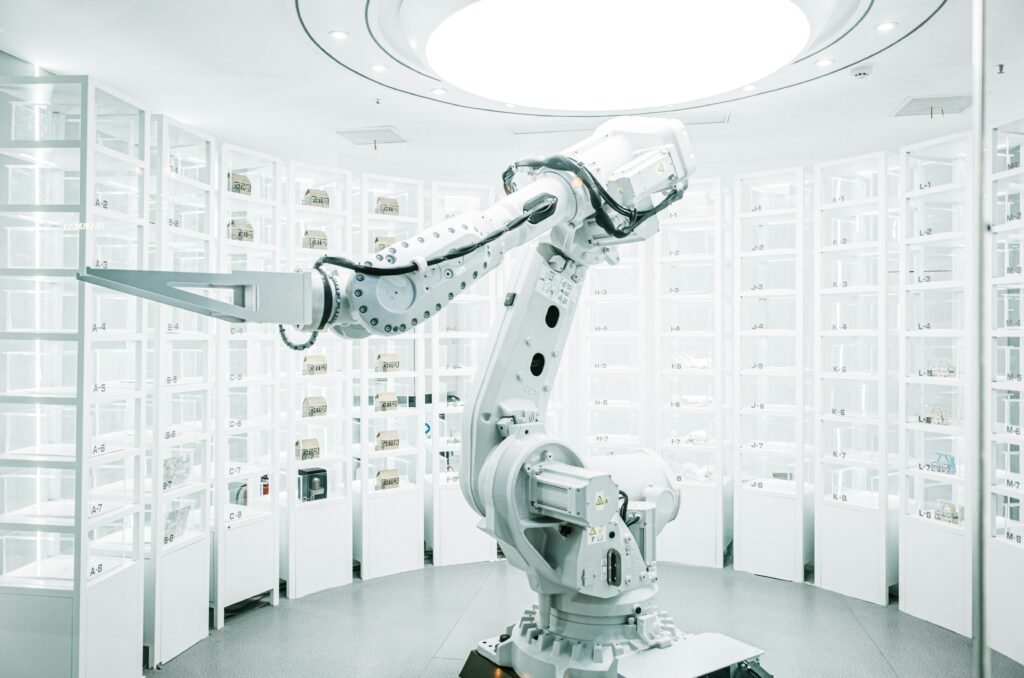
Breakthrough Technologies in Robotics
The field of robotics is undergoing a remarkable transformation, largely driven by advancements in technologies such as artificial intelligence (AI), machine learning, and sensor systems. These innovations are enabling robots to perform increasingly complex tasks, adapt to dynamic environments, and engage with humans in a more intuitive manner. AI, in particular, serves as the backbone of modern robotic systems, allowing them to process data and make decisions in real-time.
Machine learning, a subset of AI, empowers robots to learn from experiences and improve their performance over time. This capacity for learning is critical in applications where traditional programming falls short. For instance, autonomous robots deployed in manufacturing environments can optimize production processes by analyzing outcomes and adjusting their operations accordingly. Such adaptability enhances efficiency and reduces the likelihood of human error.
Moreover, advancements in sensor technologies have played a vital role in enhancing a robot’s ability to understand and interact with its surroundings. Sophisticated sensors provide robots with the necessary data to navigate complex environments, whether it be in a factory or within a home. For example, robots equipped with advanced visual and tactile sensors can effectively identify objects, gauge distances, and even assess the texture of surfaces, thereby broadening their operational capabilities.
Specific robotic systems exemplifying these breakthroughs include collaborative robots or “cobots,” which work alongside human operators in manufacturing settings. By leveraging AI and sensor technologies, cobots can adapt to the variations in human tasks, ensuring a harmonious integration into production lines. Additionally, in healthcare, robots like robotic surgical assistants highlight the precision and reliability that can be achieved through these innovative technologies, ultimately improving patient outcomes.
As these breakthrough technologies continue to evolve, the potential for robotics to revolutionize various industries becomes increasingly evident, marking a significant step toward the future of human-robot interaction.
Transformative Applications of Intelligent Robotics
Intelligent robotics has emerged as a revolutionary force across various sectors, significantly enhancing everyday life and transforming traditional practices. In industrial automation, robots are increasingly taking on roles that involve repetitive tasks, precision assembly, and even complex operations in hazardous environments. By employing advanced robotics in manufacturing processes, companies can boost productivity, reduce operational costs, and ensure higher quality standards. For instance, automotive assembly lines leverage robotic arms for tasks such as welding and painting, enabling manufacturers to achieve faster production rates with minimal errors.
In the realm of healthcare, intelligent robotics are paving the way for groundbreaking advancements in medical procedures. Robotic-assisted surgeries offer heightened precision and reduced recovery times for patients. Systems like the da Vinci Surgical System enable surgeons to perform intricate operations with enhanced dexterity, leading to better patient outcomes. Furthermore, robots are also deployed in rehabilitation settings, providing assistance tailored to individual patient needs while enhancing the efficiency of therapeutic practices.
The advent of smart home devices showcases how intelligent robotics simplifies daily life. From automated vacuum cleaners to intelligent assistants capable of managing household appliances, these devices not only provide convenience but also foster energy efficiency and safety. For instance, smart thermostats learn user preferences, optimizing energy consumption while contributing to a greener environment.
However, the societal implications of these transformative technologies are profound. The integration of intelligent robots into various industries raises questions about the future of the workforce. While there is potential for significant job displacement, robotics can also create new opportunities, emphasizing the need for skill development in areas such as robot maintenance and programming. As intelligent robotics continue to evolve, they are likely to redefine operational landscapes, enhancing safety and productivity while propelling us towards a more efficient and technologically advanced future.