Hello everyone, today is Tuesday, December 16, 2025.
Yesterday, after publishing our first deep dive into smart home robots, I received a few messages from readers asking a surprisingly honest question:
“Robots are getting smarter every year… so why do they still feel a bit limited?”
It’s a fair question. We live in a world where AI can write code, generate art, and beat humans at complex games. And yet, your home robot can still get confused by a chair that wasn’t there yesterday. At first glance, that feels disappointing. But the more time I spend researching and testing these machines, the more I realize something important.
Those limitations aren’t a failure. They’re a reflection of where robotics actually stands today.
Robots Are Smart — Just Not in the Way Humans Expect
One of the biggest misunderstandings about robots is that intelligence should look human. When a robot struggles with an everyday situation, we instinctively think something is wrong.
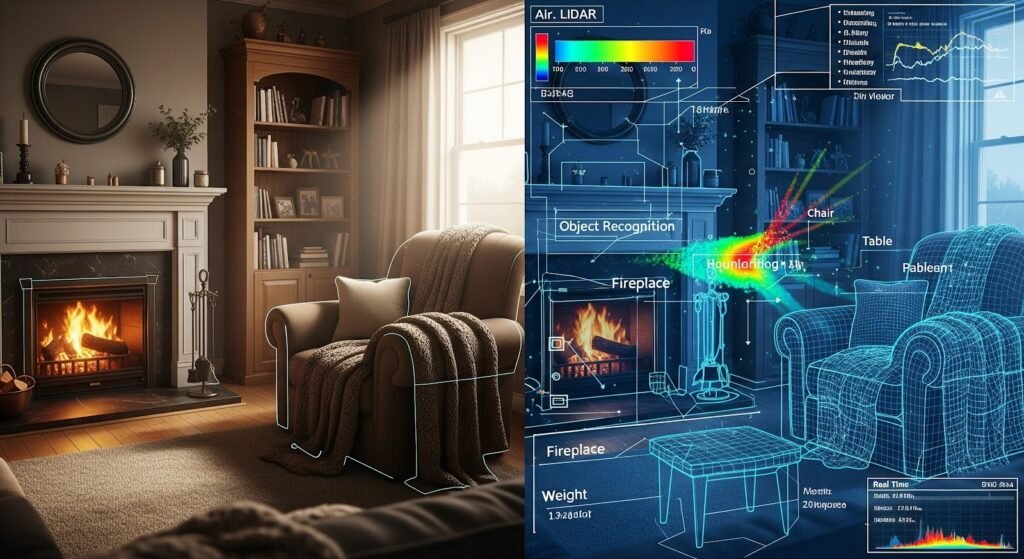
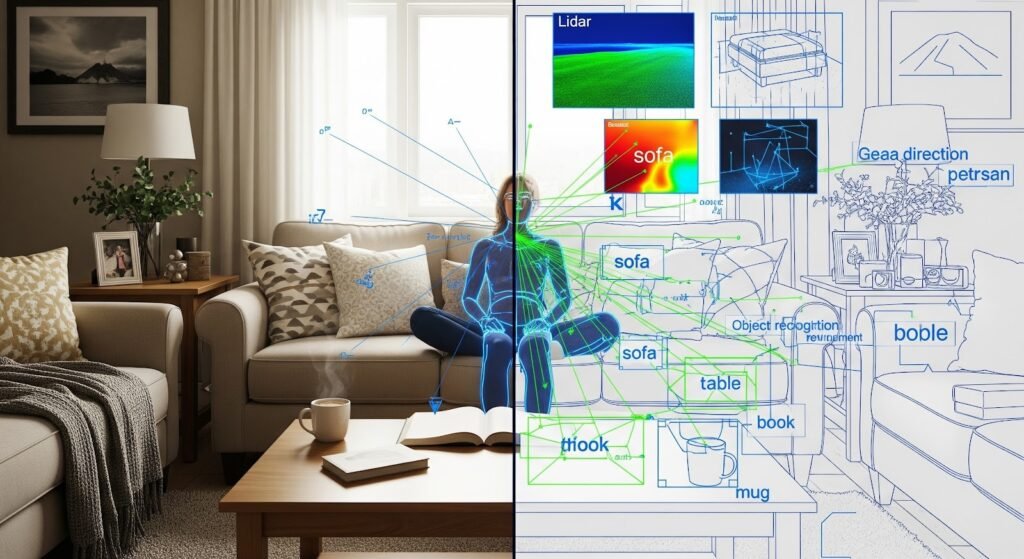
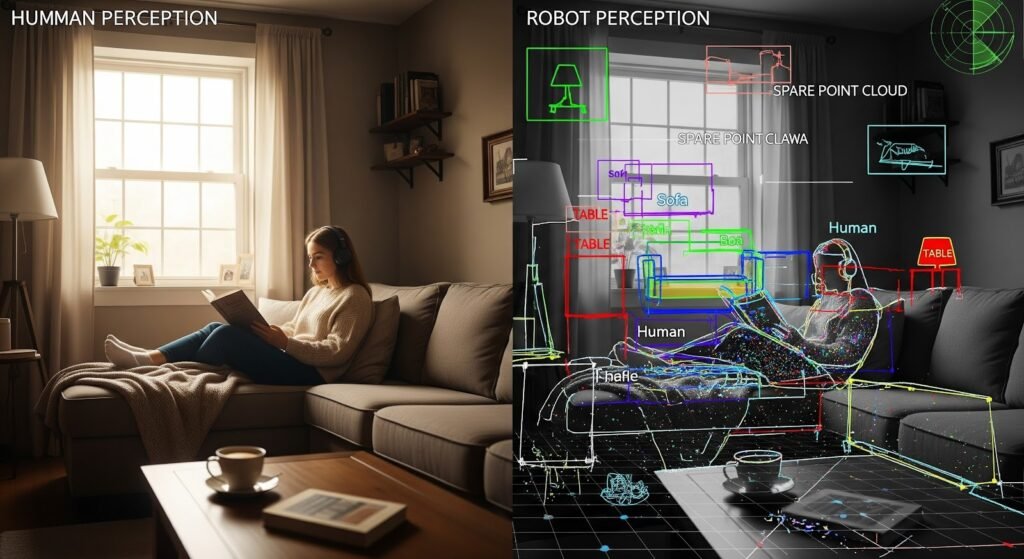
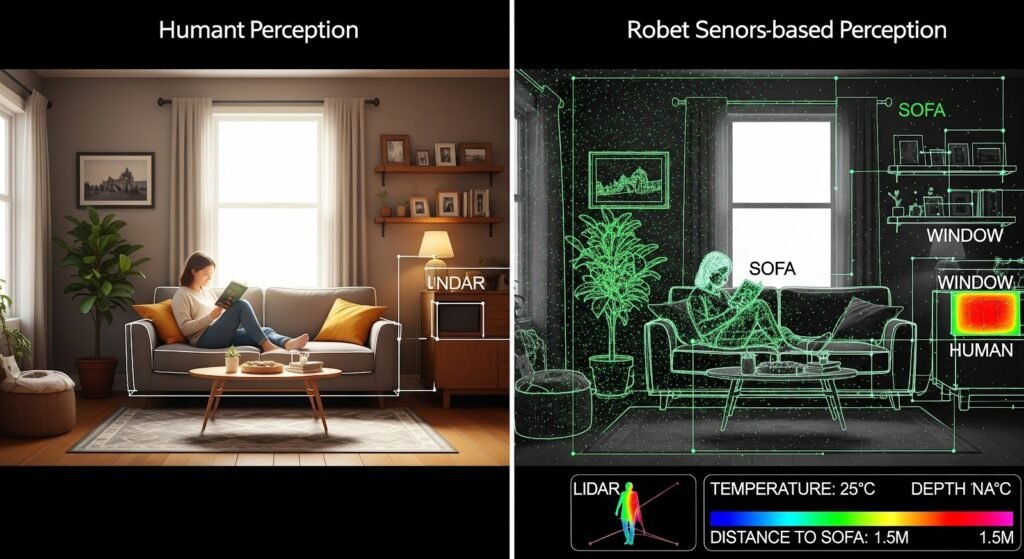
In reality, home robots are extremely good at very narrow tasks. They excel at pattern recognition, spatial mapping, and repetitive actions. What they lack is general understanding. A human sees a messy room and instantly understands context. A robot sees data points, obstacles, and probabilities.
As someone who reviews robots for RoboZone.top, I often remind readers that today’s home robots don’t “understand” a home — they interpret it mathematically. And that distinction matters more than most people realize.
Read more : Are We Actually Ready to Live With Smart Home Robots?
Why Household Environments Are Harder Than Factories
Industrial robots thrive in factories because everything is controlled. The environment doesn’t change unless humans change it deliberately. Homes, on the other hand, are chaotic by nature.
Furniture moves. Pets roam freely. Kids leave toys in unpredictable places. Even lighting conditions change throughout the day. For a robot, this constant unpredictability is incredibly difficult to manage.
This is why many robotics researchers argue that home environments are actually more complex than industrial ones. According to IEEE Spectrum, unstructured environments remain one of the hardest challenges in robotics — and homes are about as unstructured as it gets.
The Trade-Off Between Autonomy and Safety
Another reason home robots feel “limited” is intentional design. Manufacturers deliberately restrict autonomy to reduce risk. A robot that moves too freely, too quickly, or too aggressively inside a home becomes a safety concern.
In healthcare and industrial robotics, safety systems are heavily regulated. Home robots follow a similar philosophy, even if it’s less visible. Slower movements, conservative navigation, and frequent error checks aren’t signs of weak technology. They’re safeguards.
This is something that often surprises new users. They expect robots to behave decisively, but what they’re actually seeing is caution built directly into the system.
[Picture: Home robot cautiously navigating around pets and furniture]
Why Expectations Matter More Than Specs
Marketing has done robotics no favors here. Product pages often highlight AI, automation, and futuristic potential without explaining limitations clearly. When real-world performance doesn’t match imagined expectations, disappointment follows.
The most satisfied robot owners I’ve spoken with tend to have one thing in common: realistic expectations. They don’t expect perfection. They expect consistency.
In many ways, a reliable robot that does one thing well is far more valuable than a “smart” robot that tries to do everything and fails half the time.
So Where Do We Go From Here?
Looking ahead, progress in home robotics will likely be incremental, not revolutionary. Better sensors, improved AI models, and tighter integration with smart home systems will slowly reduce friction. But fully general-purpose home robots are still a long way off.
And honestly, that’s fine.
The real success of home robots isn’t measured by how human they seem. It’s measured by how quietly they improve daily life. When a robot disappears into the background and simply works, that’s not a limitation — that’s maturity.
If there’s one thing worth keeping in mind, it’s this: meaningful technology doesn’t need to impress you every day. Sometimes, it just needs to be dependable.
References & Further Reading:
IEEE Spectrum — Why Unstructured Environments Are Hard for Robots
MIT Technology Review — Why AI Still Struggles With the Physical World
International Federation of Robotics — Service Robots and Safety Standards